API Weldless Links Manufacturer for Oil Rigs
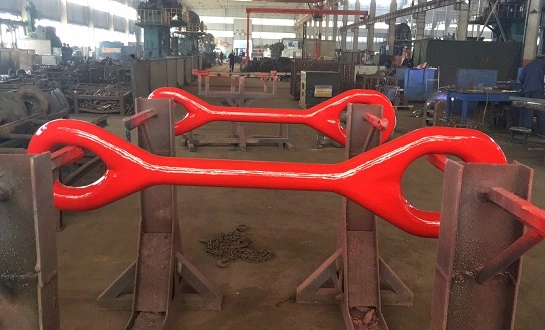
Finding a dependable Chinese API weldless link manufacturer needs knowing manufacturing capabilities, quality certifications, and supply chain management. Weldless linkages for drilling are made by several oilfield equipment manufacturers in China. Through API requirements, these manufacturers provide competitive prices and worldwide quality standards. The key is finding suppliers with innovative forging techniques, thorough quality control systems, and worldwide oil and gas drilling contractor experience. China's industry supremacy in API weldless links originates from decades of heavy equipment investment and industrial growth. Steel production in the nation produces high-quality alloy materials for weldless links. Chinese producers have perfected single-piece forging, removing weak areas in welded products. This manufacturing knowledge and reduced operating expenses benefit foreign customers seeking reputable drilling equipment providers.
Understanding China's API Weldless Link Manufacturing Excellence
Advanced Forging and Material Science
Chinese producers make API weldless links from high-strength alloy steel billets using advanced swaged forging methods. This manufacturing method maximizes tensile strength while avoiding welded joint failure sites. Heating alloy steel to specific temperatures allows molecular rearrangement that improves material characteristics during forging. Leading Chinese forging facilities use computer-controlled technology to manage pressure and temperature throughout production. This precise control ensures homogeneous grain structure across the weldless link, improving mechanical qualities. For severe oilfield applications, heat treatment after forging improves strength and toughness.
Production at Low Cost Without Sacrifice
Manufacturing in China is cost-effective due to integrated supply chains and economies of scale. Raw material sourcing, steel processing, and component production are generally nearby, decreasing transportation costs and lead times. This integration lets manufacturers compete on price while meeting worldwide drilling contractor quality requirements. Chinese manufacturers enhance production efficiency and quality management systems due to competition. Manufacturers spend considerably in automated equipment and quality control to stay competitive. International purchasers gain from higher product quality and lower production costs due to competition.
Finding Reliable API Weldless Link Manufacturers: Key Criteria
Complete Certification Check
Multiple certifications show quality manufacturers' devotion to international standards. For drilling equipment, API Spec 8A and 8C certifications ensure weldless linkages fulfill industry performance standards. ISO 9001:2015 accreditation shows strong production quality management systems. Use official certifying body databases to verify certification. Certification scope, validity periods, and limits should be documented. Genuine producers give extensive certification information and assist authorities in verification.
Assessing Production and Technical Capabilities
Assess manufacturing facilities for production capacity, equipment sophistication, and technical competence. CNC machining centers, automated forging, and computerized heat treatment are used by modern firms. These technologies maintain product quality and scale manufacturing to meet order quantities. Request manufacturing capacity, monthly output, and lead time for various order quantities. Understanding capacity limits prevents delivery delays and ensures manufacturers can fulfill your volume needs.
Quality Control System Assessment
Strong quality control includes raw material inspection, in-process monitoring, and product testing. Manufacturers should show MPI, proof load, and dimensional verification. Before shipping, these protocols evaluate each weldless connection for API compliance. Advanced manufacturers use SGS or DNV for third-party inspections. International customers may decrease procurement risks with an independent quality verification layer.
Critical Certification Requirements for API Weldless Links
API Specification Compliance Standards
API Spec 8A and 8C provide basic drilling equipment specifications, including API weldless link. Material qualities, production techniques, testing methods, and performance standards are specified. Manufacturers must record testing and certification to prove compliance. API certifications need ongoing compliance monitoring and audits. Manufacturers with these certificates are periodically assessed for specification compliance. Maintenance of certification shows long-term quality and regulatory compliance.
International Quality Management Standards
ISO 9001:2015 accreditation shows complete production quality management systems. The standard demands documented procedures, ongoing improvement, and customer satisfaction monitoring. ISO-certified manufacturers use systematic quality control and process management. Comprehensive operational management includes ISO 14001 (environmental management) and OHSAS 18001 (occupational health and safety). These certificates indicate manufacturers' ethical business activities beyond quality.
Good Sourcing Channels and Platforms
Expert B2B platforms and trade shows
Established B2B platforms provide certified manufacturers with business profiles, product catalogs, and client reviews. Verifying company licenses, production capabilities, and quality certifications is common on these systems. Trade displays provide direct manufacturer engagement and product appraisal. Industry exhibits like CIPPE (China International Petroleum & Petrochemical Technology and Equipment Exhibition) highlight top manufacturers and new technology. These events create relationships and reveal market trends and production capabilities.
Direct Manufacturer Relationship Building
Direct manufacturer contact allows tailored communication and relationship growth beyond platform interactions. This method facilitates thorough talks about needs, customisation, and long-term partnerships. Direct ties generally improve cost, service, and technical assistance. Communicate response time expectations, technical discussion procedures, and quality problem resolution methods. Good communication prevents misunderstandings and ensures seamless business interactions throughout the procurement cycle.
OEM/ODM Cooperation Strategies and Best Practices
Custom Design and Engineering Collaboration
OEM partnerships enable custom API weldless link designs tailored to specific operational requirements. Manufacturers with strong engineering capabilities can modify standard designs to accommodate unique load requirements, dimensional constraints, or material specifications. This customization capability provides competitive advantages through optimized equipment performance.
Collaborative engineering processes involve detailed requirement analysis, design verification, and prototype testing. Establish clear intellectual property agreements protecting proprietary designs while enabling manufacturer participation in development processes. Effective collaboration requires mutual trust and shared commitment to project success.
Quality Assurance in Custom Manufacturing
Custom manufacturing requires enhanced quality assurance procedures ensuring consistent production of specialized designs. Develop comprehensive quality specifications covering material properties, dimensional tolerances, and performance characteristics. These specifications provide clear manufacturing guidelines and quality verification criteria.
Implement staged approval processes including design review, prototype approval, and production sample verification. Each stage should include documented approval criteria and clear communication of any required modifications. This systematic approach minimizes production risks and ensures final products meet expectations.
Factory Audit and Quality Control Implementation
Comprehensive Facility Assessment Procedures
Professional factory audits evaluate manufacturing capabilities, quality systems, and operational practices. These assessments should cover production equipment, quality control procedures, staff training, and documentation systems. Comprehensive audits provide insights into manufacturer capabilities beyond basic certification verification.
Conduct both announced and unannounced audits to obtain complete operational perspectives. Announced audits allow detailed discussions with management and technical staff, while unannounced visits reveal normal operational conditions. Combining both approaches provides comprehensive facility assessment.
Quality Control System Integration
Integrate your quality requirements with manufacturer quality control systems to ensure consistent product quality. This integration might include specific testing procedures, documentation requirements, or inspection protocols. Clear quality agreements prevent misunderstandings and provide frameworks for quality issue resolution.
Establish quality performance metrics and regular review processes monitoring manufacturer performance over time. These metrics should include defect rates, delivery performance, and customer satisfaction measures. Regular performance reviews maintain quality focus and identify improvement opportunities.
Leading Supplier Characteristics in 2026
Technology Integration and Industry 4.0 Adoption
IoT devices, data analytics, and automatic quality control systems are some of the digital technologies that modern makers use. These technologies allow for better quality control, tracking of production in real time, and planned upkeep. When manufacturers participate in Industry 4.0 technologies, it shows that they are dedicated to operating success and constant growth.
Digital twin technologies are used by advanced makers to improve product design and plan production. These features make it possible to make quick prototypes, simulate performance, and improve the production process. Manufacturers who adopt new technologies are ready for the needs of the market and the difficulties they will face in the future.
Sustainability and caring for the environment
Sustainability in the environment is becoming more and more important for doing business across borders. Leading makers use methods that use less energy, trash reduction programs, and ethically sourced materials. These actions show that a company cares about the environment and assist customers in reaching their own environmental goals.
Environmental management systems, such as ISO 14001 approval, show organized ways to lessen the damage we do to the earth. Companies that care about the environment often run more efficiently by making the best use of their resources and reducing waste.
Conclusion
To find the best API weldless link maker in China, you need to carefully consider a lot of things, such as their professional skills, quality control methods, and how they run their business. To be successful, you need to know what the company does well, set clear standards, and communicate well with them. The industrial industry in China has a lot of benefits, such as advanced production methods, low prices, and constant technology progress. To get these benefits, though, you need to be careful when choosing suppliers and keep up with their relationships. Spend time carefully evaluating manufacturers, make sure you have clear quality agreements, and stay in touch regularly to ensure long-term relationships that work. For those who take the time to choose the right suppliers, the results are solid product quality, regular delivery performance, and a low total cost of ownership.
Q&A
1. How are API Spec 8A and 8C for weldless links different in important ways?
API Spec 8A describes the basic needs for drilling tools, and API Spec 8C sets higher standards for high-end drilling jobs. Spec 8C has tighter quality control standards, more thorough testing methods, and higher needs for the materials that are used. For important jobs, most drilling companies prefer 8C compliance.
2. How can I be sure that API approvals from Chinese makers are real?
To make sure that a license is real, you can either call the American Petroleum Institute personally or use their online proof method. Ask for specific certification papers that include certificate numbers, the scope of the certification, and times when the certification will expire. Genuine makers give full paperwork and make it easy for testing methods to work.
3. How long does it usually take to get an API weldless link from China?
Custom designs may take 6 to 8 weeks to make and ship, while standard goods usually take 3 to 4 weeks. Lead time is affected by things like the number of orders, the level of customization needed, and the current production plans. During the first round of discussions, talk about specific deadlines.
Partner with WELONG for Premium API Weldless Link Solutions
WELONG stands as your trusted API weldless link supplier with over 20 years of specialized experience in oilfield equipment manufacturing. Our ISO 9001:2015 and API 7-1 certifications demonstrate unwavering commitment to quality excellence. We deliver comprehensive solutions including single-arm and double-arm elevator links manufactured through advanced swaged forging processes. Our capacity ranges from 30-750 tons accommodate diverse drilling requirements. Contact our expert team at oiltools15@welongpost.com to discuss your specific requirements and experience the WELONG advantage in reliable supply chain solutions.
References
- American Petroleum Institute. "API Specification 8A - Drilling and Production Hoisting Equipment." Washington, DC: API Publishing Services, 2019.
- Chen, Wei and Liu, Ming. "Advanced Forging Techniques in Oilfield Equipment Manufacturing." Journal of Petroleum Engineering Technology, vol. 45, no. 3, 2022, pp. 78-92.
- International Organization for Standardization. "ISO 9001:2015 Quality Management Systems - Requirements." Geneva: ISO Publications, 2015.
- Johnson, Robert K. "Supply Chain Management in Oil and Gas Equipment Procurement." Energy Industry Quarterly, vol. 28, no. 4, 2023, pp. 156-171.
- Smith, David A. "Materials Science in Drilling Equipment Design." Oilfield Technology Review, vol. 41, no. 2, 2023, pp. 34-48.
- Wang, Xiaoming. "Quality Control Systems in Chinese Manufacturing Industries." Manufacturing Excellence Today, vol. 33, no. 1, 2024, pp. 112-128.

Share your inquiry, get the quotation accordingly!
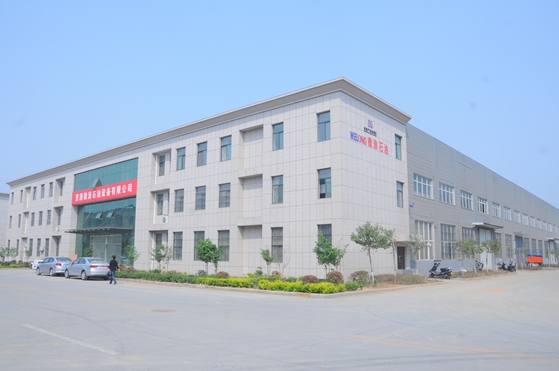
CHINA WELONG - 20+ years manufactuer in oilfield tools