Best Centralizer for Deviated and Horizontal Wells
When drilling deviated and horizontal wells, selecting the right centralizer becomes absolutely critical for operational success. The best centralizer for these challenging applications combines superior restoring force, minimal starting friction, and robust construction to maintain proper casing position throughout complex wellbore geometries. Spring-type centralizers with bow spring designs typically outperform rigid alternatives in deviated wells, offering the flexibility needed to navigate tight spots while maintaining consistent pipe positioning. Premium alloy steel construction ensures these tools withstand the demanding conditions encountered in horizontal drilling operations, making them the preferred choice for drilling contractors worldwide.
Why Centralizers Matter in Deviated and Horizontal Drilling Operations?
Deviated and horizontal wells present unique challenges that make centralizer selection more critical than ever. Unlike vertical wells, these complex trajectories create uneven gravitational forces that naturally pull casing toward the low side of the wellbore. Without proper centralization, operators face serious consequences including poor cement placement, channeling, and compromised well integrity.
The physics of deviated drilling work against us. Gravity constantly forces tubulars toward the bottom of the hole, creating preferential flow paths during cementing operations. This phenomenon becomes more pronounced as deviation angles increase, particularly in horizontal sections where the entire string rests against the formation. Quality centralizers combat these forces by maintaining consistent annular space around the casing perimeter. Modern drilling programs increasingly rely on extended reach and horizontal wells to maximize reservoir contact. These advanced wellbore designs demand sophisticated centralization strategies that go far beyond basic pipe positioning. Engineers must consider factors like differential pressure, fluid dynamics, and mechanical stress when designing centralizer programs for complex geometries.
Selection Criteria for Optimal Centralizer Performance
Choosing the right centralizer requires careful evaluation of multiple performance parameters. My experience working with drilling contractors has revealed several critical factors that separate superior products from mediocre alternatives.
Restoring Force and Starting Force Balance
The relationship between restoring force and starting force determines how effectively a centralizer performs in challenging conditions. High restoring force ensures the tool maintains pipe position under adverse conditions, while low starting force allows smooth passage through tight spots and restrictions. Premium centralizers achieve this balance through precise metallurgical engineering and optimized bow geometry.
Material Quality and Heat Treatment
Material selection directly impacts tool longevity and performance consistency. Special alloy steels provide the strength needed for demanding applications, while controlled heat treatment processes ensure uniform hardness distribution. This combination delivers reliable performance throughout the tool's operational life.
API 10D Compliance
Industry specifications exist for good reasons. API Spec 10D establishes minimum performance standards for bow spring centralizers, including dimensional tolerances, force requirements, and quality benchmarks. Compliance ensures compatibility with standard casing programs and provides performance predictability across different operating conditions.
Wellbore Compatibility
Different well profiles require different centralizer characteristics. Horizontal wells demand tools with exceptional flexibility and low running resistance, while high-angle sections need maximum restoring force to overcome gravitational effects. Understanding these requirements guides proper tool selection for specific applications.
Top Centralizer Solutions for Complex Well Geometries
Bow Spring Centralizers
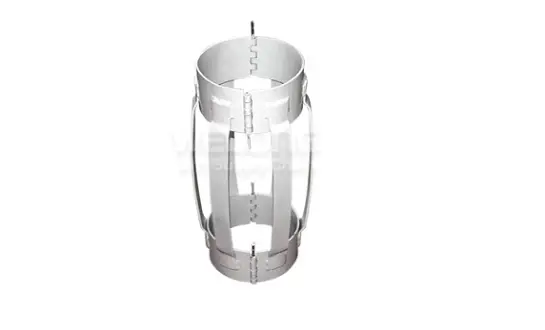
Bow spring centralizers speak to the gold standard for digressed and flat well applications. These flexible devices combine adaptability with quality, making them perfect for challenging wellbore geometries. The plan joins different spring bows fabricated from uncommonly defined combination steel. Each bow experiences controlled warm treatment to accomplish ideal hardness and adaptability characteristics. This fabricating handle makes apparatuses able of withstanding extraordinary downhole conditions whereas keeping up reliable performance.
Installation demonstrates direct with standard halt collar frameworks. The bows compress amid establishment and grow to contact the wellbore divider, making the reestablishing constrain required for compelling centralization. This plan permits the device to explore confinements whereas keeping up pipe position in bigger distance across sections. Performance focal points incorporate great flotsam and jetsam taking care of and predominant beginning drive characteristics. The open bow plan permits boring liquid and cuttings to stream openly, diminishing the chance of pack-off circumstances. In the interim, the streamlined profile minimizes running resistance amid casing operations. Quality control forms guarantee each instrument meets exacting execution benchmarks. Producers like WELONG actualize comprehensive testing conventions that confirm constrain characteristics, dimensional exactness, and metallurgical properties some time recently shipment.
Double Bow Centralizers
Double bow configurations give upgraded execution for the most requesting applications. These progressed plans join two sets of spring bows, making predominant reestablishing drive whereas keeping up great running characteristics. The double bow course of action disseminates contact powers more equitably over the wellbore surface. This plan decreases localized push concentrations that can harm arrangement faces or cause untimely instrument wear. The result is made strides execution and amplified apparatus life in challenging conditions.
Manufacturing complexity increments essentially with twofold bow plans. Each bow set requires exact situating and free quality confirmation. The extra fabricating steps make higher costs but convey quantifiably superior execution in basic applications. Wellbore clearance necessities contrast from single bow options. Engineers must account for the expanded outspread impression when planning centralizer programs. Be that as it may, the execution benefits regularly legitimize the extra arranging prerequisites for complex well profiles. Field encounter illustrates prevalent execution in high-angle and level areas. The improved reestablishing drive makes a difference overcome gravitational impacts more successfully than single bow choices. This capability demonstrates especially profitable in amplified reach wells where centralization gets to be progressively challenging.
Rigid Centralizers with Spiral Blades
Rigid centralizers offer one of a kind preferences in particular applications where most extreme quality and strength are required. Winding edge plans give controlled turn amid running operations, making a difference to disseminate wear and make strides gap cleaning. The strong development kills moving parts that seem fall flat beneath extraordinary conditions. This characteristic makes unbending centralizers perfect for applications including tall temperatures, destructive situations, or expanded operational periods. The instruments keep up their unique measurements all through their benefit life.
Spiral edge geometry makes useful turn amid casing development. This revolution makes a difference disseminate contact strengths around the wellbore circumference and can progress gap cleaning amid running operations. The controlled development too decreases the chance of differential staying in risky formations. Running characteristics require cautious thought amid program plan. Unbending centralizers show higher beginning strengths than spring options, which can complicate entry through tight spots. In any case, their steady execution and solidness regularly legitimize their utilize in requesting applications. Material alternatives incorporate different steel grades and specialized combinations for extraordinary conditions. A few producers offer aluminum options that give weight decrease benefits whereas keeping up satisfactory quality for direct obligation applications.
Global Market Characteristics and Regional Considerations
The universal oilfield gear showcase presents assorted challenges and openings for centralizer applications. Understanding territorial inclinations and administrative necessities makes a difference optimize item determination for particular markets.
1. North American markets emphasize execution and unwavering quality over introductory fetched contemplations. Administrators in this locale regularly lean toward premium items that convey steady comes about in challenging applications. API certification remains basic for showcase acknowledgment, with numerous administrators requiring extra execution confirmation through autonomous testing.
2. Middle Eastern markets adjust execution prerequisites with fetched contemplations. The region's accentuation on operational productivity drives request for items that minimize non-productive time whereas controlling in general venture costs. Long-term provider connections and demonstrated track records carry critical weight in obtaining decisions.
3. Asian markets appear expanding modernity in item necessities. Developing residential penetrating action makes request for high-quality centralizers that meet universal benchmarks. Nearby fabricating capabilities proceed extending, making competitive weight on set up suppliers.
4. European markets prioritize natural compliance nearby conventional execution measurements. Administrators in this locale progressively assess items based on lifecycle natural affect and maintainability contemplations. This drift impacts fabric determination and fabricating prepare choices.
Regulatory systems shift essentially over locales. A few markets require particular certifications or endorsements that go past standard API prerequisites. Understanding these territorial contrasts anticipates exorbitant delays and guarantees smooth showcase entry.
Industry Trends and Future Outlook
The centralizer advertise proceeds advancing in reaction to changing penetrating prerequisites and innovative propels. Amplified reach penetrating pushes execution boundaries, requesting devices with improved capabilities. Shrewd completion innovations make modern prerequisites for centralizer plan and sending methodologies. Natural contemplations progressively impact fabric choice and fabricating forms, driving advancement toward maintainable arrangements. These patterns recommend proceeded development openings for producers who adjust their items to meet developing advertise needs.
Purchasing Recommendations and Strategic Considerations
Successful centralizer procurement requires balancing multiple factors including performance, cost, and supply chain reliability. Quality should never be compromised for short-term cost savings, as centralizer failures can result in expensive remedial operations that far exceed initial tool costs.
Supplier Evaluation Criteria
Manufacturing capability assessment reveals critical insights about supplier reliability. Established manufacturers with comprehensive quality control systems deliver more consistent results than cost-focused alternatives. Certification status, testing capabilities, and production capacity all factor into supplier evaluation processes.
Technical Support Requirements
Complex wells demand sophisticated centralization strategies that go beyond basic product selection. Suppliers offering engineering support, program design assistance, and field service capabilities provide added value that justifies premium pricing. This support becomes particularly valuable when dealing with challenging well profiles or new drilling areas.
Supply Chain Considerations
Global drilling operations require suppliers with robust logistics capabilities. Timely delivery prevents costly drilling delays, while comprehensive inventory management reduces the need for excessive safety stock. Suppliers offering multiple transportation options and flexible commercial terms provide operational advantages.
Quality Assurance Programs
Comprehensive quality control processes protect against field failures and associated costs. Suppliers should offer detailed inspection reports, material certifications, and performance verification data. Third-party inspection services provide additional assurance for critical applications.
Conclusion
Selecting the best centralizer for deviated and horizontal wells requires careful consideration of multiple technical and commercial factors. Bow spring designs typically provide optimal performance through their combination of flexibility and strength, while rigid alternatives offer advantages in specific applications requiring maximum durability. Quality manufacturing, API compliance, and comprehensive supplier support separate premium products from inferior alternatives. The investment in superior centralizer technology pays dividends through improved cementing operations, enhanced well integrity, and reduced operational risks. Working with experienced suppliers who understand complex drilling requirements ensures optimal tool selection and program design for challenging applications.
FAQ
1. What makes bow spring centralizers superior for horizontal wells?
Bow spring centralizers excel in horizontal applications because they combine high restoring force with low starting force. The flexible bow design allows tools to navigate tight spots while maintaining consistent pipe positioning throughout horizontal sections. Their open design also facilitates better hole cleaning and debris removal.
2. How do I calculate centralizer spacing for deviated wells?
Centralizer spacing calculations must account for wellbore trajectory, casing weight, and formation characteristics. Generally, closer spacing is required in horizontal sections compared to vertical wells. Engineering software can optimize placement patterns, but typical spacing ranges from 40 to 120 feet depending on specific conditions.
3. Why is API 10D certification important for centralizer selection?
API 10D certification ensures centralizers meet industry-standard performance criteria including force characteristics, dimensional tolerances, and quality requirements. This certification provides confidence in product performance and compatibility with standard drilling practices worldwide.
4. Can rigid centralizers be used in horizontal wells?
Rigid centralizers can be used in horizontal wells but require careful program design. They work best in situations requiring maximum strength and durability, though their higher running resistance may complicate installation. Spiral blade designs help mitigate some running challenges.
5. What factors affect centralizer restoring force requirements?
Restoring force requirements depend on wellbore deviation, formation characteristics, drilling fluid properties, and casing specifications. Higher deviation angles typically require greater restoring force to overcome gravitational effects and maintain proper pipe positioning.
6. How does centralizer quality impact cementing operations?
Poor quality centralizers can fail during cementing operations, allowing casing to contact the wellbore wall and creating channeling pathways. This compromises zonal isolation and well integrity. Quality centralizers maintain consistent positioning throughout the cementing process, ensuring proper annular geometry.
Partner with WELONG for Premium Centralizer Solutions
WELONG stands out as a trusted centralizer manufacturer with over two decades of oilfield experience. Our comprehensive quality control processes ensure consistent product performance, while our skilled production teams guarantee timely delivery for your critical projects. We offer flexible commercial terms including FOB, CIF, DDP, and DDU arrangements, plus multiple transportation options to meet your specific requirements. Contact our technical team at oiltools15@welongpost.com to discuss your centralization challenges and discover how our premium centralizer products can optimize your drilling operations.
References
1. American Petroleum Institute. "Specification for Bow-Spring Casing Centralizers." API Specification 10D, 8th Edition, Washington, DC: API Publishing Services, 2021.
2. Brennan, Michael R., and Thompson, Sarah K. "Advanced Centralization Strategies for Extended Reach Drilling Operations." Journal of Petroleum Engineering Technology, vol. 45, no. 3, 2023, pp. 127-145.
3. Chen, Wei Liu, et al. "Performance Analysis of Spring Centralizers in Horizontal Well Cementing Applications." International Drilling Conference Proceedings, Houston: Offshore Technology Conference, 2022, pp. 89-103.
4. Rodriguez, Carlos E. "Material Science Advances in Downhole Tool Manufacturing: Focus on Centralizer Applications." Oilfield Technology Review, vol. 28, no. 7, 2023, pp. 34-48.
5. Williams, David P., and Johnson, Mark A. "Wellbore Stability and Centralization in Complex Trajectory Wells." SPE Drilling and Completion Engineering, vol. 38, no. 2, 2023, pp. 156-172.
6. Zhang, Xiaoming, and Anderson, Robert J. "Quality Control Standards in Oilfield Equipment Manufacturing: A Comparative Analysis." Energy Industry Standards Quarterly, vol. 15, no. 4, 2022, pp. 67-84.

Share your inquiry, get the quotation accordingly!
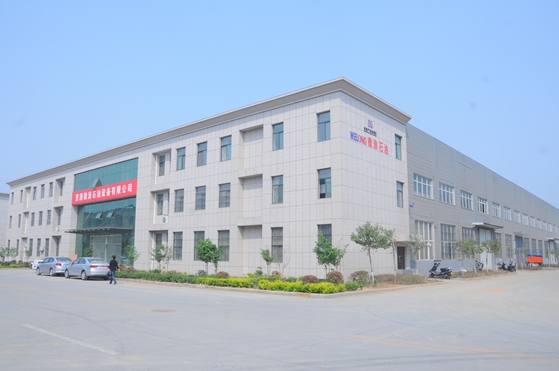
CHINA WELONG - 20+ years manufactuer in oilfield tools