When drilling operations run into blocked pipe problems, professional engineers always suggest high-quality die collar systems as the best way to fish from the outside. A die collar that is constructed correctly fits around the outer wall of tubular things like oil tubing and drill pipe. This makes it necessary for fishing cylindrical objects that you can't get to from the inside or when the inside pathways are fully closed. The greatest die collars are made of high-quality metals, are made with accuracy, and have strong thread connections. This makes sure that pipe recovery operations go smoothly while keeping downhole dangers and operating costs as low as possible.

Learning about Die Collar Technology and How to Use It
Die collar fishing tools are a unique kind of external fishing gear that is designed to grab and pull up jammed downhole tubulars. Die collar systems function by clamping onto the outside of the target pipe, whereas internal fishing techniques use taper taps or other inside-gripping devices.
The basic idea behind the design is to use segmented gripping portions that extend outward when actuated, making a strong mechanical connection with the trapped pipe's outside diameter. This external grasping method is very useful when internal fishing methods aren't accessible because to debris, collapsed tubing, or fully blocked bore conditions.
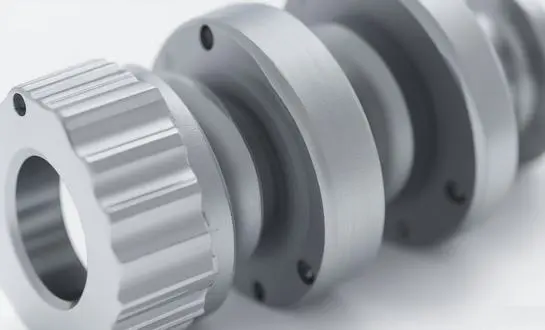
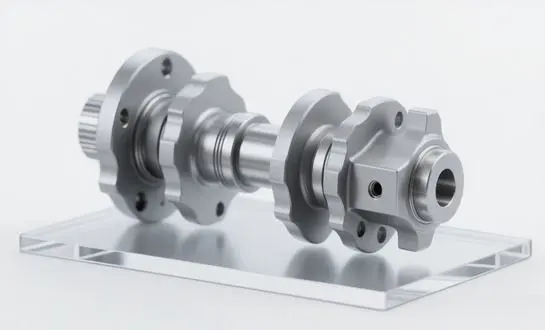
Modern die collar assemblies are made of hardened steel and have gripping surfaces that have been properly machined. The tool works best when it is the right size, has the right threads, and is made with high-quality tolerances. Engineers need to think about things like the material of the pipe, the state of the stuck pipe, and the expected pulling forces when choosing the right die collar parameters.
There are many gripping segments on advanced die collar designs that spread the weight uniformly along the pipe's perimeter. This way of spreading the load out reduces stress points that might damage the target pipe or cause tools to break during recovery operations. The most reliable systems additionally include visual cues that show that the extraction forces are properly engaged before they are applied.
Important Factors for Choosing the Best Performance
Choosing the best die collar needs careful consideration of a number of technical factors that have a direct influence on how well you fish. To make sure that downhole operations go as well as possible, you need to know these things.
Compatibility of Pipe Diameter
When picking a die collar, the most important thing to think about is whether it will fit the pipe's diameter. Even little differences in diameter might make it hard to hold on to tools or make them slide under load, which can have a big impact on the success of fishing activities. For optimal engagement, it's important that the die collar fits tightly with the target pipe.
Material Compatibility
The die collar and the target pipe must be made of materials that work well together to avoid galling or surface damage during both engagement and extraction. Engineers usually choose tool steel compositions that are hard enough to hold on to but not so hard that they might scratch or damage costly tubulars. Picking the correct materials makes sure that things last longer and lowers the chance of harm.
Strength of the Thread Connection
Thread connection strength is another important element, especially when dealing with a pipe that is quite stuck and needs a lot of power to get it out. The fishing string connection must be built to handle more weight than expected, with enough safety margins to keep the threads from breaking. These kinds of failures might make the initial blocked pipe issue worse, therefore it's important to thoroughly check the strength of the connections.
Reliability of the Activation Mechanism
When choosing an activation mechanism, you should pay close attention to how reliable it is. In tough downhole conditions where temperature, pressure, and debris may get in the way of tool performance, simple, sturdy activation systems usually work better than more complicated ones. Spring-loaded designs frequently work better than hydraulically triggered ones, therefore they are often the best option.
Resistance to Corrosion
Corrosion resistance is very critical in wells that have high levels of hydrogen sulfide, carbon dioxide, or chloride. In these harsh conditions, it may be essential to use specific coatings or alloy compositions to keep tools from breaking during long fishing trips. Choosing tools that are resistant to rust helps make sure that they will work for a long time and lowers the chance of equipment failure.
Manufacturing Quality Standards and Specifications
To make premium die collars, you have to follow strict quality control rules that make sure each batch of production works the same way. These rules are necessary to make sure that the tools we provide are dependable and can handle the tough conditions of downhole work.
Processes for heat treatment
Heat treatment techniques are very important for getting the exact hardness levels you want while keeping the material robust. This balance is important to avoid brittle breakdowns when there are sudden loads, as might happen when fishing. Heat treatment done correctly makes die collars last longer and work better.
Accuracy of Size
Tolerance standards are usually measured in thousandths of an inch, and dimensional precision has a direct effect on how well something can be gripped. Advanced CNC machining lets producers get the accuracy they need for pipes to fit together properly. This level of precision also makes it easier to switch out parts of tools, which speeds up repairs and replacements.
Protocols for Non-Destructive Testing
Non-destructive testing (NDT) methods like magnetic particle inspection and ultrasonic examination are very important for finding internal flaws that might affect how well a tool works. These quality control steps are especially crucial for die collar applications, where tool failure may make fishing more difficult and cost more to run.
Tracking Materials
Material traceability makes ensuring that all steel parts have the right chemical and mechanical qualities. Engineers may use certified mill test results to check that the tools are appropriate for certain well conditions and loading needs. This capacity to track things back is very important for keeping quality standards high across the whole production process.
Assembly Procedures and Checking Performance
Assembly methods must follow written rules that make that the parts are lined up correctly, the right amount of torque is used, and the assembly works as it should. Before shipping, each finished die collar should be tested for performance to make sure it can grasp and activate reliably. This careful way of putting things together and testing them makes sure that only high-quality items get it to the field, which increases the chances of catching fish.
Installation Best Practices and Operational Considerations
- Before successfully deploying the die collar, the wellbore must be properly prepared and the length and thickness of the stuck pipe must be accurately measured. Engineers need to make sure that there is enough space around the goal pipe so that the tools can be put in the right spot and used correctly.
- During controlled fall, impact forces should be lowered so that the die collar isn't damaged and the stuck pipe doesn't go deeper into the hole. Weight signs help people who are drilling know when the tool hits the target pipe. This lets them get the tool in the right spot before they start it.
- Activation methods change based on the collar's design, but most setups need to have certain amounts of weight or spinning patterns used on them to make the holding parts work. Following the manufacturer's instructions for activation makes the tool work better and lowers the risk of engaging too early or not fully.
- During extraction, the load should be slowly increased so that the die collar grip can settle. Once the grip is stable, the maximum pulling force can be applied. If a tool slips or is damaged during fishing, it could be because of a sudden change in load.
- Monitoring systems should keep an eye on the loads, pipe movement, and any strange torque needs that could show that tools are broken or conditions downhole are changing. Engineers use real-time data to make smart choices about whether to keep extracting resources or change their fishing methods.
Common Problems and How to Fix Them
Die collar fishing businesses sometimes run into problems that need to be quickly noticed and fixed.
- One common issue with tools not being used properly is that they aren't fully engaged, which often happens because of too little weight or dirt getting in the way.
- If a tool slips during extraction, it usually means that the grip isn't strong enough or the sizes aren't right. If slippage keeps happening, engineers may need to raise the weight they're using, make sure the tools are the right size, or try other fishing methods.
- It may mean that the die collar has engaged parts of pipe that are broken or misshapen when excessive extraction forces are used. Slowly adding more force while turning the pipe may help get the tool past the places that are broken without making things worse.
- If fishing activities go on for several days or if the environment downhole is very rough, tools can wear out too quickly. Regularly checking tools and replacing parts that are worn out helps keep them working well during long fishing trips.
- Sometimes, thread damage happens when you work in places that are acidic or with too much weight on them. To avoid problems with threads during important fishing operations, use the right amount of thread glue and follow the suggested pressure specs.
Conclusion
Effective die collar selection requires careful consideration of technical specifications, manufacturing quality, and operational requirements. The best die collar systems combine precision engineering with robust construction to deliver reliable performance in challenging downhole environments. Success depends on proper tool selection, adherence to installation best practices, and partnering with experienced manufacturers who understand the critical nature of fishing operations. WELONG's extensive experience and commitment to quality make us an ideal partner for your die collar requirements, ensuring you have access to the reliable fishing tools necessary for successful pipe recovery operations.
Partner with WELONG for Premium Die Collar Solutions
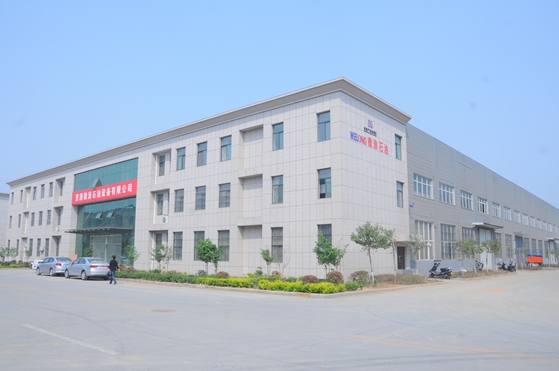
Over twenty years, WELONG has provided dependable fishing equipment to the worldwide oil and gas sector as a die collar manufacturer. Our quality control methods ensure every die collar fulfills performance criteria, and our expert manufacturing teams assure prompt delivery for your important fishing operations. Our die collar product range uses precision-machined components made from certified steel alloys for consistent gripping in various well conditions. ISO 9001:2015 and API 7-1 certifications show our quality management and industry standard compliance. We ship by sea, air, and rail with FOB, CIF, DDP, and DDU terms. We do in-process and final quality inspections and provide SGS and DNV third-party certification.
Contact our engineering team to discuss your specific die collar requirements and receive expert recommendations tailored to your fishing challenges. Reach out to us and contact us at oiltools15@welongpost.com to explore how our proven fishing solutions can enhance your operational success rates.
References
- Mitchell, R.F. and Miska, S.Z. (2011). "Fundamentals of Drilling Engineering: SPE Textbook Series." Society of Petroleum Engineers, Richardson, Texas.
- Bourgoyne, A.T., Millheim, K.K., Chenevert, M.E., and Young, F.S. (2019). "Applied Drilling Engineering: SPE Textbook Series." Society of Petroleum Engineers, Richardson, Texas.
- Wilson, G.J. and Samuel, R. (2007). "Drilling Engineering: Principles and Practice." Petroleum Engineering Handbook, Society of Petroleum Engineers.
- American Petroleum Institute. (2013). "API Specification 7-1: Specification for Rotary Drill Stem Elements." API Publishing Services, Washington, D.C.
- Hossain, M.E. and Al-Majed, A.A. (2015). "Fundamentals of Sustainable Drilling Engineering." Scrivener Publishing, Beverly, Massachusetts.
- Rahman, M.K. and Mahmoud, O. (2020). "Advanced Drilling and Well Technology: Comprehensive Guide to Modern Practices." Gulf Professional Publishing, Houston, Texas.