Horizontal well drilling may be successful or expensive depending on the float shoe. In extended reach drilling, these downhole instruments facilitate casing installation and cementing. Float shoes with dependable check valves guide casing strings over difficult horizontal parts without fluid backflow. Horizontal wellbores need float shoes with improved sealing, pressure management, and durability to handle lateral drilling forces. Drilling contractors now use innovative product designs that interface smoothly with completion procedures and ensure wellbore integrity.

Why Float Shoes Are Critical for Horizontal Well Success?
Horizontal drilling brings distinct obstacles that vertical drilling seldom does. Proper equipment selection is crucial because prolonged lateral sections increase casing-wellbore wall friction. Float shoes serve as the basis of effective casing operations, providing the required guiding and sealing functions that keep drilling projects on schedule.
Horizontal drilling casing strings endure far larger drag forces than vertical wells. This higher resistance might lead to premature equipment failure if poor float shoes are employed. Quality items furnished with precision-engineered check valves ensure pressure control while permitting regulated circulation of drilling fluids through the system.
The cementing procedure in horizontal wells also needs good float shoe performance. These technologies must endure the unusual flow dynamics caused by gravity segregation effects in near-horizontal wellbores. Without adequate product selection, cement application might become uneven, resulting to zonal isolation failures and possible wellbore integrity difficulties.
Selection Criteria: Key Factors for Choosing the Best Float Shoes
Selecting optimal float shoes for horizontal wells requires careful evaluation of multiple technical and operational factors. Our analysis focuses on five critical criteria that directly impact drilling performance and project success.
Pressure Rating and Temperature Resistance: Horizontal wells often encounter varying pressure and temperature conditions along the wellbore path. Float shoes must maintain structural integrity and sealing performance across these fluctuating environments.
Drillability and Material Composition: The internal components of the products must drill out efficiently when well deepening is required. Thermoplastic and cement materials should fragment cleanly without damaging drilling equipment.
Check Valve Reliability: The backpressure valve mechanism represents the heart of the product functionality. Reliable check valves prevent cement contamination while maintaining circulation capabilities throughout installation.
Casing Compatibility: Float shoes must match specific casing specifications including diameter, thread connections, and grade requirements while accommodating various completion designs.
Cost-Effectiveness: Balancing performance requirements with budget constraints ensures optimal value while maintaining operational safety and efficiency standards.
Top 5 Float Shoe Recommendations for Horizontal Wells
1. Heavy-Duty Steel Body Float Shoe with Reinforced Check Valve
This robust float shoe design features a solid steel construction that withstands the demanding conditions of horizontal drilling operations. The reinforced check valve system incorporates dual-seal technology that prevents fluid migration while maintaining reliable circulation control.
Key Advantages:
- Enhanced durability through premium steel alloy construction
- Dual-seal check valve prevents backflow contamination
- Rounded nose design facilitates smooth casing installation
- Compatible with standard API casing connections
- Thermoplastic internal components ensure clean drill-out
- Temperature rating up to 350°F (175°C)
- Pressure rating exceeds 10,000 psi working pressure
The steel body ensures strong resistance to mechanical damage in deviated or horizontal wellbores, while its rounded bottom helps reduce hang-ups. Its threaded connections allow easy installation, and the internal taper improves cement flow. The check valve maintains stable pressure during cementing operations.
2. Composite Material Float Shoe with Advanced Sealing Technology
Engineered with cutting-edge composite materials, this product offers superior chemical resistance and enhanced performance in corrosive downhole environments. The advanced sealing system incorporates multiple barrier technologies that ensure long-term wellbore integrity.
Key Advantages:
- Composite construction resists corrosive wellbore fluids
- Advanced elastomer seals maintain integrity under pressure
- Lightweight design reduces casing string weight
- Enhanced drillability reduces mill-out time
- Optimized flow geometry improves cementing efficiency
- Extended temperature range up to 400°F (204°C)
- Reduced environmental impact through recyclable materials
The composite construction reduces casing string weight, improving handling and lowering installation stress in extended-reach wells. Its strong chemical resistance performs well in sour gas or aggressive fluids, while advanced sealing technology maintains reliability in H₂S and CO₂ environments.
3. Differential Pressure Float Shoe with Bypass Technology
This innovative float shoe incorporates differential pressure-activated bypass systems that automatically adjust to changing downhole conditions. The smart valve technology optimizes circulation while maintaining pressure control throughout critical cementing operations.
Key Advantages:
- Automatic pressure compensation reduces operational complexity
- Bypass technology enables controlled circulation during installation
- Reduced risk of formation damage through pressure management
- Enhanced cement displacement efficiency
- Self-cleaning valve mechanism prevents debris accumulation
- Modular design allows field customization
- Real-time pressure monitoring capabilities
The differential pressure activation system responds automatically to changing wellbore conditions without requiring surface intervention. This autonomous operation reduces the risk of human error while optimizing cementing performance in challenging horizontal sections.
Bypass technology enables controlled partial circulation during casing installation, which helps maintain wellbore stability while preventing excessive pressure buildup. This feature proves particularly valuable when drilling through unstable formations or narrow pressure windows.
4. High-Temperature Resistant Float Shoe for Deep Horizontal Wells
Specifically engineered for deep horizontal applications, this float shoe withstands extreme temperature and pressure conditions while maintaining reliable performance. The specialized metallurgy and seal materials ensure long-term integrity in demanding environments.
Key Advantages:
- Extreme temperature rating up to 500°F (260°C)
- Specialized metallurgy resists thermal stress
- High-performance seals maintain effectiveness under heat
- Enhanced pressure rating for deep well applications
- Thermal shock resistance prevents failure during operations
- Extended service life reduces replacement costs
- Proven reliability in geothermal applications
Deep horizontal wells present unique thermal challenges that can cause premature failure of standard float shoes. This specialized design incorporates advanced metallurgy that maintains structural integrity even when subjected to rapid temperature changes during drilling operations.
The high-performance sealing materials resist thermal degradation while maintaining flexibility across extreme temperature ranges. This capability ensures reliable pressure control even in deep formations where temperatures exceed conventional equipment limitations.
5. Economical Standard Float Shoe for Cost-Sensitive Projects
Designed to meet budget-conscious drilling programs without compromising essential functionality, this float shoe provides reliable performance at competitive pricing. The streamlined design focuses on core functions while maintaining quality standards.
Key Advantages:
- Competitive pricing reduces overall project costs
- Simplified design minimizes potential failure points
- Standard materials ensure wide availability
- Proven reliability in conventional applications
- Easy installation reduces rig time requirements
- Compatible with existing inventory systems
- Suitable for shallow to medium depth horizontal wells
Cost control represents a critical factor in modern drilling operations, particularly for smaller operators or development projects with tight economic margins. This economical product provides essential functionality while maintaining acceptable performance standards.
The simplified design philosophy reduces manufacturing complexity while focusing on proven technologies that deliver consistent results. Standard material specifications ensure replacement parts remain readily available through established supply chains.
Global Market Considerations for Float Shoe Selection
Regional Regulatory Influences
North American markets emphasize performance, environmental compliance, and wellbore integrity, driving demand for premium float shoes with advanced sealing technologies that support strict regulatory expectations and operational reliability under varied drilling conditions.
Middle Eastern operations prioritize long-term equipment reliability and high-temperature tolerance due to harsh climates and remote locations, requiring float shoes engineered for durability, stable performance, and extended service life in demanding environments.
Market-Driven Selection Priorities
Asian markets balance cost control and performance needs, focusing on float shoes that provide dependable functionality while supporting competitive project economics and increasing offshore activity requiring corrosion-resistant, high-pressure-rated materials.
European operations highlight environmental protection and rigorous safety standards, selecting float shoes that meet strict regulatory requirements, support sustainable drilling practices, and align with material specifications designed for compliant well construction.
Purchasing Recommendations and Key Considerations
Procurement Strategy Considerations
Successful procurement balances total cost of ownership with operational reliability, especially in horizontal wells where failures create costly remedial work. Supplier reliability and consistent delivery performance help maintain drilling schedules and prevent unnecessary delays.
Technical and Compliance Requirements
Vendors offering engineering support and field service add essential value beyond the equipment. Standardizing float shoe designs simplifies inventory management, while compliance with API standards ensures regulatory alignment and quality assurance.
Industry Trends and Summary
The float shoe industry continues evolving to meet the demanding requirements of modern horizontal drilling operations. Advanced materials science drives development of enhanced temperature and chemical resistance capabilities. Smart technologies integrate monitoring systems that provide real-time performance feedback. Environmental considerations influence material selection and manufacturing processes. These trends collectively point toward more reliable, efficient, and environmentally responsible product solutions that support the industry's ongoing technological advancement.
Frequently Asked Questions
Q1: How do I determine the correct float shoe size for my horizontal well casing program?
A: Float shoe sizing must match your casing outer diameter and thread specifications exactly. Measure the casing OD and verify thread type (API or premium connections). Consider the wellbore diameter to ensure adequate clearance during installation. Most float shoes follow standard API sizing conventions, but verify compatibility with your specific casing grade and manufacturer specifications.
Q2: What temperature rating should I specify for float shoes in horizontal wells?
A: Temperature rating depends on your maximum anticipated bottomhole temperature plus a safety margin. Add 50-100°F to your expected formation temperature to account for cementing operations and thermal transients. Most standard float shoes handle 250°F, while specialized designs accommodate 500°F or higher for deep horizontal applications.
Q3: Can float shoes be reused in multiple wells to reduce costs?
A: Float shoes are typically single-use items designed for one installation. The check valve mechanisms and sealing components may suffer damage during casing installation that compromises their reliability. Attempting reuse risks equipment failure during critical cementing operations, potentially causing expensive wellbore problems that exceed any cost savings from equipment reuse.
Partner with WELONG for Superior Float Shoe Solutions
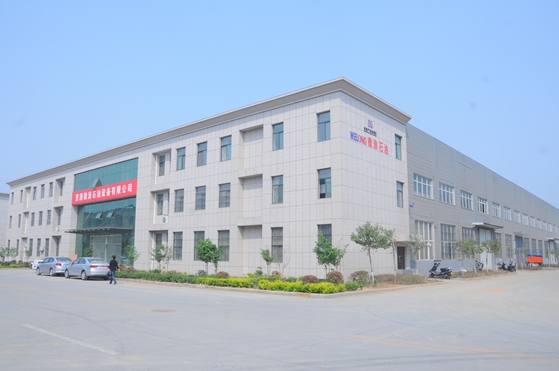
WELONG stands ready to support your horizontal drilling projects with premium float shoe solutions engineered for exceptional performance. Our ISO 9001:2015 and API 7-1 certified manufacturing processes ensure every product meets the demanding requirements of modern drilling operations. As a leading float shoe supplier with over two decades of oilfield experience, we understand the critical role these components play in drilling success.
Ready to enhance your drilling operations with reliable float shoe technology? Contact us at oiltools15@welongpost.com to discuss your project requirements and discover how WELONG's advanced product solutions can improve your horizontal drilling success rates while controlling operational costs.