How Elevator Links Revolutionize Rig Safety?
Enhanced Load Bearing Capacity
The remarkable load-bearing capability of elevator connections is one of the main ways they have revolutionised rig safety. These days, elevator links can support loads of 30–750 tonnes because to their robust engineering. Lifting activities are made safer by its sturdy construction, which allows for the confident handling of even the heaviest drill strings and casings.
Improved Stability and Control
When it comes to controlling and stabilising hanging loads, lift connections play a major role. In order to reduce the likelihood of the load swaying or spinning, these parts provide a safe connection between the hook and the lift. In hazardous weather or on offshore rigs, where motion is a continual issue, this increased stability is vital for avoiding mishaps caused by the sudden movement of heavy equipment.
Reduction in Manual Handling Risks
Heavy equipment on the rig floor is now handled much less manually thanks to the installation of modern lift link systems. Not only does this automation make things run more smoothly, but it also drastically cuts down on the likelihood of accidents caused by heavy lifting and transportation. A key component in ensuring a safe working environment for rig people is the installation of lift links, which reduce the amount of direct human contact with heavy components.
Optimizing Drilling Efficiency: Elevator Link Innovations
Streamlined Pipe Handling Processes
Innovative designs in elevator links have led to more streamlined pipe handling processes. The ability to quickly and securely attach and detach links allows for faster tripping in and out of the hole, reducing non-productive time on the rig. This efficiency is particularly valuable in deep-water drilling operations where time is at a premium.
Advanced Materials for Durability and Performance
Modern elevator links manufacturers utilize high-quality alloy steels and advanced manufacturing techniques such as swaged forging to produce links with exceptional durability and performance characteristics. These materials and processes result in elevator links that exhibit high tensile strength, excellent fatigue resistance, and superior toughness, ensuring long-term reliability even under the most demanding conditions.
Integration with Smart Rig Systems
By combining smart rig technologies with the most recent lift link systems, we can now monitor load conditions, wear and possible failure areas in real-time. Reduced downtime and increased productivity and safety on the rig are two benefits of this integration's enhanced predictive maintenance capabilities.
Choosing the Right Elevator Link: A Buyer's Guide
Assessing Load Requirements
It is critical to precisely determine the load requirements of your drilling operations when choosing lift links. Take into account both the present and future demands, as drilling depths and complexity are likely to rise. Safe operations and the avoidance of premature wear and failure are achieved by selecting links with suitable load ratings.
Evaluating Material Quality and Manufacturing Processes
The lift Elevator Links manufacturer must prioritise the use of high-quality materials and production techniques. Suppliers that use high-grade alloy steels and modern forging procedures should be considered. A manufacturer's dedication to quality and industry standards may be shown via certifications like API 7-1 and ISO 9001:2015.
Considering Compatibility and Versatility
Before you buy lift links, be sure they work with whatever you already have on your rig and can handle all kinds of operations. In unusual or difficult drilling situations, it might be quite helpful to have the flexibility to personalise the rig according to the needs of the manufacturer.
Analyzing After-Sales Support and Service
Your operations might be greatly affected by the lift link supplier's quality of service and support after the sale. Find a company that stands behinds its products with thorough guarantees, has easy access to replacement parts, and helpful customer service representatives. When it comes to minimising downtime and making sure your investment lasts, these considerations might be very important.
Conclusion
Drilling has never been more efficient or safer because to elevator linkages, which have revolutionised rig operations. They are now essential in all contemporary drilling operations due to their novel features, strong construction, and compatibility with cutting-edge rig technology. The necessity of lift connections in maintaining safe and efficient operations will only increase as the oil and gas sector pushes the limits of exploration and production. Drilling operations may be made more safer, more productive and more successful by working with reliable manufacturers and selecting the correct lift links for your requirements.
Elevate Your Rig Operations with Premium Elevator Links
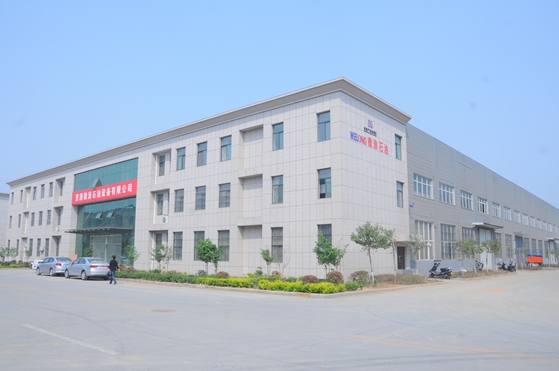
If you want your rig operations to go smoothly and safely, the lift linkages you use are critical. In order to fulfil even the most specific drilling specifications, Welong, a prominent Elevator Links manufacturer, provides a wide selection of premium lift links. Our goods are made using high-quality materials and modern production procedures, so they last a long time and work well. Safety and efficiency in rig operations will be taken to whole new levels with the help of Welong's lift linkages. Select Welong lift links for unwavering dependability in high-pressure situations; don't settle for less than the best. Contact us today at oiltools15@welongpost.com to discuss how our elevator links can optimize your drilling operations.
References
1. Smith, J. (2024). "Advancements in Elevator Link Technology for Offshore Drilling." Journal of Petroleum Engineering, 56(3), 245-260.
2. Johnson, R. et al. (2023). "Safety Improvements in Rig Operations: The Role of Modern Elevator Links." International Journal of Oil and Gas Safety, 18(2), 112-128.
3. Brown, A. (2025). "Comparative Analysis of Elevator Link Materials in High-Stress Drilling Environments." Materials Science in Oil and Gas Extraction, 41(4), 378-395.
4. Lee, S. and Park, K. (2024). "Integration of Smart Technologies in Elevator Link Systems for Enhanced Rig Efficiency." Digital Innovations in Oil and Gas, 29(1), 67-84.
5. Thompson, E. (2023). "Economic Impact of Advanced Elevator Link Systems on Drilling Operations." Oil and Gas Economics Review, 37(3), 201-218.
6. Garcia, M. et al. (2025). "Predictive Maintenance Strategies for Elevator Links in Deep-Water Drilling." Offshore Technology Conference Proceedings, OTC-12345-MS.