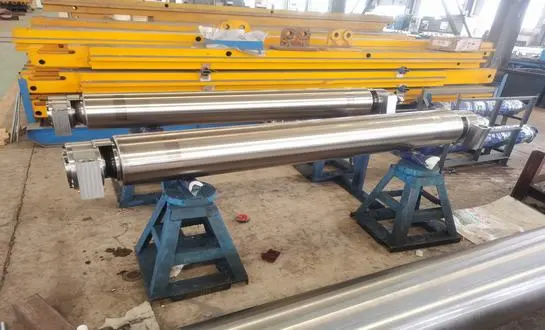
Innovative Techniques for Work Roll Longevity
Enhancing the service life of work rolls requires a combination of material technology, precision engineering, and effective maintenance practices. Enhancement of these parameters may lead to reduction in wear rates and preservation of product quality and improvement in the operating efficiency of the rolling mills for the producers.
Advanced Materials and Coatings
The best way to improve the longevity of the work roll is to pick the right work roll materials and use innovative surface technologies.
High performance materials like high speed steel (HSS) and indefinite chill (IC) iron are often utilised for demanding rolling applications, since they offer superior wear resistance and thermal stability compared to standard roll materials.
HSS work rolls are particularly suitable for applications where high wear resistance and stable performance are required under severe rolling conditions. The alloy composition helps retain hardness throughout operation and enhances resistance to surface degradation.
Besides the material choice, surface treatments and coatings may be used to enhance the performance of the rolls. Other technologies, such as carbide-based coatings, or ceramic surface treatments, may increase surface hardness and minimise wear for certain applications.
However, the efficiency of coatings is dependent on the rolling circumstances, processed materials and operational parameters. Therefore, the choice of material and coating should always be based on the actual needs of the rolling process.
Precision Cooling and Lubrication Systems
Effective cooling and lubricant management are critical aspects to sustain the work roll performance during rolling operations.
Hot rolling operations may cause thermal stress on the roll surface due to frequent heating and cooling cycles. Insufficient or inconsistent cooling may cause issues including thermal fatigue, surface cracks, and increased wear.
Advanced spray nozzle designs for the cooling systems enhance the uniformity of the roll surface temperature distribution. With an adequate regulation of cooling, the thermal stresses decrease and more stable rolling conditions may be obtained.
Lubrication systems are also vital for decreasing friction between the work roll and the material being processed. Technologies such as oil mist lubrication and minimal quantity lubrication (MQL) have the potential to minimise friction-related wear and improve rolling efficiency.
The cooling and lubricating system should be adequately developed and adapted to the individual characteristics of the mill, such as rolling speed, material type and production demands.
Predictive Maintenance and Condition Monitoring
Traditional maintenance approaches are usually based on set timetables or visual checks, which might cause needless roll changes or unforeseen failures. Predictive maintenance offers a more efficient alternative with the use of monitoring technology and data analysis to assess real roll conditions.
Manufacturers may use operational data such as roll temperature, vibration levels and rolling pressures to detect early indicators of wear or possible issues before they impact production.
Operators can make better judgements about: condition monitoring systems can provide operators with better decisions about:
- Roll inspection time
- maintenance scheduling
- Schedules for roll changes
- Changes in production
This method reduces unnecessary downtime and enhances the roll utilisation while ensuring steady product quality throughout the rolling process.
Balancing Roll Life and Production Efficiency
While extending the service life of work rolls is a worthy aim for rolling mills, it should not be achieved at the price of production efficiency or product quality. To achieve the correct balance, producers need to take into account operational circumstances, production schedules, maintenance methods and roll performance throughout the rolling process.
A good plan helps you make the most use of work hours, while keeping the production output consistent and reducing needless downtime.
Optimizing Rolling Schedules
Useful rolling schedule development is a useful approach for controlling work roll wear and improving production performance.
Work roll surfaces experience varied stress levels depending on the goods and materials used. By properly sequencing manufacturing, uneven wear may be reduced and roll utilisation improved.
For example, optimisation of the sequence of rolled products, adjustment of production intervals and rolling conditions may assist to spread the surface wear of the roll more uniformly.
A well constructed rolling timetable should take into account:
- Product specification
- Material properties
- Temperature while rolling
- Predicted patterns of roll wear
- Required surface quality
Better production planning allows the producers to increase the working times of the work rolls, while preserving the quality of the output.
Adaptive Process Control
Adaptive process control systems allow for real-time modifications during rolling operations, which is another way to improve work roll performance.
These systems manage the working circumstances and modify the main parameters such as rolling force, speed and cooling intensity according to the current needs of the production.
Adaptive control helps to decrease the unneeded stress on work rolls and enables more stable operation by reacting to variations in the rolling process.
Advantages of adaptive process control are:
- Better product consistency
- less wear under the roll
- Better process stability
- Better use of work-roll capacity
As rolling mills become more automated, intelligent control technology will continue to enable more efficient roll management techniques.
Roll Change Optimization
Good management of roll changes is vital to achieving maximum production efficiency and work roll utilisation.
Changing rolls too early may result in higher maintenance costs and a shorter usable service life for the roll. However, waiting too long to replace a roll might result in poor surface quality, more faults, and unplanned shutdowns.
A good plan for roll change should consider:
- Current roll status
- Product quality requirements
- Production Objectives
- Times of service
Condition monitoring data may be used with production planning to help producers make more suitable decisions on the scheduling of roll changes. This method assists in reducing needless down time and at the same time ensures that work rolls are within acceptable performance limits.
Case Study: Doubling Roll Life in Steel Mills
The improvement of the work roll service life needs the complex strategy including appropriate materials, optimised working conditions and effective maintenance techniques.
Accelerated wear, thermal stress and frequent roll changes in steel mill operations may impact production efficiency and raise operational costs. Advanced roll technology and improved maintenance practices enable manufacturers to increase roll utilisation and achieve more uniform production performance.
Implementation of Advanced Technologies
The work roll performance may be enhanced by using higher-performance roll materials and optimising the supporting systems, depending on their production needs.
For example, the use of HSS work rolls with enhanced wear resistance can help improve performance in demanding rolling environments. Moreover, regulation of cooling system and lubrication efficiency may be improved to maintain more stable roll surface conditions during operation.
Advanced filtration systems and enhanced cooling management may also help reduce surface damage from contaminants or uneven temperature distribution.
The efficiency of such technologies relies on such parameters as:
- Setting of rolling mill
- Operating conditions
- Material being rolled
- Maintenance practices
Hence, to increase effective roll life a solution based on the operational environment is required.
Data-Driven Maintenance Strategy
Digital technology and data analysis are increasingly vital for rolling mill maintenance.
Operators may have a better understanding of work roll conditions and detect possible problems sooner via monitoring systems that are linked with production data.
Data-driven maintenance practices may help to support:
- Improved roll condition assessment
- Better maintenance schedule
- Less unplanned downtime
- Improved production planning
Improvements in efficiency and roll utilisation may be achieved as manufacturers can make choices based on real operating circumstances and not just on predetermined maintenance intervals.
Results and Impact
Advanced roll materials, optimised working methods and data driven maintenance techniques may enhance performance of work rolls in rolling mills drastically.
Manufacturers may achieve: less unnecessary roll changes improved maintenance planning more stable rolling conditions
- Extended Work Roll Service Life
- Less stoppage in production
- Enhanced operating efficiency
- Better product quality consistency
The real amount of improvement relies on a number of criteria such as mill type, materials handled, operational conditions and maintenance methods. Hence, work roll life extension programs should be established according to the unique production needs and not by a single solution applicable to all rolling situations.
An integrated approach shows the possibility to improve the performance of rolling mills by the effective use of innovative materials, sophisticated monitoring and optimised process management.
Conclusion
In summary, the service life extension of work rolls and increase in production efficiency are obtained by suitable material selection, optimisation of operating conditions, efficient maintenance methods and ongoing process improvement.
Work rolls operate under demanding conditions involving mechanical stress, thermal cycles, and continuous contact with metal materials. Therefore, roll durability improvement has to be taken into account at each step of the rolling process, such as roll material selection, cooling management, condition monitoring, and production planning.
Advanced materials like HSS rollers, advanced lubrication systems, predictive maintenance technologies and adaptive process management give viable options for wear reduction and improvement of rolling stability. But the greatest results are obtained with solutions adapted to each individual needs of each rolling mill.
Reliable work roll performance will continue to be a crucial aspect in attaining competitive production operations as the metal processing industry continues to seek increased efficiency and enhanced product quality.
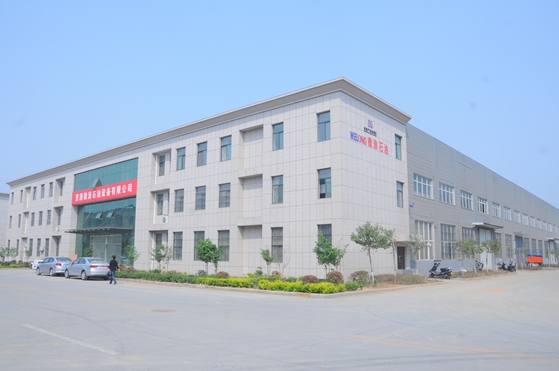
Welong is dedicated to provide professional solutions for metal processing industry, including innovative work roll technologies and customised assistance based on varied rolling applications. Welong combines material knowledge with real industrial needs to assist clients improve roll performance, optimise maintenance methods and increase production efficiency.
For more information about optimizing your rolling mill operations and improving work roll performance, please contact Welong at oiltools15@welongpost.com.