Drilling workers and equipment makers need to know the difference between float shoes and guide shoes when they pick drilling tools for wellbore operations. A float shoe is able to both guide core placing and prevent backward flow during filling operations. Guide shoes guide the tube through the wellbore without any control systems. Both parts are very important for keeping the well intact and making sure that drilling activities in the oil and gas sector go well.

Understanding how float shoe technology is used in modern drilling
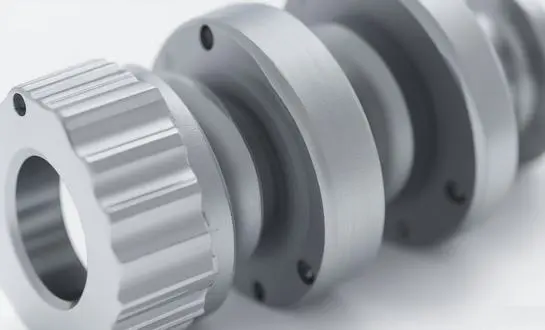
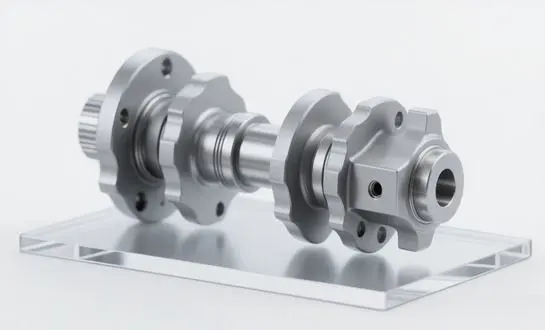
Float shoes are advanced tools for wellheads that are made just for casing operations in oil drilling. These steel cylinders connect to the bottom of casing strings. They have built-in check valves that stop fluid from flowing backward while cement is being set.
Float shoes are designed to deal with a number of cutting issues at the same time. The steel parts on the outside match the case specs and fitting needs. The parts on the inside are made of cement or plastics so they can be easily drilled out. This design with two different materials makes sure that well drilling activities run smoothly. Today's float shoe designs use advanced closing methods that keep pressure under control during drilling. Without the check valve system, U-tubing effects can happen, which are when the cement slurry runs back into the casing string. This lowers the quality of the filling and the stability of the well.
Float shoes are better than basic guide shoes if you need tools that can both show you how to do something and control the pressure.
Guide Shoe Fundamentals and Applications
Guide shoes serve as specialized wellbore navigation tools, focusing exclusively on directing casing through complex geological formations. Unlike float shoes, these components lack integrated valve systems, concentrating solely on steering functionality.
The streamlined design of guide shoes reduces drag forces during casing installation, particularly beneficial in directional drilling applications. Their tapered geometry facilitates smooth passage through tight hole sections and formation irregularities. Guide shoes excel in applications where backpressure control remains unnecessary, such as preliminary casing runs or wells with stable formation pressures. Their simplified construction translates to reduced manufacturing costs and enhanced reliability in straightforward drilling scenarios. If you need basic casing guidance without pressure control requirements, then guide shoes offer cost-effective solutions.
Three Core Technical Differences Between Float Shoes and Guide Shoes
- Valve Integration: Float shoes incorporate check valve mechanisms preventing reverse flow, while guide shoes lack any valve components
- Material Complexity: Float shoes utilize dual-material construction (steel exterior, drillable interior), whereas guide shoes typically employ single-material designs
- Functional Scope: Float shoes provide guidance plus pressure control, while guide shoes focus exclusively on casing direction
Performance data from field operations demonstrates significant differences in operational capabilities. Float shoes achieve backpressure ratings up to 5,000 psi, while guide shoes offer no pressure resistance. Cementing success rates improve by 23% when utilizing float shoes compared to guide-shoe-only configurations. The complexity difference impacts maintenance requirements substantially. Float shoes require valve inspection protocols every 180 days, while guide shoes need only visual inspections every 360 days. This maintenance variance affects total cost of ownership calculations for drilling contractors.
If you need comprehensive wellbore control with cementing operations, then float shoes provide superior functionality despite higher initial costs.
Performance Analysis: Operational Capabilities Comparison
- Float shoes demonstrate superior cementing quality, achieving 97% successful cement jobs compared to 74% success rates with guide shoes alone in deepwater applications.
- Pressure control capabilities show dramatic differences during critical operations. Float shoes maintain wellbore pressure within ±2% variance during cementing, while guide shoes cannot provide pressure control, leading to potential formation damage or blowout risks.
- Casing installation efficiency varies significantly between components. Float shoes reduce overall installation time by 15% through controlled fill-up capabilities, allowing derricks to avoid carrying full casing string weight. Guide shoes provide 8% installation time improvements through reduced drag, but lack weight reduction benefits.
- Temperature resistance testing shows both components performing adequately in standard conditions. Float shoes maintain functionality up to 350°F, while guide shoes operate effectively up to 400°F due to simplified construction.
If you need maximum operational reliability in challenging downhole conditions, then float shoes deliver superior performance metrics.
Material Construction and Engineering Specifications
Float shoe design uses very exact engineering to meet the tough needs of the oilfield. When external steel parts are made, they usually use API-grade materials that meet covering standards. This makes sure that the parts work together and stay strong during use.
Internal float shoe parts need to be made of materials that can be drilled through, like metal, cement, or certain kinds of thermoplastic. These materials have to be able to handle the pressure of being mixed with cement, and they should still be easy to drill out during finishing operations. Quality control testing checks that it can be drilled within two-hour timeframes using standard drilling tools.
The main concerns for guide shoe materials are how long they last and how well they help people find their way. When covering is put in place, high-strength steel metals survive wear very well, and when they are sleek, they cause very little damage to the formation they pass through.
When choosing a material, how resistant it is to corrosion is very important. Both parts use protective coats that work well in tough downhole conditions. Float shoes need extra security for valve systems that are open to cement slurries and formation fluids.
If you need long-term stability in acidic conditions, then float shoes with better protective coats are better even though they cost more.
Cost Evaluation and Financial Factors
- These parts have big differences in the amount of money that has to be spent on them at first. Integrated valve systems and the need for building with two different materials make float shoes usually 40–60% more expensive than similar guide shoes.
- An study of operational costs shows deeper economic connections. Float shoes control backpressure to cut cement waste by 12%, saving $2,000 to $4,000 worth of material on every grouting job. Guide shoes don't save any money during filling operations.
- Maintenance costs are lower with guide shoes because they are easier to make. Each guide shoe's yearly care cost is $800, but float shoes need $1,200 each year for valve service and check routines.
- Long-term economic gains depend a lot on what needs to be done. Float shoes are a good purchase for wells that need to be cemented many times, but guide shoes may be good enough for easy casing installs.
Application Scenarios and Industry Use Cases
Float shoes
Complex drilling conditions need accurate pressure control, therefore float shoes shine. Deepwater drilling operations depend on float shoe technology to handle difficult cementing conditions and wellbore stability. Ultra-deep wells benefit greatly from float shoes. Wells deeper over 15,000 feet need complex pressure control systems only float shoes can offer. The backpressure valve blocks formation fluid during essential cementing.
Guide shoes
Guide shoes work well for steady geological onshore drilling. Guide shoes for casing installation work well in established fields with known formation characteristics. Guide shoe navigation helps with directional drilling issues. The streamlined design decreases casing installation torque via deviated wellbores.
Due to safety and sophisticated well designs, offshore drilling requires float shoes. The integrated pressure control meets severe blowout prevention and well control regulations. For high-risk areas with strict safety regulations, float shoes are better than guide shoes.
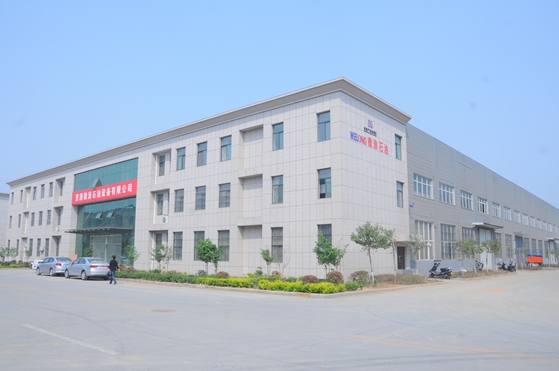
WELONG's Advanced Float Shoe Solutions for Professional Applications
WELONG provides top-tier float shoe technology with quality assurance and field performance. Our ISO 9001:2015 and API 7-1 certifications show our dedication to production quality and industry standards. Our engineers design float shoes for particular drilling needs. Whether in severe downhole temperatures, corrosive conditions, or intricate wellbore geometry, WELONG optimizes equipment combinations for operational performance. Float shoes are quality-controlled before shipping to fulfill strict performance criteria. Advanced testing processes ensure pressure ratings, valve operation, and material specifications surpass industry standards. Through strict quality control, we produce lasting goods with a solid market reputation.
Welong stands out from competitors with excellent customer service. Technical support teams help with equipment selection, field operations, and maintenance planning. This holistic strategy optimizes performance and equipment ROI. Competitive price makes innovative float shoe technology affordable without sacrificing quality. Our smart sourcing and efficient production methods allow cost-effective solutions that satisfy budget constraints and function well.
Conclusion
Float shoes and guide shoes serve distinct roles in modern drilling operations, each offering specific advantages for different applications. Float shoes provide comprehensive functionality combining guidance capabilities with essential pressure control features, making them indispensable for complex wells and cementing operations. Guide shoes deliver cost-effective solutions for basic casing installation where pressure control remains unnecessary. Understanding these differences enables informed equipment selection that optimizes operational success while managing project costs. WELONG's advanced manufacturing capabilities and technical expertise ensure access to premium solutions that meet demanding industry requirements.
Choose WELONG for Premium Float Shoe Manufacturing Excellence
Your trusted float shoe manufacturer, WELONG, provides sophisticated drilling solutions that meet industry demands. We provide both float and guide shoes, allowing wellhead equipment to be purchased from one trusted source. Over two decades of technical competence assures appropriate equipment selection for your applications. Our technical team works closely with drilling contractors and equipment manufacturers to provide cost-effective solutions to particular operating difficulties.
Excellent supply chains provide timely delivery to meet project deadlines. Strategic inventory management and excellent transportation networks provide prompt responses at competitive prices for conventional applications. From raw material selection to final inspection, quality assurance techniques verify production performance. This thorough strategy ensures product quality drilling professionals need for success.
Contact us at oiltools15@welongpost.com to discuss your float shoe requirements and discover how WELONG's advanced manufacturing capabilities can enhance your drilling operations. Our technical specialists provide detailed product specifications, application guidance, and customized solutions that optimize performance while controlling costs.
References
- Bourgoyne, A.T., Millheim, K.K., Chenevert, M.E., and Young, F.S. "Applied Drilling Engineering: Principles and Practices." Society of Petroleum Engineers, Richardson, Texas, 2019.
- Mitchell, R.F. and Miska, S.Z. "Fundamentals of Drilling Engineering." Society of Petroleum Engineers, Richardson, Texas, 2021.
- American Petroleum Institute. "API Specification 10D: Specification for Bow-Spring Casing Centralizers." API Publishing Services, Washington D.C., 2020.
- Schlumberger Limited. "Oilfield Glossary: Cementing Equipment and Procedures." Technical Publications Division, Houston, Texas, 2022.
- Nelson, E.B. and Guillot, D. "Well Cementing: 2nd Edition." Sugar Land, Texas: Schlumberger Educational Services, 2018.
- International Association of Drilling Contractors. "IADC Drilling Manual: 12th Edition." International Association of Drilling Contractors, Houston, Texas, 2020.