Evolution of Drilling Technology: Kelly vs. Rotary
The Legacy of Square Kelly in Drilling Operations
The Square Kelly is a standard component in rotary drilling equipment. It transmits torque from the rotary table to the drill string via the Kelly bushing and allows vertical movement of the Kelly as drilling advances.
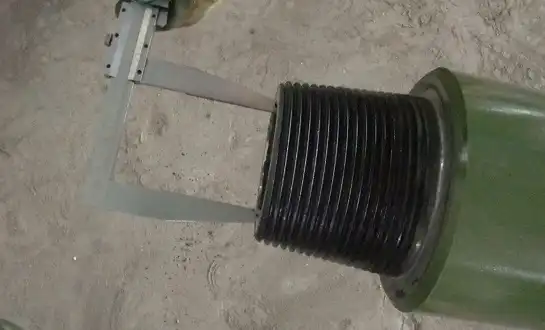
Welong’s current Square Kelly offering includes diameters from 2 1/2″ through 6″, AISI 4145H material, Brinell hardness range of 285-341 and lengths up to 54 ft overall. It may be provided in square or hexagonal forms and is certified for full-length ultrasonic testing in accordance with API Spec 7-1. These are Welong’s stated product specs and should not be used as universal specifications for any Square Kelly on the market.
The classic Kelly approach is still applicable when a rig is already planned around a rotating table and the current drilling equipment is compatible with this configuration. Keeping the current system also means that other portions of the rig do not have to be redesigned for replacement or maintenance work.
The Rise of Modern Rotary Systems
In modern drilling rigs , top-drive systems may be used to rotate the drill string instead of the typical rotary table and Kelly. The top drive is installed in the derrick and spins the drill string from the top. Depending on the architecture of the rig, it may also be integrated with lifting, pipe handling and drilling control capabilities.
This does not imply that all current systems are set in the same way. Different rigs have different automation, pipe handling, circulation systems and drilling controls. Therefore, when comparing a Square Kelly system to a contemporary rotary arrangement it is more beneficial to examine the total rig design and operational needs rather than take one specific component as a straight substitute for a full drilling system.
Efficiency Breakdown: Square Kelly and Modern Systems
Performance Metrics: Square Kelly vs. Modern Rotary
Several technical and operational factors can be considered when comparing the two approaches:
- Torque transmission: A Square Kelly transmits rotation through its engagement with the Kelly bushing and rotary table. A top drive applies torque directly from above the drill string. The suitable arrangement depends on the rig's design and required operating envelope.
- Drilling workflow: A conventional Kelly system follows the operating sequence of a rotary-table rig. A top drive can support different pipe-handling and drilling workflows, depending on the rig configuration.
- Directional drilling: Top-drive systems are commonly associated with modern directional drilling rigs because of their integration with the broader drilling system. However, the suitability of a drilling system still depends on the complete BHA, well plan, and rig configuration.
- Control and automation: A modern rig can integrate the top drive with electronic controls, monitoring, and automated equipment. A conventional Kelly system can also be operated with modern monitoring equipment, but its mechanical arrangement remains based on the rotary table and Kelly.
These differences mean that system selection should be based on the complete drilling operation rather than on a single performance metric such as drilling speed.
Operational Flexibility and Adaptability
The Square Kelly can be a practical choice when the rig is already configured around a rotary table and Kelly system. Its main advantages in this context include:
- Compatibility with an existing conventional rotary setup
- A relatively straightforward mechanical arrangement
- Availability in established sizes and configurations
- Easier replacement when the existing rig is designed for a Kelly system
Modern top-drive systems may be more appropriate when a rig requires:
- Integration with modern drilling controls
- A drilling arrangement designed around top-drive operation
- Greater integration between rotation, hoisting, and pipe-handling functions
- Equipment configurations intended for more complex drilling programs
The important point is that upgrading to a modern system is not simply a matter of replacing a Square Kelly. A top drive involves changes to the rig's overall mechanical and control architecture.
Choosing the Right System: Factors to Consider
Project-Specific Requirements
The choice between retaining a Square Kelly system and moving to a modern top-drive arrangement should start with the actual drilling project and existing rig.
Consider the following questions:
- Is the rig already equipped with a rotary table and Kelly bushing?
- What hole sizes and drilling depths are planned?
- Is the well vertical, directional, or otherwise complex?
- What level of drilling automation is required?
- Does the existing hoisting and derrick arrangement support the proposed system?
- Is the project replacing one component or upgrading the entire drilling system?
- What equipment and infrastructure are already available on the rig?
For a replacement Square Kelly, dimensions and compatibility are particularly important. Welong currently lists Square Kelly sizes from 2 1/2" to 6" and overall lengths up to 54 ft, but the correct configuration should always be confirmed against the actual rig requirements.
Long-Term Cost Analysis
A system comparison should not include solely the purchasing cost up front. The overall choice might also include installation, compatibility with current equipment, maintenance, downtime, training and other changes that may be needed to the rig.
If the purpose is to keep a current rotary-table drilling setup, then a Square Kelly may be more logical. Upgrading the top drive is a more extensive adjustment to the rig and should be seen as a system-level job.
Don’t assume that one technology always has cheaper operational expenses. Compare the predicted needs of the individual rig and drilling program. This allows for a more relevant evaluation than attributing a broad cost advantage to one system or the other.
Future-Proofing Your Drilling Operations
Future needs must also be taken into account when modifying the drilling system. If the rig is to stay in a typical configuration for the planned purposes, then it may be more feasible to keep a compatible Square Kelly system.
If the rig is to be significantly renovated, the operator may decide whether a top-drive system and associated automation capabilities are suitable for the drilling activity planned. The selection should evaluate the whole rig design, not just the Kelly.
The objective is to align the equipment investment with the drilling program. Newer technology is not always a better option if the present rig and operational needs do not necessitate it.v
Conclusion
The contrast of a Square Kelly system with a contemporary top drive drilling method is not merely old technology vs new technology. They are only various ways to rotate and manipulate the drill string .
A Square Kelly may be used in conjunction with the usual rotary-table setup and can still be a viable alternative for rigs already developed around that setup. The top drive is an alternative way to introduce rotation and may be used with contemporary drilling controls and rig equipment.
The proper decision is usually determined by rig layout, well plan, drilling requirements, automation requirements and whether the project is a component replacement or a comprehensive rig improvement. If you are a buyer replacing an existing Kelly, before buying you should first verify the size, length, material, connectors and other interface requirements needed.
Call to Action
If you are using a rotary drilling system and need a new Square Kelly, the most helpful information you can provide a supplier is the Kelly size needed, overall length, configuration, any material needs, connection details, and any inspection or standard criteria that apply.
Square Kelly is now available from Welong in square and hexagonal shapes, with published diameters from 2 1/2" to 6" and total lengths to 54 ft. Its product data additionally calls out AISI 4145H material, heat treatment, Brinell hardness range of 285-341, full-length ultrasonic inspection and API Spec 7-1.
If you are maintaining a conventional rotary system or reviewing a customized Square Kelly requirement, contact Welong at oiltools15@welongpost.com. Providing the original equipment dimensions and application details can help the technical team evaluate the required configuration more accurately.