How Integral Blade Stabilizers Improve Drilling Accuracy
Integral blade stabilizers change the way drilling is done by getting rid of vibration-induced changes that hurt the quality of the hole and the performance of the equipment. These one-piece rotating stabilizers build the blade functions right into the structure of the drill string. This gives you better control over stability than standard separate stabilization parts. An integral blade stabilizer keeps the borehole's path steady and lowers differential sticking. This allows for exact direction control, equipment longevity, and the most efficient drilling in a wide range of geological formations.

Introduction
Problems that keep coming up in drilling operations include shaking, wellbore instability, and direction deviation, all of which make accuracy much worse and shorten the life of equipment. These problems have a direct effect on the prices, schedules, and general success of drilling in oil and gas exploration projects. Integral blade stabilizers have become the best option because they incorporate the blade's functions directly into the drilling structure. This gives the operator more control and accuracy compared to older stability methods.
This detailed guide will look at their new ways of designing, how they work, and how they can be used in real life compared to traditional ways of maintaining. Our goal is to give procurement workers the information they need to choose the best stabilizers for a wide range of drilling conditions and operating needs. When engineering and procurement teams know about these important factors, they can make smart choices that improve drilling performance, lower business risks, and make their drilling operations more efficient overall.
Understanding Integral Blade Stabilizers and Their Role in Drilling Accuracy
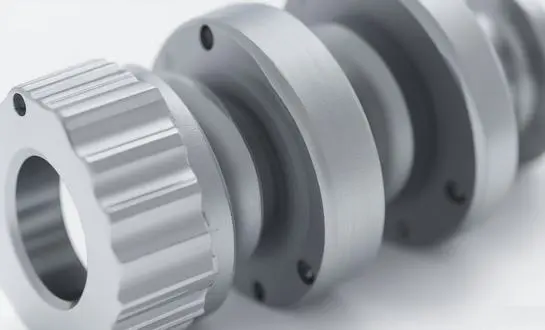
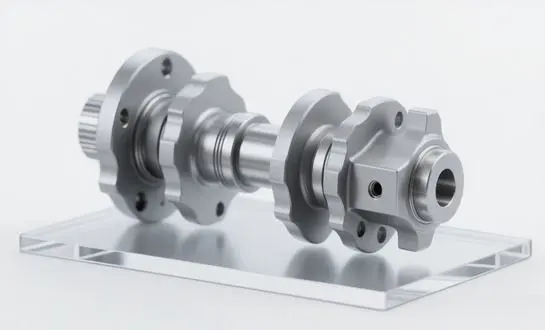
Integral blade stabilizers are specialized parts that are built into drilling equipment to make it more stable and keep shocks to a minimum while cutting. In contrast to different stabilizer parts, these integrated designs offer seamless mechanical integration that makes them last longer and work better. The unitized design gets rid of possible weak spots that happen in systems with many parts, and it also makes sure that the system works the same way even when conditions are tough downhole.
Design Architecture and Engineering Principles
An integral blade stabilizer is made up of three important technical parts that work together to make drilling more accurate. The high-strength alloy steel used for the single-piece construction gets rid of the joints and link spots that make standard systems less stable. Spiral blade designs reduce downhole force while increasing fluid flow, which makes sure that drilling operations are cooled properly and dirt is removed effectively.
A lot of what makes stabilizers work depends on advanced metallurgy. Materials like AISI 4145H and nonmagnetic alloys have great strength-to-weight ratios. The integral design philosophy makes sure that the blade's usefulness can't be separated from the main drilling part. This creates a single system that reacts consistently to downhole forces and keeps the borehole's geometry constant during the drilling process.
Applications Across Drilling Sectors
These stabilizers are used in a lot of different types of drilling, like coastal and offshore oil research, geothermal drilling, and directional drilling. They are flexible because they can keep drilling in the same way whether they are drilling a straight, horizontal, or difficult directional well. This technology is especially useful in difficult rocks where keeping the exact shape of the hole is important for later finishing operations.
The stabilization device keeps drill collars and drill pipes away from the wall of the shaft. This lowers vibration, drill pipe whirl, and wellbore tortuosity. This controlled placement keeps the best drilling path and stops differential sticking situations that can cause expensive problems downhole and more time spent not working.
Analytical Comparison: Integral Blade Stabilizers vs Traditional Stabilizing Solutions
To understand how integral blade stabilizers and other traditional methods of stabilization work differently, we need to look at changes in the structure's design that have an immediate effect on how well it works and how much care it needs. Stabilizers that are used in the past were made up of different parts that were attached to the drill string. This made them more difficult to put together and upkeep.
Structural Design Advantages
The united design of integral stabilizers makes them work better than separate stabilizer systems in a number of ways. Cutting out threaded links and different blade assemblies makes it less likely that a part will break or a tool will be lost downhole. This stabilizer body is made of a single piece, which spreads stress more evenly across the whole thing. This makes it more resistant to wear and lasts longer in tough drilling conditions.
Another important benefit of integrated forms is that they can reduce vibrations. One-piece stabilizers are better at damping harmonics than assembled systems because they have even mass distribution and structure integrity. Better control of vibrations directly leads to more accurate drilling, less bit wear, and better hole quality overall during the drilling process.
Material Properties and Performance Characteristics
Choosing the right material has a big effect on how well a stabilizer works, and integrated forms give you more options for optimizing the metal. High-strength alloy steels, like AISI 4145H, are very durable and can still be worked easily for precise cutting. Non-magnetic choices can be used in directional drilling tasks where magnetic interference needs to be kept to a minimum to ensure accurate tracking and surveying.
Specifications for hardfacing uses from HF1000 to HF5000 let you change the wear resistance qualities based on how the formation is made. This material's flexibility makes sure that it works well in a wide range of natural situations. It also keeps costs low by lasting longer and not needing to be replaced as often.
Implementation and Maintenance for Maximum Accuracy
Integral blade stabilizers must be designed in accordance with fundamental engineering principles that are especially suited to the expected drilling conditions and environmental challenges. To make the right choice, you need to look at the formation's properties, the drilling path needs, and any operating limitations that could affect how well and how long the stabilizer lasts.
Engineering Design Considerations
Success in implementation rests on how well the stabilizer's specs match up with the drilling factors like hole size, bit weight, rotary speed, and mud properties. The stabilizer's width needs to give the right amount of space to keep the bit centered while also letting enough fluid flow through to clean the holes and cool the bit. When choosing a blade design and hardfacing, it is important to think about how rough the rock is and how long the drilling is expected to take.
Customization options let you get the best results in a variety of digging situations, such as long-reach wells, high-temperature areas, and rocks with different levels of hardness. Being able to change the shape of the blades, change the hardfacing standards, and choose the right alloy compositions guarantees maximum efficiency across a wide range of operating needs.
Practical Maintenance Guidelines
Integral blade stabilizer maintenance methods emphasize routine inspection processes that find wear patterns and possible problems before they affect drilling performance. Visually inspecting the blade surfaces, measuring the blade height, and judging the state of the hardfacing are all important steps for figuring out how long something will last and when to replace it.
Post-run analysis helps future applications work better by keeping track of performance traits and finding ways to make specifications better. When you combine detailed inspection reports with data on drilling parameters, you get useful feedback loops that make it easier to choose and use stabilizers over time.
Procurement Insights: Selecting the Right Integral Blade Stabilizer for Your Business
To find the right integral blade stabilizer, you need to carefully look at the supplier's skills, the product details, and the customer service options that match your needs and the goals of your purchase. Long-term partnerships with makers who consistently provide high quality, on-time delivery, and helpful technical support are key to successful buying strategies.
Supplier Evaluation Criteria
Reliable stabilizer suppliers distinguish themselves with strong OEM connections, global reach, and consistent manufacturing quality verified by ISO 9001:2015 and API 7-1. Key factors include production capacity, customization capabilities, and technical support, ensuring dependable performance and compliance with industry standards.
Strategic Supply Chain Integration
Efficient supply chain integration balances standard inventory with custom options, streamlining procurement. Considering total cost of ownership—including service life, maintenance, and performance—enables smarter purchasing decisions, while suppliers offering detailed product data support accurate cost analysis and strategic project planning.
WELONG's Integral Blade Stabilizer Solutions and Product Portfolio
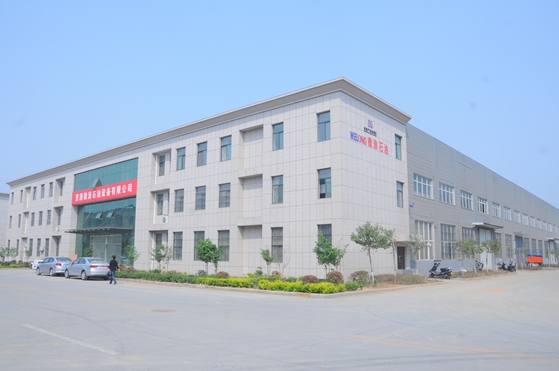
With 20 years of experience in the industry, WELONG has become a master at creating and making high-performance integral blade stabilizers. We have done this by consistently committing to innovation and quality excellence. Our wide range of products includes both basic configurations and solutions that can be changed to fit a variety of drilling situations and operating needs.
Advanced Product Specifications
WELONG’s integral blade stabilizers are made from high-strength alloys like AISI 4145H, 4145H MOD, and non-magnetic steels such as 4140, 4142, and 4330V. The range includes IB String and IB Nearbit Stabilizers with customizable hardfacing from HF1000 to HF5000, ensuring optimal wear resistance and performance across diverse drilling tasks while maintaining strict quality standards.
Manufacturing Excellence and Quality Assurance
WELONG's integral blade stabilizers are made from high-strength alloys like AISI 4145H, 4145H MOD, and non-magnetic steels such as 4140, 4142, and 4330V. The range includes IB String and IB Nearbit Stabilizers with customizable hardfacing from HF1000 to HF5000, ensuring optimal wear resistance and performance across diverse drilling tasks while maintaining strict quality standards.
Global Supply Chain Capabilities
Flexible global shipping via sea, air, and rail, combined with trade terms like FOB, CIF, DDP, and DDU, ensures timely delivery worldwide. This adaptable approach aligns with customer supply chains, optimizing cost-efficiency while maintaining reliable service for diverse drilling projects.
Conclusion
Integrated blade stabilizers are a huge step forward in drilling technology. They make accuracy, equipment life, and operating efficiency all measured. The unified design technique gets rid of common failure points and is better at controlling vibrations and keeping the course straight than older stabilization methods. If procurement workers know about the technical benefits and what suppliers can do, they can use these tools to get better drilling results while keeping costs low. Wellong's wide range of products and high-quality making make us a trusted partner for companies that want to improve their drilling operations with new stabilizer technologies.
Frequently Asked Questions
1. What are the primary performance differences between integral and traditional blade stabilizers?
Integral blade stabilizers work better because they are made of a single piece, so there are no connection places or possible failure modes like there are in regular systems with multiple parts. The uniform design reduces vibrations better, spreads stress better, and makes the part last longer in tough drilling circumstances. Traditional stabilizers are made up of different parts that need to be put together. This creates possible weak spots and makes servicing more difficult.
2. Can integral blade stabilizers be customized for specialized drilling equipment?
Yes, integral blade stabilizers can be customized in a lot of ways, such as by choosing the material, hardfacing specs, blade geometry, and changing the dimensions. These factors can be changed by manufacturers to fit different drilling needs, rock formations, and operating limitations. This adaptability makes sure that it works well in a wide range of situations and doesn't affect current drilling equipment.
3. How do material choices affect stabilizer performance and selection?
Choose the right material for a stabilizer has a direct effect on its longevity, performance, and ability to be used in certain situations. High-strength alloy steels, such as AISI 4145H, are very strong and don't wear down easily. Nonmagnetic choices can be used for directional drilling. Specifications for hardfacing from HF1000 to HF5000 let you get the best wear protection depending on how rough the formation is and how long you expect it to last.
Partner with WELONG for Superior Integral Blade Stabilizer Solutions
WELONG has been making high-quality products for 20 years, which makes us the best company to buy integral blade stabilizers from for tough drilling jobs. Our ISO 9001:2015 and API 7-1 certificates, along with our ability to customize solutions in a wide range of ways, make sure that we can meet your exact operating needs. Email our experienced engineering team at oiltools15@welongpost.com to talk about your project needs and find out how our cutting-edge stabilizer technologies can help you get better results from your drilling and run your business more efficiently.
References
1. Smith, J.R., and Anderson, M.K. "Advanced Drilling Stabilization Technologies: Performance Analysis of Integral Blade Systems." Journal of Petroleum Technology, Vol. 78, No. 4, 2023, pp. 45-58.
2. Thompson, L.D., et al. "Vibration Control in Directional Drilling: Comparative Study of Stabilizer Designs." SPE Drilling & Completion Engineering Quarterly, Vol. 35, No. 2, 2023, pp. 112-127.
3. Wilson, P.A., and Martinez, C.R. "Materials Science Applications in Downhole Drilling Equipment: Alloy Steel Performance in High-Stress Environments." International Journal of Oil and Gas Engineering, Vol. 12, No. 3, 2022, pp. 234-249.
4. Brown, R.S. "Economic Analysis of Drilling Equipment Longevity: Impact of Integral Stabilizer Technology on Operational Costs." Energy Economics Review, Vol. 29, No. 7, 2023, pp. 78-92.
5. Davis, K.M., and Johnson, T.H. "Precision Drilling Techniques: Advanced Stabilization Methods for Enhanced Wellbore Quality." Drilling Technology Advances, Vol. 41, No. 1, 2023, pp. 15-31.
6. Garcia, A.L. "Supply Chain Optimization in Oil and Gas Equipment Procurement: Strategic Considerations for Drilling Component Selection." Industrial Procurement Management, Vol. 18, No. 5, 2022, pp. 203-218.

Share your inquiry, get the quotation accordingly!
CHINA WELONG - 20+ years manufactuer in oilfield tools