How to Improve Your Drilling Operations with Manual Tongs?
Proper handling of pipe is a vital aspect of the drilling process, and the correct equipment may make regular tubular work more controlled and practical. Hand tongs are mechanical devices used to grab and rotate tubular elements in situations where it is suitable to apply human torque. Their comparatively simple design makes them potentially useful in situations where a powered tong system is not needed or easily accessible.
But the proper use of manual tongs is not only a question of employing greater power. The tong must be of the right kind for the tube being handled, properly located, adequately maintained, and operated within its design limitations. You have to consider the jaw condition, the pipe size, the torque needed, the working area and the operation process.
The significance of manual tongs for drilling crews is that they are used to fit the tool to the work rather than as a substitute for powered equipment. This article gives an overview of the advantages of manual tongs, practical considerations of operation, and the elements that may assist teams with their decision on manual vs hydraulic tong systems.

Key Benefits of Manual Tongs in Drilling
Enhanced Safety Measures
Manual tongs may be tailored and inspected and operated to provide controlled tubular handling. The mechanical construction of the tool enables the user to place the tool directly on the tube and apply torque via the tong handle or operating mechanism.
Proper involvement is critical for safe functioning. The jaws must engage the pipe correctly and the tong must be positioned as per the manufacturer’s operating instructions. If the jaws are damaged, worn or incorrectly positioned, or the tool is overloaded, the performance of the tool will be affected and the danger involved in the use of the tool will rise.
Therefore, manual tongs should be considered an element of a full safe-work method and not a safety measure in and of itself. Operators should be familiar with the operational limitations of the tong and the proper application of torque prior to utilising the tool.
Cost-Effective Solution
Where an activity does not need the added power and control of a hydraulic tong system, manual tongs may be a cost effective alternative. Their mechanical structure means they do not need a hydraulic power unit to run, which might reduce equipment needs in the relevant application.
But the entire cost should be more than the original purchasing price. Maintenance, replacement of worn parts, operator needs, storage, and frequency of usage might impact the economics of a manual tong.
A correctly chosen manual tong may be a realistic choice for smaller activities or applications where manual torque application is suitable without the added equipment associated with a powered system.
Versatility in Various Drilling Environments
In addition, manual tongs have a simple working concept that may be employed in a variety of applications in tubular handling provided the tool parameters meet the task.
Their utility may be especially significant when a small mechanical tool is desired or where the installation of a hydraulic power supply would not be viable for the purpose planned. Always validate compatibility of application against pipe dimensions, torque requirements, available workspace, operating procedures and climatic conditions.
For this reason, manual tongs must be regarded as application specific instruments and not as equipment that is inherently applicable for every drilling setting.
Proper Techniques for Using Manual Tongs
Correct Positioning and Alignment
Manual tongs need to be positioned correctly to be used effectively. Before the torque is applied, the operator must check that the tong is properly engaged with the tubular and in the proper position per the manufacturer’s specifications.
The jaws must be properly engaged with the tube. The tong and its handle must be in a steady position when torque is applied. Bad engagement or wrong location might diminish the grip and creates an unexpected movement.
Operators should also ensure that the surrounding work area offers adequate space for the tong handle and other moving parts. Actual placement may vary depending on the tong design. The manufacturer's operating instructions should always take precedence over a general guideline of positioning.
Applying Appropriate Force
Manual tongs should be used within the prescribed torque and load restrictions. Excessive force may not result in improved performance and may harm the tong, tube or connector.
The user should apply force in a regulated way and utilise the right handle, leverage arrangement and operating technique provided for the tool. The use of sudden loads or makeshift extensions is not allowed unless expressly allowed by the manufacturer.
Ensure the tong size, jaw arrangement and planned torque are suitable for the tubular connection before operation. This is especially the case when the tool is used often or under rigorous working circumstances.
Regular Maintenance and Inspection
Regular inspection keeps manual tongs in proper working order. Before use, check the tool for apparent damage, excessive wear, fractures, deformation, loose parts or other problems that might impact operation.
Special care is needed for the jaws and other contact surfaces, since their state is directly related to the engagement with the tube. Moving parts should be examined and greased in accordance with the maintenance recommendations of the manufacturer.
Clean the tool after use as required . Store the tool where it is protected from unwanted mechanical damage and exposure to environment . Maintenance records may also aid to spot reoccurring issues and assist scheduled replacement of worn components.
Manual vs. Hydraulic Tongs: Which to Choose?
Operational Efficiency Comparison
The choice of manual or hydraulic tongs is based on the needs of the operation, not on one being better than the other in all situations.
For situations where manual torque application is adequate, or where equipment simplicity is preferred, or when a motorised tong system is not needed, manual tongs may be applicable. They may also be effective for certain tubular-handling activities in which the operating frequency and torque requirements are consistent with manual operation.
In contrast, hydraulic tongs can provide powered torque and may be better suited to tasks that need higher torque, repeated make-up and break-out operations or greater necessity for mechanised handling.
The comparison should be based on the tubular size, the needed torque, the operating frequency, the available power, the workspace, the personnel and the present rig setup. Selecting equipment based just on purchase price or maximal torque might lead to an inappropriate solution.
Cost Analysis
Financial comparison of the two tongs should cover acquisition as well as operational needs.
A manual tong will typically have fewer support systems, as it does not need the hydraulic power unit and accompanying hydraulic infrastructure that a powered tong system requires. This may make them suitable for situations where manual operation by a technician is sufficient.
Hydraulic systems may, nevertheless, give productivity improvements if the need for frequent application of torque or increased mechanisation exists. Those advantages must be weighed against equipment cost, maintenance, power requirements, installation and operator demands.
Drilling teams need to look at the total cost of ownership for the individual application, rather than assume the lowest initial purchase price would be the cheapest in the long run.
Environmental Considerations
Manual tongs do not need hydraulic power to operate and hence may avoid the hydraulic fluid that comes with a hydraulic power system. It may simplify equipment configurations in instances where powered torque is not needed.
That doesn’t automatically make manual tongs generally more ecologically friendly. Environmental performance is associated with equipment manufacture, transportation, maintenance, service life, replacement rate and the whole operating system.
A more practical point is whether a manual tong is capable of doing the essential job without the addition of superfluous powered equipment or support infrastructure.
Conclusion
Manual application of torque is sometimes appropriate, and manual tongs might be useful for tubular-handling tasks. Mechanically they may be able to reduce the need for equipment, but safe and successful operation relies on selecting the right tools, engaging the jaws correctly, applying the necessary amount of torque, frequent inspections and good maintenance.
The decision between manual and hydraulic tongs should be based on the real needs of the drilling process. The choice depends on the tubular size, torque needed, working frequency, available space, electricity available, existing equipment, and maintenance capability.
The drilling teams must first determine the work and then choose the tong type and specs to meet that demand, rather than just picking equipment because it's cheaper or more sophisticated. This technique may assist balance operational practicality, equipment dependability and total cost of ownership .
Elevate Your Drilling Efficiency with Premium Manual Tongs from Welong
Choosing the appropriate manual tongs starts with understanding the tubular, torque requirements, operating environment, and intended application. Welong provides oilfield equipment solutions and can discuss the requirements of a specific tubular-handling application.
When evaluating a manual tong, customers should consider information such as tubular size, connection type, required torque, operating conditions, and any applicable project or equipment requirements. Providing these details helps establish a clearer basis for selecting a suitable solution.
To discuss your manual tong requirements with Welong, contact oiltools15@welongpost.com.
References
1. Johnson, M. R. (2024). "Advanced Techniques in Manual Tong Operation for Improved Drilling Efficiency." Journal of Petroleum Engineering, 56(3), 245-260.
2. Smith, A. L., & Brown, K. T. (2023). "Comparative Analysis of Manual and Hydraulic Tongs in Modern Drilling Operations." International Oil and Gas Review, 38(2), 112-128.
3. Rodriguez, C. E. (2025). "Safety Innovations in Manual Tong Design: A Five-Year Industry Study." Drilling Safety Quarterly, 19(4), 78-95.
4. Lee, S. H., et al. (2024). "Cost-Benefit Analysis of Manual Tongs in Small to Medium-Scale Drilling Projects." Energy Economics Journal, 41(1), 33-50.
5. Thompson, R. D. (2023). "Environmental Impact Assessment of Manual vs. Hydraulic Tongs in Sensitive Drilling Locations." Environmental Science and Technology in Drilling, 29(3), 301-315.
6. Wilson, G. K. (2025). "Ergonomic Considerations in Manual Tong Usage for Prolonged Drilling Operations." Occupational Health in Oil and Gas, 22(2), 156-170.

Share your inquiry, get the quotation accordingly!
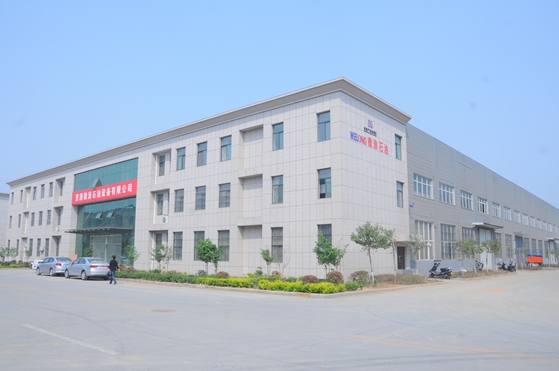
CHINA WELONG - 20+ years manufactuer in oilfield tools