How to Source API Stabilizers from China?
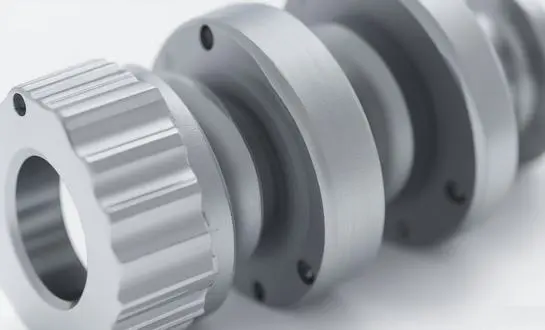
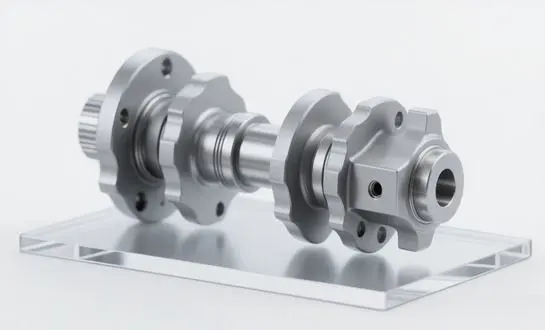
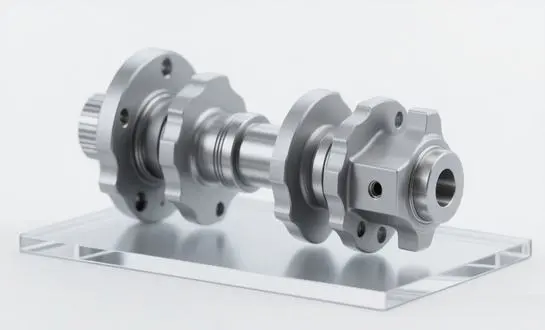
API stabilizers from China must be purchased from drilling equipment component manufacturers that fulfill API requirements. These downhole equipment maintain drill strings during oil and gas operations, requiring precision production and quality control. Global drilling contractors and equipment makers seeking dependable stabilizer solutions choose Chinese manufacturers for their affordable pricing, modern manufacturing facilities, and extensive customisation options. China dominates drilling equipment manufacture, providing high-quality stabilizers for oil and gas operations globally. Downhole tools are made well in the nation due to its industrial infrastructure and decades of metallurgy and precise engineering skills. How you navigate this market affects your procurement success and operational efficiency.

China's Stabilizer Manufacturing Advantage
Ultramodern Manufacturing Infrastructure
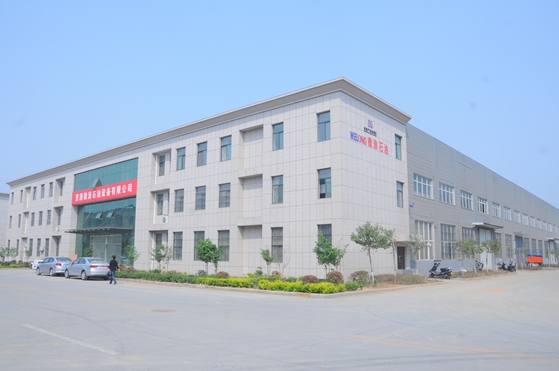
Oilfield equipment manufacturers in China have spent considerably in cutting-edge production facilities. These facilities assure product quality using automated machining centers, precise grinding equipment, and heat treatment furnaces. Computer-controlled manufacturing systems provide precise tolerance control and predictable output. CNC machining machines in modern Chinese companies can handle complicated geometries for interchangeable sleeve stabilizers. In difficult downhole settings, these machines ensure dimensional precision within rigorous tolerances for appropriate fit and performance. Skilled professionals and automated systems produce a world-class production environment.
Material Science Expertise
Chinese metallurgical skills have improved, with API stabilizers now made from AISI 4145H and 4145H MOD. These materials have high strength-to-weight ratios and downhole stress resistance. Many facilities use in-house heat treatment for precise material property control. China's non-magnetic stabilizers show its material science expertise. Special alloys eliminate magnetic interference with downhole measuring instruments while maintaining structural integrity. This technological proficiency makes Chinese manufacturers potential advanced drilling providers.
Cost-effective Production Models
Chinese manufacturers use scale to provide low prices without sacrificing quality. Large production quantities optimise material procurement and manufacture. Beyond price, this cost advantage includes after-sales support and technical help. Maintaining cost competitiveness while improving quality offers foreign customers great value. Chinese manufacturers can support large-scale operations and specific applications due to their flexible pricing structures.
Comprehensive Manufacturer Selection Strategies
Technical Capability Assessment
Examine a manufacturer's engineering, manufacturing, and quality control resources to assess their technical skills. Request machining, heat treatment, and hardfacing application details. Advanced surface treatment is available from HF1000–HF5000 hardfacing manufacturers. Consider the manufacturer's expertise with integrated and replaceable sleeve stabilizers. Flexible design companies may handle bespoke applications and give engineering assistance. Technical proficiency includes knowing downhole conditions and API stabilizer performance.
Evaluation of Production Capacity
Examine production line designs, shift operations, and yearly output to determine manufacturing capacity. Reliable manufacturers can manage various order sizes and satisfy delivery deadlines. Understand production schedule to set reasonable delivery expectations and maintain supply chain continuity. Find out whether the firm can scale production amid high demand. Flexible production facilities can handle urgent requests and seasonal demand. Adaptability is essential when developing long-term supply partnerships.
Quality Management Systems
Review quality control from material inspection to product testing. Complete quality systems include dimensions verification, material property testing, and performance validation. Strong quality procedures ensure product specifications are met. Examine quality assurance documentation and traceability mechanisms. Problem-solving and ongoing improvement are supported by proper documentation. Quality manufacturers keep meticulous certification and warranty records.
Supporting Engineering
Assess the manufacturer's engineering resources and technical assistance during purchase. Professional engineering teams may help with product selection, application optimization, and troubleshooting. Support is very useful when creating unique solutions. Assess the manufacturer's openness to cooperate on design changes. Progressive manufacturers collaborate with customers to improve product performance and meet changing application needs. This collaborative approach fosters long-term partnerships.
Supply Chain Management
Examine the manufacturer's vendor qualification and inventory management processes. Reliable suppliers have good ties with material and component suppliers. Good supply chain management assures material availability and production continuity. Review shipping and logistical options for timely delivery. Established shipping connections allow manufacturers to provide FOB, CIF, DDP, and DDU delivery. Comprehensive logistical assistance streamlines procurement and eliminates paperwork.
OEM and ODM Partnership Development
Custom Design Collaboration
OEM agreements allow application-specific API stabilizers. Engineering-savvy Chinese firms may alter or create new designs. Clear specifications and technical communication are needed for custom design cooperation. Implement design review mechanisms to ensure requirements are understood and executed. Regular design and prototype assessments highlight difficulties before full production. Collaboration improves operational performance with improved solutions.
IP Protection
Protect proprietary designs and specifications with unambiguous intellectual property agreements. When cooperating with established overseas partners, Chinese firms increasingly respect intellectual property rights. Effective legal frameworks protect both parties and foster long-term partnership. Custom product development in China should include trademark and design protection. Protective measures show commitment to the Chinese market and legal redress. Long-term partnerships and investment protection are supported by IP protection.
Manufacturing Process Integration
ODM agreements may include adding customer-specific needs to production processes. This integration may need bespoke testing, packaging, or quality documentation. Effective communication and process validation are needed for integration. Develop common protocols with manufacturers to ensure product delivery. Maintain compliance by documenting essential process parameters and monitoring them. Sustainable competitive benefits and supply chain efficiency result from process integration.
Long-term relationships
Successful OEM/ODM agreements demand long-term commitment. Chinese manufacturers want loyal partners. Long-term connections offer cost efficiency and constant development. Schedule frequent contact and performance reviews to build relationships. Address concerns quickly and collaborate to improve. Strong collaborations benefit both parties and boost competitiveness in dynamic marketplaces.
Quality Assurance and Factory Audit Guidelines
Pre-Production Quality Planning
Set quality and acceptability standards before manufacturing. Specifications and testing ensure quality requirements are understood. Production efficiency and quality are improved by pre-production planning. Examine manufacturer quality control and testing methods. Keep testing equipment calibrated and maintained to specifications. A good quality control system ensures product delivery and customer satisfaction.
Monitoring Quality in-Process
Track quality throughout manufacturing via monitoring techniques. Regular inspections and testing detect flaws before they impair product quality. In-process monitoring allows correction and improvement. Protect essential production processes including heat treatment and hardfacing. These hold locations allow verification before continuing operations. Monitoring promotes manufacturing success and lowers quality hazards.
Final Inspection Protocols
Create thorough final inspection processes to ensure specification compliance. Final inspections should verify dimensions, material properties, and visual appearance. Product quality is ensured by thorough final examinations. Consider third-party inspection for key applications or new supplier connections. Quality assurance and product conformance are enhanced by independent verification. These services help control risk and ensure quality.
Assessing Supplier Performance
Set KPIs for supplier quality, delivery, and service across time. Regular performance assessments provide acknowledgment and improvement planning. Performance monitoring helps build supplier relationships. Performance data should inform supplier selection and relationship investment. Regular top achievers deserve special attention and more business. Continuous improvement and competitive advantage are supported by performance review.
Leading Supplier Characteristics
Digital Integration Capabilities
Digital tools are used for production planning, quality monitoring, and customer communication by modern enterprises. They feature real-time production monitoring, automatic quality reporting, and digital document management. Digital integration boosts productivity and communication. Manufacturers investing in Industry 4.0 technology including IoT sensors, predictive maintenance, and automated quality systems. Forward-thinking management and competitive advantage are shown by these investments. Digital capabilities frequently boost service quality and efficiency.
Initiatives for sustainability
Sustainability becomes more crucial in supplier selection. Progressive firms use energy-efficient manufacturing, waste minimization, and environmental management. Sustainability projects show business accountability and foresight. Assess manufacturer environmental certifications and sustainability reporting. Environment-focused companies frequently have better operational discipline and stakeholder awareness. Corporate responsibility and brand reputation benefit from sustainability alignment.
Global Services Networks
Leading suppliers serve worldwide client needs with international service capabilities. These may include international warehouses, local technical support, and regional service centers. International clients benefit from global service networks. Assess your operating areas' manufacturer worldwide presence and service capabilities. Quality and reaction times may be greatly improved with local help. Globalization generally signifies corporate maturity and client loyalty.
Innovation, development
Progressive firms spend in R&D to enhance and innovate products. These investments may include new materials, production procedures, or product designs. Innovation helps create long-term value and competitive advantage. Assess manufacturer R&D and product development. Companies with active development initiatives provide better solutions and support. Innovation emphasises market leadership and consumer value.
Conclusion
To buy API stabilizers from China, evaluate producers' technological skills, quality systems, and services. Good supplier evaluation, specification formulation, and relationship management are key to success. Chinese manufacturers provide appealing technological competence, pricing competitiveness, and service flexibility for effective procurement. Successful sourcing requires finding proven manufacturers and building trusting, mutually beneficial collaborations. WELONG shows top Chinese suppliers' quality and service. Their 20+ years of expertise and thorough quality processes demonstrate Chinese manufacturing's maturity and professionalism. Effective sourcing strategies balance current purchase needs with long-term relationship building. Partnerships that prioritize operational excellence, cooperation, and improvement are most effective. These partnerships boost corporate development in dynamic global marketplaces and offer enduring competitive advantages.
Frequently Asked Questions
1. What are the typical lead times for API stabilizers from Chinese manufacturers?
Standard lead times range from 4-8 weeks depending on product complexity and order quantity. Custom designs may require additional engineering time, extending lead times to 8-12 weeks. Manufacturers with adequate inventory may offer shorter delivery times for standard configurations.
2. How can I verify the quality of hardfacing applications?
Quality hardfacing requires proper surface preparation, controlled application parameters, and post-application inspection. Request hardness testing results, bond strength verification, and visual inspection reports. Third-party inspection services can provide independent verification of hardfacing quality.
3. What minimum order quantities should I expect?
MOQs vary by manufacturer and product complexity but typically range from 10-50 pieces for standard stabilizers. Custom designs may have higher MOQs to justify tooling and setup costs. Some manufacturers offer flexibility for initial orders to support relationship development.
Partner with WELONG for Premium API Stabilizer Solutions
WELONG stands as your trusted API stabilizer manufacturer with over two decades of expertise in oilfield equipment manufacturing. Our ISO 9001:2015 and API 7-1 certifications demonstrate unwavering commitment to quality excellence. We specialize in replaceable sleeve stabilizers with comprehensive hardfacing options and customized solutions tailored to your specific drilling requirements. Contact our experienced team at [email protected] to discuss your stabilizer needs and discover why leading drilling contractors worldwide choose WELONG for reliable downhole tool solutions.
References
- American Petroleum Institute. "Specification for Rotary Drill Stem Elements." API Specification 7-1, 45th Edition, 2016.
- Zhang, L. and Wang, H. "Manufacturing Excellence in Chinese Oilfield Equipment Industry." Journal of Petroleum Technology, Vol. 74, No. 3, 2022, pp. 45-52.
- International Organization for Standardization. "Quality Management Systems - Requirements." ISO 9001:2015 Standard, 2015.
- Chen, M. "Supply Chain Management in Global Oil and Gas Equipment Procurement." Energy Procurement Quarterly, Vol. 18, No. 2, 2023, pp. 78-85.
- Smith, R.J. "Downhole Tool Performance in Challenging Drilling Environments." SPE Drilling & Completion, Vol. 38, No. 1, 2023, pp. 123-135.
- Liu, Q. and Thompson, K. "Quality Assurance Practices in International Equipment Manufacturing." Manufacturing Quality Review, Vol. 29, No. 4, 2023, pp. 201-215.

Share your inquiry, get the quotation accordingly!
CHINA WELONG - 20+ years manufactuer in oilfield tools