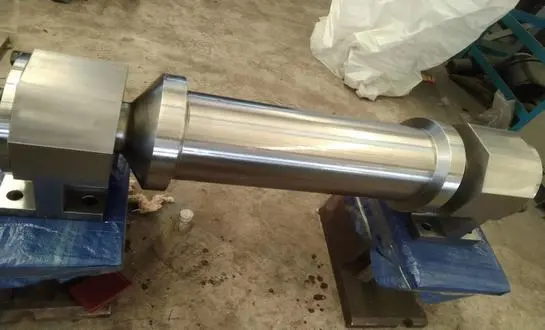
Cost-Efficiency: Quality Rolls vs. Frequent Replacements
The first cost of a roll is just one element of the entire cost of rolling mill activities. Of greater importance is the performance of the roll over its working life.
Replacement frequency of lower quality rollers may be higher owing to increased wear, surface damage or decreased performance during continuous operation. The upfront cost may be cheaper, but frequent replacement, equipment downtime and extra maintenance may all add up to higher operational costs.
In contrast, Premium Rolling Mill Rolls are designed to function over the long run. Manufacturers benefit from their better material qualities and production quality by achieving more stable functioning and reducing wasteful replacement cycles.
Where equipment availability directly influences production, adopting durable rolls may lead to improved long-term cost management.
Reduced Downtime and Maintenance Costs
Rolling mill operators are challenged by unexpected downtime more than anything else. Overworn rolls or degraded performance might lead to production schedule disruptions and the need for extra maintenance resources.
Good quality rolling mill rolls mitigate these hazards by providing more consistent performance in service. The rollers can function for a longer time before replacement or maintenance because to better resistance to mechanical stress, wear and heat conditions.
Reducing roll changes also enables producers to better plan production. Operators may spend time concentrating on keeping the production process steady, rather than spend time reacting to roll-related problems.
For this reason, many manufacturers rate roll durability as a crucial feature for efficient long-term manufacturing.
Improved Energy Efficiency
The running cost of rolling processes is also determined by the energy usage. The interaction between the roll surface and the product material impacts the efficiency of the rolling process and the performance of the equipment.
Premium Rolling Mill Rolls with precise production control and uniform surface characteristics contribute to smoother rolling operations. Lower friction losses and more reliable equipment functioning may lead to better roll performance.
Rolling circumstances, equipment design and production parameters affect energy savings, but the use of proper rollers may also contribute to a more efficient manufacturing process.
Rising energy prices and tighter efficiency standards have placed roll quality in the spotlight as a key element of total production optimisation for manufacturers.
Enhanced Product Quality: Precision Rolling Advantages
In contemporary metal processing the product quality must be constant because of the customer’s expectations and standards. The performance of the rollers of the rolling mill has a direct influence on crucial parameters such as surface quality, dimensional precision and product consistency.
High performance rollers provide producers more control over the rolling process to help decrease faults and increase the dependability of final metal goods.
Superior Surface Finish
The quality of the surface of rolled metal products directly influences their appearance, performance in subsequent processing and suitability for the ultimate use.
In rolling processes, the surface quality of the produced material may be affected by surface irregularities, or by markings or excessive wear on the rollers. This is especially significant in sectors where appearance and surface performance is vital such as automobile components, building material and other precision applications.
Premium Rolling Mill Rolls are developed for reliable surface performance via proper selection of material and production method. By keeping the roll surface in good condition, producers may get more consistent outcomes and eliminate quality problems caused by uneven rolling conditions.
Better surface uniformity may also mean fewer finishing procedures, saving manufacturers time and improving production efficiency.
Tighter Dimensional Tolerances
Dimensional precision is often a critical criterion in many metal forming processes. Varying thickness, flatness or shape might impact downstream processing and ultimate product performance.
In continuous rolling operations rolls must maintain their structural integrity under mechanical pressure, temperature fluctuations and repeated operating cycles.
A well-designed rolling mill roll maintains constant working conditions over the whole length of production and allows for more precise process management. Resistance to deformation and wear allows producers to get more consistent product dimensions and minimise material consumption due to quality discrepancies.
For enterprises that want to produce precise metal goods, choosing the correct rolls is a critical step toward producing with steady accuracy.
Maximizing Uptime: Durability and Maintenance Insights
In the fast moving metal processing business, continuous manufacturing is necessary to improve efficiency and to satisfy delivery requirements. The performance of the roll has a direct impact on the stability of the production, thus the choice of components for the rolling mill is also a key factor in durability and maintenance planning.
Reliable rolls help producers eliminate unexpected disruptions, schedule production better, and ensure consistent product quality throughout long-term operation.
Extended Service Life
The service life of the rolls of rolling mills relies on several factors: the properties of the material, the quality of manufacture, the circumstances of operation and maintenance.
Premium Rolling Mill Rolls are designed to survive harsh working conditions with continuous mechanical loading, surface contact and temperature fluctuations. High quality materials and regulated production procedures increase the resistance to wear and thermal fatigue.
A longer roll service life implies fewer roll changes throughout manufacturing cycles. It not only decreases the immediate replacement costs, but also the labour and production time involved with roll changes.
For manufacturers, longer roll life is a good approach to increase machine utilisation and have more predictable operational expenses.
Predictive Maintenance Capabilities
In modern rolling operations, preventative and predictive maintenance procedures are increasingly being used to increase the dependability of equipment.
By monitoring roll condition, analysing wear patterns, and scheduling maintenance based on real operating circumstances, manufacturers may prevent unexpected failures and reduce needless downtime.
With proper maintenance planning and selected Premium Rolling Mill Rolls, operators can better control replacement timing and ensure consistent rolling performance.
A proactive strategy for maintenance also helps to extend the life of the equipment by ensuring that the rolls continue to run under optimum circumstances over their service life.
Conclusion
Premium Rolling Mill Rolls provide strategic advantages for producers looking to achieve sustainable increases in production efficiency, product quality and operational stability.
Premium rolls may be more expensive initially than regular options, but the returns are more readily apparent as the lifespan of the product passes. Better wear resistance, less maintenance needs, better surface performance and more stable operations all help to minimise the total cost of manufacturing.
Choosing the right rolling mill rolls is not a simple component procurement for enterprises in competitive metal processing industries. It’s an investment in keeping production processes dependable and manufacturing outputs consistent.
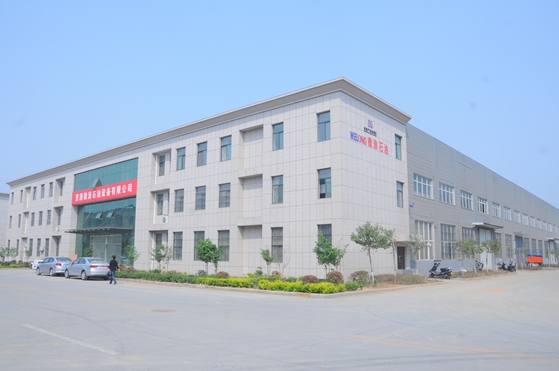
Welong supplies rolling mill solutions to fulfil varied industry needs. Manufacturers may pick appropriate roll solutions to optimise their rolling operations by knowing operational circumstances, production objectives and performance expectations.
For more information about Premium Rolling Mill Rolls and available rolling mill solutions, please contact Welong at oiltools15@welongpost.com.
References
1. Misra, A. (2017). Rolling Mill Technology and Machine Design. Springer.
2. Roberts, W. L. (1983). Hot Rolling of Steel. CRC Press.
3. Lenard, J. G. (2002). Metal Forming Science and Practice: A State-of-the-Art Volume in Honour of Professor J.A. Schey's 80th Birthday. Elsevier.
4. Ginzburg, V. B. (2000). Flat Rolling Fundamentals. CRC Press.
5. Hwang, Y. M., & Lin, Y. C. (2005). "A study on roll wear prediction in hot strip rolling mills." Journal of Materials Processing Technology, 160(1), 59–64.
6. Lange, K. (1985). Handbook of Metal Forming. McGraw-Hill.