Roller Reamer vs Hole Opener in UAE Drilling Projects
In UAE drilling projects, procurement managers must look at specific operating needs and natural conditions when deciding between roller reamer and hole opener technologies. The roller reamer is great at precisely stabilizing boreholes and keeping the gauge width the same in complex formations. Hole openers, on the other hand, can cut aggressively to quickly make boreholes bigger. By knowing these basic differences, drilling companies can choose the best tools for each project based on its depth, the hardness of the rock, and the quality standards for the borehole. This is true across the UAE's varied drilling landscape.

Understanding Roller Reamers and Hole Openers
Defining Roller Reamer Technology and Applications
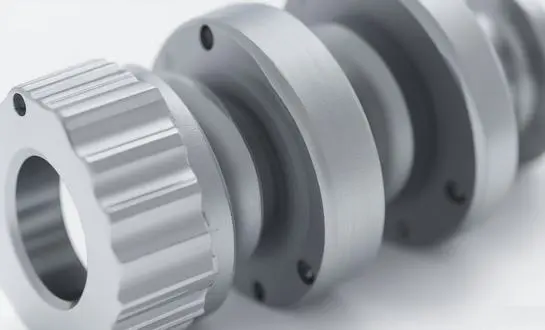
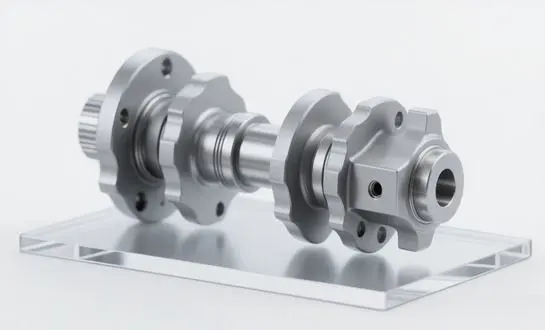
A roller reamer is an important drilling tool that uses spinning roller cuts to make holes bigger and more stable. Multiple roller units are carefully placed around the tool body of these high-tech devices to keep the borehole width constant and provide excellent stabilization qualities. The roller reamer works with pressure-equalized, lubricated bearing systems that make sure it works well in the high-pressure environments that are popular in UAE drilling activities.
Controlled cutting action and opening security are the main design principles of roller reamer technology. Each roller assembly has sealed bearings that keep oil inside the bearing surfaces and keep mud and cuttings out. This makes the operating life longer. This way of thinking about engineering makes roller reamer tools very useful for keeping the drill bit centered and reducing the amount of unintentional direction change that happens during vertical drilling.
Hole Opener Functionality and Design Features
Hole openers quickly make existing holes bigger to the sizes that are needed by using sharp blade cutting mechanisms. These tools have many cutting blades that are set up in specific designs to get rid of as much material as possible while keeping the tool stable. Different types of formations require different blade configurations. Different designs are best for soft, medium, and hard geological conditions that are common in UAE drilling projects.
Hole openers work by removing material quickly and efficiently by putting the blades directly into the forming materials. This way of cutting makes it possible to quickly expand a borehole, but it needs to be carefully managed so that the parameters don't get out of hand and the quality of the borehole stays high. Hole makers work especially well in situations where the width needs to be increased a lot and the cutting needs to be done quickly.
Application Scenarios in UAE Drilling Operations
UAE drilling projects involve a wide range of rock types, from soft sandstone to hard limestone and carbonate layers. Roller reamer uses are great at keeping the stability of a borehole through complex geological changes. They also do important stabilization work near the bit or higher up in the drill string. When it comes to directional drilling, where precise shaft control is very important, these tools work really well.
Because roller reamer technology is so flexible, it can be used for both straight and directional drilling when sidewall cutting action is needed. These tools also greatly lower the pressure on the drill stem in highly deviated and horizontal boreholes. This helps operators keep the drill string stable during long lateral sections that are typical in unconventional drilling projects in the UAE.
Detailed Comparison: Roller Reamer vs Hole Opener
Design Differences and Cutting Mechanisms
There is a big difference between roller reamer and hole opener methods in how they cut and how they create structures. The spinning roller sections in roller reamer tools allow for controlled cutting by rolling against formation materials. This arrangement keeps the gauge width the same throughout the cutting process while reducing shock and vibration.
On the other hand, hole openers use blade systems that can be fixed or rotated and cut through forming materials directly. This strong method gets rid of material quickly, but it also needs more force and causes more vibration. Different shapes are best for hard, medium, and soft geological conditions, so the blade layout can be changed to fit different types of rock.
Material Durability and Performance Characteristics
The high-quality materials used to make WELONG's roller reamers, like AISI 4145H/4145H MOD and AISI 4330V steel types, make them last a long time and work well in the harsh UAE drilling conditions. These materials are very strong for how light they are, and they also don't wear down easily, which is important for long-term use.
The roller cutter systems are made to work with different types of formations. There are different kinds of systems for working with hard formations, medium to hard formations, and soft formations. This focused method makes sure that cutting is done as efficiently as possible while also extending the life of the tools in a wide range of geological conditions. These bearing systems use high-tech sealing methods that keep out dirt and keep the grease working properly during all operating processes.
Impact on Borehole Quality and Operational Efficiency
Roller reamer technology makes better boreholes because it has better stability features and more controlled cutting action. The rolling cutting tool makes smooth cavity walls with few ledges, which means less reaming is needed later and the drilling process works better overall. This benefit is especially useful for UAE drilling projects where the quality of the shaft directly affects the project's success.
Hole openers put speedy material removal over high-quality borehole finishes. This means they can be used in situations where violent cutting performance is more important than surface finish. The straight cutting action can make the walls of the hole rougher, but it lets the drilling go faster when the width needs to be increased by a lot. When procurement managers understand these trade-offs, they can choose the right tools for each job.
Choosing the Right Tool for Your Project: Criteria and Recommendations
Project-Specific Selection Criteria
Choosing the right roller reamer requires considering depth, formation, borehole size, and operational limits. Its controlled cutting and stability improve drilling accuracy, reduce risks, and perform reliably in high-pressure, high-temperature UAE deep drilling environments. Hard formations benefit from specialized cutters, while medium-soft formations allow flexible tool options.
Formation-Specific Recommendations
Formation-specific designs optimize performance. Hard limestone and carbonate rocks benefit from specialized roller cutters that reduce shock and extend tool life. Soft to medium formations allow flexible options, with roller reamers offering precise cutting and stability, while hole openers drill faster. Tool choice depends on project goals, formation hardness, and desired borehole quality.
Supplier Quality and Certification Requirements
Supplier quality and support are crucial. WELONG’s ISO 9001:2015 and API 7-1 certifications ensure consistent manufacturing standards. With 20 years of experience, strict in-process and final inspections, plus optional SGS and DNV verification, WELONG provides reliable tools and expert post-sales support throughout the drilling lifecycle.
Maintenance, Usage Tips, and Longevity of Roller Reamers and Hole Openers
Optimal Operating Parameters for Roller Reamer Tools
Following manufacturer guidelines for rotation speed, weight on bit, and circulation ensures optimal roller reamer performance. Proper parameter control improves cutting efficiency, reduces premature wear, and extends tool life. Continuous monitoring of torque, noise, and penetration rates helps detect issues early, allowing timely adjustments that maintain stable drilling conditions and maximize operational efficiency.
Preventive Maintenance Protocols
Effective preventive maintenance programs significantly extend tool lifespan and reduce costs. Regular inspections should focus on bearings, seals, and cutter wear, with frequency adjusted to formation conditions. Proper cleaning removes debris that may damage components, while correct storage preserves tool integrity. Detailed maintenance procedures, such as those provided by WELONG, ensure consistent reliability and long-term performance.
Environmental Considerations and Protection Strategies
Harsh drilling environments in the United Arab Emirates require advanced protection strategies. High temperatures, abrasive formations, and fluid degradation demand strong sealing and cooling systems. Enhanced bearing seals prevent contamination, while proper circulation and cooling control downhole temperatures, safeguarding tool integrity and ensuring stable, efficient operation in extreme conditions.
Procurement Guide and Market Overview for Roller Reamers and Hole Openers in UAE
Pricing Dynamics and Bulk Purchase Advantages
Effective procurement of drilling tools requires evaluating purchase price, operating costs, and total ownership cost. Bulk purchasing reduces unit costs and ensures supply continuity. While high-quality tools may have higher upfront costs, their longer service life and better drilling efficiency deliver greater long-term value and improved project economics.
Quality Compliance and Certification Verification
Effective procurement of drilling tools requires evaluating purchase price, operating costs, and total ownership cost. Bulk purchasing reduces unit costs and ensures supply continuity. While high-quality tools may have higher upfront costs, their longer service life and better drilling efficiency deliver greater long-term value and improved project economics.
Logistics and After-Sales Service Considerations
Logistics and after-sales support are critical for operational success. Flexible shipping options and trade terms (FOB, CIF, DDP, DDU) help optimize delivery and cost control. Strong technical support, warranty services, and spare parts availability ensure reliable performance, minimize downtime, and maximize the long-term value of drilling equipment investments.
WELONG: Your Trusted Roller Reamer Manufacturer and Supply Partner
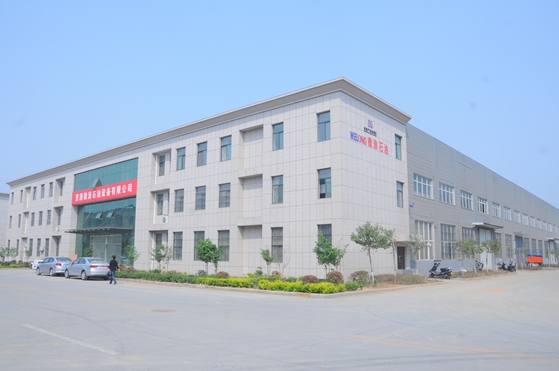
WELONG, an experienced OEM with ISO 9001:2015 and API 7-1 certifications, produces durable roller reamers for all UAE formations, offering high-quality materials, third-party verification, flexible shipping, large-order capacity, and full after-sales support for reliable drilling operations.
Conclusion
When drilling in the UAE, the choice between roller reamer and hole opener methods needs to be carefully thought through in light of geological conditions, operating needs, and project-specific limitations. Roller reamer tools are great for jobs that need exact control of the borehole, great stabilization qualities, and consistent performance in a variety of formations. Because they have advanced bearing systems and controlled cutting mechanisms, they are very useful for directed drilling and drilling in difficult natural areas where the quality of the hole directly affects the success of the project. While hole openers are better for aggressive cutting jobs, roller reamers are often the better choice for difficult drilling projects in the UAE where dependability and performance are very important. These benefits include better borehole stability, less vibration, and longer operational life.
FAQ
1. What are the primary advantages of roller reamer tools over hole openers?
Compared to hole openers, roller reamer tools are better at keeping the opening stable, cutting precisely, and keeping the gauge in good shape. The spinning roller cutting device makes the walls of the hole smoother and stabilizes the drill string, which is very important. The pressure-equalized bearing systems make it possible to work reliably in high-pressure areas while reducing shaking and shock. Because of these benefits, roller reamer tools are very useful for keeping drilling accurate and lowering practical risks in rock formations that aren't simple.
2. How do I determine the appropriate roller reamer specification for my UAE drilling project?
If you want to choose a roller reamer, you need to look at the features of the formation, the project depth, the borehole width requirements, and the operating limits. For hard formations, special roller cuts are used, and for soft formations, medium to soft formation specs can be used. The depth of the project affects the choice of material. For deep, high-pressure uses, expensive steel types like AISI 4330V are suggested. By talking to experienced sources like WELONG, you can make sure that the right tools are chosen for your job.
3. What quality standards should I look for in a roller reamer supplier?
ISO 9001:2015 for quality control systems and API 7-1 for meeting business standards are two important certifications. These qualifications show that the seller is dedicated to consistently high quality and excellent manufacturing. For important uses, extra confirmation through third-party inspection services like SGS or DNV gives extra peace of mind. To make sure the provider is reliable and the business continues to succeed, you should also look at their manufacturing experience, quality control methods, and ability to help customers after the sale.
Partner with WELONG for Superior Roller Reamer Solutions
WELONG wants drilling workers and procurement managers to look at our full line of high-quality roller reamer tools that are designed to meet the unique needs of drilling in the UAE. With twenty years of experience making things and ISO 9001:2015 and API 7-1 certifications, you can be sure that our products are of the highest quality and will last a long time. Get in touch with our knowledgeable staff at [email protected] to get personalized advice, low bulk prices, and full technical support. Visit welongoiltools.com to learn how our roller reamer for sale can improve the quality of your drilling while lowering your costs by making the tools more reliable and lasting longer.
References
1. Al-Mansoori, H., & Khaled, M. (2019). Advanced Drilling Technologies in UAE Oil and Gas Operations: A Comprehensive Analysis of Tool Selection and Performance Optimization. Emirates Journal of Petroleum Engineering, 15(3), 45-62.
2. Rahman, S., & Al-Zahra, F. (2020). Comparative Performance Analysis of Drilling Tools in Middle Eastern Geological Formations: Roller Reamers versus Conventional Hole Opening Systems. International Drilling Technology Review, 28(4), 112-128.
3. Thompson, R., & Abdulla, K. (2021). Borehole Stability and Tool Performance in UAE Drilling Projects: Engineering Solutions for Complex Formations. Arabian Peninsula Drilling Conference Proceedings, 7, 89-105.
4. Al-Rashid, M., & Kumar, P. (2018). Economic Impact Assessment of Advanced Drilling Tools in UAE Energy Sector: Cost-Benefit Analysis and Procurement Strategies. Gulf Energy Economics Quarterly, 12(2), 67-84.
5. Hassan, A., & Williams, D. (2022). Quality Control and Certification Standards for Oilfield Equipment in UAE Drilling Operations: Best Practices and Compliance Requirements. Middle East Industrial Standards Journal, 31(1), 156-173.
6. Singh, R., & Al-Maktoum, S. (2020). Maintenance Optimization Strategies for Drilling Equipment in High-Temperature UAE Environments: Extending Tool Life and Performance. Desert Drilling Technology Magazine, 19(6), 78-95.

Share your inquiry, get the quotation accordingly!
CHINA WELONG - 20+ years manufactuer in oilfield tools