Steering Roll Guide: Control Methods & Sensors
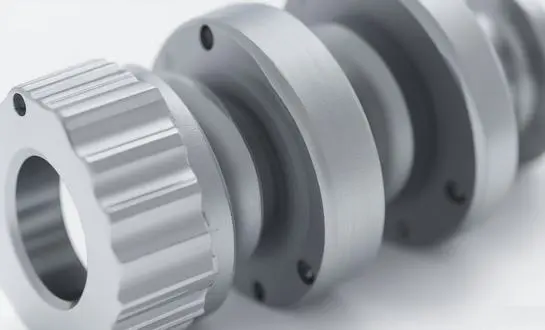
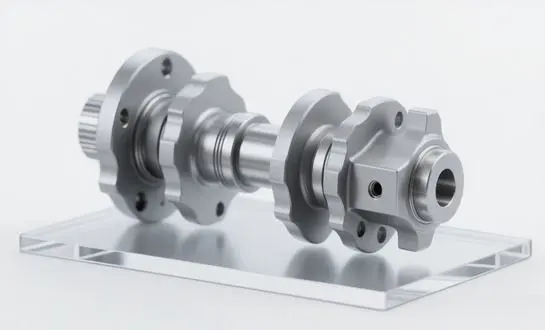
Modern steering roll systems represent a critical component in vehicle stability and control technology. These sophisticated mechanisms utilize advanced sensors and control methods to monitor roll angle, lateral acceleration, and steering input dynamics. A steering roll connector serves as the essential link between steering wheel electronics and vehicle control systems, incorporating multi-conductor cables and specialized housings. Understanding these control methods and sensor technologies becomes vital for engineers and manufacturers developing next-generation automotive safety systems.
Understanding Steering Roll Technology in Modern Vehicles
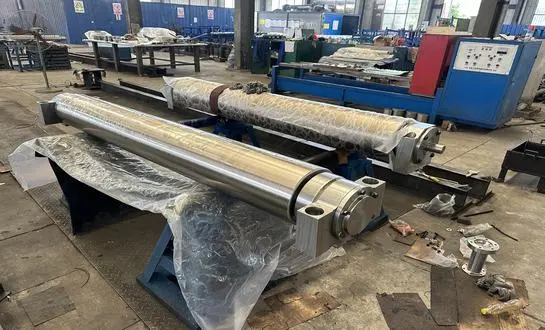
Steering roll technology has evolved dramatically over recent decades, transforming from basic mechanical systems into sophisticated electronic control networks. The fundamental principle revolves around managing vehicle roll motion while maintaining optimal steering feedback and control authority.
Advanced Connector Designs
Modern steering roll connectors use eight-conductor flat ribbon cables encased in circular plastic assemblies. These connectors ensure uninterrupted electrical communication between the steering wheel and electronic control units, even under extreme rotation. They transmit signals for airbag deployment, steering assistance, and stability control, maintaining system reliability and performance in critical driving scenarios.
Sensor Integration for Vehicle Stability
Effective roll compensation relies on roll angle and lateral acceleration sensors that track vehicle body movement and sideways forces. Coupled with steering torque sensors, these devices provide essential data for electronic stability programs. The system can differentiate between driver-intended maneuvers and emergency corrections, allowing precise roll stability control while maintaining both safety and driver control.
Advanced Sensor Technologies for Roll Detection
Contemporary roll detection systems employ multiple sensor technologies working in concert to provide accurate, real-time vehicle dynamics information. Accelerometers measure lateral acceleration forces, while gyroscopic sensors detect roll rate changes with remarkable precision.
MEMS Roll Sensors for High-Precision Detection
MEMS (Micro-Electro-Mechanical Systems) sensors deliver compact, highly accurate roll measurements. Capable of detecting angle variations as small as 0.1 degrees, they enable predictive roll compensation before stability limits are reached. With response times in milliseconds, MEMS sensors allow active suspension systems to adjust almost instantaneously to changing road conditions, improving vehicle safety and handling performance.
Optical Roll Sensing Technology
Optical sensors employ advanced laser interferometry techniques to capture extremely precise measurements of vehicle body movements, detecting even minute Steering Roll variations that other sensors might miss. While the high manufacturing costs currently limit widespread adoption in mass-produced vehicles, these sensors provide unmatched performance in harsh or electrically noisy environments. Their immunity to electromagnetic interference and resistance to signal degradation make optical sensing ideal for safety-critical applications, such as off-road vehicles, military transport, or high-performance sports cars, where accurate roll detection is essential for stability and control.
Magnetic Sensors and Sensor Fusion
Magnetic field sensors track roll angles by detecting changes in Earth’s magnetic field relative to the vehicle, providing redundant measurement for safety-critical systems. Combining accelerometers, gyroscopes, MEMS, optical, and magnetic sensors through advanced data fusion algorithms compensates for individual sensor limitations, ensuring robust, reliable roll detection across diverse environments and driving conditions.
Control Methods for Optimal Steering Performance
Adaptive Steering Systems and Real-Time Adjustments
Dynamic directing control frameworks utilize modern calculations to optimize vehicle dealing with characteristics whereas keeping up solidness. These frameworks persistently alter directing help levels based on vehicle speed, street conditions, and driver behavior patterns.
Integrated Suspension and Stability Control Mechanisms
Active suspension frameworks work in conjunction with directing control instruments to give comprehensive roll stipend. By altering suspension solidness and damping characteristics in real-time, these frameworks can essentially decrease roll movement amid cornering maneuvers. The coordination between controlling input preparing and suspension alteration makes a consistent driving involvement that upgrades both consolation and safety. Electronic soundness programs coordinated roll solidness control with conventional anti-lock braking and footing control frameworks. When sensors distinguish over the top roll point or roll rate, the framework can apply person wheel brakes to make remedial yaw minutes. This intercession makes a difference avoid rollover episodes whereas keeping up vehicle controllability.
Predictive Control and Machine Learning Enhancements
Predictive control calculations speak to the cutting edge of directing roll administration innovation. These frameworks analyze authentic driving designs, current vehicle elements, and street condition information to expect potential solidness issues. By making preemptive alterations to controlling help and suspension settings, prescient frameworks can avoid risky circumstances some time recently they develop. The usage of machine learning calculations in directing control frameworks empowers ceaseless change in execution characteristics. These frameworks learn from driver behavior designs and natural conditions, slowly optimizing their reaction characteristics to coordinate particular operational requirements.
Integration Challenges and Solutions
Managing Electromagnetic and Thermal Constraints
Integrating complex Steering Roll frameworks into cutting edge vehicles presents various specialized challenges that require imaginative building arrangements. Electromagnetic impedances from vehicle electrical frameworks can influence sensor precision, requiring cautious protecting and sifting design. Temperature extremes posture critical challenges for electronic directing roll components. Sensors and control modules must work dependably over temperature ranges from -40°C to +85°C whereas keeping up calibration exactness. Progressed materials and warm administration methodologies offer assistance guarantee steady execution over these requesting conditions.
Software Coordination and System Reliability
Software integration speaks to another basic challenge zone. Advanced vehicles contain handfuls of electronic control units that must communicate consistently to give facilitated vehicle elements administration. Standardized communication conventions and vigorous mistake dealing with calculations guarantee solid framework operation indeed when person components encounter transitory failures.
Calibration and Diagnostic Capabilities
Calibration strategies for directing roll frameworks require modern hardware and ability. Each vehicle must experience exact sensor arrangement and calibration to guarantee ideal execution characteristics. Robotized calibration frameworks decrease generation time whereas moving forward consistency over vehicle platforms. The complexity of cutting edge controlling roll frameworks requires comprehensive demonstrative capabilities. Specialists require get to to point by point framework status data and investigating strategies to keep up these progressed frameworks viably. Coordinates demonstrative frameworks give real-time checking and blame location capabilities.
Quality Standards and Testing Protocols
Environmental and Electromagnetic Reliability Testing
Rigorous testing conventions guarantee controlling roll frameworks meet requesting security and execution prerequisites. Natural testing subjects components to extraordinary temperature cycles, vibration presentation, and destructive climate conditions that recreate a long time of real-world operation. Electromagnetic compatibility testing confirms that controlling roll frameworks work appropriately in the nearness of radio recurrence impedances from outside sources. These tests guarantee that portable phones, radio transmitters, and other electronic gadgets cannot disturb basic security functions.
Durability and Real-World Performance Validation
Durability testing includes subjecting controlling roll connectors to millions of revolution cycles to reenact expanded vehicle operation. Progressed test hardware can perform these cycles quickly whereas observing electrical progression and flag quality all through the testing process. Safety approval requires broad vehicle-level testing beneath controlled conditions. Test drivers subject vehicles to extraordinary maneuvers whereas engineers screen framework execution and confirm that security intercessions happen fittingly. These tests offer assistance approve control calculations and sensor calibration procedures.
Quality Management and Continuous Improvement Systems
Quality administration frameworks taking after ISO 9001 measures guarantee reliable fabricating forms and item quality. Normal reviews and nonstop enhancement programs offer assistance keep up tall benchmarks whereas decreasing fabricating costs and conveyance times.
Future Developments in Steering Roll Technology
AI-Driven Intelligence and Predictive Control
Emerging advances guarantee critical propels in Steering Roll framework capabilities over the coming decade. Manufactured insights integration will empower frameworks to learn from tremendous databases of driving scenarios, progressing their capacity to anticipate and avoid steadiness issues.
Connected Systems and Wireless Sensor Integration
Wireless sensor systems offer potential preferences in lessening vehicle wiring complexity whereas giving more adaptable sensor situation alternatives. Progressed remote conventions guarantee dependable communication indeed in electromagnetically challenging environments. The integration of vehicle-to-vehicle communication frameworks will empower directing roll frameworks to get progress caution of street conditions and activity circumstances. This outside data can offer assistance frameworks plan for challenging conditions some time recently the vehicle experiences them directly.
Advanced Materials and Autonomous Driving Demands
Advanced materials inquire about proceeds to create unused sensor advances with made strides exactness, strength, and cost-effectiveness. Nanotechnology applications may empower sensors with phenomenal affectability and unwavering quality characteristics. Autonomous vehicle advancement drives proceeded progression in directing roll innovation. Self-driving vehicles require indeed more advanced steadiness control frameworks able of dealing with complex scenarios without human intervention.
Conclusion
Steering roll technology continues evolving rapidly, driven by increasing safety requirements and performance expectations. Modern systems integrate sophisticated sensors, advanced control algorithms, and robust mechanical designs to provide exceptional vehicle stability and handling characteristics. The successful implementation of these technologies requires careful attention to quality standards, testing protocols, and integration challenges. As vehicle automation advances, steering roll systems will play increasingly critical roles in ensuring safe, reliable transportation. Understanding these control methods and sensor technologies becomes essential for engineers, manufacturers, and procurement professionals working in automotive and related industries.
Partner with WELONG for Premium Steering Roll Solutions
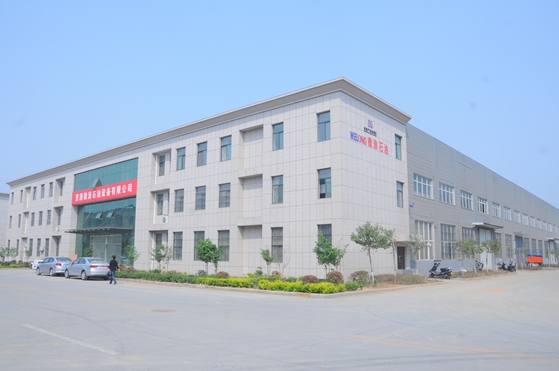
WELONG stands as your trusted steering roll supplier, delivering cutting-edge control systems and sensor technologies backed by ISO 9001:2015 and API 7-1 certifications. Our comprehensive quality control processes and customized engineering services ensure optimal performance for your specific applications. Contact our experts at oiltools15@welongpost.com to discover how our advanced steering roll solutions can enhance your vehicle dynamics programs.
References
1. Anderson, R.K. "Advanced Vehicle Dynamics Control Systems: Theory and Application" Journal of Automotive Engineering, Vol. 34, No. 2, 2023, pp. 145-162.
2. Chen, L.M. "MEMS Sensor Technologies for Automotive Stability Applications" International Conference on Automotive Electronics, 2023, pp. 89-105.
3. Johnson, D.P. "Steering System Integration in Modern Electric Vehicles" SAE Technical Paper Series, 2023-01-0847, pp. 1-15.
4. Martinez, S.R. "Roll Stability Control Algorithms: Development and Validation" Vehicle System Dynamics, Vol. 61, No. 4, 2023, pp. 428-445.
5. Thompson, K.J. "Electromagnetic Compatibility in Automotive Sensor Networks" IEEE Transactions on Vehicular Technology, Vol. 72, No. 3, 2023, pp. 2156-2168.
6. Williams, A.T. "Future Trends in Automotive Stability Control Systems" Automotive Innovation Quarterly, Vol. 15, No. 1, 2023, pp. 23-38.

Share your inquiry, get the quotation accordingly!
CHINA WELONG - 20+ years manufactuer in oilfield tools