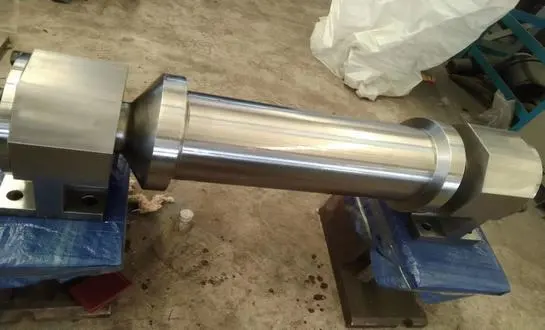
How tension rollers improve engine efficiency?
Tension rollers are very important for the efficiency of the engine mainly because they are able to keep the belt properly tensioned. A balanced tension system provides drive belts with the capacity to transmit power efficiently and reduce energy losses caused by belt instability.
Low belt tension may cause the belt to slide against the pulleys resulting in poor power transfer and more wear. However, high tension may impose extra loads on bearings and other components. Tension rollers keep the balance right so that the belt system can run smoothly and effectively.
Optimal power distribution
Tension rollers are used to provide the proper power distribution of the engine accessory drive system. They help maintain belt tension and to provide constant power to linked components from the engine.
A correctly working tension roller system avoids the belt running off and minimises the chance of accessory performance problems. This balanced functioning means that components such as alternators and air conditioning compressors may run more dependably, helping overall vehicle economy.
In automobile applications, consistent power transmission is of special importance, as accessory systems must work in continuous operation with varying engine speeds and driving circumstances.
Reduced friction and heat generation
Another key advantage of good performance Tension rollers reduce friction and heat buildup inside the belt drive system.
With the right amount of tension on the belt, it will glide easily across pulleys and rollers with minimal resistance. There is less wasted energy with less friction, and belts, bearings and other associated components experience less wear.
Lower friction levels may enhance service intervals and increase dependability of the belt drive system. For vehicle manufacturers and service engineers, limiting maintenance needs and extending the life of the system is a key role in decreasing component wear.
Enhanced accessory performance
The performance benefits of Tension rollers are not confined to the belt system alone. Automotive accessories such as alternators, power steering pumps and air conditioning compressors all need a reliable belt operation for them to work effectively.
Consistent belt tension ensures these components obtain dependable power output from the engine. This means smoother functioning, higher system dependability and a better driving experience.
Thus, good quality tension rollers are a crucial component for the long-term functioning of engine accessory systems in automotive applications.
Common issues with automotive tension rollers
Tension rollers are built for dependable service over long periods of operation, but they are nonetheless subject to wear via constant movement, environmental factors, and the conditions of operation. Fixing the same problems early may avoid further damage to the belt drive system and other parts of the engine.
Regular inspection and timely maintenance are vital to ensure that tension rollers continue to provide optimum belt tension and enable steady accessory functioning.
Bearing wear and failure
The wear of the bearings is one of the most prevalent difficulties of the automobile tension rollers. Bearings are operating all the time and are exposed to heat, vibration and pollutants from the engine environment, so they may lose performance over time.
The usual signs of a bearing problem are abnormal operating noises, such as squealing or grinding, irregular movement of the rollers and an increase in vibration. If the bearing damage is not corrected, the tension roller might lose the ability to keep the belt aligned and tensioned correctly, which will have a detrimental impact on the overall belt drive system.
Timely replacement of worn components reduces the risk of damage to the belt and may avoid possible failures of linked accessories.
Misalignment and improper tension
Tension rollers may be misaligned by improper installation, mechanical damage or long-term vibration. If the alignment is off, the belt may not be in even contact with the pulleys, causing excessive wear, increased noise and lower gearbox efficiency.
Another typical problem is incorrect tension. If the belt is too loose, it may slide, reducing the efficiency of power transmission. If the belt is too tight, it can increase the stress on the bearings, pulleys and accessory components.
Therefore, maintaining the right degree of tension is vital for attaining stable operation and prolonging the service life of the complete belt drive system.
Environmental factors
The performance and longevity of automobile tension rollers may also be affected by environmental conditions. Temperature, moisture, dust and other pollutants may speed up ageing and wear of components.
For example, belt systems and associated components in vehicles operating in severe temperature settings may be required to meet greater demands. High temperatures may cause increased stress levels inside materials, while the presence of moisture and impurities can cause corrosion or lower mechanical performance.
Through regular inspection and selection of the correct tension rollers for the specific operating environment, reliability can be enhanced and unexpected maintenance problems minimised.
Upgrading your vehicle's tension roller system
The development of automobile technology is also leading to improvements in the design of tension rollers to satisfy increasing criteria for efficiency, durability and dependability. Replacing worn or aged parts of the tension roller system of a vehicle might assist enhance belt drive performance.
Upgrades involve consideration of material quality, operational circumstances, compatibility and system requirements.
High-performance materials
Modern Tension rollers often employ superior materials and manufacturing methods that are meant to provide higher durability and performance compared to earlier types.
For example, improved bearing systems may minimise friction and increase operating stability under challenging settings. Properly manufactured tension rollers may assist to keep the belt system’s performance constant and contribute to extended component life.
Automotive manufacturers and replacement part suppliers need to choose materials carefully to design dependable tension roller systems.
Smart tension systems
Some contemporary cars have superior tension control technology that automatically adjusts belt tension to operating circumstances.
They are designed to adapt to changes in engine load and driving circumstances to enhance belt stability. Although updating older cars with such technology may need extra system adjustments, intelligent tension control is a viable route for future automotive research.
With optimised tension management, these systems can help contribute to better efficiency and more consistent accessory performance.
Integrated diagnostics
Automotive systems are becoming more and more modernised to monitor the health of components using diagnostic technology. Monitoring features might be included into future tension roller systems to assist discover possible problems before they become significant failures.
Diagnostic systems may be used to assist preventative maintenance programs by monitoring operational parameters like vibration, temperature variations or aberrant movement.
Early identification of faults helps vehicle owners and maintenance teams to respond more effectively, saving downtime and enhancing the overall dependability of the vehicle.
Conclusion
To summarise, Tension rollers are crucial elements in automotive belt drive systems that are necessary to preserving appropriate belt tension, enhancing power transmission efficiency, and guaranteeing dependable vehicle functioning.
They are very modest in size compared to key engine components, but their functioning directly influences the reliability of auxiliary systems like as alternators, air conditioning compressors and power steering systems. Tension rollers reduce belt slip and regulate vibration to minimise needless wear, helping to extend service life and increase automotive component dependability.
As automotive technology advances, the tension roller design is anticipated to be significantly enhanced in aspects such material performance, system integration, condition monitoring, etc. To ensure the vehicle can operate efficiently and stably, appropriate tension rollers that are dependable in quality and have the right specifications should be selected.
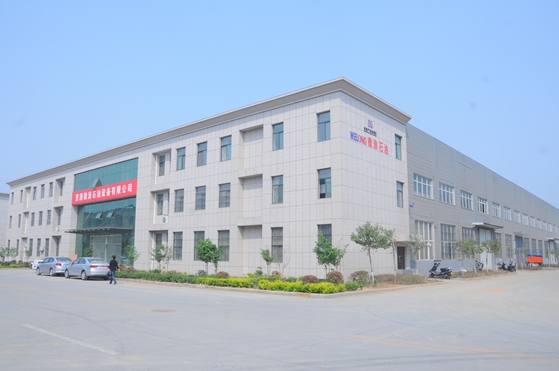
Welong offers reliable automotive components for organisations searching for quality tension rollers and associated solutions tailored to specific application needs. Welong helps clients based on the performance of components and the demands of customers seeking dependable goods in automotive systems.
For more information about tension rollers and related automotive components, please contact our team at oiltools15@welongpost.com.