The blowout preventer is a cornerstone safety device in oil and gas drilling operations, designed to control sudden pressure surges and prevent catastrophic blowouts. Regular maintenance of this vital equipment ensures it remains reliable when emergencies occur. Well-maintained blowout preventers maintain seal integrity, reduce the risk of failure, and extend equipment lifespan, directly contributing to safer offshore drilling and better pressure control on site. Neglecting maintenance can lead to costly downtime, increased safety hazards, and greater environmental risks such as oil spills during deepwater exploration.
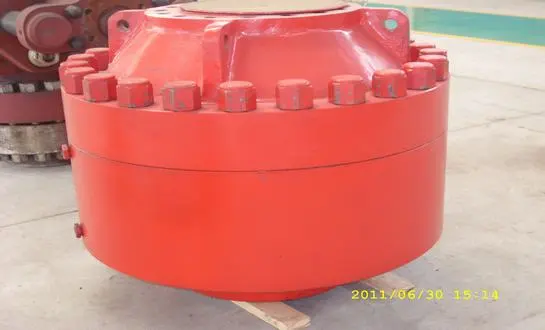
Key Parameters for Monitoring Blowout Preventer Performance
Effectively maintaining blowout preventers depends on monitoring several core indicators that reflect their condition and readiness:
- Seal Integrity: Regular inspections ensure the elastomeric packing elements, responsible for sealing, remain undamaged and capable of withstanding high wellbore pressures.
- Hydraulic System Pressure: Maintaining optimal hydraulic pressure in the control pod and accumulator unit guarantees swift and reliable closure during emergencies.
- Functionality of Shear Rams and Annular Preventers: Timely testing confirms that both components can effectively perform well control, even on varying drill pipe sizes.
- Response Time: Monitoring the closing speed of safety valves and emergency shutdown mechanisms helps detect any mobility or mechanical impairments.
- Wear and Corrosion Levels: Regular checks for corrosion, especially in subsea equipment exposed to harsh environments, prevent unexpected failures.
Core Benefits of Regular Maintenance
Consistent upkeep of blowout preventers delivers numerous advantages beyond compliance with safety standards. Key benefits include:
- Enhanced Safety: Well-maintained equipment significantly lowers the risk of uncontrolled wellbore kicks, protecting personnel and the environment.
- Increased Operational Efficiency: By preventing leaks and pressure losses, maintenance helps drilling rigs maintain optimal performance without costly interruptions.
- Minimized Downtime: Proactive servicing and inspections reduce unexpected failures, keeping the drilling schedule on track and controlling costs.
- Cost Savings: Avoiding major repairs and replacements through routine checks optimizes budgeting and resource allocation.
- Compliance and Certification Support: Meeting API 16A and ISO 9001:2015 standards through maintenance ensures regulatory approval and client confidence.
How WELONG's Blowout Preventers Outperform Competitors
At WELONG, we specialize in delivering blowout preventers that combine cutting-edge engineering with rigorous quality control. Our products stand out in several ways:
- Precision Engineering: Our BOP stack components, including annular preventers and shear rams, undergo meticulous manufacturing processes to ensure tight sealing and rapid emergency shutdown capability.
- Reliable Materials: We use reinforced elastomeric packing elements designed to resist abrasion, corrosion from drilling mud, and effects of sour gas environments.
- Comprehensive Testing: Each blowout preventer is field-tested to simulate real wellhead and riser system pressures, assuring superior performance under demanding conditions.
- Customized Solutions: We tailor blowout preventer assemblies to meet specific drilling rig configurations and offshore applications, supporting both shallow and deepwater explorations.
- Prompt Delivery and Service: Our supply chain excellence ensures timely delivery, while our after-sales support team addresses inquiries swiftly to minimize operational downtime.
Maximizing the Benefits of Your Blowout Preventer
Purchasing from WELONG is the first step toward reliable well control. To fully capitalize on your blowout preventer, consider the following practices:
- Schedule Regular Inspections: Implement a maintenance regimen based on manufacturers' guidelines, with frequency adjusted for subsea or high-pressure operations.
- Train Personnel: Invest in operator training to understand blowout preventer functionality and perform routine checks confidently.
- Use Genuine Parts: Always replace worn components with WELONG-certified packing units, seals, and hydraulic system parts to maintain performance.
- Monitor Hydraulic Controls: Ensure accumulator units and control pods function with proper pressure to guarantee rapid closure in emergencies.
- Document Maintenance Activities: Keep thorough records supporting regulatory audits and continuous improvement of safety protocols.
Important Notes on Blowout Preventer Maintenance
Maintaining a blowout preventer demands attention to detail and adherence to safety standards. Key reminders include:
- During maintenance, avoid exceeding closing pressures recommended by the manufacturer to prevent premature wear on elastomer components.
- Environmental factors like saltwater corrosion or exposure to hydrogen sulfide require selecting appropriate elastomer material compatible with drilling mud chemistry.
- Replace packing elements proactively before deterioration critically impacts sealing effectiveness.
- Maintain a calibrated hydraulic system to ensure accurate control pod pressures and prevent accidental closures or failures to seal.
- In emergency shutdown tests, verify the system's ability to respond swiftly without delay or mechanical hesitation.
Conclusion
Maintaining blowout preventers regularly ensures reliable well control, enhances the safety of drilling operations, and curtails downtime and maintenance expenditures. Through diligent monitoring of seal integrity, hydraulic system condition, and mechanical components, operators can safeguard their drilling rigs against costly and dangerous blowouts. Partnering with a trusted supplier like WELONG guarantees access to superior quality blowout preventers engineered for durability and efficient performance. Prioritizing maintenance creates a solid foundation for safe, efficient, and compliant oilfield operations—benefiting both workers and the environment.
Frequently Asked Questions
Q1: How often should blowout preventers be inspected?
A: Blowout preventers typically require inspection at intervals defined by well control regulations and operational conditions, generally before deployment and at regular intervals every 3 to 6 months during service, with additional checks after any emergency shutdown.
Q2: What role does hydraulic pressure play in blowout preventer functionality?
A: Hydraulic pressure powers the closing pistons and control pods, enabling rapid sealing of the wellbore. Maintaining optimal pressure ensures the preventer can quickly isolate the well in case of kicks or pressure surges.
Q3: Can blowout preventers be repaired in the field or do they require factory servicing?
A: Minor repairs and part replacements can often be performed on-site by trained technicians, but critical components or packing element replacements might require factory servicing to guarantee quality and certification.
Q4: What are the risks of neglecting blowout preventer maintenance?
A: Neglected blowout preventers can fail to seal during pressure events, risking blowouts, oil spills, costly downtime, damage to drilling rigs, environmental harm, and legal penalties.
Q5: How does WELONG ensure the quality of its blowout preventers?
A: WELONG employs stringent quality control standards, including API 7-1 and ISO 9001:2015 certifications, performing factory testing, pressure simulations, and material verification before delivery.
Q6: Are WELONG blowout preventers suited for deepwater drilling applications?
A: Yes, WELONG designs blowout preventers with materials and hydraulic systems engineered to withstand the extreme pressures and environments encountered during deepwater exploration.
Where to Buy Blowout Preventer
For reliable blowout preventers tailored to your drilling requirements, WELONG offers an extensive portfolio backed by decades of industry expertise. Reach out for customized solutions and experienced guidance to optimize your wellhead control systems. Contact us at oiltools15@welongpost.com for detailed product information and personalized consultations. Our commitment to quality, timely delivery, and responsive after-sales service makes us a preferred partner for Blowout Preventer contractors and manufacturers.
References
- API Recommended Practice 53: Blowout Prevention Equipment Systems for Drilling Wells
- International Association of Drilling Contractors (IADC) Well Control Guidelines, 2019 Edition
- “Well Control Operations and Blowout Prevention,” The Petroleum Institute Technical Report, 2020
- B. Smith, “Hydraulic Control Systems for Offshore Blowout Preventers,” Journal of Petroleum Technology, 2021
- American Petroleum Institute, “Specification for Wellhead Equipment and Tree Equipment,” API 6A
- C. Johnson, “Risk Management and Maintenance Strategies for Subsea Blowout Preventers,” Offshore Technology Conference, 2018