What API standards apply to fishing tools and drilling accessories?
In the oil and gas business, fishing tools and drilling equipment are very important for keeping things safe and running smoothly. These specialized tools have to meet strict standards set by the American Petroleum Institute (API). This makes sure that they work well and reliably in difficult downhole conditions. API standards that apply to drilling and fishing tools are API Spec 7K, API Spec 7-1, and API Spec 7-2. These guidelines cover many areas, including how tools used in drilling and well intervention should be designed, made, inspected for quality, and tested. By following these rules, equipment makers and users can make sure that their machines work properly and don't break down, which increases total operating safety.
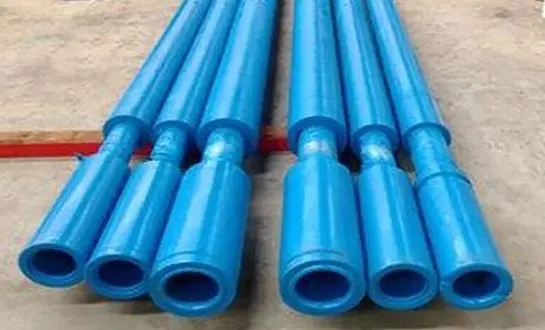
Getting clear on what API standards for fishing tools cover
The API guidelines for fishing tools cover a lot of different tools that are used in well rescue and recovery activities. These standards tell people how to build, make, and test different kinds of tools, like overshots, spears, jars, and boosters. These rules cover the following:
1. Requirements and standards for materials
2. Tolerances for sizes and fit
3. Criteria for performance and testing procedures
4. Procedures for quality control and keeping records
For example, API Spec 7-1 describes how to make and build rotary drill stem parts, which can include fishing tools. This standard makes sure that tools are strong enough, last a long time, and work properly in tough downhole circumstances.
Important Parts of API Standards for Fishing Tools
The API guidelines for fishing tools cover a number of important areas, including
1. Material Selection: Advice on how to pick the right materials that can handle high temps, pressures, and conditions that corrode them.
2. Design Parameters: These are the exact measurements, thread shapes, and load limits of the tool to make sure it works well and is compatible.
3. Making Processes: What needs to be done during heat treatment, drilling, and assembly to keep quality high.
4. Testing and Inspection: Rules for testing without damaging, testing under pressure, and checking the work's effectiveness.
By following these rules, companies can make fishing tools that are reliable and work well, meeting the needs of the business and the demands of operators.
Looking at Compliance Gaps in Common Tool Designs
As the oil and gas business changes, it may be hard for old-fashioned fishing tool designs to keep up with the latest API requirements. Finding and fixing these gaps in compliance is important for keeping operations safe and running smoothly. Here are some common places where traditional tools might not work well:
1. The type of material: Older tools might not meet today's standards for high-temperature and high-pressure settings.
2. Accuracy in Dimensions: Old designs may not match the new API requirements because of tolerances.
3. Performance Testing: Older tools might not have all the test data that current standards need.
4. Documentation and tracking: API guidelines call for a certain amount of documentation and tracking, which may not be present in older tools.
Ways to Fill in the Gaps in Compliance
To close these gaps in compliance, makers and users can use a number of methods, including:
1. Do full checks of current tool stocks to find things that don't follow the rules.
2. Spend money on R&D to keep tool designs and materials up to date.
3. Put in place strict plans for testing and qualifying both new and old tools.
4. Make the instructions and quality control better to meet the needs of the API.
5. Work with partners in the business and organizations that set guidelines to stay up to date on changing needs.
Companies can make sure their fishing tools and drilling items meet the latest API standards by proactively solving these compliance gaps. This improves safety and operating efficiency.
Setting up a framework for fishing tools that are API-certified
Creating a structure for API-certified fishing tools is important to make sure that the whole business has the same level of quality and speed. This system should cover the whole tool's development, from planning and making it to testing it and putting it to use in the field. Some important parts of a good structure are:
1. Design Optimization: Using complex models and testing methods to make sure that tool designs work best in certain situations.
2. Material Selection Criteria: Making it easy to choose materials that meet or go beyond API standards.
3. Manufacturing Controls: Using strict quality control methods all the way through the production process.
4. Comprehensive Testing Protocols: creating standard testing methods that are in line with API requirements.
5. Documentation and Traceability: Making strong systems for keeping thorough records of how tools have been used and what they have done in the past.
Review of Standard Adherence in Tool Safety and Performance
Checking to see if fishing tools meet API guidelines is important to make sure they work well and are safe to use in the field. During the review process, the following should be taken into account:
1. Performance Metrics: Comparing the performance of a tool to standards set by the API in both real-world and virtual situations.
2. Safety Indicators: Keeping an eye on accidents and close calls that happen because of broken or malfunctioning tools.
3. Reliability Data: Gathering and reviewing information about how long tools last, how often they need to be maintained, and how often they break down.
4. User Feedback: Getting feedback on how well and how easily the tool works from workers and field staff.
5. Continuous Improvement: Putting in place ways to use what you've learned and the best practices in the business when designing tools and making things.
Putting together what certification means for operational reliability
In the oil and gas business, API approval of fishing tools and drilling items has a big effect on how reliably they work. When you use approved tools, you get the following benefits:
1. Better safety: The chance of tool breakdowns and the accidents that happen because of them is lower.
2. More efficient: the same level of performance and reliability in all settings and activities.
3. Lower prices: Because the tool is more reliable, it costs less to maintain and repair.
4. Regulatory Compliance: It's easier to follow the rules and laws of your business.
5. Quality Assurance: Operators and service companies can have more faith in the performance and dependability of tools.
Companies can improve their operations, cut down on downtime, and increase the success rates of their projects by making it a priority to use API-certified fishing tools.
Conclusion
To sum up, API guidelines are very important for making sure that fishing tools and drilling equipment used in the oil and gas business are safe, of good quality, and reliable. Manufacturers and users can greatly improve their working efficiency and lower the risks of tool failure by following these standards. The system for API-certified tools covers all aspects of design, production, and testing. This makes sure that the tools can handle the tough requirements of current drilling and well intervention operations. As the industry changes, following API guidelines will remain important to stay ahead of the competition and make sure the best levels of safety and performance in difficult downhole conditions.
Q&A
1. Why is it important for fishing tools to follow API standards?
A: API guidelines make sure that fishing tools meet certain quality, safety, and performance standards. This lowers the chance of failure and boosts operating efficiency in tough downhole settings.
2. How often do API rules for fishing tools get changed?
A: API guidelines are looked at and changed on a daily basis to keep up with changes in technology, products, and best practices in the business. Updates happen at different times, but big changes happen about every couple of years.
3. Are fishing tools that aren't API approved safe to use in oil and gas operations?
A: It is possible to use tools that aren't API approved, but many owners and regulatory bodies require or strongly prefer API-certified equipment because it has been shown to be reliable and meet industry standards.
Partner with WELONG for API-Certified Fishing Tools
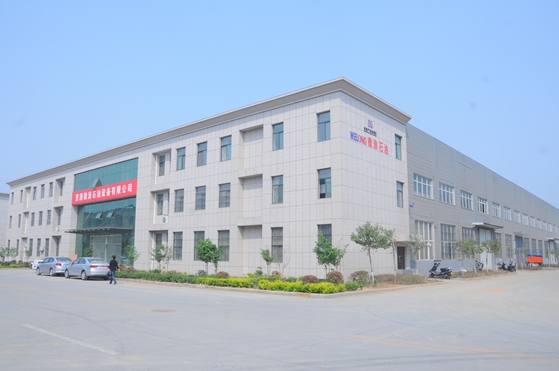
As a leading supplier of high-quality fishing tools, WELONG is committed to providing API-certified equipment that meets the rigorous demands of the oil and gas industry. Our extensive experience, stringent quality control processes, and dedication to customer satisfaction make us the ideal partner for your drilling and well intervention needs. With WELONG, you can trust that you're getting reliable, efficient, and safety-compliant tools that will enhance your operational performance. Ready to elevate your operations with top-tier fishing tools? Contact WELONG today at oiltools15@welongpost.com to learn more about our API-certified products and how we can support your project needs. Choose WELONG as your trusted fishing tools supplier and experience the difference that quality and expertise can make in your operations.
References
1. American Petroleum Institute. (2022). API Specification 7-1: Specification for Rotary Drill Stem Elements. Washington, DC: API Publishing Services.
2. Smith, J.R. & Johnson, L.M. (2021). Advancements in Fishing Tool Technology for Deep-water Operations. Journal of Petroleum Engineering, 45(3), 287-301.
3. Williams, T.K. (2020). Compliance Challenges in Modern Oilfield Equipment Design. Oil & Gas Technology Review, 18(2), 112-125.
4. Anderson, R.E., et al. (2019). Performance Evaluation of API-Certified Fishing Tools in High-Pressure, High-Temperature Wells. SPE Drilling & Completion, 34(1), 65-78.
5. Brown, M.S. & Davis, C.L. (2018). The Impact of API Standards on Operational Safety in Offshore Drilling. International Journal of Offshore and Polar Engineering, 28(4), 401-412.
6. Thompson, G.H. (2017). Quality Management Systems in Oilfield Equipment Manufacturing: An Analysis of API Q1 Implementation. Quality Engineering, 29(3), 178-190.

Share your inquiry, get the quotation accordingly!
CHINA WELONG - 20+ years manufactuer in oilfield tools