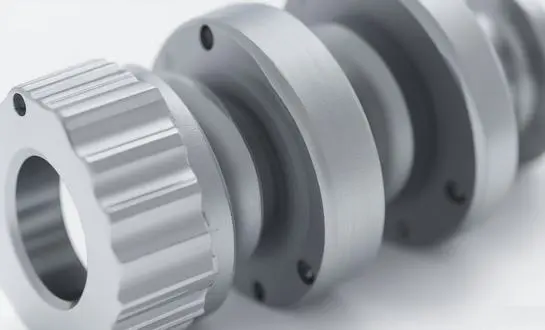
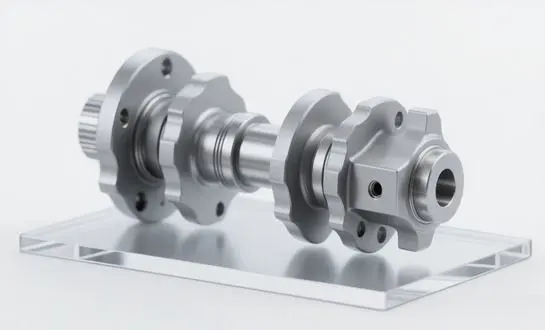
Casing scrapers are very important for keeping oil and gas wells in good shape and working well. These special tools are made to clean the inside walls of well cases by getting rid of dirt, cement, and other things that don't belong there that build up over time. To ensure their life and peak performance, casing scrapers must be properly maintained. This complete guide will go over common care tips for casing scrapers that will help you get the most out of them and make them last as long as possible.
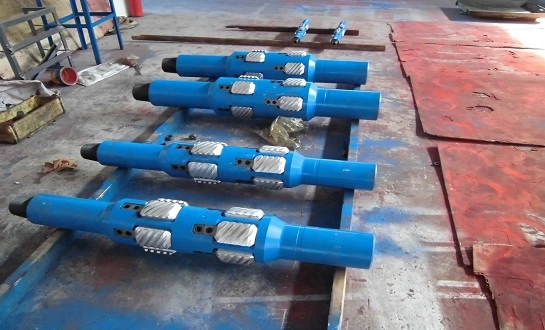
Assessing the Current State of Casing Scraper Maintenance
What kind of care are you giving your casing scraper now? That's what you should do before reading specific repair tips. It will help you figure out what needs to be fixed and give you a way to measure how well your repairs are going.
Putting together an in-depth search
First, take a close look at your casing scrapers. Look for signs of damage, wear, or rust on all the parts, such as the mandrel, blades, and springs. Keep a close eye on the scraper blades because they're the main parts that touch the case wall. Things that are wrong should be written down, such as worn or bent blades, loose links, or broken seals.
Going over maintenance records
Look at your maintenance records to find out how often and what kinds of repair tasks were done on your casing scrapers. Repair records, downtime, and speed problems should all be looked at for trends. This knowledge will help you find problems that keep happening and figure out how well your current repair methods are working.
Looking at Data on Performance
Look at the performance information of your casing scrapers, such as how well they clean, how long they run, and any problems they have while they're being used. This study will tell you a lot about the general health and effectiveness of your tools, which will help you figure out what needs to be fixed or improved right away.
Finding the main problems that shorten the service life of a scraper
Before you can figure out how to fix your casing scrapers, you need to know what makes them break down. It is possible to care for and make tools last longer by focusing on the most important parts when you know about these bottlenecks.
The Blades of a Scraper Get Worn Out
People often have trouble with casing scrapers because the blades wear out quickly. When these blades clean the case walls, they slip and rub against each other all the time. This wears them down over time. Some things that can speed up blade wear are how sharp the case material is, how often the tool is used, and rough dirt on the blade.
Chemical break down and normal wear and tear
Downhole, where temps and pressures are often very high and chemicals are used to break down metal, it can be hard on casing scrapers. When chemicals and corrosion break down a tool, they can weaken its structure. This can make it break down faster or not work as well. Finding out exactly what kinds of dangerous substances are near your well is important for taking the right safety measures.
Machines that cause stress and tiredness
A lot of mechanical stress is put on casing scrapers while they are working. This stress comes from hits, shocks, and spinning forces. Over time, these forces can wear out parts like springs, joints, and even the tube itself. If you know the exact mechanical loads that your scrapers are put under, you can fix and improve them better.
Getting into the basics of preventive maintenance
Preventive maintenance is a responsible way to take care of your casing scrapers. The goal is to find and fix small problems before they become big ones. By putting in place a strong preventive repair program, you can make your tools last much longer and avoid unplanned downtime.
Cleaning and inspections on a regular basis
Make sure that your casing scrapers are checked regularly, even when they're not being used. During these checks, all parts should be carefully looked at visually, and they should also be put through practical tests to make sure they work right. Also, make sure you clean it regularly to get rid of any leftover dirt or debris that may have gathered during travel or storage.
Keeping things moving and safe
For the moving parts in your casing scrapers to keep running smoothly, they need to be properly oiled. Make a plan for lubrication based on what the maker says and how your tools are used generally. Also, think about giving weak parts safe coverings or treatments that will make them more resistant to rust and wear.
Replacing and upgrading parts
Set clear guidelines for when to replace wear items like scraper blades, springs, and seals. This will help you be more proactive about replacing parts. This method helps keep things running smoothly and stops problems from happening out of the blue. Also, keep up with any changes or new parts that are released that can make your casing scrapers last longer and work better.
Setting up a detailed maintenance plan and procedure
For regular care of your casing scrapers, you need a well-organized repair plan and process. You can simplify your maintenance work and get the most out of your preventative maintenance program by making and sticking to a thorough plan.
Putting Together a Full Checklist
Create an in-depth list that includes all the important parts of casing scraper upkeep, such as when to inspect, how to clean, when to lubricate, and when to replace a part. This list should be changed to fit your unique casing scraper types and how they are used to make sure that no important maintenance jobs are missed.
Setting up regular maintenance times
Figure out how often upkeep should be done by looking at things like the number of hours the system is used, the state of the well, and past performance data. These breaks should be just long enough to make sure that patients get the care they need while also avoiding too much rest. You might want to set up a maintenance plan with different levels of frequency for regular checks, small repairs, and big overhauls.
Training and keeping records
Make sure that your repair staff gets thorough training to make sure they understand how to maintain casing scrapers. Make thorough records that include step-by-step instructions, how-to tips for fixing problems, and safety rules. This paperwork is helpful for your team because it gives them a place to start and helps you be consistent with how you do maintenance.
Checking for Better Scraper Reliability and Cost-Effectiveness
To find out how well your repair is working, you need to set up a way to check and keep an eye on how reliable and cost-effective your casing scrapers are. This process of proof lets you make choices based on data and keep making your management plan better.
Analysis and monitoring of performance
Set up a reliable way to keep track of how well your casing scrapers are working over time. Gather information on important measures, like how well the cleaning works, how long it takes, and any cases of downtime. Regularly look at this data to find patterns, see how your repair work is working, and find places where you can make things even better.
A cost-benefit study
Do cost-benefit studies on a daily basis to see how your repair program is affecting your budget. Compare the prices of preventative maintenance to the money you could save by having less downtime, tools that last longer, and better operations that run more smoothly. This study will help you show that your maintenance investments are worth it and find ways to make your maintenance plan even better.
Always Getting Better
You can keep making your casing scraper maintenance better by using what you learn from tracking performance and comparing costs and benefits. Review and change your repair plans on a regular basis, adding new technologies, methods, and best practices as they come out. Get comments from your workers and repair staff to find ways to improve and come up with new ideas.
Conclusion
Because they are used in oil and gas, casing scrapers need to be well taken care of so they last a long time, work well, and are safe to use. Having a full maintenance plan with regular checks, preventative care, and performance tracking is a great way to make your tools last longer and work better. Remember that repair is an ongoing process, and the oil and gas business is always changing, so you need to keep getting better.
Things to Ask and Answers
1. What's the most often you should check the casing scrapers?
How often you check your casing scraper depends on how often you use it, the well's condition, and what the maker says. As a general rule, look over the item before and after each use. Every few months or after a certain number of hours of use, do a more thorough check.
2. How do you know when you need a new casing scraper?
The blades of a casing scraper may need to be changed if they wear out too quickly, if the mandrel or other parts are broken, if the scraper doesn't clean as well, or if it has other issues like sticking or not working right. Always check the manufacturer's directions to find out exactly what needs to be replaced.
3. Can casing scrapers be fixed instead of buying new ones?
A lot of the time, you can fix casing scrapers to make them last longer. Some of the things that might be done during this process are replacing old blades and springs with new ones, fixing small problems, and covering things to protect them. But how much damage there is will determine whether repair is possible and worth the money. If you want to know if your tools can be fixed up, talk to the company that made them or an approved service provider.
For all of your casing scraper needs, get the WELONG Advantage
When it comes to high-quality casing scrapers and skilled repair help, WELONG is the best company in the oil and gas business. Quality is important to us, and we've been in business for more than 20 years. This means that you will get the best products and services for you. Our skilled production team and strict quality control measures make sure that our casing scrapers are always reliable, last a long time, and meet industry standards.
When it comes to the quality and usability of the tools you use to keep your well, don't skimp. Choose WELONG if you want the best casing scrapers and full help. Send us an email at oiltools15@welongpost.com right now to talk about your casing scraper needs and find out how we can help you do better well care.
The casing scraper supplier you need to be able to count on. When it comes to good mining gear, WELONG is the only name you need to know.
References
- Smith, J. (2022). "Advanced Techniques in Casing Scraper Maintenance for Enhanced Well Performance." Journal of Petroleum Technology, 78(4), 56-62.
- Johnson, R., & Williams, L. (2021). "Optimizing Casing Scraper Lifespan through Preventive Maintenance Strategies." SPE Production & Operations, 36(2), 301-315.
- Brown, A. (2023). "Innovative Materials and Designs for Next-Generation Casing Scrapers." Offshore Technology Conference Proceedings, OTC-29876-MS.
- Thompson, E., et al. (2022). "Cost-Benefit Analysis of Proactive Maintenance Programs for Downhole Tools." SPE Economics & Management, 14(3), 180-195.
- Garcia, M., & Lee, K. (2021). "Corrosion Mitigation Strategies for Casing Scrapers in High-Temperature Wells." Corrosion Science, 185, 109438.
- Wilson, D. (2023). "Machine Learning Applications in Predictive Maintenance for Oilfield Equipment." Artificial Intelligence in Oil and Gas Conference Proceedings, AIOG-2023-0028.