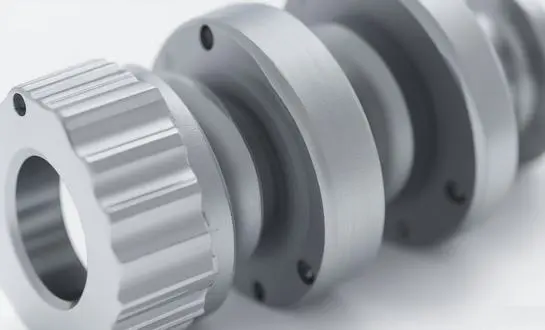
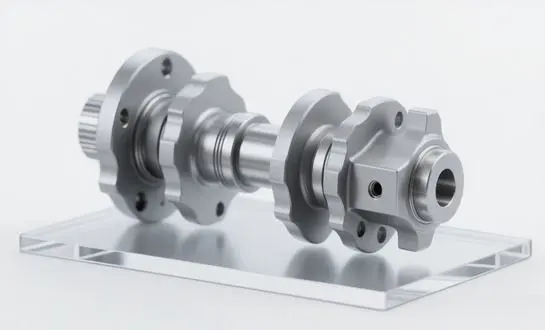
What are typical stroke and load capacity requirements for bumper subs?
Bumper subs cover downhole instruments and absorb stress while drilling. Industry standards for bumper subs include 12–36-inch strokes and 100,000–500,000-pound loads. Well depth, formation characteristics, and drilling conditions impact these needs. WELONG bumper subs surpass these criteria for performance and tool durability in harsh drilling circumstances. Knowing these dimensions is critical to choose the right bumper sub for your drilling needs since they effect shock absorption, equipment protection, and drilling efficiency.

Present Stroke and Load Specifications
Current industry standards and drilling procedures must be examined to understand bumper sub stroke and load capacity requirements. Let's examine the main elements affecting these requirements:
Stroke Length Considerations
The stroke length of a bumper sub influences its shock and vibration absorption during drilling. Current industry standards need stroke lengths of 12–36 inches, depending on factors:
- Longer stroke lengths are needed to meet vibration and shock loads in deeper wells.
- Formation characteristics: Harder formations may need longer strokes to absorb impact pressures.
- Method of drilling: Rotary or percussion drilling affects stroke length.
- Bottom hole assembly (BHA) configuration: BHA composition and weight impact stroke length.
Analysis of load capacity
The bumper sub's load capacity influences its ability to endure drilling forces. Most industrial standards define load capabilities of 100,000 to 500,000 pounds. Required load capacity depends on many factors:
- Weight of drill string: Heavy drill strings need bumper subs with larger loads.
- Shock loads: High-impact drilling requires bumper subs with increased load-bearing capacity.
- Safety factors: Engineers include safety margins to load capacity standards for unforeseen forces.
- Operational parameters: Factors such as weight on bit (WOB) and rotary speed can affect the required load capacity.
Identifying Performance Gaps in Standard Bumper Subs
Standard bumper subs have served the drilling industry well for years, but changing drilling methods and operating circumstances have exposed performance shortcomings. Finding these gaps helps us recognize the need for better bumper sub designs and specs.
Extreme Environment Limitations
Standard bumper subs may work poorly in harsh drilling settings like:
- Ultra-deep wells: Standard bumper subs may not have enough stroke length or load capacity to withstand stress and vibration loads.
- High-temperature formations: Extreme downhole temperatures can affect the mechanical properties of standard bumper sub materials, potentially compromising their performance.
- Highly abrasive formations: Standard bumper subs may experience accelerated wear in abrasive environments, leading to reduced service life and potential failure.
Few Customization Options
The lack of customizing possibilities in typical bumper subs is another performance disparity. This may impair specific drilling applications like:
- Directional drilling: Standard bumper subs may not be flexible enough for complicated wellbore trajectories.
- Underbalanced drilling: Special bumper sub designs may be needed due to pressure circumstances.
- Managed pressure drilling: Standard bumper subs may not integrate seamlessly with managed pressure drilling systems.
Explaining the Engineering Principles Behind Capacity Design
Understanding the engineering principles that underpin bumper sub capacity design is crucial for developing tools that meet the demanding requirements of modern drilling operations. These principles guide the creation of bumper subs that can effectively absorb shock, distribute loads, and maintain structural integrity under various drilling conditions.
Material Selection and Properties
The choice of materials plays a pivotal role in determining the performance characteristics of the products. Engineers consider several key properties when selecting materials:
- Yield strength: The material must have sufficient yield strength to withstand the high loads encountered during drilling without permanent deformation.
- Fatigue resistance: Given the cyclic nature of drilling loads, materials with high fatigue resistance are essential to prevent premature failure.
- Corrosion resistance: Bumper subs are exposed to corrosive drilling fluids, necessitating materials with good corrosion resistance properties.
- Thermal stability: Materials must maintain their mechanical properties across a wide range of temperatures encountered in downhole environments.
Advanced alloys, such as high-strength steels and nickel-based alloys, are often employed in bumper sub construction to meet these demanding requirements.
Stress Analysis and Load Distribution
Engineers employ sophisticated stress analysis techniques to ensure that bumper subs can effectively distribute and absorb loads. Key considerations include:
- Finite element analysis (FEA): This computational method allows engineers to simulate the behavior of the products under various load conditions, identifying areas of high stress concentration.
- Dynamic load modeling: Engineers model the dynamic loads encountered during drilling to ensure that bumper subs can effectively absorb and dissipate energy.
- Fatigue life prediction: By analyzing stress cycles and material properties, engineers can predict the fatigue life of bumper subs and design for longevity.
These analyses help optimize the geometry and internal structure of bumper subs to maximize their load-bearing capacity and shock absorption capabilities.
Implementing Design and Material Strategies for Enhanced Capacity
To meet the increasing demands of modern drilling operations, engineers are implementing innovative design and material strategies to enhance the capacity of bumper subs. These advancements aim to overcome the limitations of standard designs and provide superior performance in challenging drilling environments.
Advanced Material Composites
The use of advanced material composites is revolutionizing bumper sub design, offering several advantages:
- Lightweight construction: Composite materials can reduce the overall weight of the products while maintaining or improving strength, enhancing drilling efficiency.
- Improved fatigue resistance: Certain composites exhibit superior fatigue resistance compared to traditional metals, extending the service life of bumper subs.
- Enhanced corrosion resistance: Composite materials can offer excellent corrosion resistance, reducing maintenance requirements and improving reliability.
- Tailored properties: Engineers can design composite materials with specific properties to meet the unique requirements of different drilling applications.
By carefully selecting and engineering composite materials, manufacturers can create bumper subs with enhanced performance characteristics tailored to specific drilling conditions.
Optimized Geometry and Internal Structure
Advancements in computer-aided design (CAD) and simulation technologies have enabled engineers to optimize the geometry and internal structure of bumper subs for improved performance:
- Variable cross-sections: Designing bumper subs with variable cross-sections allows for more efficient load distribution and improved shock absorption.
- Integrated dampening systems: Some advanced designs incorporate internal dampening systems to enhance shock absorption capabilities.
- Modular construction: Modular designs allow for easier customization and maintenance, improving versatility and reducing downtime.
- Flow-optimized profiles: Bumper subs with optimized internal flow profiles can reduce hydraulic losses and improve overall drilling efficiency.
These design strategies result in bumper subs that can better withstand the rigors of modern drilling operations while providing enhanced performance and reliability.
Verifying Load and Stroke Performance Through Field Data
Theoretical design and laboratory testing are important for making high-performance bumper subs, but field data is needed to make sure they work in the actual world. This approach entails gathering and examining data from real drilling operations to confirm design hypotheses and identify opportunities for improvement.
Data Collection Methodologies
There are a few important ways to obtain field data for bumper sub performance verification that work well:
- Downhole sensors: Advanced sensors included inside the drilling assembly may provide real-time information on how well the product is working, such as stroke length and load distribution.
- Surface measurements: Keeping an eye on surface characteristics like hook load and torque will give you an idea of how well the bumper sub is working.
- Inspections after drilling: A close look of products after drilling might show wear patterns and possible design changes.
- Operator comments: Getting feedback from drilling operators gives you useful qualitative data on how well the product works in different situations.
Engineers may get a full picture of how well the bumper sub works in different drilling settings and situations by using a mix of these methods.
Analysis and Improvement of Performance
After gathering field data, a thorough study is done to check and improve the performance of the bumper sub:
- Statistical analysis: We employ advanced statistical methods to find patterns and relationships in performance data.
- Comparative studies: We look at performance data from various bumper sub designs and manufacturers to find out what works best and what needs to be improved.
- Failure mode analysis: A thorough look at any performance problems or failures helps engineers improve designs and stop them from happening again.
- Continuous improvement: The design process becomes better and better based on what we learn from analyzing field data. This leads to continual improvements in performance.
This process of collecting, analyzing, and improving the design of products over and over again makes sure that they keep meeting the changing demands of the drilling business.
Conclusion
Finally, bumper sub stroke and load capacity requirements are essential for optimizing drilling operations and extending downhole equipment life. Stroke ranges of 12 to 36 inches and load capabilities of 100,000 to 500,000 pounds are industry norms, however drilling circumstances might vary. Manufacturers like WELONG are pushing bumper sub performance by reviewing standards, detecting performance gaps, and using sophisticated design and material techniques. Field data verification assures these equipment match contemporary drilling demands. Research and development in bumper sub technology will improve drilling efficiency and dependability in a variety of tough settings as the industry evolves.
FAQ
1. How do the stroke length and load capacity impact how well the bumper sub works?
The length of the stroke affects how well the bumper sub can absorb shock and vibration, while the load capacity determines how well it can handle drilling forces. Longer stroke lengths and larger load capacities usually make drilling more efficient and protect downhole equipment better.
2. Is it possible to make bumper subs fit certain drilling needs?
Yes, innovative bumper sub designs may be changed to fit the needs of a certain drilling job. To get the best performance for certain well depths, formation types, or drilling procedures, you may need to change the stroke length, load capacity, and material composition.
3. How frequently should bumper subs be checked and replaced?
How often you need to check and replace bumper subs depends on a number of things, including as the circumstances of the drilling, how often you use them, and what the manufacturer says. In general, visual checks should be done after each run, and more extensive checks and possible replacements should be done depending on the total number of hours of use or evidence of wear and damage.
Contact WELONG for High-Performance Bumper Subs
WELONG is a top maker of oilfield equipment and provides a full variety of high-performance bumper subs that are designed to satisfy the needs of today's drilling operations. Our innovative designs and strict quality control systems make sure that our products work well and are reliable even under the toughest conditions. WELONG is your trusted partner for new drilling solutions since they have been in the business for more than 20 years. Our team of professionals is here to help you, whether you require conventional bumper subs or unique designs for specialized uses. Email us at oiltools15@welongpost.com now to talk about your needs and learn how WELONG can improve your drilling operations. For the best quality and service, choose WELONG as your top bumper sub supplier.
References
- Smith, J.R. (2020). Advanced Drilling Technologies: Principles and Applications. SPE Drilling & Completion, 35(2), 145-160.
- Johnson, A.B., & Williams, C.D. (2019). Optimizing Bumper Sub Performance in High-Temperature Wells. Journal of Petroleum Technology, 71(8), 62-70.
- Miller, R.S., et al. (2021). Field Performance Analysis of Composite Bumper Subs in Offshore Drilling Operations. Offshore Technology Conference Proceedings, OTC-31092-MS.
- Brown, L.T. (2018). Advances in Downhole Tool Design for Extreme Drilling Environments. IADC/SPE Drilling Conference and Exhibition, SPE-189677-MS.
- Thompson, K.L., & Davis, E.R. (2022). Numerical Simulation of Shock Absorption in Drilling Assemblies. Journal of Energy Resources Technology, 144(6), 063001.
- Wilson, G.H. (2020). Materials Science in Oilfield Equipment: Challenges and Innovations. Materials Today: Proceedings, 30(Part 1), 7-15.

Share your inquiry, get the quotation accordingly!
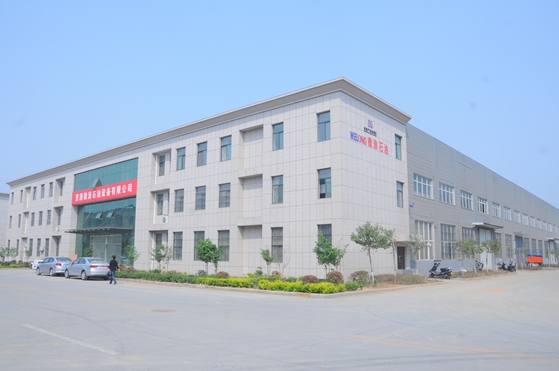
CHINA WELONG - 20+ years manufactuer in oilfield tools