Quick Wins: Upgrading Rolls for Immediate Throughput Gains
When manufacturers need to improve production efficiency, upgrading milling rolls can be an effective approach. The modern roll technologies intend to increase the durability, dimensional correctness and operational dependability that directly affects the rolling performance.
A well-chosen roll may assist avoid needless maintenance, facilitate longer production cycles, and increase the uniformity of final metal goods.
Enhanced Material Composition for Longer Lifespan
Modern milling rolls are manufactured using advanced materials designed to provide better resistance against wear, mechanical stress, and operating temperatures.
The choice of roll materials relies on the application, the manufacturing environment and the performance parameters needed. Structural stability is a requirement for rolls used in severe rolling operations where there are repetitive contact forces.
By selecting milling rolls with acceptable material qualities, producers may minimise the frequency of roll replacement and increase the continuity of production.
Precision-Engineered Surfaces for Improved Product Quality
The surface condition of milling rolls plays an important role in determining the final quality of rolled products. Surface defects, inconsistent wear or poor finishing might impact product aesthetics and dimensional uniformity.
Proper contact between rollers and metal materials is favourable to precision production and surface treatment. The outcome is better surface quality, fewer manufacturing faults and more consistent processing outputs.
For industries requiring strict surface requirements, selecting milling rolls with appropriate surface characteristics is an important part of quality control.
Optimized Roll Profiles for Specific Applications
Rolls are designed according on the purpose they will be used in. The appropriate roll design will depend on factors such as material thickness, manufacturing speed and processing needs .
Optimised roll profiles provide a more uniform distribution of rolling forces and a steady material flow during processing. The proper roll shape may increase the efficiency of operation and diminish the difficulties in processing in the manufacture of metal sheets of small thickness or plates of larger thickness.
And if manufacturers choose their milling rolls based on real-life production circumstances, they may get better results with their rolling systems.
How Precision Rolls Reduce Reject Rates?
Precision is essential in metal processing, and high-quality milling rolls help manufacturers maintain tighter tolerances and consistent product quality.
Accurate dimensions and consistent surface conditions of rolls may contribute to reducing fluctuations during rolling and minimising the potential of manufacturing out-of-spec materials.
Improved roll accuracy enables greater control of the manufacturing process and allows producers to eliminate material waste caused by uneven processing.
Advanced Machining Techniques for Unparalleled Accuracy
Advanced machining and grinding technologies allow manufacturers to produce milling rolls with accurate dimensions and controlled surface characteristics.
Accurate manufacturing procedures guarantee the necessary geometry of the rollers during operation. This enhances the consistency of metal thickness, surface quality and rolling performance.
Precise roll manufacture is a key aspect for challenging applications, to guarantee consistent production outcomes.
Innovative Cooling Systems for Thermal Stability
During rolling operations, temperature variations may affect roll performance. Effective cooling systems regulate temperature conditions and limit the effects of heat deformation.
Stable temperature management allows milling rolls to maintain more consistent dimensions during continuous production. This helps to decrease quality problems related with thermal expansion and enhances process dependability.
Good cooling solutions become even more necessary when rolling at high speeds or in huge volumes.
Real-Time Monitoring and Adjustment Capabilities
The modern rolling operations are using the monitoring technology more and more, to better regulate the process. Sensors and automatic systems can report operational conditions and allow the operator to make timely changes.
Real-time monitoring allows for improved management of the rolling settings and the detection of possible problems before they influence product quality.
By combining reliable milling rolls with effective monitoring systems, manufacturers can improve production stability and reduce unexpected disruptions.
Avoiding Bottlenecks with the Right Roll Configuration
Choosing good quality rolls is not enough to improve the performance of the rolling mill. The overall roll arrangement must also be compatible with the production needs and the operating circumstances.
Proper planning of the roll arrangement will aid in achieving a smooth handling of material, balanced forces and effective flow of production.
Customized Roll Arrangements for Specific Production Lines
Each manufacturing line will be working under varied circumstances, material and output demands and downstream processing demands.
Customising roll set-ups based on these parameters might enhance load distribution, minimise alignment concerns and allow for more reliable rolling processes.
Proper setup will allow the manufacturer to maximise the equipment performance and minimise needless production downtime.
Balancing Hardness and Resilience for Optimal Performance
Choosing the right roll material needs a compromise between hardness, durability and resistance to operational stress.
Milling rolls that are too hard may provide excellent wear resistance but could face challenges under certain impact or stress conditions. If the rolls are not strong enough they might distort and impair the uniformity of the result.
Manufacturers may strike a compromise between wear resistance, reliability and service life by selecting the right materials and production procedures.
Quick-Change Systems for Reduced Downtime
Rolling replacement and maintenance activities interfere with production schedules, particularly in companies with frequent product changes.
Quick change systems assist in reducing roll change time and improving equipment availability. They are meant to facilitate maintenance processes and allow for better production planning.
Reducing downtime in changeovers allows producers to react better to changing production needs.
Conclusion
Selecting the right milling rolls is an important decision that influences production efficiency, product quality, and operational reliability. High-quality rollers with right configurations and precise fabrication of suitable materials may allow manufacturers to increase the rolling performance and decrease the production problems .
From improving surface quality to maintaining dimensional accuracy, milling rolls play a critical role in modern metal processing. Manufacturers who assess roll demands based on application circumstances, maintenance needs, and production objectives may operate more smoothly and efficiently.
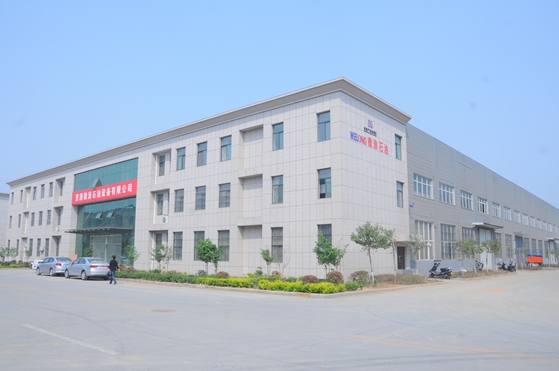
As metal processing technology is further developed, the need of dependable roll solutions and skilled technical assistance is ever-increasing. Welong offers industrial equipment solutions and helps clients choose appropriate milling wheels for diverse metal processing applications.
For professional guidance on milling rolls selection, application considerations, and related metal processing solutions, contact Welong at oiltools15@welongpost.com. Our team is committed to helping customers improve operational efficiency and achieve reliable production performance.