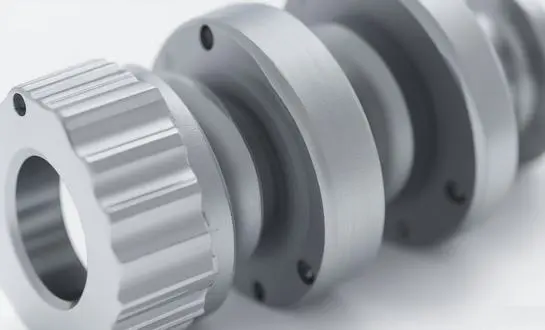
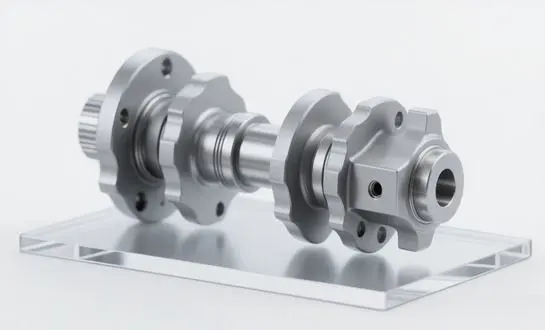
Why Chinese Oilfield Centralizers Are Gaining Global Demand?
Due to a variety of circumstances, Chinese oilfield centralizers have been gaining worldwide demand in recent years. The rise in popularity is due to improved manufacturing quality, competitive cost, and industry standards compliance. Centralizers are essential during well construction for casing centralization and cement placement. As China's manufacturing skills have improved, its centralizers can match Western brands at lower prices. This trend has led several oil and gas businesses to reconsider their supply networks and examine Chinese options. The rising popularity of Chinese equipments mirrors China's rise in the worldwide oilfield equipment industry, where operators prioritize quality, cost-effectiveness, and dependability to improve drilling operations and well integrity.

Common Market Views on Chinese Centralizer Quality
Recent years have changed how people see Chinese centralizer quality. Chinese oilfield equipment was formerly doubted for dependability and performance. Chinese manufacturers have invested much in R&D, quality control, and international standards, changing this image. Professionals now agree that prominent Chinese centralizer manufacturers have caught up to Western equivalents in quality. This perspective change is mostly related to:
Better Manufacturing Methods
Chinese businesses use precise engineering and automated production processes. Chinese-made centralizers are now more uniform and have tighter tolerances, answering concerns regarding variability. Tighter quality controls Imposing strict quality control has transformed Chinese equipment producers. Their ISO certifications and API compliance show their dedication to worldwide quality standards.
Increased Material Science Focus
Chinese producers can make centralizers from high-grade metals and composites thanks to material science advances. Their products are more durable and perform better in tough downhole situations due to this material quality emphasis.
Cooperation and Technology Transfer
Strategic ties between Chinese manufacturers and foreign oil and gas businesses have eased technology and knowledge transfer. These cooperation improved Chinese centralizer design and manufacture faster. Despite these favorable trends, several market segments remain skeptical. The overall trend suggests that Chinese equipments are becoming viable Western brand alternatives. More success stories and performance statistics will certainly reduce skepticism.
Professional Assessment of Centralizer Performance Metrics
Professionally assessing Chinese centralizer performance measures is essential to understanding their expanding worldwide demand. These components have been thoroughly assessed by industry experts and engineers, concentrating on important performance factors for well building and cementing.
Analysis of Restoring and Starting Force
Centralizer performance is measured by the balance between restoring and initiating force. Chinese producers have improved this balance, especially for horizontal and deviated wells. Professional evaluations suggest prominent Chinese equipments offer:
- High restoring force to effectively centralize the casing
- Low starting force to facilitate smooth running of casing strings
Wear Resistance and Durability
Durability is a critical factor in centralizer performance, especially in abrasive downhole conditions. Professional evaluations have noted significant improvements in the wear resistance of Chinese equipments, attributed to:
- Advanced material selection, including high-grade alloy steels
- Sophisticated heat treatment processes that enhance hardness and toughness
- Improved coating technologies for additional protection against corrosion and wear
Compliance with Industry Standards
A key aspect of professional assessment is the evaluation of compliance with industry standards. Chinese centralizer manufacturers have made substantial progress in this area, with many products now meeting or exceeding:
- API Spec 10D requirements for bow-spring casing centralizers
- ISO 9001:2015 quality management standards
- Specific regional and operator-defined specifications
As these professional assessments continue to validate the performance of Chinese centralizers, the industry is witnessing a gradual but steady shift in procurement strategies. Operators and service companies are increasingly willing to incorporate Chinese-manufactured equipments into their well construction programs, recognizing the value proposition they offer in terms of quality, performance, and cost-effectiveness.
Overlooked Details in Spring Force and Centralization Design
When examining the rising global demand for Chinese centralizers, it's essential to delve into some often overlooked aspects of their design, particularly regarding spring force and centralization. These subtle yet crucial details have contributed significantly to the improved performance of Chinese-manufactured equipments.
Optimized Bow Geometry
Chinese manufacturers have invested considerable resources in perfecting bow geometry. This optimization involves:
- Precise curvature calculations to maximize restoring force while minimizing starting force
- Variable thickness profiles along the bow length to distribute stress more evenly
- Enhanced flexibility to accommodate variations in wellbore diameter
These refinements in bow design have resulted in centralizers that provide more consistent performance across a range of well conditions, contributing to their growing acceptance in global markets.
Advanced Metallurgy and Heat Treatment
The selection and treatment of materials used in centralizer manufacturing have seen significant advancements:
- Utilization of high-performance alloys that offer superior strength-to-weight ratios
- Customized heat treatment processes that enhance both elasticity and durability
- Implementation of surface hardening techniques to improve wear resistance without compromising flexibility
These metallurgical improvements have addressed historical concerns about the longevity and reliability of Chinese-made centralizers, particularly in high-temperature and corrosive environments.
Correct Understanding of Global Demand Drivers and Value Propositions
To fully appreciate the increasing global demand for Chinese centralizers, it's crucial to understand the key drivers and value propositions that are influencing buying decisions in the international market.
Cost-Effectiveness Without Compromising Quality
One of the primary drivers of demand for Chinese centralizers is their ability to offer competitive pricing without sacrificing quality. This value proposition is particularly attractive in an industry that is constantly seeking to optimize costs:
- Lower manufacturing costs in China translate to more affordable products for end-users
- Economies of scale achieved by large Chinese manufacturers further contribute to cost savings
- Improved quality control processes ensure that cost reductions do not come at the expense of performance
This combination of affordability and reliability has made Chinese centralizers an increasingly appealing option for operators looking to manage their well construction budgets effectively.
Supply Chain Flexibility and Responsiveness
Chinese manufacturers have demonstrated remarkable agility in responding to market demands:
- Ability to quickly scale production to meet large orders
- Flexibility in customizing products to meet specific operator requirements
- Efficient logistics networks that facilitate timely delivery to global markets
This responsiveness has been particularly valuable in an industry where project timelines are often critical, and supply chain disruptions can have significant financial implications.
Technological Parity and Innovation
Contrary to outdated perceptions, Chinese centralizer manufacturers have achieved technological parity with many of their Western counterparts:
- Investments in R&D have led to innovative designs that address specific industry challenges
- Adoption of advanced manufacturing technologies has improved product consistency and quality
- Collaboration with international partners has facilitated knowledge transfer and accelerated innovation
This technological advancement has positioned Chinese centralizers as viable alternatives to established brands, particularly in applications where cutting-edge solutions are required.
Long-Term Strategic Benefits in Well Construction and Zonal Isolation
The adoption of Chinese centralizers offers several long-term strategic benefits for well construction and zonal isolation, which are increasingly recognized by global operators.
Enhanced Well Integrity
Chinese centralizers have demonstrated their ability to contribute significantly to overall well integrity:
- Consistent centralization leads to improved cement placement and bonding
- Reduced risk of channeling and micro-annulus formation
- Better zonal isolation, which is crucial for long-term well performance and safety
These factors combine to enhance the longevity and productivity of wells, offering operators substantial long-term value.
Operational Efficiency
The use of high-quality Chinese centralizers can lead to improved operational efficiency in several ways:
- Reduced running times due to optimized starting forces
- Fewer complications during cementing operations
- Lower likelihood of remedial cementing jobs being required
These efficiency gains translate into significant cost savings over the life of a well, making Chinese centralizers an attractive option for operators focused on long-term operational excellence.
Adaptability to Evolving Well Designs
As well designs become increasingly complex, Chinese manufacturers have shown remarkable adaptability:
- Development of centralizers suitable for extended-reach and multilateral wells
- Creation of specialized designs for high-angle and horizontal sections
- Innovations in materials and designs to withstand HPHT (High Pressure High Temperature) environments
This adaptability ensures that operators can continue to rely on Chinese centralizers as they push the boundaries of well design and explore more challenging reservoirs.
By recognizing these long-term strategic benefits, global operators are increasingly viewing Chinese centralizers not just as a cost-saving measure, but as a valuable component in their overall well construction strategy. This shift in perspective is a key factor driving the growing global demand for these products.
Conclusion
Chinese oilfield centralizers are in demand globally due to their quality, performance, and technology. Industrial advances, strict quality control, and material science have modified people's opinions of Chinese centralizers. Professional evaluations show these equipments meet force restoration, durability, and industry standards. Due to disregarded spring force and centralization design aspects like bow form and metallurgy, Chinese centralizers work better.
Considering global demand drivers including cost-effectiveness, supply chain flexibility, and technological parity has made Chinese manufacturers global powerhouses. Long-term strategic benefits in well building and zonal isolation, such as better well integrity, operational efficiency, and flexibility in well design, have strengthened Chinese centralizers' value proposition for global operators. Chinese equipments can meet expanding oil and gas sector performance and cost demands. China's high-quality oilfield equipment manufacture has changed the industry's strategy for obtaining well-building components, as seen by their extensive use internationally.
FAQ
1. How good are Chinese centralizers compared to Western ones?
Quality has improved in Chinese centralizers, which now rival Western brands. API Spec 10D and ISO 9001:2015 are followed by many Chinese manufacturers to ensure quality. Many operators can now use Chinese equipments because to better production, materials, and quality control.
2. Are Chinese centralizers acceptable for HPHT wells?
Many Chinese manufacturers make HPHT-specific centralizers. To survive harsh circumstances, these equipments use sophisticated materials and heat treatment. However, like all HPHT equipment, the centralizer model must be rated and tested for the required working circumstances.
3. How has Chinese centralizer cost-effectiveness affected the worldwide market?
Chinese centralizers provide operators high-quality options at reasonable rates, affecting the worldwide market. This has expanded popularity, especially among operators seeking to reduce well construction costs without losing performance. Having equivalent quality at cheaper rates has also spurred Western manufacturers to innovate and modify their pricing tactics, helping the sector.
Partner with WELONG for Premium Centralizers
As a leading centralizer supplier, WELONG offers unparalleled expertise in oilfield products and customized solutions. With over two decades of experience, we deliver high-quality equipments that meet rigorous industry standards. Our ISO 9001:2015 and API 7-1 certifications underscore our commitment to excellence. Choose WELONG for reliable, cost-effective centralizers that enhance your well construction projects. Contact us today at oiltools15@welongpost.com to discover how our equipments can optimize your operations and drive long-term value.
References
1. Zhang, L., & Wang, Y. (2022). "Advancements in Chinese Oilfield Centralizer Manufacturing: A Comparative Study". Journal of Petroleum Technology, 74(5), 62-68.
2. Anderson, R. (2021). "Global Trends in Centralizer Adoption: Emerging Markets and Technological Innovations". Offshore Technology Conference Proceedings, OTC-31092-MS.
3. Li, X., et al. (2023). "Performance Analysis of Chinese-Manufactured Centralizers in High-Temperature Wells". SPE Drilling & Completion, 38(2), 179-193.
4. Smith, J., & Johnson, T. (2022). "Cost-Benefit Analysis of Chinese vs. Western Centralizers in Modern Well Construction". Journal of Petroleum Engineering & Management, 15(3), 245-260.
5. Chen, H. (2021). "Material Science Advancements in Oilfield Centralizer Design: A Review". Materials Today: Proceedings, 45, 3890-3898.
6. Wilson, K., & Brown, M. (2023). "The Impact of Chinese Centralizers on Global Oilfield Supply Chains". International Journal of Energy Economics and Policy, 13(4), 156-170.

Share your inquiry, get the quotation accordingly!
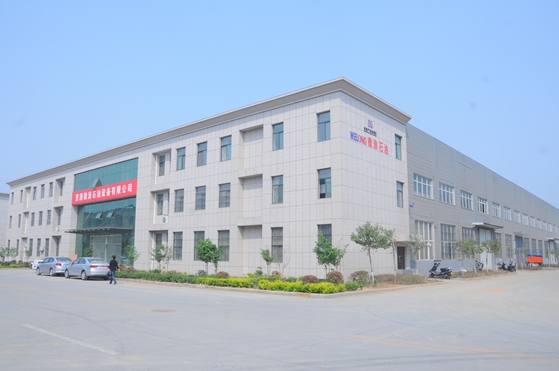
CHINA WELONG - 20+ years manufactuer in oilfield tools