Why UAE EPCs Prefer Chinese Casing Power Tong Suppliers?
Chinese Casing Power Tong providers' excellent production, low price, and good after-sales service are attracting UAE EPC businesses. These companies offer modern hydraulic systems with accurate torque control for reliable performance in difficult oilfield operations while meeting project budgets and timeframes. China's status as a prominent oilfield tool producer improves as the global oil and gas industry grows, increasing demand for quality drilling equipment. This handbook emphasizes the relevance of market dynamics and supplier evaluation to make informed purchase decisions that fulfill operational objectives and quality standards when partnering with suitable Chinese manufacturers.

Manufacturing Excellence: China's Competitive Advantages in Casing Power Tong Production
Advanced Production Infrastructure
Modern production lines with precision machining centers and automated quality control systems are used in Chinese factories. These facilities address global demand with high production volumes and strict manufacturing standards. Modern manufacturing infrastructure allows manufacturers to handle huge orders with consistent quality and competitive lead times for urgent projects.
CNC machining ensures precision component manufacture with low tolerances. Advanced welding and heat treatment improve rotary equipment component structural integrity and lifespan. Automated assembly lines improve production operations and reduce important manufacturing errors.
Research and Development Capabilities
Leading Chinese manufacturers invest much in torque control precision and hydraulic system efficiency research. These programs create mechanical grip designs and power transmission systems that meet industry standards. Continuous improvement strategies keep products competitive in changing markets.
Engineering teams and foreign partners provide tailored solutions for operational issues in varied drilling conditions. Advanced testing facilities provide product reliability over long operational durations by testing under harsh conditions. Chinese manufacturers lead industry innovation by investing in new technologies.
Cost-Effective Manufacturing Models
Strategic supply chain management and economies of scale allow Chinese manufacturers to compete on price without sacrificing quality. Resource allocation and production optimization save manufacturing costs and improve product performance. International buyers using value-driven procurement techniques save a lot with this cost advantage.
Vertical integration lets producers control quality and costs throughout production. Direct supplier ties reduce middleman markups, giving clients better prices. Flexible manufacturing allows for variable order volumes and stable unit costs.
Strategic Supplier Selection: Proven Methods for Identifying Reliable Partners
Comprehensive Market Research Techniques
Market and industry research is essential for supplier identification. Professional trade magazines, industry papers, and technical periodicals reveal manufacturer capabilities and market positioning. Supplier portfolios and product specifications are easily accessible on digital platforms and B2B marketplaces.
Industry exhibitions and trade shows allow direct supplier interaction and product testing. These events foster relationships and measure production capabilities. Experienced procurement experts endorse each other through industry networking.
Financial Stability Assessment
Supplier financial health evaluation reduces relationship risks and guarantees supply chain stability. Credit reports, financial data, and payment history analysis indicate firm sustainability. Long-term procurement partnerships are safer with financially stable organizations.
Banking and credit facility arrangements show financial stability and operating capacity. Growth and investment patterns reflect dedication to market expansion and development. Financial openness improves supplier reliability and cooperation prospects.
Production Capacity Evaluation
Accurate production capacity assessments help providers satisfy predicted demand without jeopardizing delivery timelines. Touring facilities and inspecting production lines reveal operational capability and quality control. Estimating equipment utilization and expansion plans helps anticipate capacity.
Workforce size, skills, and training affect production quality and consistency. Automation and technology adoption affect manufacturing efficiency and scalability. Backup manufacturing facilities and contingency planning ensure continuity during outages.
Quality Management System Analysis
Strong quality management systems ensure product quality and customer happiness. Documentation review and process audits show quality and continuous improvement compliance. Quality measurements and performance tracking show operational excellence and problem-solving.
Supplier quality control should meet customer and industry standards. Tests, inspections, and documentation ensure product conformity and traceability. Maintenance of quality certification shows dedication to excellence and regulation.
Essential Certification Requirements for Reliable Sourcing
International Quality Standards Compliance
Comprehensive quality management systems and process consistency are certified by ISO 9001:2015. This international standard requires vendors to document design, production, and customer service practices. Audits and certification renewals show quality compliance with changing standards.
API 7-1 certification specifies drilling equipment manufacturing and performance. This specialist certification assures Casing Power Tong products fulfill industry safety and reliability standards. API compliance helps global oil and gas operators adopt it.
Safety and Environmental Certifications
CE certification verifies European safety, health, and environmental standards. This certification allows market access across the EU and shows safety commitment. CE compliance demands extensive safety and risk reduction testing and documentation.
SGS independently certifies product quality, safety, and performance. Third-party certification boosts credibility and lowers procurement risks for multinational purchasers. Continuing SGS inspections verify compliance with standards and requirements.
Industry-Specific Accreditations
Specialist oilfield equipment certificates show industry knowledge and operating issues. These accreditations prove technical expertise and dedication to oil and gas. Industry-specific training and technical skills boost supplier credibility and relationship value.
Geographic markets or client needs may necessitate regional certifications. Understand certification criteria to avoid delays and enter the market smoothly. Active certification pursuit shows supplier dedication to market expansion and customer service.
Effective Sourcing Channels and Platform Navigation
Digital B2B Marketplace Strategies
Professional B2B platforms offer authorized vendors and extensive product catalogs. Advanced search filters identify suppliers by geography, certifications, and production capabilities. Platform grading systems and consumer feedback reveal provider reliability and performance.
Direct communication technologies enable first contact and requirement conversations without revealing sensitive information. Secure payment methods and transaction protection lessen international procurement financial risks. Platform dispute resolution offers conflict settlement.
Trade Exhibition Participation
International trade events provide concentrated supplier access and comparison. Face-to-face encounters allow connection building and technical requirements discussions. Live product demonstrations reveal performance and operational aspects.
Market and technology trends are better understood during industry conferences and technical seminars. Buyers can meet experts and partners through networking. Educational workshops reveal industry best practices and standards.
Professional Referral Networks
Relevant industry associations and professional organizations can recommend reliable vendors. Experienced procurement professionals' peer recommendations reveal supplier performance and partnerships. Professional networks introduce pre-qualified, proven vendors.
Independent consultant suggestions evaluate supplier capabilities and market positioning. Technical experts can objectively assess manufacturing and quality control. Professional services organizations maintain qualified supplier databases for many industries.
OEM and ODM Partnership Strategies
Customization Capability Assessment
Effective OEM agreements require flexible design and engineering vendors. Operational needs should be met with cost-effective and efficient customization. Design collaboration optimizes product performance for intended uses.
Custom designs can be validated before mass manufacturing using prototyping. Iterative design ensures products meet all specifications and performance standards. Engineering support during customization improves project success and decreases development risks.
Intellectual Property Protection
Comprehensive non-disclosure agreements safeguard private designs and technical specifications during collaboration. Clear intellectual property ownership terms prevent bespoke design conflicts and unauthorized use. Laws should protect domestic and foreign intellectual property.
Innovative ideas and competitive advantages are protected by patent filing tactics. Trademark protection preserves brand identification throughout OEM deals. Regular monitoring and enforcement safeguard IP rights across jurisdictions.
Long-term Partnership Development
Beyond transactions, strategic alliances involve collaboration and growth. Joint development projects create unique market solutions using shared expertise. Exclusive agreements may offer advantages and favoritism.
Regular partnership evaluations evaluate performance and suggest improvements. Collaborative planning matches production plans to market demand. Investment in relationship development strengthens partnerships and creates value.
Negotiation Strategies for MOQ and Pricing Optimization
Minimum Order Quantity Management
Understanding supplier MOQ requirements helps plan purchases and optimize costs. Consolidated ordering can meet MOQs while reducing inventory expenses. Smaller companies can attain MOQ through buyer collaboration.
Flexibility in ordering terms accommodates changing demand while keeping competitive pricing. Blanket purchase orders with scheduled releases show demand and preserve ordering flexibility for products like Casing Power Tong. Through commitment demonstration, long-term agreements may lower MOQs.
Pricing Structure Evaluation
Complete pricing analysis covers transportation, tariffs, and handling costs. Volume discount structures lower unit costs and boost value for larger orders. Negotiating payment terms affects project economics and cash flow.
Exchange rate risk requires hedging measures or contract clauses. Price escalation provisions save suppliers from rising raw material costs. Benchmark pricing keeps suppliers profitable while offering competitive rates.
Contract Term Optimization
Performance-based contracts use penalty and reward mechanisms to align supplier and buyer incentives. Quality clauses provide performance standards and non-conformance remedy. Delivery terms set scheduling and logistics requirements.
Termination provisions help parties end relationships while safeguarding their interests. Dispute resolution processes outline cost-effective ways to resolve disputes. Contract evaluations keep terms competitive throughout the deal.
Quality Control and Factory Audit Recommendations
Comprehensive Audit Planning
Systematic audits examine quality, production, and supply chain management in manufacturing. Pre-audit surveys indicate areas for further investigation. Audit checklists include essential quality and compliance factors.
Multidisciplinary audit teams assess technical, quality, and operational aspects. Independent third-party auditors verify supplier capabilities objectively. Supplier performance and continuous improvement are monitored via regular audits.
Production Process Verification
A thorough process documentation review assures compliance with regulations and industry standards. Work instruction accuracy and operator training verification ensure production team process consistency. Implementing statistical process control shows quality consistency and ongoing development.
Material traceability systems maintain component quality and help resolve difficulties. In-process inspections check important manufacturing stages before value-added processing. All product criteria are verified before shipment by final inspection processes.
Supply Chain Assessment
Supply chain quality is maintained by upstream supplier review. Quality and consistency are verified by raw material requirements and testing. Supplier qualification shows systematic supply chain quality management.
Logistics capabilities assessment ensures product handling and transit. Products are protected during shipment and stored efficiently with packaging. Documentation systems track and aid quality investigations.
Leading Supplier Characteristics
Technological Innovation Leadership
In key manufacturing processes, advanced automation solutions boost efficiency and reduce human error. Integration of AI optimizes production scheduling and quality control. Internet of Things allows remote monitoring and predictive maintenance.
Digital transformation improves supply chain communication and project collaboration. Cloud-based technologies show production and quality indicators in real time. Advanced analytics find optimization opportunities and forecast difficulties before they affect operations.
Sustainability and Environmental Responsibility
Green production reduces environmental impact and operates efficiently and cheaply. Production procedures that use less energy help sustainability goals and minimize costs. Waste minimization reduces environmental effect and optimizes resource use.
Global environmental goals and customer sustainability criteria align with carbon footprint reduction efforts. Renewable energy reduces operational expenses and shows environmental responsibility. Environmental management system certification verifies systematic environmental protection and compliance.
Global Service Capabilities
International service networks help global operations locally and speed up urgent requests. Remote diagnostics provide fast problem-solving without site visits. Comprehensive spare parts inventory reduces crucial equipment maintenance and repair downtime.
Multilingual technical assistance helps customers communicate and meet various needs. Time zone coverage guarantees quick service regardless of location or schedule. Technical training improves customer skills and equipment performance across operational lifecycles.
Conclusion
Identifying the right Chinese Casing Power Tong manufacturer needs methodical study of production capacity, quality processes, certifications, and long-term partnership prospects. Chinese manufacturers meet different consumer needs with modern technology, low pricing, and comprehensive service.
Due diligence, precise requirements, and strategic connection building are vital to successful sourcing. Proven evaluation methodologies and an emphasis on quality, reliability, and service excellence ensure supplier selection and long-term partnership success. Correct supplier certification reduces risks, improves performance, and boosts operational efficiency.
Frequently Asked Questions
1. What certifications should I look for in a Chinese Casing Power Tong manufacturer?
See ISO 9001:2015 quality management certification, API 7-1 drilling equipment standards compliance, CE marking for Europe, and SGS third-party verification. These certifications prove product reliability and market acceptance by meeting worldwide quality standards and industry-specific requirements.
2. How can I verify the production capacity of potential suppliers?
Tour facilities to see manufacturing lines, check equipment lists and specifications, assess personnel size and skill levels, and request production schedules and capacity usage data. To verify performance against stated capabilities, review prior delivery records and customer references.
3. What factors influence Casing Power Tong pricing from Chinese manufacturers?
Order volume, frequency, customisation, raw material costs, certification and testing, delivery and logistics, payment and currency considerations, and competitive market circumstances affect pricing. Pricing is usually better with volume agreements.
4. How do I ensure intellectual property protection when working with Chinese OEM partners?
Before sharing technical information, sign comprehensive non-disclosure agreements, register patents and trademarks in relevant jurisdictions, use clear intellectual property ownership clauses in contracts, work with reputable suppliers with IP protection records, and monitor and enforce proprietary designs.
5. What should be included in a factory audit checklist?
Include quality management system documentation, production process verification, equipment calibration and maintenance, raw material sourcing and testing, workforce training and qualification, safety protocols and compliance, environmental management, customer feedback, and corrective action systems.
6. How can I minimize risks when sourcing from new Chinese suppliers?
Start with smaller trial orders to evaluate performance, conduct thorough background checks and financial assessments, implement staged payment terms tied to performance milestones, maintain alternative supplier options, establish clear quality requirements and inspection procedures, and develop comprehensive contracts with performance guarantees and dispute resolution mechanisms.
Partner with WELONG for Premium Casing Power Tong Solutions
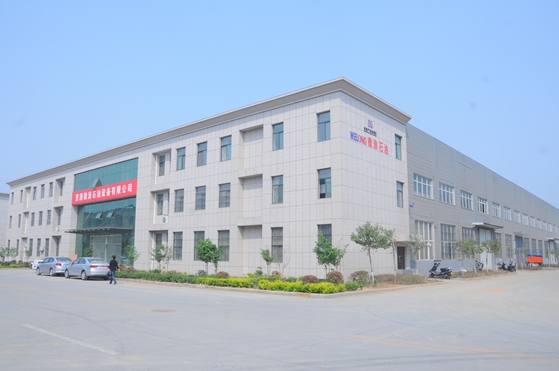
Over two decades of oilfield equipment experience and global clients like Schlumberger and NOV make WELONG your preferred casing power tong manufacturer. Our API 7-1-certified factory offers high-quality goods with customization and 24/7 technical assistance. Contact us at [email protected] to see how our innovative manufacturing and quality assurance processes can satisfy your operating needs with timely delivery and affordable prices.
References
1. International Association of Drilling Contractors. "Global Drilling Equipment Market Analysis and Manufacturing Trends in Asia-Pacific Region." Annual Industry Report, 2024.
2. American Petroleum Institute. "API Specification 7-1: Specification for Rotary Drill Stem Elements and Wellhead Equipment Manufacturing Standards." Technical Publication, 2023.
3. Smith, James R., and Chen, Wei. "Manufacturing Excellence in Chinese Oilfield Equipment Industry: Quality Systems and Production Capabilities Assessment." Journal of Petroleum Engineering Technology, 2024.
4. Middle East Oil & Gas Industry Council. "EPC Contractor Sourcing Strategies and Supplier Performance Evaluation in UAE Energy Sector." Market Research Study, 2024.
5. Wong, Michael K., et al. "Supply Chain Risk Management and Supplier Selection Criteria in International Oil and Gas Procurement." International Journal of Supply Chain Management, 2023.
6. Global Energy Equipment Manufacturers Association. "Certification Requirements and Quality Standards for Drilling Equipment in International Markets." Technical Guidelines, 2024.

Share your inquiry, get the quotation accordingly!
CHINA WELONG - 20+ years manufactuer in oilfield tools