Are Chinese Breakout Units Suitable for Offshore Oman Rigs?
Offshore Oman rigs can use Chinese breakout units as long as they come from respected manufacturers that follow international quality standards and checks. How well it works rests on how well the maker follows API 7-1, has ISO standards, and has experience with offshore applications. The performance of modern Chinese breakout units from well-known names like WELONG is on par with foreign brands, but they are much cheaper. These hydraulically-controlled torque systems can handle the tough conditions of offshore drilling, such as the high salt levels and high temperatures that are common in Oman's offshore sector, as long as they meet the right certification requirements and quality control standards.
Understanding Breakout Units and Their Role in Offshore Operations
Definition and Core Functions of Breakout Units
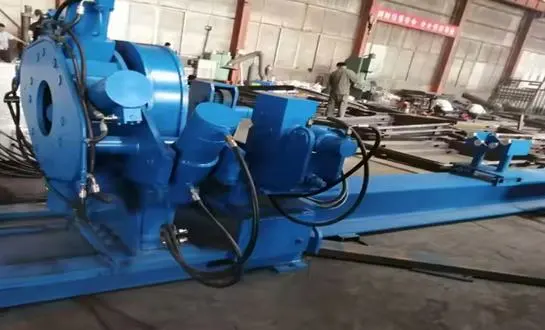
Breakout units are specialized hydraulic tools used in the oilfield to simplify threaded part connection and disconnection. These flexible support equipment solutions simplify tube operations using hydraulic pressure, transfer mechanisms, and automation. Threaded connections between drill pipes, casings, and tubes must be made and broken using regulated force. Advanced breakout unit control systems monitor clamping force factors, torque, and spinning speed. The hydraulic panel displays pressure and torque while linking shaking, tightening, and moving. This precise control ensures that threads contact without breaking pricey tubes or endangering the connection.
How Key Parts Work
A breakout unit has four essential pieces. Controlled hydraulics, rotor drives, locking mechanisms, and control connections. Terminal blocks and housings protect electricity wires in harsh maritime settings. The crane lifts and turns tubular products using hydraulics and computer controls. Hydraulic pressure is distributed by properly constructed valve systems. Hydraulic clamps secure the pipe body as the spinning section meets the tube. Power sensors in newer versions provide real-time input. This prevents over- or under-torquing, which might compromise processes or the connection.
Installation and Safety Things to Think About
Because the sea is rough, there are strict safety rules that must be followed when putting breakout units on offshore rigs. Consider how the rig will move, shake, and be sprayed with seawater before placing it. Marine electrical connections must have IP ratings, and hydraulic lines must be non-corrosive and relocated properly to avoid damage while the rig is running. Emergency stop systems, pressure release mechanisms, and broken settings may be dangerous. Operators must learn how to set up, maintain, and handle situations. Regular checkups ensure safety and tool performance for as long as they are utilized.
Challenges and Requirements for Breakout Units on Offshore Oman Rigs
Environmental Challenges in Oman's Offshore Sector
Offshore drilling in Oman involves unique environmental challenges that affect equipment performance and lifespan. High levels of salt, temperature swings from hot to chilly at night, and continuous humidity accelerate corrosion in Arabian Sea drilling equipment. These settings need durable equipment that can withstand environmental stress. Rig activities, wave action, and drilling create vibrations that stress breakout units and their parts. To endure in the corrosive environment and exposure to drilling fluids and hydrocarbons, equipment must be manufactured of specific materials and coated. Knowing these environmental characteristics helps buyers specify the equipment's ratings and safety features for international use.
Compliance and Industry Standards
International safety and quality requirements are crucial when purchasing instruments for offshore operations in Oman. IEC standards govern maritime electrical equipment, while ATEX certificates prevent explosions in hazardous diving environments. API 7-1 specifies drilling tool manufacturing and quality control, including oilfield breakout units. Equipment must undergo rigorous testing and certification to fulfill these criteria to ensure it functions under specified conditions. Companies must demonstrate compliance with safety systems, material standards, and pressure values. Test reports, license documents, and verification of a quality management system ensuring the equipment is export-ready are required.
Operations and Performance Needs
Breakout units are utilized for offshore drilling in Oman, which has special mechanical and electrical requirements. Power delivery systems must manage multiple electrical supply while maintaining performance. Mechanical longevity criteria include shock load resistance, continuous operation, and simple maintenance in limited offshore environments. Performance specifications must include torque capacity ranges for Oman's offshore wells' tube diameters and grades. Reducing cycle durations, regulating energy utilization, and connecting to rig systems influence operational efficiency. These operational demands assist establish selection variables that ensure breakout units match project objectives while remaining dependable and cost-effective during their lifespan.
Evaluating Chinese Breakout Units for Offshore Applications
Comparative Analysis with Global Manufacturers
Chinese breakout units have altered significantly in recent years. Top manufacturers now produce equipment that competes with Siemens, ABB, and Schneider. The comparison demonstrates that Chinese companies have improved their accuracy, material quality, and control system complexity. Modern Chinese breakout units employ hydraulic and electronic control systems like their international counterparts. Trustworthy Chinese enterprises have international-standard quality control procedures, according to quality testing. ISO 9001-2015 and API 7-1-compliant companies like WELONG make products. This ensures consistent product quality and reliability. High-tech testing facilities and quality checking equipment ensure product quality before shipment.
Technical Details and Performance Metrics
Chinese breakout units now match international choices in specifications. They can manage 5,000–50,000 ft-lbs torques, 3,000 PSI hydraulic pressures, and programmed automated control systems. Digital torque monitoring, data recording, and remote control make modern models safer and more efficient. Performance evaluations demonstrate that high-quality Chinese breakout units have offshore availability rates of over 95% and average failure times comparable to well-known international brands. New hydraulic parts and computer controls improve precision and repeatability while reducing maintenance. Many field tests and customer feedback from offshore drilling operations worldwide have validated these speed gains.
Offshore Benefits and Considerations
Most appealing about Chinese breakout units is their lower pricing than comparable global counterparts. These units may be bought for 30–40% less without compromising performance. This cost advantage extends beyond the original purchase price and includes additional parts, servicing, and job-specific adjustments. However, procurement professionals should carefully examine a supplier's credentials, including production site certificates, quality control techniques, and international experience. Supplier screening is essential for adoption. Facility audits, reference checks, and prototype testing in offshore work environments are included. When picking suppliers, seek for ones with overseas project experience and extensive after-sales assistance.
Procurement Considerations for Breakout Units in Offshore Projects
Cost-Effectiveness and Value Analysis
Procurement methods for offshore breakout units must include beginning costs and project value across its lifespan for optimal project economics. Multiple pricing comparisons indicate huge disparities. Chinese manufacturers provide 25–35% lower prices than European or North American brands. When determining value, look beyond the purchase price. Shipping schedules, replacement parts, and professional help should also be considered. Budget optimization requires comparing equipment specifications to actual working demands to avoid cost overruns and maximize performance margins. Bulk buying saves money on multi-rig operations. The discount is 5–15% depending on the amount of things ordered. A lifespan cost assessment should be done throughout the procurement process to determine how much the equipment will cost to maintain, how much energy it will require, and how it will influence work.
Supplier Support and Reliability
Supplier evaluation must emphasize reliability, which is crucial for international project success. Manufacturer warranties should cover performance claims under particular operating circumstances as well as usual manufacturing defects. Expert assistance, replacement parts, and field service for urgent operational requirements are included in comprehensive after-sales support. Meeting delivery timelines is crucial for international projects when plan delays may be costly. When assessing a provider, check their delivery history, manufacturing capability, and supply chain contingencies. Suppliers with well-established logistics networks and inventory management systems that can support operations in other countries with quick wait times should be given significant weight during qualifying.
Distribution and Logistics Considerations
Shipping and logistics planning for distant breakout units must coordinate many modes of transportation and account for equipment size and weight. Fast shipping options like air freight for critical items and speedier customs clearance may reduce project delays. Local distributor networks in Oman assist acquire maintenance supplies and emergency parts. Before placing a purchase, consider the region's import laws, permission paperwork, and customs delays that might derail project plans. Packaging must safeguard equipment during international transportation and satisfy offshore rig operating and storage constraints. These logistical challenges should be considered in the purchase strategy to ensure tool supply meets project objectives and operating demands.
Conclusion
When the right evaluation factors are used, Chinese breakout units, especially those made by well-known companies like WELONG, can be good options for drilling activities off the coast of Oman. The study shows that good Chinese makers have reached technical and dependability levels that make their products competitive with foreign options while offering big cost savings. To be successful, you need to carefully choose your suppliers, giving extra weight to companies that have worked with other countries before, have the right certifications, and can provide full support. Because they are cheap, have good technical know-how, and have better quality control systems, Chinese breakout units are a good choice for offshore projects that want to save money without sacrificing operating safety or dependability.
Frequently Asked Questions
1. What offshore safety certifications should Chinese breakout units have?
Chinese breakout units need marine environment permits, API 7-1 drilling tool certification, and ISO 9001-2015 quality management system certification for offshore usage. Working in risky regions may need ATEX clearance, while CE marking ensures product safety. These certifications demonstrate that the equipment fulfills global offshore drilling performance and safety requirements.
2. How do Chinese breakout units handle dampness and corrosion?
Good Chinese breakout units have anti-rust coatings, marine-grade hydraulic systems, and non-rusting materials. Testing showed that well-built devices can withstand extreme humidity and salinity, which are typical offshore. Performance varies greatly across manufacturers. This emphasizes the importance of selecting providers with international experience and the proper materials.
3. Do current rig electrical systems have compatibility issues?
Modern Chinese breakout units offer standard control and electrical connections for simple integration into rig systems. Compatibility checks should include voltage, control signal, and physical connection requirements. Reputable manufacturers give technical documentation and engineering support to suit integration demands and ensure systems function together.
Contact WELONG for Top Offshore Breakout Unit Solutions
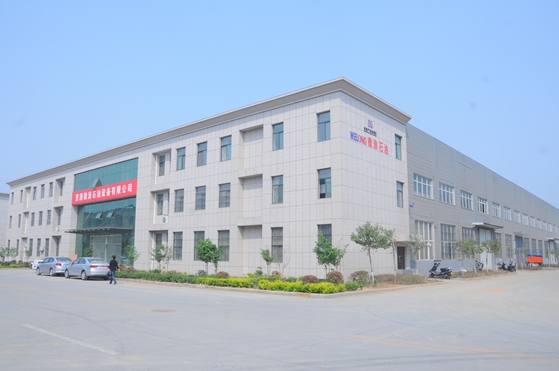
WELONG has been a major oilfield equipment producer since 2001 due to its breakout units for severe offshore application. API-certified breakout units, casing power tongs, drilling tools, and offshore drilling tube handling equipment are among our many goods. Quality control involves evaluating incoming supplies, monitoring production, and testing the completed product under normal conditions. SGS and DNV third-party inspections provide quality assurance that increases consumer confidence and satisfies regulatory requirements. This comprehensive quality control ensures WELONG breakout units perform dependably throughout their usage.
Wellong is ready to offer complete breakout unit options that are made to fit your overseas operations in Oman. Our API 7-1-certified factory and more than 20 years of experience in the oilfield make sure that the equipment we make is reliable and meets the strict needs of offshore drilling. Our expert team can be reached at [email protected] for personalized consultations, thorough specs, and low quotes that show how much we care about the success of your project. As a reliable breakout unit supplier, we offer unique solutions, full support services, and quality assurance that goes above and beyond what the industry requires.
References
1. American Petroleum Institute. "Specification for Rotary Drill Stem Elements - API 7-1." 15th Edition, Washington DC: API Publishing Services, 2019.
2. International Electrotechnical Commission. "Electrical Installations of Ships and Mobile and Fixed Offshore Units - IEC 60092." Geneva: IEC Central Office, 2018.
3. Middle East Oil and Gas Industry Report. "Offshore Drilling Operations in the Arabian Peninsula: Technical Requirements and Equipment Standards." Dubai: Regional Energy Publications, 2020.
4. Offshore Technology Conference. "Comparative Analysis of Drilling Equipment Performance in Harsh Marine Environments." Houston: OTC Technical Papers, 2021.
5. Society of Petroleum Engineers. "Quality Assessment of International Oilfield Equipment Suppliers: Best Practices for Offshore Operations." Richardson: SPE International, 2019.
6. Zhang, L., et al. "Environmental Impact Assessment of Offshore Drilling Equipment in the Arabian Sea Region." Journal of Petroleum Engineering and Technology, Vol. 45, No. 3, 2022, pp. 78-95.

Share your inquiry, get the quotation accordingly!
CHINA WELONG - 20+ years manufactuer in oilfield tools