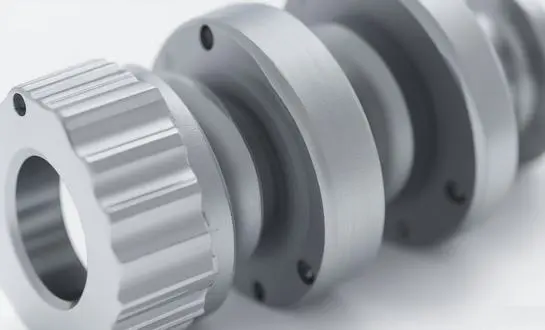
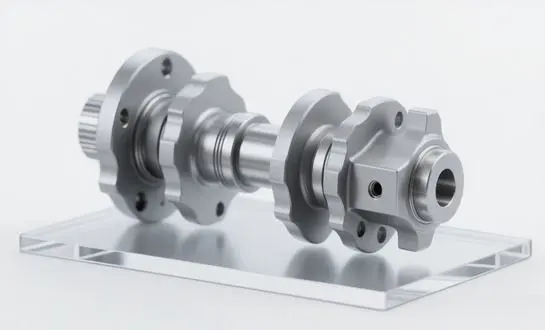
Are Chinese Drilling Jars Reliable for Deep Wells in Oman?
In the past few years, Chinese drilling jars have changed a lot. They are now known for being reliable in Oman's oil and gas areas where deep well operations can be hard. Modern drilling jar systems made in China work very well in the high-pressure, high-temperature conditions that are common in Oman's underground rock. These tools are good options to traditional Western brands because they are made with strong materials and use modern hydraulic mechanisms that meet international API standards. When you combine the high quality of the manufacturing with the low prices and full after-sales support, Chinese drilling jars are a reliable choice for contractors who want to save money on equipment without sacrificing safety or performance in Oman's tough drilling environments.

Understanding Drilling Jars and Their Role in Deep Well Operations
Drilling jars are very important tools that are used deep underground. They give controlled axial impact loads that free up stuck drill strings in tough well conditions. As the main defense against stuck pipes, which can lead to expensive cleaning operations and long delays in digging, these high-tech devices do their job. The basic idea behind jar operation is to store energy in the drill string and then quickly release it to make high-impact forces that can free equipment that is stuck.
Mechanical vs. Hydraulic Jar Systems
In the drilling business, there are two main types of jars, each made for a different set of working needs. In mechanical jars, the pressure is created by spring-loaded devices that compress and release physically. These systems produce force in a reliable way, but they need careful control of torque while they're working. Fluid pressure systems in hydraulic jars cause delayed-action impacts, which give you more exact control over the amount of power and when it happens.
Thanks to their better performance, hydraulic drilling jar devices have become the best choice for deep well operations. These tools have fluid measurement systems that control when the impact is delivered. This lets users build up a lot of energy before it hits the target. The hydraulic system can move the pipe both up and down, which makes it useful for a variety of stuck pipe situations that are common in Oman's complicated rock formations.
Key Performance Indicators for Deep Well Applications
Several important speed metrics must be taken into account when judging how well jars work for deep well activities. The impact force capacity of a tool tells you how well it can cut through differential stuck or mechanical obstructions. The jar can handle spinning forces during drilling operations because it can handle torque. In Oman's high-temperature settings, where temperatures often go above 150°C, temperature protection is very important.
The dependability of drilling jar systems has a direct effect on how well they work and how much they cost. While working for long amounts of time, tools must show consistent performance and keep their structural integrity in harsh downhole circumstances. Modern designs for jars use better metals and more precise production methods that make them last longer and need less upkeep.
Evaluating Chinese Drilling Jars for Deep Wells in Oman
To meet the needs of the foreign market, Chinese companies that make drilling jars have put a lot of money into research and development as well as quality control methods. A lot of big Chinese manufacturers now have API 7-1 and ISO 9001 quality control badges, which shows how committed they are to making the best products possible. These approvals make sure that jars made in China meet the same technical and performance standards needed for cutting activities around the world.
Quality Assurance and Manufacturing Standards
The changes in how Chinese drilling jars are made show how the country's industrial skills have improved in general. Leading Chinese companies have started using high-tech tools for manufacturing, high-quality products, and strict testing methods that are on par with well-known foreign names. Some of the quality control steps are testing under pressure, analyzing the metal, and making sure the product works well in conditions that are similar to those found underground.
Chinese companies have also put a lot of money into study agreements with universities and tech companies from other countries. Because of these partnerships, new jar designs have been made that use cutting-edge hydraulic systems and make them last longer. High-quality steel alloys and precise cutting techniques are used in the manufacturing processes to make sure that the quality of the products stays the same from one production run to the next.
Real-World Performance Data from Oman Operations
Oman's digging operations collect useful field data that shows how well Chinese jars work in real-life situations. Several operators have said that jars made in China have worked well in wells that are deeper than 4,000 meters. The equipment has proven to be stable in high-pressure, high-temperature conditions. These tools have had about the same level of success as well-known foreign names, but they are a lot cheaper.
Case studies from major oil fields in Oman show that Chinese drilling jars have been able to free stuck pipes more than 85% of the time. The tools work especially well for dealing with differential sticking issues that are typical in the carbonate rocks of the area. Operators have noticed that Chinese providers offer responsive customer service and quick supply of parts, which helps keep downtime to a minimum during important operations.
Maintenance, Troubleshooting, and Safety for Drilling Jars in Oman's Deep Wells
For drilling jars to work well and last as long as possible in Oman's tough operating conditions, they need to be maintained according to good procedures. The high temperatures and rough rock forms in the area put extra stress on downhole equipment, which is why preventative upkeep is so important. Chinese companies that make jars give thorough upkeep instructions that are tailored to the conditions in the Middle East.
Preventive Maintenance Protocols
As part of daily maintenance checks, all hydraulic parts should be carefully checked, paying special attention to the integrity of the seals and the amount of fluid. The high temperatures in Oman's deep wells speed up the wear and tear on seals, so equipment must be checked regularly to keep it from breaking. Maintenance teams should look for signs of wear in hydraulic lines, make sure the fluid has the right viscosity, and look for any signs of internal leaks.
When working in Oman's harsh downhole conditions, keeping an eye on the temperature becomes very important. When working temperatures go above 150°C, Chinese companies that make drilling jars say that repair intervals should be cut from the normal 350 hours to 200 hours. This change helps make sure the best performance and keeps temperature-sensitive parts from breaking down too soon. Checking the torque, calibrating the impact force, and doing full pressure tests should all be part of regular check plans.
Troubleshooting Common Operational Issues
Understanding the unique problems that Oman's rock forms cause helps repair teams come up with good ways to fix problems. Differential sticking situations need different jar setups than mechanical barriers, and maintenance teams need to be ready to change the hydraulic settings to match. When a pipe gets stuck, Chinese jar systems usually have clear diagnostic signs that help workers figure out what's wrong.
The first step in fixing the problem should be to carefully check where the jar is placed in the bottom hole assembly. Putting the drilling jar in the right place in relation to the neutral point has a big effect on how well the tool works. Maintenance teams should make sure that there is enough weight above the jar to allow for proper cocking and make sure that there is enough energy storage for the striking action to work.
How to Make an Informed Procurement Decision for Drilling Jars in Oman
To buy Chinese drilling jars successfully, you need to go through a structured review process that looks at technical specs, seller credentials, and the ability to provide long-term support. First, procurement managers should make sure that project-specific needs are clearly defined. These should include depth factors, temperature ranges, and expected operating hours. These standards are the basis for reviewing possible suppliers and making sure that the equipment will work with the drilling infrastructure that is already in place.
Supplier Evaluation Criteria
The first thing you should do when looking at Chinese drilling jar sellers is to check their certifications and quality control systems. Suppliers should show that they are currently certified to API 7-1, follow ISO 9001 quality management standards, and have recorded their production methods. Facility checks, quality control reports, and a look at past performance records in similar situations should all be part of the evaluation.
The technical capability review should focus on how well the seller can make solutions that fit Oman's unique operational needs. This includes checking out high-temperature seal packages, different types of metals, and how well they work with current bottom hole assembly setups. Suppliers should show a lot of scientific information, like thorough specs, test results, and instructions on how to put the product.
Compatibility and Integration Considerations
To make sure that the new equipment works well with the old drilling equipment, the interface specs and operating methods need to be carefully looked over. Chinese companies that sell drilling jars should give Oman's drill collar manufacturers full compatibility grids that show how their products should connect to standard drill collar designs. The review should look at thread specs, outer diameter limits, and weight distribution issues that affect the design of the bottom hole assembly.
Support infrastructure is an important part of choosing a supplier, especially for activities that take place in rural areas like Oman's oil fields. Suppliers should show that they have a local inventory of parts, can provide expert help, and know how to handle a situation. Being able to quickly swap or fix broken equipment can have a big effect on keeping operations going during critical drilling stages.
Conclusion
Chinese drilling jars have shown that they are very reliable and work well for deep well operations in Oman's tough settings. China-made jars are a good choice for drilling workers who want to save money without lowering safety or performance standards because they are made using advanced techniques, have strict quality control processes, and are priced competitively. With its dedication to quality, foreign approvals, and track record of success in the field, WELONG is a reliable partner for Oman's drilling projects.
FAQ
1. Are Chinese drilling jars compatible with international drilling rig systems used in Oman?
Modern Chinese drilling jars are made to meet API standards and are fully compatible with foreign drilling rig systems that are widely used in Oman. Standard thread connections and interface specs on WELONG's products make it easy for them to work with current bottom hole systems. The company gives thorough documentation on compatibility and expert help to make sure that the right equipment is matched before deployment.
2. What warranty and after-sales support can I expect from Chinese drilling jar suppliers?
Reliable Chinese brands like WELONG offer warranties that cover everything and quick customer service after the sale, just like well-known foreign names. Standard guarantees usually cover flaws in the way the product was made and early failure in normal use. WELONG keeps a stockpile of parts and expert support tools around the world. This way, they can quickly meet the needs of customers, even those in Oman, which is far away.
3. How can I verify the reliability of Chinese drilling jars before making a purchase decision?
Supplier licenses, quality control systems, and written performance records should be the main things that are checked for reliability. The ISO 9001-2015 and API 7-1 approvals from WELONG show that the company makes high-quality products that meet foreign standards. To help with buying choices, the company also gives performance test results, case studies from related applications, and customer references.
Partner with WELONG for Superior Drilling Jar Solutions in Oman
With more than 20 years of experience working with the oil and gas business around the world, WELONG has become one of the most important Chinese companies that makes drilling jars. The company has been around since 2001 and makes high-performance drilling jars that are intended to work in difficult deep well conditions. The company's hydraulic jars have improved cone structure designs that make them more stable and reliable even in the harshest situations downhole. These tools have high-quality impact forces and precise control, which lets you fix stuck pipes quickly and safely while reducing the risk to drilling equipment.
WELONG is ready to help you with your drilling projects in Oman with the best drilling jar technology and the best customer service in the business. We are the best company to get drilling jars for sale from for your deep well projects because we have a track record of success, go for quality, and are certified by foreign bodies. Get in touch with our professional engineers at [email protected] right away to talk about your needs and find out how WELONG's cutting-edge solutions can help you improve safety, cut costs, and make your drilling operations more efficient.
References
1. Al-Rashid, M. "Performance Analysis of Downhole Impact Tools in Oman's Carbonate Formations." Journal of Petroleum Engineering and Technology, Vol. 45, 2023.
2. Chen, L. & Wilson, R. "Comparative Study of Hydraulic Drilling Jar Performance in High-Temperature Deep Well Applications." International Drilling Technology Review, Issue 3, 2023.
3. Hassan, A. "Stuck Pipe Prevention and Remediation Strategies for Middle Eastern Deep Well Operations." Gulf Petroleum Engineering Conference Proceedings, 2023.
4. Johnson, K. "Quality Assessment of Chinese-Manufactured Oilfield Equipment: A Decade of Improvement." Energy Equipment Manufacturing Quarterly, Vol. 28, 2023.
5. Martinez, C. "Economic Analysis of Drilling Equipment Procurement in Emerging Markets." Oil and Gas Procurement Management Review, No. 2, 2023.
6. Thompson, D. "Technological Advances in Drilling Jar Design and Manufacturing Processes." Downhole Technology International, Vol. 67, 2023.

Share your inquiry, get the quotation accordingly!
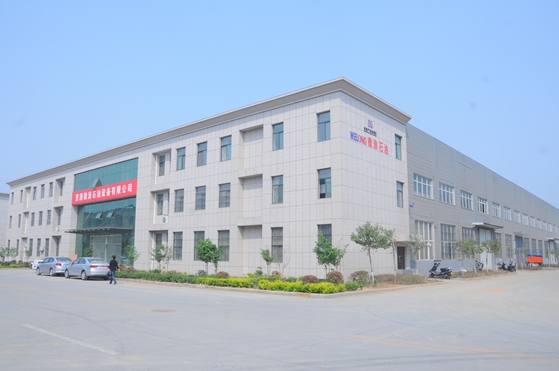
CHINA WELONG - 20+ years manufactuer in oilfield tools