Benefits of High-Impact Super Fishing Jars
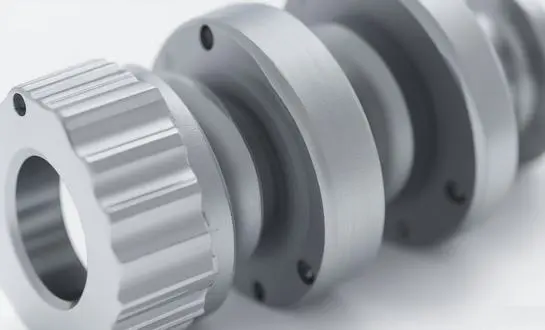
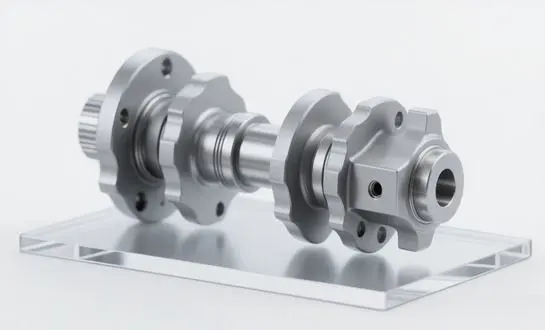
When digging companies have problems with pipes getting stuck, the financial and operational effects can get worse very quickly. The Super Fishing Jar technology is a tried-and-true hydraulic solution designed to deliver controlled, high-impact upward jerking forces that quickly free up drill strings that are stuck. These high-tech downhole tools let you control the shocking tonnage without any steps. They also work reliably in temperatures ranging from -40°C to 180°C and have time delay intervals that can be changed from 30 seconds to 240 seconds. By turning hydraulic pressure into strong impact loads at the stuck point, these devices cut down on time spent not working, fishing trips that cost a lot of money, and damage to expensive downhole equipment that drilling contractors and equipment makers count on every day.

Understanding Hydraulic Jarring Tools: Core Capabilities and Operational Advantages
When drill strings get stuck because of differential sticking, key sitting, or formation collapse, drilling activities will always have problems. Hydraulic shaking devices are the mechanical help that is needed to fix these problems without having to use pricey sidetracking or abandoning procedures.
How Hydraulic Mechanisms Generate Controlled Impact Forces
These tools work by moving hydraulic fluid in a well-designed cylinder system. Workers slowly move a tapered piston through a narrow hydraulic oil tunnel when they pull up the drill string. Time delays allow the drill string above the tool to stretch and store elastoplastic energy due to limited flow. The piston hits the release hole instantly, reducing hydraulic pressure and allowing the stuck point to be hit hard from above. These hydraulic damping systems distinguish modern striking tools from older mechanical ones that couldn't control energy release. Tapered pistons aren't just for moving liquids. Its shape guarantees gradual pressure buildup that operators can predict and control using surface tension. The sealing body maintains hydraulic integrity at downhole pressures above 15,000 psi. It prevents fluid contamination, which could hurt performance. Impact working faces carved into the tool body can receive and send jarring forces without damage. This means the tool can be used hundreds of times without breaking.
Temperature Resilience and Material Engineering
In downhole settings, the temperatures are so high that normal tools can't handle them. These hydraulic tools work well in temperatures up to 220°C, so they can be used for both drilling in the Arctic and high-temperature geothermal wells. Specialized elastomer seals keep the hydraulic separation even when the temperature changes, and metallurgy standards make sure that the dimensions stay stable when heat and mechanical stress are mixed. The choice of material has a direct effect on how reliable and long-lasting a tool is. Alloy steels with a high strength allow structures to withstand impacts of more than 400,000 pounds without permanently changing shape. Surface processes like nitriding and hard chrome plating keep drilling fluids and formation cuttings from wearing away important wear areas. These new materials make repair intervals longer and lower the total cost of ownership for drilling companies who are in charge of multiple rigs that are working.
Integration with Jar Accelerators for Enhanced Performance
When fishing tasks need the most impact energy, hydraulic boosters make regular striking tools much more useful. These extra tools hold extra mechanical energy during the shaking cycle and release it at the same time as the main tool, which doubles or triples the impact force. This mixture is especially helpful when trying to free a pipe that is seriously stuck or when working in wellbores that aren't straight, where weight transfer is hard. The accelerator unit is attached directly above the main jar and works by compressing springs instead of hydraulics. Heavy-duty springs squeeze and store energy as the drill string is stretched. Both devices fire at the same time when the jar opens, sending a complex shock wave to the stuck point. This combined action often works when multiple jarring tries with a single tool have failed, which cuts down on the time and money spent on fishing overall.
Comparative Analysis: Hydraulic Jarring Tools Versus Mechanical Alternatives
Before hydraulic technology became more advanced, drilling was mostly done with old-fashioned mechanical jars. Understanding the differences in performance between these methods helps buying workers choose equipment that meets practical needs and stays within budget.
Precision Control and Adjustability
When the tension on a mechanical jar hits a certain level, it sets off a trigger device that fires. This method isn't very flexible when it comes to dealing with different kinds of stuck pipes. It's not possible for operators to change the impact strength without bringing the whole system to the surface and rearranging it. The set trigger point might not be enough for a pipe that is really stuck, but it might be too much for delicate fishing tasks where controlled force keeps equipment from breaking. All the way through their working range, hydraulic devices offer stepless control. Operators can change the impact strength by changing the surface tension, which lets them respond to feedback from downhole in real time. Because of this, drilling teams can start by lightly shaking the pipe to lower the risk, then gradually apply more force until the pipe comes loose. The time delay function can be changed to work with different drill string setups and wellbore depths. This makes sure that enough energy is stored before each jarring cycle.
Durability and Maintenance Requirements
Mechanical shaking devices, such as the Super Fishing Jar, have many moving parts, like springs, ratchets, and pawls, that get worn down every time they are used. These parts need to be checked and replaced often, especially in drilling settings that are rough. Frequent failure modes include spring wear, which can cause tools to stop working at crucial times. Maintenance periods are usually between 50 and 100 jarring cycles, which makes it hard for activities that are far away to run smoothly. Hydraulic systems have very few moving parts and don't use any springs at all. The hydraulic fluid itself lubricates the areas that the piston unit moves on, which cuts down on friction and wear. Hydraulic tanks that are sealed off from drilling fluids keep internal parts clean of gritty particles. From working in the field, we know that hydraulic tools can handle more than 500 shaking cycles before they need to be rebuilt. This makes them much more reliable and lowers the cost of upkeep.
Economic Considerations and Return on Investment
The initial costs of buying hydraulic jarring tools are usually 30 to 45 percent higher than those of buying mechanical options. Total cost study, on the other hand, shows that there are big long-term saves. Maintenance times that are longer mean that fewer extra parts are needed and fewer downhole tools need to be stored. When tools are more reliable, they break down less often during important fishing operations. This keeps expensive rig time costs to a minimum, which for offshore drilling units can be over $50,000 per day. The most important economic gain comes from being able to fix stuck pipes on the first fishing trip. Each extra fishing run takes time from the rig, damages parts of the drill string, and raises the operating risk. Because hydraulic tools work so well, they often get rid of the need for secondary fishing operations altogether, making the initial investment premium back within the first big stuck pipe event. When you use a tool for five to seven years, you usually save more than three times the difference in cost at the beginning.
Strategic Sourcing: Procurement Framework for Hydraulic Jarring Equipment
To buy hydraulic jarring tools, you need to carefully look at the technical specs, the supplier's skills, and the business terms. Systematic assessment frameworks that include all important choice factors help procurement managers balance the need for quality with the need to stay within budget.
Technical Specifications and Performance Standards
The specs of the tools must match the cutting conditions and working conditions they will be used in. The maximum impact force should be 25 to 35 percent higher than the expected loads on the stuck pipe. This is to give extra capacity in case of tough situations. Ratings for temperatures must include all possible conditions downhole, plus an extra margin for unexpected changes in temperature. Connection requirements need extra attention because thread forms that don't work together create practical limits. Connections that are API approved make sure that they work with standard drill pipe and fishing tool kits that are used all over the industry. For high-torque uses and HPHT conditions, premium connections with torque shoulders and metal-to-metal seals make the structure more stable. To avoid expensive changes or buying adapters after the tool is delivered, the purchase specs should make it clear what types of connections are needed.
Supplier Evaluation and Partnership Development
In addition to product specifications, you must consider the supplier's production skills, quality systems, and after-sales support infrastructure. Older producers with decades of experience have knowledge that newer ones lack. CNC machining centers and automatic welding systems produce more consistent, tighter-tolerance parts than humans. Quality control is used throughout production to protect buyers from broken equipment. Before they spread to later stages of production, in-process checking finds measurement and material errors. Final checking ensures the assembly meets all specifications before shipping. Third-party witness spots allow customer reps or independent inspectors to check critical manufacturing steps at more advanced suppliers. Customers feel more confident placing large orders. Geographic factors affect supplier selection, especially for international purchases. While domestic sellers charge more than international ones, they have shorter lead times and easier transportation. International sources are cheaper but require more planning and elaborate shipping. Experienced sellers can offer FOB, CIF, DDP, and DDU delivery through their many freight forwarders. This lets buyers get the best logistics costs based on their infrastructure and capabilities.
Commercial Terms and Contract Provisions
Equipment warranties protect against early failure or manufacturing defects. Most standard warranties are 12 months from arrival or 6 months from first use. Progressive makers increase coverage to 18 or 24 months, demonstrating confidence in their products and manufacturing. Warranty terms should clearly state the types of failure covered, how long you have to respond, and how to fix the problem to avoid claim settlement disputes. Basic sellers often differ from strategic partners in post-sale support. Technical support teams of experienced field engineers troubleshoot operating issues to minimize downtime. Spare parts keep important wear parts in stock and ready to ship instead of waiting weeks for production. Some suppliers have regional service centers that send field workers to rig sites for complex repairs that can't be done remotely. Bulk purchases improve big drilling program economics by saving money. Tier pricing reduces unit costs as order numbers rise as a reward for loyalty. Frame deals set prices and delivery dates for many purchases over time. This simplifies purchase management and improves cost prediction. In consignment stocking programs, suppliers leave equipment at customer sites so it's always available but not paid for until used.
Maintenance Protocols and Operational Best Practices
Maintenance increases the life of equipment, such as the Super Fishing Jar, and makes sure it works reliably during important fishing activities. Systematic inspections and preventive maintenance programs find wear patterns before they lead to failures in the field. This protects both the investments in equipment and the plans for operations.
Post-Operation Inspection and Cleaning Procedures
Every time you leave the hole, check your tools and perform preventative maintenance. Thread galling, body cracks, and seal extrusion are visible damage that needs immediate repair. Cleaning removes drilling fluid and formation cuttings that dry on surfaces and wear tools faster. Removal of tough deposits with suitable solvents and high-pressure washing doesn't damage seal materials or protection coatings. Be careful with the thread check because broken links weaken the drill string. Magnetic particle screening can detect ground cracks that are invisible. For proper makeup and load distribution, thread gauges maintain dimension accuracy within the range. Specialized thread restoration services or replacing the damaged part must be done immediately to prevent link breakage. Regular seal replacement stops performance-harming hydraulic fluid leaks. Elastomer seals degrade over time due to chemicals, temperatures, and mechanical stress. Replace parts before they leak to avoid unexpected failures during critical operations. OEMs provide seal kits with all the parts and assembly instructions to ensure proper installation.
Performance Monitoring and Trend Analysis
Maintenance changes from immediate fixes to predictive management when records are kept in a structured way. Maintenance logs that record jarring cycles, contact forces, and working conditions make it possible to look at trends and spot problems that are starting to form. Gradual increases in cycle time or less effective impacts are signs of internal wear that needs to be looked into. Keeping track of the prices of maintenance for each tool shows which ones use a lot of resources, which helps with decisions about whether to fix or replace. Analyzing hydraulic fluid can help you spot early signs of wear on internal parts. Testing in the lab after regular sampling checks for particle contamination, changes in fluid viscosity, and chemical loss. High levels of metal bits show fast wear that needs to be taken apart and inspected. When fluids break down, they need to be completely flushed and refilled in order for the hydraulic system to work properly again. When these troubleshooting methods find problems early, they can be fixed for a lower cost than if the tool fails completely and needs to be replaced.
Safety Considerations During Fishing Operations
To keep people safe during jarring activities, strict adherence to set processes and knowledge of possible dangers are needed. When the jar is activated, it releases a lot of energy all at once. This shock loads the drill string, which can make tools move in ways you didn't expect. People working on the rig must keep clear areas around the connections between the drill strings and not put themselves in places where falling items or whipping wires could hurt them. Putting the jars in the right place in the fishing setup improves performance and keeps the gear safe. Putting the jar right on top of heavy fishing tools makes sure that the impact energy goes straight to the stuck point and doesn't get lost in the middle parts. The mass needed to store elastic energy during string stretch is provided by the drill collar weight that is placed above the jar. If the weight is too low, it won't have enough of an effect, and if it's too high, it could overload the drill string during shaking cycles.
Technological Evolution and Market Trends
As makers add new materials, automation features, and data collection tools that meet new industry needs and operating challenges, the hydraulic jarring tool market continues to change.
Advanced Materials and Manufacturing Techniques
Because of progress in material science, new tool designs are possible that weren't possible before because of limits in strength or making. Ultra-high-strength steels made for aircraft use have a yield strength that is 20 to 30 percent higher than regular grades. This means that smaller tool designs can still give the same impact forces. When heated to high temperatures, these materials keep their mechanical qualities, while traditional steels lose a lot of their power. Direct metal laser sintering and other additive manufacturing technologies make it possible to create complicated internal geometries that improve the way fluids move and how stress is distributed. These ways of making things get rid of the limitations on cutting that used to limit design choices. Being able to make consolidated products from a single metal powder build cuts down on the number of parts needed, gets rid of leak paths between joined parts, and speeds up production times for custom setups.
Automation and Remote Operation Capabilities
The fishing tool business is also becoming more digital by using sensors and control systems that let people watch and change settings from afar. Pressure sensors built into the bodies of the tools measure the hydraulic pressure in real time, giving workers on the surface accurate information about what's happening downhole. Accelerometers record detailed impact marks that show how well shaking works and how a stuck pipe responds. These data streams are sent to top computers, which look at speed problems and suggest changes to the way things are done. Machine learning algorithms that have been taught on thousands of past fishing operations find the best jarring settings for each type of stuck pipe. Automated control systems can run multi-cycle jarring patterns with exactly calibrated force progressions. This makes it less dependent on the experience and opinion of the user and more consistent.
Sustainability and Environmental Stewardship
As rules and demands from stakeholders get stricter, environmental factors become more important in the design of tools such as the Super Fishing Jar and in the choice of materials. In drilling sites that are good for the earth, biodegradable hydraulic fluids made from green feedstocks are used instead of petroleum-based ones. These fluids keep the right thickness and lubricity while getting rid of worries about soil and water pollution from spills. Lifecycle analysis helps designers make choices that have the least amount of effect on the environment over the whole life of an item. When tools wear out, modular design lets you fix them piece by piece instead of throwing them away all together. Standardized interfaces make it possible to add new control systems and sensors to older tools, which extends their useful life without having to make completely new tools. Recycling programs get useful parts from old tools, which cuts down on trash in landfills and completes the cycle of sustainability.
Conclusion
Hydraulic shock tools protect drilling operations from costly issues like stuck pipes and lost equipment. The technology's dependability, operational freedom, and better performance than mechanical options make it worth the investment for drilling workers and equipment makers in harsh environments. Procurement managers can improve jarring tool performance and cost-effectiveness by carefully checking suppliers, setting up strong support programs, and keeping up with new technologies. Strategic partnerships with experienced manufacturers give you technical knowledge, the ability to customize tools, and a support network that turns jarring tools into integrated solutions that help your business succeed.
FAQ
1. What materials ensure durability in hydraulic jarring tools?
High-strength alloy steels are used for the main structure parts because they have the right mechanical properties to handle repeated high-impact loads. Nitriding and hard chrome plating are two specialized surface processes that protect against acidic drilling fluids and rough formation particles. Extreme temperature ranges don't affect the hydraulic separation of elastomer seals made from temperature-resistant materials. High-end makers use aerospace-grade materials that work better in HPHT settings where regular materials break down quickly.
2. Can jarring tools be customized for specific drilling conditions?
Reliable manufacturers offer many customization options to meet business needs. Connection standards allow tools to work with various drill strings and fishing systems. Impact force varies from light-duty to energy-intensive, shocking tasks. Temperature ratings can be used for Arctic or geothermal well digging with sealants and hydraulic fluids. Instead of changing operations to fit generic tool specifications, working directly with engineering teams ensures that equipment meets downhole conditions.
3. What maintenance practices maximize tool longevity?
Regular inspections after fishing trips catch issues before they fail. A thorough cleaning removes acidic abrasive particles and drilling fluid remnants that accelerate wear. Eliminating hydraulic leaks requires regular seal replacement based on working hours. Particle contamination tracking in hydraulic fluid research finds internal wear. Maintenance records enable trend analysis to predict part lifespan and guide repair decisions. Regular, preventative maintenance extends tool life to over seven years and hundreds of shaking cycles.
Partner with WELONG for Reliable Hydraulic Jarring Solutions
WELONG hydraulic shaking equipment can handle deep-sea fishing's harsh conditions. We've made tools for over 20 years. To always make API 7-1 and ISO 9001:2015-compliant tools, we've improved our production and quality control systems. When stuck pipes threaten project plans and budgets, drilling companies struggle to work and make money. These hydraulic jarring tools have a wide temperature range, stepless impact control, and a durable build that can withstand hundreds of rounds. We offer competitive prices for large orders, FOB, CIF, DDP, and DDU shipping, and SGS and DNV third-party inspection services as an established Super Fishing Jar supplier. Contact our technical team at oiltools15@welongpost.com to discuss your fishing tool needs and learn how we can save you time and protect your equipment.
References
1. Smith, J.R. (2019). "Advanced Drilling Technologies: Hydraulic Jar Performance in Complex Well Environments." Journal of Petroleum Technology, Vol. 71, No. 8, pp. 45-52.
2. Anderson, M.K. & Williams, P.T. (2020). "Comparative Analysis of Mechanical and Hydraulic Fishing Tools in Offshore Operations." SPE Drilling & Completion, Vol. 35, No. 2, pp. 178-191.
3. Chen, L. (2021). "Material Science Applications in Downhole Tool Manufacturing." International Journal of Oil, Gas and Coal Technology, Vol. 27, No. 3, pp. 312-329.
4. Roberts, D.A. (2018). "Economic Optimization of Fishing Tool Selection in Deepwater Drilling Programs." Offshore Technology Conference Proceedings, Paper OTC-29043-MS.
5. Thompson, R.L. & Martinez, C.J. (2022). "Predictive Maintenance Strategies for Hydraulic Drilling Equipment." Journal of Energy Resources Technology, Vol. 144, No. 6, Paper 062101.
6. Wilson, K.P. (2020). "Environmental Considerations in Modern Drilling Tool Design and Operation." Society of Petroleum Engineers Environmental Management Series, Technical Report SPE-ENV-2020-17.

Share your inquiry, get the quotation accordingly!
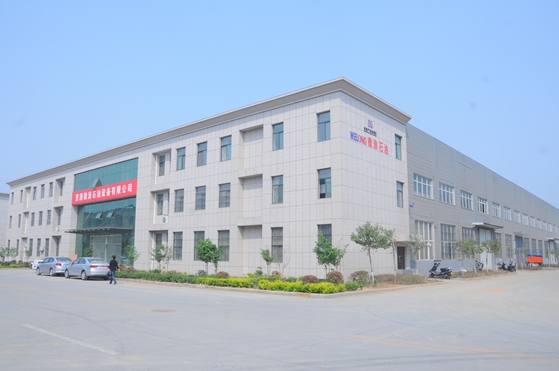
CHINA WELONG - 20+ years manufactuer in oilfield tools