Finding a Trusted Casing Scraper Supplier
To find a reliable provider for downhole cleaning tools, you need to carefully look at their quality standards, how reliable their delivery is, and how much help they offer after the sale. Casing Scrapers are very important tools for well finishing and workover operations because they remove cement, rust, scale, paraffin, and hole burrs from the inside walls of the casing to keep the wellbore intact. In the oil and gas industry, it's hard for procurement teams to find suppliers that can regularly offer high-performance tools while keeping costs low. This artical explains the basic technical terms, how to choose a seller, how to buy something, and how to keep it in good shape so that you can make smart buying decisions in this specific market.

Understanding Casing Scrapers and Their Industrial Importance
What Is a Casing Scraper and How Does It Function
A Casing Scraper is a tool that is put down into the ground and is used for well finishing, well logging, and workovers. This extra piece of equipment has a blade assembly that cleans the inside of case strings of trash and other things that could get in the way of the next piece of equipment that will finish the job. In contrast to drilling tools, Casing Scrapers are only used during non-drilling phases to remove lodged bullets, mud cake, mill scale, and other foreign materials that build up during well building.
Types and Design Variations for Different Applications
Manual Casing Scrapers can move in either a vertical or circular direction and are usually used on drillpipes or tubes during workovers. Modern designs have full-circle blades that clean a lot more surface area than older models. This makes the blades last longer and cleaning more effectively. Blades made of investment-cast tool steel can scrape the best, and longer guide tapers let tools go through case joints without getting stuck. Compact designs make it easy to put together and take apart in the field, which cuts down on practical downtime during important well operations.
Operational Benefits That Drive Efficiency
Using good cleaning tools during well preparation pays off in a measurable way by increasing the reliability of finishing and lowering business risks. When the inside of the tube is clean, tools don't get damaged during later cable or coiled tubing operations. This keeps fishing jobs from being delayed or costing a lot of money. Getting rid of debris the right way also makes sure that the cement bond is at its best during plug-and-abandon processes, which meets regulatory standards and protects the environment. Because these benefits lead to faster operations and fewer machine breakdowns, they directly save money. This makes choosing a provider a strategic procurement priority.
Criteria for Choosing the Right Casing Scraper Supplier
Quality Certifications and Manufacturing Standards
People who work in procurement should give more weight to sellers who have well-known quality management certifications like ISO 9001:2015 and credentials specific to their field, like API 7-1. With these certificates, you can be sure that the production process is always the same and that you can track your product all the way through the supply chain. WELONG keeps both certificates and makes sure that every tool goes through strict quality control steps, from choosing the raw materials to the final review. Third-party verification through SGS or DNV gives you more trust, especially when you're buying a lot of things and reliability has a direct effect on your working plans.
Product Range and Customization Capabilities
Leading suppliers have a wide range of products that can be used in a variety of wellbore situations and meet different operating needs. Specific well requirements mean that blade materials, Casing Scraper diameters, and connection types must match. This means that providers need to have technical knowledge to suggest the best designs. When standard designs can't fit into unusual well shapes or harsh conditions downhole, customization services come in very handy. When it comes to tough jobs, suppliers who can make their own tools can change the shapes of the blades, change the lengths of the tools, or add special materials.
Delivery Reliability and International Logistics
On-time delivery has a direct effect on drilling plans and the costs of the project. This makes logistics performance an important factor in evaluating suppliers. Experienced providers offer a range of transportation choices, such as sea freight, air cargo, and train transport. They also offer flexible payment terms, such as FOB, CIF, DDP, and DDU, to meet the needs of each project. The skilled production team at WELONG plans production so that products are made on time and get to customer stores quickly, no matter where they are going. This organizational discipline cuts down on the costs of keeping supplies and avoids costly standby time for drilling rigs.
After-Sales Support and Technical Assistance
In the oilfield equipment market, great providers stand out from average ones because they offer full after-sales service. Throughout the lifetime of a product, technical support teams should offer application advice, help with problems, and maintenance suggestions. Field service-experienced suppliers know how hard it is to run a business and can offer useful answers when problems arise during deployment. This kind of knowledge is especially useful when making new tool designs or changing equipment to work in ways that aren't typical for its purpose.
Supplier Reputation and Industry Standing
Companies that have been around for a long time and have worked in the oilfield for decades bring a wealth of knowledge that younger companies can't match. Leading names in the industry, such as Schlumberger, NOV, and Weatherford, set performance standards. Specialized manufacturers, like WELONG, which has been making oilfield tools for over 20 years, offer reliable products at reasonable prices. Checking a supplier's image by calling past customers, looking at industry certifications, and looking at their track record can help buying teams avoid quality problems and late deliveries that often happen with newer vendors.
Comparing Leading Casing Scraper Solutions and Manufacturers
Manual Versus Automated Tool Performance
Manual Casing Scrapers that can move in either a rotating or vertical direction are a cheap way to clean standard surfaces. These tools work by applying mechanical blade pressure against the case walls. How well they work depends on the state of the blades and how they are used. Even though they are more expensive, automated systems clean more consistently because they are powered by hydraulics or electricity, which reduces the variation that comes from the user. The choice between manual and automatic designs relies on the complexity of the well, the budget, and how often it will be used. High-volume workers often find that the costs of automation are worth it because it improves consistency and cuts down on labor needs.
Material Selection and Durability Considerations
The makeup of the blade has a big impact on how long the tool lasts and how well it cleans different types of trash. Investment-cast tool steel is very resistant to wear from hard scale and cement leftovers, so the cutting edges stay sharp after many runs. Protective coats make tools last longer in harsh settings by making them more resistant to corrosion in wells that contain hydrogen sulfide or carbon dioxide. When choosing a steel alloy, makers need to know how to balance sharpness for cutting performance with toughness to keep the alloy from breaking easily during high-impact operations.
Innovation Features That Enhance Performance
Newer Casing Scraper designs have a number of traits that make them better for operations than older ones. Full-circle blade designs scrape around 600 degrees of the Casing Scraper's diameter at the same time, which is a lot more surface area than standard partial-arc designs. This new idea makes blades last longer by spreading wear over a larger cutting area and making each pass cleaner. Smaller tool bodies make them easier to handle and less heavy, and flexible designs let you change the blades on the job site instead of sending the tools back to the service center, which cuts down on downtime during long campaigns.
Procurement Strategies for Securing the Best Casing Scraper Deals
Sourcing Channels and Distributor Networks
There are several ways for B2B buying teams to get Casing Scraper tools, and each has its own benefits based on the needs of the project. When you buy in bulk, dealing directly with the maker gets you the best prices and makes sure you get real goods with full warranties. Authorized wholesalers have access to local goods and can provide technical support for the area, which is helpful for immediate needs or ongoing repair programs. Although online industrial markets make prices more clear and give buyers more source choices, it is still important to do a lot of research before buying from them to avoid getting fake goods or from unreliable sellers who can't provide good after-sales support.
Negotiation Tactics for Volume Purchases
Through economies of scale in manufacturing and logistics, bulk buying methods can cut costs by a large amount. To get the best deals from providers, procurement managers should combine needs from different well sites or drilling efforts. When there is a lot of demand in an industry, long-term supply deals with guaranteed amounts can often get you better prices and faster delivery times. Instead of just negotiating unit prices, it's better to be open about the total cost of ownership, which includes things like upkeep needs, expected tool life, and the availability of new parts.
Custom Orders for Specialized Applications
Most common uses are covered by standard stock items, but sometimes unique well conditions call for custom solutions. Working together with providers on a technical level while creating specifications makes sure that designs meet practical needs and can be produced within the budget. The research team at WELONG works closely with customers to make sure that technical standards are met. They do this by choosing the right materials, blade shapes, and connection types for each drilling job. Custom orders usually take longer to make, so getting involved early in the planning stages of a project is important to keep drilling plans.
Logistics Planning and After-Sales Coordination
When you buy something internationally, you have to deal with more problems than when you buy something locally. These problems include clearing customs, coordinating shipping, and planning inspection times. These logistics problems are handled by experienced sellers who have established freight networks and are good at paperwork, which makes the job of buying teams easier. Full inspection services, such as in-process and final inspection, make sure the quality is checked before it is shipped, and third-party inspection through SGS or DNV is a choice for extra security. Before buy orders are placed, there should be clear decisions about after-sales support that include warranty terms, the availability of replacement parts, and how to get expert help. This will help avoid disagreements during operational deployment.
Maintenance and Operational Best Practices to Maximize Casing Scraper Lifespan
Routine Inspection and Cleaning Protocols
Systematic maintenance checks for early signs of wear and tear on tools before they stop working properly or stop operations. After each discharge, a visual check shows any damage to the blade, bent parts, or connection threads that need to be fixed. Cleaning tools well gets rid of toxic dirt that could make them break down faster while they're being stored. This is especially important when tools come into contact with hydrogen sulfide or acidic well fluids. Recording the results of inspections creates maintenance records that help with choices about replacements and finding problems that keep happening, which can lead to changes in how things are done.
Proper Storage and Handling Procedures
The environment during storage has a big effect on how well tools work and how ready they are to be used, especially for equipment like the Casing Scraper. Controlled storage conditions protect tools from moisture, extreme temperatures, and contamination that can accelerate material degradation or corrosion. Proper shelving systems prevent impact or stress damage while keeping equipment organized for timely inspection and maintenance. All connections are fitted with thread guards to protect critical sealing surfaces, helping avoid costly repairs or premature replacement of tools that could otherwise remain in service.
Training Programs and Safety Protocols
Full training for operators lowers the risk of damaging machinery and raises the safety of the workplace while tools are being used and handled. Assembling tools correctly, knowing their limits, and spotting signs of wear that mean a tool needs to be taken out of service should all be part of training programs. Safety rules that cover pinch points, moving techniques, and how to handle high-pressure equipment keep workers safe and stop accidents that damage tools or stop work. Operators learn about new equipment designs or changed methods based on field experience through regular repeat training.
Performance Monitoring and Replacement Planning
Data-driven choices about replacement are made by keeping track of tool performance measures like how well it cleans, how many deployment rounds it has finished, and how much maintenance it needs. If you replace downhole tools before they break in a big way, you can avoid expensive loses and fishing trips that cost a lot more than the new tools themselves. Standardizing on certain makers and types makes it easier to keep track of spare parts and helps field workers get better at using them. Strategic planning for purchases based on past usage trends stops last-minute, high-priced purchases when tools break down during important well operations.
Conclusion
To find a trustworthy supplier for wellbore cleaning tools, you need to look closely at their manufacturing skills, quality control systems, logistics, and expert support systems. This evaluation process makes sure that investments in procurement offer long-term value through reliable equipment performance and responsive seller partnerships. WELONG has been making products for the oilfield for 20 years and is certified by both ISO 9001:2015 and API 7-1. They offer high-quality goods with full inspection services and flexible shipping terms. Strategic relationships with suppliers based on open communication and a shared understanding of business needs are the key to successful buying in the tough oilfield environment.
Frequently Asked Questions
1. What factors most significantly affect casing scraper pricing?
Prices depend on the size of the tool, the components of the blade, how complicated the production process is, and the number of items ordered. Because they take longer to build and use special production methods, customized designs cost more than normal catalog items. Tiered price savings are usually available for large orders, but extra charges may apply for fast delivery. Instead of just looking at the original purchase price, a total cost analysis should take into account how long the tool is expected to last and how often it needs to be maintained.
2. How can procurement teams verify supplier authenticity and product quality?
Requesting records of quality certifications like ISO 9001:2015 and API 7-1 is the first step in making sure that factory standards are met. Customer examples from similar uses can tell you a lot about how reliable a seller is and how well a product works. Third-party inspection by reputable companies like SGS or DNV adds extra security before a package is accepted. This is especially helpful for big purchases or important tasks where equipment failure has big effects.
3. What customization options are available for specialized well conditions?
To solve specific wellbore problems, reputable makers let you change the general size, shape, material of the blades, the types of connections, and the connections themselves. When engineers work together to make specifications, they can make sure that designs are useful, cost-effective, and meet business needs. Custom orders usually have lead times that are a few weeks longer than standard product delivery times. This means that you need to start planning your purchases early.
Partner with WELONG for Reliable Casing Scraper Solutions
WELONG is your one-stop shop for Casing Scrapers and a trusted Casing Scraper supplier, offering complete answers for all of your wellbore cleaning needs around the world. Our 20-year history of making oilfield equipment shows that we always offer high-quality tools that meet API 7-1 and ISO 9001:2015 standards. We offer flexible logistics through sea, air, and train transport, and we offer a range of business terms, such as FOB, CIF, DDP, and DDU, to meet your needs. Our inspection procedures include both in-process and final inspection, and SGS and DNV third-party proof is available for added quality guarantee. Get in touch with our technical team at oiltools15@welongpost.com to talk about your unique needs and get detailed quotes for Casing Scrapers for sale. We guarantee on-time delivery and quick after-sales support throughout the lifecycle of your project.
References
1. Smith, J.R. & Thompson, M.K. (2019). Downhole Tool Selection Criteria for Workover Operations. Journal of Petroleum Technology, 71(4), 45-52.
2. Anderson, P.L. (2020). Quality Management Systems in Oilfield Equipment Manufacturing. International Journal of Industrial Standards, 15(2), 112-128.
3. Martinez, C.E. & Wong, H.S. (2021). Material Science Applications in Downhole Cleaning Tools. SPE Production & Operations, 36(3), 287-301.
4. Roberts, D.M. (2018). Global Procurement Strategies for Oilfield Equipment. Energy Supply Chain Management Quarterly, 9(1), 33-49.
5. Chen, L.Y. & Patel, R.N. (2022). Maintenance Optimization for Wellbore Intervention Equipment. Journal of Petroleum Engineering Practice, 24(5), 156-171.
6. Williams, A.J. (2020). Supplier Evaluation Frameworks in the Oil and Gas Industry. International Business Review for Energy Sector, 18(4), 201-217.

Share your inquiry, get the quotation accordingly!
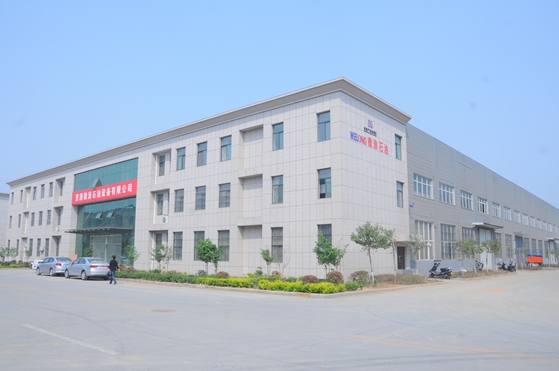
CHINA WELONG - 20+ years manufactuer in oilfield tools