Best BOP Hose Buying Guide for Offshore Drilling
Offshore drilling activities need equipment that can endure tremendous pressures, harsh sea conditions, and important safety requirements. A BOP hose is critical for the hydraulic control of blowout preventers, providing the necessary flexible, high-pressure connections for dependable well control. The appropriate hose choice might be the difference between smooth operations and expensive downtime. This Best BOP Hose Buying Guide for Offshore Drilling is prepared to assist procurement professionals and drilling engineers in identifying the critical characteristics, performance aspects, and selection criteria needed to acquire reliable, high-performance hoses for difficult offshore operations.
What Features Should Buyers Consider When Selecting a BOP Hose for Offshore Use?
Fire-Resistance and Heat Insulation
Offshore platforms that are fire hazardous need technology that can function in high heat environments. When choosing hydraulic control lines, fire safety is the first consideration. A high-quality BOP hose of high quality has strong fire-resistance and heat insulation capabilities, which guarantees dependable operation in combustible settings. This capacity preserves key blowout preventer operations during crises, protecting humans and important offshore drilling infrastructure from catastrophic collapse.
Working Pressure Capacity
Components for high-pressure hydraulic systems must be rated to withstand the severe operating loads in a safe manner. Buyers should weigh the pressure rating carefully before making a choice. A good BOP hose can handle working pressures up to 10,000 PSI or custom ratings. This means the BOP hose can dependably convey hydraulic force to regulate the blowout preventer. This capacity matching to system needs leads to safe, reliable performance in demanding offshore drilling operations.
Temperature Range Tolerance
Equipment used in marine drilling conditions is subjected to severe temperatures that may influence the performance of the material. Choosing a hose that is rated for such circumstances is important for dependability. A durable BOP hose is capable of functioning across a temperature range from -40℃ to +121℃, offering steady hydraulic control in cold northern seas or warm equatorial waters and therefore giving the flexibility required for different offshore drilling operations throughout the globe.
How Does a BOP Hose Support Flexible Connections in Offshore Drilling Operations?
Enabling Movement and Vibration Absorption
Rigid connections cannot cope with the continual motion of offshore rigs caused by waves and currents and operating vibrations. This requires flexible hydraulic lines to provide a stable connection. A well-designed BOP hose absorbs movement and vibration while maintaining a strong hydraulic seal, ensuring continuous control signals reach the blowout preventer, even as the platform fluctuates, safeguarding the integrity of essential well control systems.
Simplifying Installation and Routing
Flexible components are needed for sophisticated offshore arrangements to manoeuvre through confined spaces and convoluted routes. Flexibility makes installing them a whole lot easier. A flexible BOP hose may be routed simply around the equipment and structural barriers, minimising the installation time and complexity. This flexibility enables workers to quickly make dependable hydraulic connections, making rig setup easier and ensuring that we maintain the greatest level of safety and preparedness for offshore operations.
Maintaining Reliable Hydraulic Transmission
Effective transfer of hydraulic pressure is vital to responsive blowout preventer management during crucial operations. Flexible lines need to carry force without loss or delay. A quality BOP hose guarantees reliable hydraulic transmission at high temperatures and in flammable areas. It ensures that the control commands function the blowout preventer accurately when required, providing quick, reliable well control responses in tough offshore drilling situations.
Key Performance Factors of BOP Hose for Harsh Marine Working Conditions
Corrosion Resistance in Saltwater Environments
Constant exposure to saltwater and humid marine air accelerates corrosion, threatening equipment longevity and safety. Selecting corrosion-resistant materials is critical offshore. A durable BOP hose, particularly stainless steel armor types, resists the aggressive marine environment effectively. Supported by insights from the National Science Data Center for Corrosion and Protection of Materials, choosing corrosion-resistant construction ensures long-term reliability in challenging saltwater conditions.
Durable Armor and Reinforcement
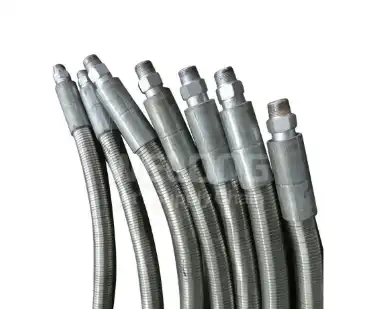
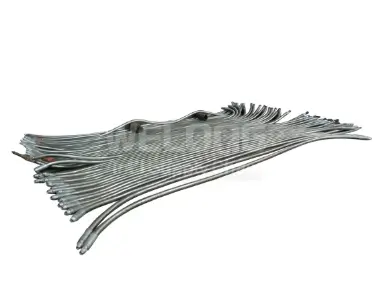
The physical demands of offshore work necessitate a rugged protective structure to avoid damage and failure. This makes the hose far more durable and safer. There are two varieties of quality BOP hose, one is stainless steel armoured and the other is high-molecular polymer which provides great protection against abrasion, impact and mechanical stress. The tough design means the hose can cope with rigorous treatment and demanding circumstances and hence has a long service life.
Long-Term Service Reliability
Reducing equipment replacement and maintenance is key to cost management in far offshore areas. Components that are durable have better value over time. A properly designed BOP hose is the result of high-quality materials and strict quality control to provide reliable long-term performance. This dependability saves money on replacements and maintenance interventions and ensures ongoing well control capability and optimised operational efficiency for demanding offshore drilling campaigns.
How to Choose the Right BOP Hose Based on Pressure, Size, and Application Requirements?
Matching Size to System Requirements
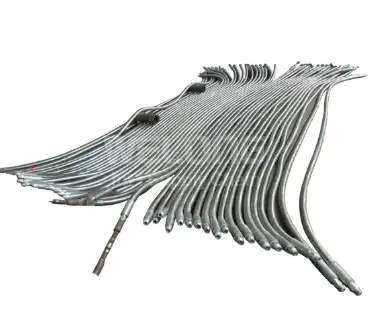
Selecting the correct hose diameter is fundamental to achieving proper hydraulic flow and system compatibility. Buyers must evaluate their specific dimensional needs carefully. A suitable BOP hose is available in sizes ranging from 1/2" up to 1-1/2", allowing operators to match the exact diameter required for their hydraulic control system, ensuring optimal flow rates and reliable connection to blowout preventer components.
Aligning Pressure Ratings with Well Conditions
Different offshore wells present varying pressure demands that require appropriately rated equipment. Matching pressure capacity to conditions is essential for safety. Choosing a BOP hose with a working pressure up to 10,000 PSI or a customized rating, supported by standards referenced through <a href="https://www.astm.org/">ASTM International standards</a>, ensures the hose safely handles the maximum anticipated hydraulic loads without risk of failure during critical operations.
Selecting the Appropriate Armor Type
The specific working environment determines which reinforcement construction best suits the application. Buyers should consider their operational conditions when choosing. A stainless steel armor BOP hose offers superior corrosion resistance and mechanical protection for the harshest marine environments, while a high-molecular polymer type provides excellent flexibility and durability. Selecting the right armor type ensures optimal performance tailored to specific offshore drilling requirements.
Advanced Design Features That Improve BOP Hose Reliability in Offshore Systems
Precision Manufacturing and Quality Control
Only consistent, defect-free production guarantees the dependability of safety-critical hydraulic components. Reliable performance via rigorous manufacturing methods. Premium BOP hoses made under ISO 9001:2015 certifications are subject to rigorous quality control. Each item is built to precise specifications. The precise engineering ensures the hoses are robust and dependable, able to handle the tremendous offshore pressures and harsh environments they will see in service.
High-Temperature Performance Engineering
Offshore hydraulic systems have another challenge: high temperatures affecting the integrity of materials and seals. Advanced thermal engineering for steady performance. A well-designed BOP hose utilises heat-resistant materials and structure to avoid deterioration and provide dependable hydraulic transfer at high temperatures. This thermal capacity ensures the hose provides reliable blowout preventer control even in the severe high-heat settings of offshore drilling applications.
Comprehensive Inspection and Verification
To provide necessary quality assurance, important safety equipment must be independently verified prior to deployment. Full examination by trusted vendors. Buyers procuring a BOP hose can benefit from manufacturers who have expertise working with organisations like SGS and DNV that conduct in-process, final, and optional third-party inspections. These detailed verification plans guarantee each hose will fulfil the standards provided, assuring reliable performance for challenging offshore well control applications.
Conclusion
When choosing the right BOP hose for offshore drilling, you need to consider pressure rating, size, armour type, temperature tolerance, and fire resistance. Built with sturdy stainless steel or polymer, hoses are designed to function with up to 10,000 PSI operating pressure and high temperatures to provide dependable hydraulic control of blowout preventers. When you partner with a qualified manufacturer with a quality certification, you get reliable performance, corrosion resistance, and a long service life that ultimately protects well control operations and maximises safety and efficiency in difficult offshore drilling conditions throughout the globe.
FAQ
Q1: What sizes are available for a BOP hose?
A1: A quality BOP hose is available in sizes ranging from 1/2" up to 1-1/2". This range allows operators to match the exact diameter required for their hydraulic control system, ensuring optimal flow rates and reliable connection to blowout preventer components.
Q2: What working pressure and temperature range can a BOP hose handle?
A2: A robust BOP hose delivers working pressures up to 10,000 PSI or customized ratings, and operates effectively across a temperature range of -40℃ to +121℃, ensuring consistent hydraulic control in diverse offshore drilling environments.
Q3: What armor types are available for a BOP hose?
A3: A BOP hose is available in stainless steel (S.S.) armor and high-molecular polymer types. Stainless steel armor offers superior corrosion resistance for harsh marine environments, while polymer types provide excellent flexibility and durability for various offshore applications.
Ready to Secure Reliable Offshore Equipment? Contact Us Today
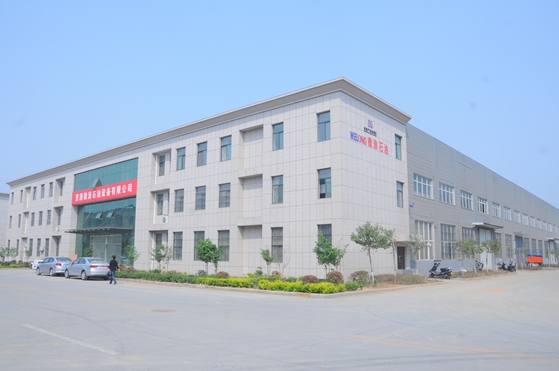
Sourcing dependable hydraulic control components is critical for safe and efficient offshore drilling operations. Founded in 2001, CHINA WELONG is a professional international integrated supply chain service provider concentrating on premium oilfield products and customized solutions. Certified by ISO 9001:2015 & API 7-1, our stringent quality control—including comprehensive in-process, final, and optional third-party inspections via SGS and DNV—ensures every BOP hose we supply is durable and highly reliable. With flexible global transport options (sea, air, railway) under various terms like FOB, CIF, DDP, and DDU, we empower your projects with China's finest supply chain. Welcome to contact us at [email protected].
References
1. American Petroleum Institute (API). "Specification for Control Systems for Drilling Well Control Equipment." API Specification 16D.
2. American Petroleum Institute (API). "Specification for Drill Through Equipment—Blowout Preventers." API Specification 16A.
3. Grace, Robert D. "Blowout and Well Control Handbook." Gulf Professional Publishing.
4. Bai, Yong, and Qiang Bai. "Subsea Engineering Handbook." Gulf Professional Publishing.
5. Watson, Derek, Terry Brittenham, and Preston L. Moore. "Advanced Well Control." Society of Petroleum Engineers.
6. Chakrabarti, Subrata K. "Handbook of Offshore Engineering." Elsevier Science.
Share your inquiry, get the quotation accordingly!
CHINA WELONG - 20+ years manufactuer in oilfield tools