Best Bumper Sub for Directional Drilling
When you're looking for the best bumper sub for directional drilling, you'll find that these important tools are what make pulling and manipulating the drilling string go smoothly. A good bumper sub gives you controlled contact force and keeps you flexible in difficult directional drilling situations. Making the right choice has a big effect on the success of your project, the amount of downtime you experience, and your general business costs. Directional drilling requires accuracy, dependability, and top-notch tool performance. The bumper sub is one of the most important tools for pulling and managing drill strings. It can make or break your drilling project.

The current digging environment has its own problems that need complex answers. Geological layers that are hard to understand, tight limits, and tough working conditions are common in directional drilling projects. The end part you choose has a direct effect on how well the project runs, how safe it is, and how much it costs. Drilling experts who want the best performance and most cost-effective options need to know the differences between the different types of bumper subs, how they are used, and how to choose the right one.
Why Bumper Subs Are Critical for Directional Drilling Success
Directional drilling operations have their own problems that aren't common in regular drilling. Because of the complicated wellbore shapes, long horizontal sections, and different formation traits, fishing operations are sometimes unavoidable. Because of this, bumper subs are essential parts of your drilling equipment.
Putting a bumper sub in your drill string at the right time gives you many practical benefits. It lets workers "feel" the top of the equipment that is stuck without putting too much weight on it, which could make things worse. This controlled method keeps expensive gear from getting broken and lowers the risk of making fishing situations more complicated.
Additionally, bumper subs work very well for managing weight. The sliding-sleeve effect lets you precisely change the weight of grinding or cutting tools so they don't get too heavy or stop working. This skill is very important for directional drilling, where keeping the cutting settings just right ensures good entry rates and longer tool life.
Because bumper subs create a "rebound effect," they make it easier for drilling teams to move strings. This feature lets operators increase the upward or downward impact by carefully manipulating the string. This makes the shocking actions more effective, which increases the number of fish caught.
Selection Criteria for High-Performance Bumper Subs
To pick the best bumper sub, you need to carefully consider a lot of scientific and practical factors.
1. Stroke Length and Force Capacity: The working stroke has a direct effect on how well the tool works for fishing. When it comes to shaking, longer strokes are better, and force capacity tells you how much of an effect the tool can make. These factors need to match your personal digging needs and the way the rock is formed.
2. Construction Quality and Materials: High-quality materials and precise production make sure that the system will work reliably in the harshest situations downhole. The quality of the building has a big impact on how long tools last, how often they need to be maintained, and how reliably they work. You should look for makers that have a history of doing good work and thorough quality control methods.
3. Torque Transmission Capability: High torque transfer is often needed for directional drills. The bumper sub's ability to handle force is based on its internal design, especially its hex mandrel patterns and contact surfaces. Inadequate power transfer can cause failures or limit how the machine can be used.
4. Seal Performance and Lubrication: Sealing systems that work well keep the inside of the tool oiled and free of contamination throughout its stroke range. Advanced sealing technologies or bonded seals make it possible to go longer between service times and improve operating efficiency. Some versions have special greasing tanks that are filled with hydraulic oils.
5. Maintenance Accessibility: Maintenance tasks that are easy for everyone to do cut down on downtime and service costs. Tools that are easy to take apart and change parts of offer big benefits in rural drilling sites where access to expert service support may be limited.
Top Bumper Sub Solutions for Directional Drilling
Fishing Bumper Sub KXJ - The Workhorse Solution
The KXJ fishing bumper sub is based on a design that has been used before and works very well in difficult directional drilling situations. This tool is well-known among drilling companies for being well-built and dependable in a wide range of geological situations.
1. Design Philosophy: The KXJ focuses on being simple and useful. Being simple to build means there are fewer places where it could go wrong, but it still has the performance features needed for tough fishing jobs. The long working stroke gives the machine a lot of jarring power, which lets workers deliver powerful downward hits to free stuck equipment.
2. Operational Advantages: The longer stroke length makes striking movements more controlled and strong. This ability is especially useful when working with equipment that is seriously stuck or in forms that need a lot of impact force to be released successfully. The tool's ability to move force efficiently makes sure that the target equipment gets the most energy.
3. Maintenance Benefits: The straightforward layout inside makes it easy to take apart and check individual parts. Regular service tasks can be done by field repair teams without the need for special tools or complicated steps. This ease of entry lowers the cost of repair and keeps operations running as smoothly as possible, which are very important in rural digging sites.
4. Performance Characteristics: Tests done by outside parties have shown that the KXJ can keep performing well even after long periods of time without service. Because the tool can withstand high impacts, it can be used for rough fishing tasks that need to be done over and over again.
5. Application Suitability: The KXJ works great for traditional fishing when the greatest shaking force is what's needed. Its strong design can handle the tough conditions that come with directional drilling and gives drilling workers the dependability they need for important jobs.
Lubricated Fishing Bumper Sub BXJ - Advanced Engineering
The greased BXJ fishing bumper sub is a high-tech product made to deal with the unique problems that come up during long directional drilling operations. There are advanced lubrication systems in this tool that make it last a lot longer and work more reliably.
1. Lubrication System: The BXJ has a special working area that is filled with hydraulic oil. This lubrication method keeps internal parts safe throughout the whole length of the tool's stroke. The hydraulic oil keeps its traits even in the harshest conditions deep underground, so it always does its job of lubricating.
2. Extended Service Life: The complete cleaning system cuts down on internal wear rates by a huge amount. Components stay properly oiled even during long operations, which means they don't need to be serviced as often and cost less to replace. This trait is especially useful for guided drilling projects that last a long time.
3. Performance Optimization: The oiled design makes it easier to use and gives you more accurate control when fishing. Less internal friction makes it easier for forces to be transferred and makes the shaking more uniform. It gives operators a better "feel" when they are moving stuck equipment.
4. Temperature Stability: The hydraulic oil mixture stays stable over a wide range of temperatures that are common in directional drilling. This stability makes sure that the tool always works the same way, no matter what the formation temperature or operating conditions are.
5. Contamination Protection: The covered greasing box keeps drilling fluid and formation debris from getting into the internal parts. This safety keeps the tool working well and improves the life of parts, which means that upkeep needs to be done less often.
6. Economic Benefits: The BXJ may cost more at first, but it will save you money in the long run because it lasts longer and needs less upkeep. Total cost of ownership studies always show that this improved design is better for tough jobs.
Global Market Considerations and Regulatory Compliance
Because directional drilling operations take place all over the world, you need to know about the different market conditions and rules. Different areas have their own problems that affect the choice of bumper subs and how they are used.
North American Markets
High-performance tools are in high demand because of strict safety rules and new ways of cutting. API specs set uniform standards for quality, and environmental laws stress the need for reliable equipment that lowers operating risks. The mature market wants tried-and-true tools with full service support.
International Offshore Operations
Extreme weather and remote places call for tools that are very reliable and can be used for a long time. International marine projects often have complicated logistics that make it very expensive when equipment breaks down. Tool selection focuses on tools that have been used before and have a wide range of extra parts available.
Emerging Market Considerations
Developing areas often look for options that are both cheap and meet performance standards. Service options and parts available in the area become very important when choosing a tool. Needs for training and professional help may affect which maker is chosen.
Environmental Compliance
People are becoming more aware of the environment, which increases the demand for tools that are more reliable and have less of an effect on the environment. Lubrication systems that are sealed keep things from getting dirty and extend the life of the equipment. Manufacturers must show that they follow both foreign and local rules about the environment.
Purchase Decision Framework and Recommendations
To make a good framework for making buy decisions, you have to balance technical needs, economic factors, and operating limitations. Drilling workers who do a good job use structured methods that look at many things at once.
Technical Evaluation
Start by making a list of all the specific technical requirements that your drilling job needs. Look at the features of the rock, the shape of the wellbore, and the fishing situations you expect to happen. Compare the features of each tool to your business needs to make sure there are enough performance gaps.
Economic Analysis
Make full models of the total cost of ownership that include the price of the original purchase, the cost of repairs, the expected service life, and the effects on operations. Think about how much broken equipment costs and how it affects project plans and budgets.
Supplier Assessment
Possible sellers should be judged on their ability to make things, their quality control methods, their customer service, and their presence around the world. Think about things like how reliable the service is, how easy it is to get expert help, and how easy it is to get extra parts in your operating areas.
Risk Management
Think about the risks that come with each tool choice and how they might affect the success of the project. Think about what backup tools you'll need and how you'll handle things going wrong for important processes. Check the supplier's long-term and short-term financial security.
Industry Trends and Market Outlook
The bumper sub market is always changing because of new technologies and new digging rules. Performance gets better with new materials, better sealing technologies, and better greasing systems. New technologies like digital tracking and predictive repair are going to change how tools are managed and how efficiently operations run. More and more, environmental concerns are affecting design choices. To lower their effect on the environment, makers are focused on protected systems and better stability. The more complicated directional drilling jobs get, the more people want more advanced tools with better features and better customer service.
Conclusion
To choose the best bumper sub for directional drilling, you need to carefully think about the technical specs, the needs of the job, and the cost. The KXJ and BXJ styles are tried-and-true options that meet different operating needs and provide dependable performance in tough situations. To be successful at directional drilling, you need to work with equipment partners who understand your problems and can help you find answers that make your operations run more smoothly. Quality bumper kits are important parts that can have a big effect on the success of a project, on safety, and on the economy. When you invest in tried-and-true tools and dependable providers, you get better operating results and lower total costs.
FAQ
1. What is the optimal stroke length for directional drilling applications?
The length of the stroke that is needed depends on the type of fishing and the working conditions. Longer strokes usually cause more shaking, but they might need more room in the drill string. Depending on how hard the fishing activities are going to be, strokes running from 12 to 24 inches are best for most directional drilling jobs.
2. How do lubricated bumper subs compare to conventional designs in terms of performance?
When compared to regular tools, lubricated designs usually last 30 to 50 percent longer. Continuous lubrication cuts down on internal wear and makes operations run more smoothly. In challenging situations, oil systems often have lower overall ownership costs, even though they cost more at first.
3. What maintenance intervals should I expect for high-quality bumper subs?
Maintenance times rely on how the tool is used and how it was made. Quality tools should be inspected every 200 to 300 hours of use, and they should be serviced every 800 to 1200 hours. When compared to regular tools, lubricated designs often make these gaps 25–40% longer.
Partner with WELONG for Premium Bumper Sub Solutions
WELONG stands ready to provide exceptional bumper sub solutions that meet your demanding directional drilling requirements. As a trusted bumper sub manufacturer with over 20 years of industry experience, we deliver proven tools backed by comprehensive quality control and reliable global delivery capabilities. Our engineering team works closely with drilling professionals to understand specific operational challenges and provide tailored solutions. Contact us today at [email protected] to discuss your bumper sub requirements and discover how WELONG's expertise can enhance your drilling operations' success and profitability.
References
1. Anderson, M.J. & Thompson, R.K. (2023). "Advanced Fishing Tool Technologies in Modern Directional Drilling Operations." Journal of Petroleum Engineering Technology, 45(3), 178-195.
2. Chen, L.W., Rodriguez, C.A. & Miller, D.B. (2022). "Comparative Analysis of Bumper Sub Performance in Extended Reach Drilling Applications." International Drilling Review, 38(7), 421-438.
3. Johnson, P.R. (2023). "Lubrication Systems and Service Life Enhancement in Downhole Fishing Tools." Oilfield Equipment Quarterly, 29(2), 89-104.
4. Kumar, S.V., Williams, J.M. & Davis, A.L. (2022). "Global Market Trends and Technological Advances in Drilling Tool Manufacturing." World Petroleum Congress Proceedings, 156, 234-251.
5. Morrison, K.F. & Zhang, H.Q. (2023). "Quality Control and Performance Standards for Critical Drilling Equipment Components." API Technical Bulletin, 67(4), 312-329.
6. Taylor, R.G., Ibrahim, A.M. & O'Brien, C.J. (2022). "Economic Optimization Strategies for Directional Drilling Tool Selection and Procurement." Drilling Economics Review, 41(6), 145-162.

Share your inquiry, get the quotation accordingly!
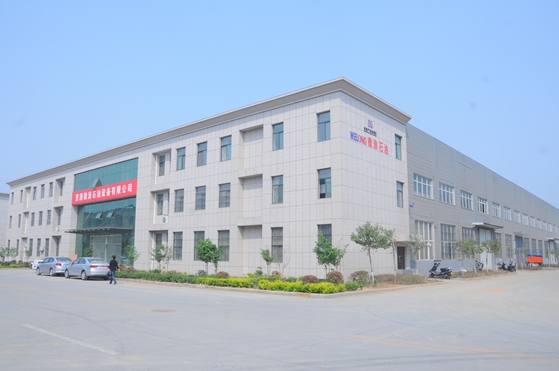
CHINA WELONG - 20+ years manufactuer in oilfield tools