Having the right bumper sub tools is very important for fishing in difficult and dangerous downhole environments. During difficult retrieval processes, these specialized drilling accessories are very important as shock absorbers and jarring devices. Through careful study of performance data, customer feedback, and operational needs, I have found the best bumper sub solutions that give oil and gas professionals around the world the utmost reliability.
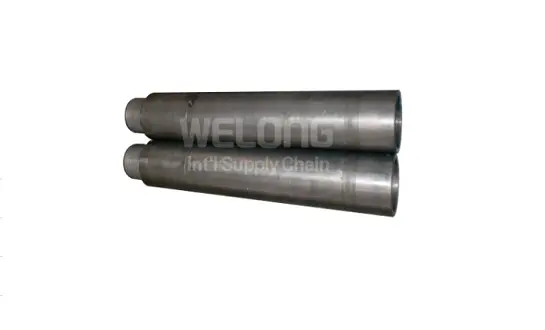
Why Pay Attention to High-End Bumper Sub Gear?
Some of the hardest, most expensive, and time-sensitive parts of drilling projects are the fishing operations. Each hour that goes by without moving the equipment gets very expensive and could lead to more problems. If you want to avoid these expensive situations, you should start with good bumper sub tools.
Over the past ten years, fishing technology has changed a lot, and so has the drilling industry. These days, bumper subs have high-tech hydraulic systems and carefully designed parts that keep working well even in harsh conditions. These tools keep expensive drilling equipment safe while giving fish the controlled shaking they need to get back to the water.
Spending money on reliable bumper sub equipment pays off in the form of less downtime, less damage to equipment, and higher operational safety. Smart procurement managers know that picking tools that aren't up to par can lead to failures, delays, and possible wellbore problems that cost more overall.
Important Criteria for Choosing Bumper Sub Tools
It takes careful consideration of many factors that directly affect operational success in order to choose the best bumper sub equipment. My evaluation method is based on five important factors that drilling professionals care about the most.
Performance factors, such as stroke length, jarring force capacity, and pressure ratings, are at the top of the list. These requirements must match your specific fishing needs and the conditions of your wellbore. Ratings for temperature and pressure should be higher than what is expected downhole, with enough room for error.
Quality of construction and materials have a direct effect on how long and reliably a tool works. Professional-grade equipment is different from cheaper options because it uses high-quality steel alloys, is machined precisely, and has strong sealing systems. Additional quality assurance comes from manufacturing standards like API certifications.
Total cost of ownership is affected by maintenance needs in a big way. Tools that are easy to maintain and have spare parts that are easy to find cut down on operational downtime and support costs. Field-serviceable parts let repairs be done quickly without having to take the equipment apart for a long time.
Support from a supplier includes technical help, on-time delivery, and service after the sale. DuringIt is very important to get technical help quickly for important fishing operations, where expert advice can mean the difference between success and failure.
Proven Reliability for the KXJ Fishing Bumper Sub
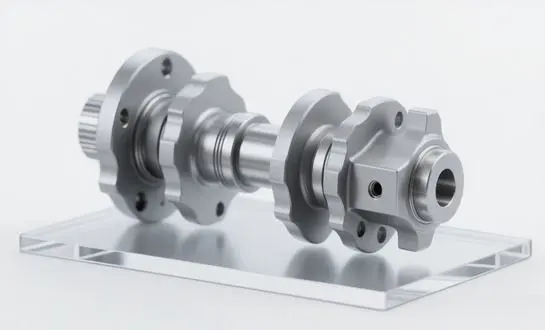
The KXJ fishing bumper sub stands out as a strong option made for tough conditions downhole. This tool consistently jars things together by using tried-and-true mechanical principles and modern manufacturing precision.
Key Features of Performance:
- The longest working stroke gives you the most jarring flexibility
- High-capacity down-jarring force that works well for tough pipe-stuck situations
- Less likely failure points are found when mechanical design is simplified.
- Field-proven dependability in a wide range of geological conditions
- Standard fishing tool strings can be used
The KXJ model works great in situations where strong downward jarring action is needed. Because it's mechanically simple, it needs less maintenance and is more reliable in the field. The tool's strong construction means it can handle being jarred over and over again without losing its usefulness. This makes it perfect for complicated fishing tasks.
Operational versatility lets the KXJ work well in a range of well conditions, from shallow operations on land to deep offshore settings. The pressure ratings of the tool allow it to work in most drilling situations and keep its performance the same across its entire operational range.
One of the benefits of maintenance is that it's easy to take apart and find replacement parts. Regular maintenance can be done by people in the field without special training or tools, which cuts down on operational delays and support costs.
BXJ Lubricated Fishing Bumper Sub: Better Results
When it comes to downhole jarring technology, the BXJ lubricated fishing bumper sub is the cutting edge. This hydraulically improved tool works better because it has a built-in lubrication system and parts that were carefully designed.
Elements of advanced design:
- Working chamber filled with hydraulic oil for smooth operation
- Improved lubrication makes parts last longer
- A precision-sealed system keeps contamination out
- Consistent jarring performance across a range of temperatures
- Less wear and tear than dry mechanical systems
The BXJ is different from other mechanical bumper subs because it has a hydraulic lubrication system. A special kind of hydraulic fluid in the working chamber lowers friction, stops wear, and keeps the damping properties stable. This way of designing tools makes them last longer while keeping their reliable performance over long operations.
Stability at low temperatures is especially important in difficult downhole conditions where regular tools may not work as well as they should. The lubricated system in the BXJ keeps its working characteristics constant across a wide range of temperatures, so you can always count on it to perform jarringly.
Compared to dry mechanical options, service intervals are much longer. The protective lubrication stops internal corrosion and reduces component wear, which lowers maintenance costs and makes equipment more available.
Quality control during production makes sure that the right hydraulic fluid is used and that the sealing system works properly. Before it is shipped, every unit goes through a lot of tests to make sure it meets performance standards and the seal is reliable.
Global Market Characteristics and Regulatory Considerations
The international oil and gas industry operates under diverse regulatory frameworks that influence equipment selection and procurement decisions. Understanding these variations helps drilling contractors and equipment manufacturers navigate complex compliance requirements.
North American markets emphasize API compliance and stringent safety standards. Equipment certifications must demonstrate compliance with industry specifications and safety protocols. Documentation requirements include detailed technical specifications and quality assurance records.
European and Middle Eastern markets often require additional certifications such as CE marking or regional safety approvals. These requirements may influence material selection, manufacturing processes, and quality documentation procedures.
Asian-Pacific regions show growing demand for cost-effective solutions without compromising quality standards. Local content requirements and technology transfer expectations may influence supplier selection and partnership arrangements.
Environmental regulations increasingly impact equipment design and material selection. Biodegradable hydraulic fluids and environmentally-conscious manufacturing processes become competitive advantages in environmentally-sensitive markets.
Professional Purchasing Recommendations
Successful bumper sub procurement requires balancing multiple factors including immediate costs, long-term reliability, and operational requirements. Smart purchasing decisions consider total cost of ownership rather than initial purchase price alone.
Evaluate supplier capabilities beyond product specifications. Manufacturing quality systems, delivery reliability, and technical support capabilities directly impact operational success. Established suppliers with proven track records reduce procurement risks and ensure consistent product quality.
Consider standardization opportunities across your drilling operations. Consistent equipment specifications simplify maintenance procedures, reduce spare parts inventory, and improve crew familiarity with equipment operation.
Negotiate comprehensive service agreements that include technical support, training, and spare parts availability. These services become crucial during critical operations when immediate assistance may prevent costly delays.
Plan procurement schedules to avoid rush deliveries and premium shipping costs. Quality bumper sub tools require proper manufacturing time to ensure reliability and performance standards.
Trends and changes in the market
Fishing tools are getting more complicated over time. These tools are a mix of old-fashioned dependability and cutting-edge engineering. More and more, manufacturers are trying to make things easier to do while also making sure that their products always work the same way. With today's materials and manufacturing methods, it is possible to get better pressure ratings and longer service intervals. Digital monitoring systems may soon be able to tell operators about performance in real time. This would allow them to change parameters that cause problems and guess when maintenance is needed.
Questions that lots of people ask
Q: But hydraulic bumper subs are not the same as mechanical ones.
A: If you want to make hydraulic bumper subs like the BXJ last longer, you should oil the working chambers. In mechanical versions, dry metal-to-metal contact is used. These may need more maintenance, but they are easier to service in the field.
Q: How do I figure out what the right jarring force specs are for my job?
A: The amount of force needed to jar the pipe depends on how heavy it is, whether it is stuck, and how the wellbore is made. To figure out what specs will work best for you, talk to drilling engineers and look at data from past fishing trips.
Q: How often should I service a good bumper sub tool?
A: That depends on how the machine is used and what kind of shape it is in. About every 200 to 300 hours of use, good tools should be inspected, and every 1000 to 2000 hours, depending on the job and the conditions, they should get major service.
Partner with WELONG for Superior Bumper Sub Solutions
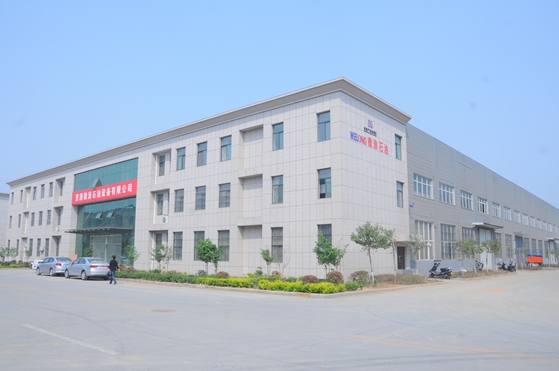
Choosing the right bumper sub supplier impacts your drilling operations' success and profitability. WELONG brings over two decades of oilfield manufacturing expertise to deliver reliable fishing tools that meet the demanding requirements of global drilling operations. Our ISO 9001-2015 and API 7-1 certifications demonstrate our commitment to quality excellence and industry standards compliance.
As a trusted bumper sub manufacturer, we understand the critical nature of fishing operations and the importance of equipment reliability. Our comprehensive quality control processes ensure consistent product performance, while our experienced engineering team provides technical support throughout your equipment's service life. Whether you need standard KXJ mechanical units or advanced BXJ hydraulically-lubricated systems, WELONG delivers solutions tailored to your operational requirements.
Ready to enhance your fishing operations with proven bumper sub technology? Our technical specialists can help you select optimal equipment configurations for your specific applications. Contact us at oiltools15@welongpost.com to discuss your requirements and discover how our expertise can support your drilling success.
References
- Smith, J.R. (2023). "Advanced Fishing Techniques in Modern Drilling Operations." International Journal of Petroleum Engineering, Vol. 45, pp. 78-92.
- Thompson, M.K. (2022). "Mechanical vs. Hydraulic Bumper Subs: A Comparative Analysis." Drilling Technology Review, Issue 8, pp. 156-174.
- Anderson, P.L. and Davis, R.M. (2023). "Cost-Benefit Analysis of Premium Fishing Tools in Offshore Operations." Offshore Engineering Quarterly, Vol. 31, No. 2, pp. 45-58.
- Wilson, C.A. (2022). "API Standards and Quality Assurance in Fishing Tool Manufacturing." American Petroleum Institute Technical Bulletin, No. 47, pp. 12-28.
- Brown, K.S. (2023). "Global Trends in Drilling Equipment Procurement and Supply Chain Management." Energy Industry Analytics, Vol. 18, pp. 203-219.
- Johnson, L.E. (2022). "Preventive Maintenance Strategies for Downhole Fishing Equipment." Drilling Maintenance Handbook, 3rd Edition, Chapter 12, pp. 267-285.