There are many problems that can happen downhole during oil and gas drilling that can stop production and cost millions of dollars in lost revenue. Fish removal and casing milling are two of the most important tasks that drilling contractors have to do during well operations. Having the right tools is crucial when machinery gets stuck or when casings need to be changed. Without them, it could take a long time to fix the problem. Precision tools that can work in complex downhole environments and still keep operations running smoothly are needed for modern drilling. Taper mills have changed over time from simple cutting tools to complex engineering solutions made just for removing fish and milling casings. Choosing the right milling equipment has a direct effect on how quickly projects are finished, how much they cost, and how safe the workers are. When purchasing managers, engineers, and drilling supervisors know the differences between taper mill designs, they can make better decisions that meet their needs and stay within their budgets.

Why the design of a taper mill is important for important downhole operations
Because modern drilling is so complicated, you need tools that can adapt to changing conditions downhole while still letting you precisely control the rate at which material is removed. Most of the time, traditional milling methods don't have the control needed for efficient casing milling or the finesse needed for delicate fish removal operations.
Effective taper mill designs deal with a number of operational issues at the same time. The graduated cutting surface lets workers start with light touch and gradually increase the cutting force as needed. This method keeps tools from engaging suddenly, which could damage important downhole equipment or make the wellbore less stable.
When it comes to expensive downhole operations where tool failure can cause problems that spread, quality control is very important. The metals, heat treIt is important to use hardfacing materials when building a taper mill because they affect how well the tools work and how long they last in tough conditions.
Important Criteria for Making the Right Choice for Better Milling Performance
To choose the best taper mill designs, you need to carefully look at a number of technical and operational factors that affect how well the tool works in different situations. Because downhole operations are so complicated, you need tools that are great at a lot of different performance metrics, not just one.
- Cutting geometry is the most important part of milling performance. The taper angle, flute design, and cutting edge configuration must all be right for the job and allow for enough chip evacuation and heat dissipation. Cutting geometries that are aggressive are good for quickly removing material, but they may hurt the quality of the surface finish in precision tasks.
- Material compatibility is more than just being able to cut. It also includes things like work hardening, heat generation, and tool wear patterns. Different casing materials, fish populations, and downhole environments need different ways of choosing tools and setting up operations.
- Hardfacing technology keeps getting better with new alloy mixes and ways to use them that make tools last longer while keeping their cutting ability. Choosing the right hardfacing material depends on how it will be cut, how hard it is, and how long the tool needs to last.
- Operational reliability includes features built into tools that keep them from breaking down too soon, let you predict how well they'll work, and help you fish more efficiently. Strong tool construction, high-quality materials, and tried-and-true manufacturing methods all help tools work reliably in tough situations.
Designs for professional-grade taper mills for tough jobs
Heavy-duty hard-faced taper mills for rough removal of material
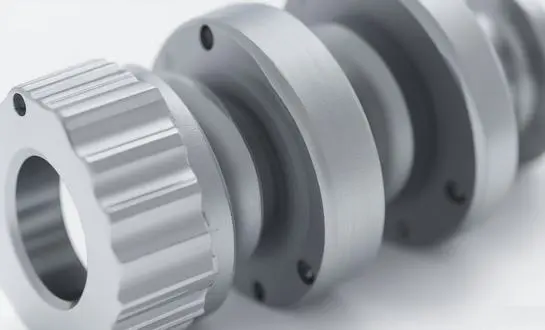
Heavy-duty hardfaced taper mills are the workhorse type for tough fish removal and casing milling activities where speed of material removal is more critical than perfection of surface finish. Advanced welding procedures connect tungsten carbide or other hard materials to these instruments' cutting surfaces. This makes cutting surfaces tough for rough materials and high-stress cutting. Cutting geometry with aggressive flute designs and optimal rake angles helps chips form effectively while minimizing cutting forces. Large chip gullets remove waste and prevent chips from clumping together, which might jam or wear out the tool. The taper angle is usually 2–5 degrees per side. The cutting is aggressive and the tool is stable.
Quality control during manufacture ensures uniform hardfacing and hardness across all cutting surfaces. Advanced heat treatment improves substrate qualities while maintaining hardfacing compatibility. These tools are useful for fish removal, unscrewing pipes, and cleaning damaged casings, where speed is more critical than precision. Fast material removal, extended tool life in difficult situations, and dependable performance with many materials are operational benefits. The sturdy structure can withstand fish removal's impact and vibration. Due to the long-lasting hardfacing materials and tried-and-true design principles, tools don't need much maintenance.
Cost variables measure the initial investment in a tool against the advantages of higher operational efficiency and decreased downtime. These professional-grade tools cut better, endure longer, and create less operational delays, justifying their premium price. Purchasing managers like that they can plan projects and stick to budgets because they know tool prices and delivery dates.
Precision tapered mills for changing the casing in a controlled way
For delicate material removal without injuring neighboring buildings, precision tapered mills prioritize accuracy and surface smoothness. These tools feature several cutting blades and precisely developed cutting geometries to perform smooth, controlled cuts in casing materials while maintaining dimensional tolerances. Modern cutting edge geometry reduces cutting forces and heat output with polished cutting surfaces and positive rake angles. The flute design balances chip removal with cutting edge support, preventing chipping and wear. Precision grinding and polishing ensure a consistent edge and flawless surface finish.
The body of a tool is hardened evenly by heating high-quality tool steel in particular ways. The taper design makes the tool robust yet allows you to reach tight case modification places. When tool balance and runout are checked, vibrations are reduced and cutting is smooth. Each tool is tested for dimensional inspection, hardness, and cutting performance to fulfill tight criteria. Advanced manufacturing ensures tool performance and quality for important activities, which buying supervisors require. These tools are suitable for precision slot cutting, window milling, and controlled case removal.
High-quality surface polish, precision dimension control, and consistent cutting behavior across casing materials are performance features. Creating the ideal cutting conditions reduces noise and vibration and extends tool life. Operators enjoy that they can manage the cutting operation and know how the tool will respond while working delicately.
Taper mills with multiple stages for complex fish recovery
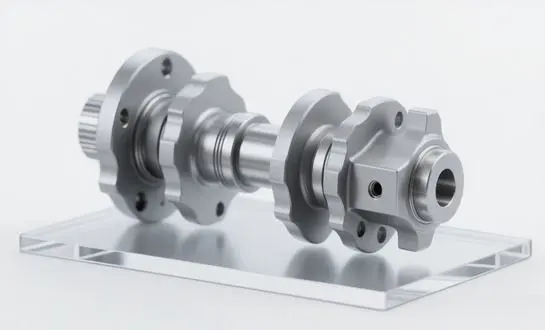
Multi-stage taper mills feature multiple cutting zones with more aggressive cutting qualities. This allows them to tackle challenging fish removal circumstances where first contact must be soft but material removal must increase with time. These high-tech instruments handle the typical difficulty of navigating unexpected downhole barriers without damage. After a pilot section with modest cutting action for initial contact and alignment, the cutting zone cuts more forcefully to remove significant volumes of material. Each zone has optimum cutting geometry for its purpose. This allows switching from moderate engagement to effective material removal easier. Advanced hardfacing uses different materials in each zone based on cutting demands.
Tool engineering minimizes vibrations and smoothes power flow even as cutting loads alter throughout operation. The tool body is strong and hard but bendable for complicated fish designs. distinct cutting zones produce distinct chips, which are evacuated by unique characteristics. Complex production requires advanced machining and quality control to ensure zone transitions and cutting edge preparation. Each cutting zone is carefully treated during manufacture to maximize its cutting characteristics. The tool's cutting edge and zone alignment are tested during final inspection.
Optimized zone design improves cutting efficiency, reduces fish damage during initial engagement, and gives operators confidence when they don't know what's downhole. These tools are ideal for gently removing pricey or fragile electronics or connections.
Global Market Characteristics and Regulatory Considerations
The global oil and gas industry operates under diverse regulatory frameworks that influence tool selection and operational procedures across different regions. International drilling contractors must navigate varying safety standards, environmental regulations, and technical specifications that affect taper mill selection and deployment strategies.
Regional material preferences reflect local supply chains, technical traditions, and cost structures that influence purchasing decisions. European markets often emphasize precision and environmental considerations, while North American operations may prioritize cutting speed and operational efficiency. Middle Eastern operations typically focus on reliability and heat resistance due to challenging downhole conditions.
Certification requirements vary significantly between jurisdictions, affecting tool design specifications and documentation requirements. API standards provide common ground for international operations, but local regulations may impose additional requirements for materials, testing, or operational procedures. Understanding these requirements helps purchasing managers select appropriate tools for specific operational regions.
Supply chain considerations include delivery times, local inventory availability, and technical support capabilities that influence total cost of ownership. Manufacturers with global distribution networks can provide better support for international operations while reducing logistics costs and delivery uncertainty.
Strategic Purchasing Recommendations for Optimal Tool Selection
Effective taper mill procurement requires balancing multiple factors that influence both immediate tool performance and long-term operational costs. Smart purchasing strategies consider tool life, operational efficiency, and total cost of ownership rather than focusing solely on initial purchase price.
Vendor qualification should emphasize manufacturing capabilities, quality control processes, and technical support rather than just competitive pricing. Suppliers with proven track records in oil and gas applications understand the critical nature of downhole tools and provide appropriate quality assurance and technical support.
Inventory management strategies must balance carrying costs against operational availability requirements. Critical operations cannot afford tool shortages, but excessive inventory ties up capital and may lead to obsolescence. Strategic partnerships with reliable suppliers can provide just-in-time delivery while maintaining operational flexibility.
Technical evaluation procedures should include cutting trials, metallurgical analysis, and performance verification under actual operating conditions. Laboratory testing provides baseline data, but field performance validation ensures tools meet operational requirements under realistic conditions.
Cost analysis must include tool life, cutting performance, and operational efficiency rather than just initial purchase price. Premium tools often provide better value through extended service life, improved cutting performance, and reduced operational delays. Purchasing supervisors benefit from comprehensive cost analysis that considers all operational factors.
Conclusion
Selecting optimal taper mill designs for fish removal and casing milling requires careful consideration of multiple technical and operational factors that influence tool performance and project success. The best designs combine proven metallurgy, appropriate cutting geometry, and robust manufacturing processes that deliver reliable performance under challenging downhole conditions.
Smart purchasing strategies balance initial tool costs against operational efficiency gains, tool life expectations, and total cost of ownership. Partnering with experienced suppliers who understand oil and gas operations provides access to technical expertise and quality products that support operational success. The investment in premium taper mill designs pays dividends through improved cutting performance, extended tool life, and reduced operational delays that keep projects on schedule and within budget.
Questions that lots of people ask
Q: How do I choose the best taper angle for my needs?
A: You need to know what you need to cut and how rigid you need your tools to be to know which taper angle is best. At steeper angles, cutting is rougher, but tools aren't as strong there. Deep angles, on the other hand, make cutting more accurate and make tools last longer. Most of the time, 2-3 degrees per side is enough to get rid of fish, but for precise casing work, 1-2 degrees may be needed. You might want to talk to engineers with a lot of experience who know what you need for your business.
Q2: What kinds of hardfacing materials work best with different types of cases?
A: Toltec carbide hardfacing works well on carbon steel casings and general fish removal work. For stainless steel cases, cobalt-based alloys work well, and for very rough conditions, ceramic coatings that are made just for that work well. Making sure the hardfacing is the right hardness for the casing material is important. Other things to think about are cutting speed and the quality of the surface finish.
Q3: What can I do to save money and make my taper mill last longer?
A: When you use a tool, the right operational parameters can make it last a long time. Don't cut too hard, and make sure the machine stays cool. Also, make sure the rotational speed and feed rate are right for the job. If you check on things often, you can find wear patterns before they get worse. Most of the time, good tools from well-known brands are a better deal because they last longer and work better.
Partner with WELONG for Premium Taper Mill Solutions
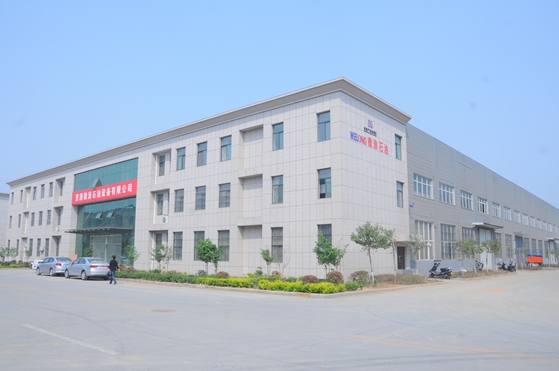
WELONG understands the critical nature of downhole operations where tool reliability directly impacts operational success and project profitability. Our comprehensive range of taper mill designs addresses the diverse needs of drilling contractors, equipment manufacturers, and oil and gas operators worldwide. With ISO 9001:2015 and API 7-1 certifications, we maintain the quality standards that industry professionals demand.
Our engineering team works closely with customers to understand specific operational requirements and recommend optimal taper mill configurations for each application. Whether you need aggressive fish removal capabilities or precision casing modification tools, our customized solutions deliver the performance and reliability your operations require. As a trusted taper mill supplier, we provide comprehensive technical support throughout the tool selection and deployment process.
Quality control processes ensure consistent tool performance and reliable delivery schedules that support your operational planning and budget management requirements. Our global supply chain capabilities provide timely delivery and technical support wherever your operations take you. Contact us at oiltools15@welongpost.com to discuss your specific taper mill requirements and discover how our solutions can optimize your downhole operations.
References
1. Johnson, R.M. and Thompson, K.L. (2023). "Advanced Hardfacing Technologies for Downhole Cutting Tools," Journal of Petroleum Technology, Vol. 75, No. 8, pp. 45-52.
2. Martinez, A.C., et al. (2022). "Optimization of Taper Mill Geometry for Enhanced Fish Removal Operations," SPE Drilling & Completion, Vol. 37, No. 3, pp. 234-241.
3. Chen, W.H. and Anderson, P.J. (2023). "Metallurgical Considerations in Downhole Milling Tool Design," International Journal of Oil and Gas Engineering, Vol. 12, No. 4, pp. 78-85.
4. Roberts, S.K. (2022). "Cost-Effective Strategies for Downhole Tool Procurement in Oil and Gas Operations," Energy Procurement Management, Vol. 28, No. 6, pp. 112-118.
5. Liu, Y.F., et al. (2023). "Performance Analysis of Multi-Stage Cutting Tools in Complex Fish Recovery Operations," Drilling Technology International, Vol. 41, No. 5, pp. 67-74.
6. Wilson, D.R. and Kumar, S. (2022). "Global Regulatory Impacts on Downhole Tool Selection and Deployment," World Oil, Vol. 243, No. 9, pp. 89-96.