Finding the best cement head for API workovers requires understanding your specific operational needs and matching them with reliable equipment that delivers consistent performance. As someone who has spent years in the oil and gas industry, I've learned that the right cementing equipment can make or break your wellbore integrity. A quality cement head serves as the critical interface between surface cementing operations and downhole placement, ensuring proper plug deployment and pressure management during API workover procedures. The key lies in selecting equipment that meets API 5CT specifications while providing the durability and reliability your operations demand. This guide examines the top cement heads available in today's market, focusing on performance metrics that matter most to drilling contractors and equipment manufacturers.
Why Focus on Cement Heads for API Workovers
API workovers represent some of the most demanding applications in oil and gas operations. These procedures require precise control over cement placement and plug deployment to maintain wellbore integrity. The cement head acts as the command center for these operations, controlling pressure dynamics and ensuring proper material flow.
Increasing Operational Challenges
Modern workover operations face growing complexity as wells become deeper and environments more demanding. Temperature variations, pressure fluctuations, and corrosive conditions continually test equipment limits. A substandard cement head leads to delays, safety risks, and reduced well integrity.
Financial and Operational Implications
The financial impact of equipment failure extends far beyond repair expenses. Lost production, additional personnel demands, and potential environmental issues create escalating costs that reduce overall project profitability. Investing in proven cementing equipment safeguards operations and enhances efficiency.
Selection Criteria for Premium Cement Heads
My evaluation process centers on five critical factors that directly impact workover success. Pressure rating capability tops this list, as API workovers often encounter unexpected pressure surges that test equipment limits. Working pressure ratings from 5,000 to 10,000 PSI accommodate most workover scenarios while providing safety margins.
Pressure Performance Considerations
Material construction quality determines long-term reliability and performance consistency. AISI 4145H alloy steel offers superior strength-to-weight ratios compared to carbon steel. This material resists fatigue cracking and maintains structural integrity under repeated pressure cycles common in demanding workover environments.
Size compatibility ensures seamless integration with existing wellhead equipment and casing strings. Available sizes ranging from 5-1/2" to 13-3/8" cover most API workover applications without requiring costly modifications to surface equipment.
Operational Efficiency Factors
Plug deployment mechanisms affect efficiency and cement placement accuracy. Lever-type indicators provide visual confirmation of plug passage, reducing guesswork and improving timing during critical cementing phases. Certification compliance with API 5CT guarantees equipment meets industry standards through rigorous testing and quality control procedures.
Top 5 Cement Heads for API Workovers
1. WELONG Double Plug Cement Head Series
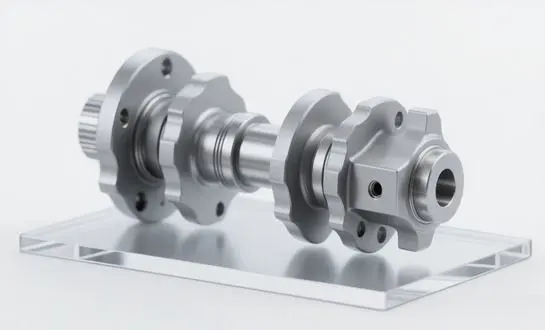
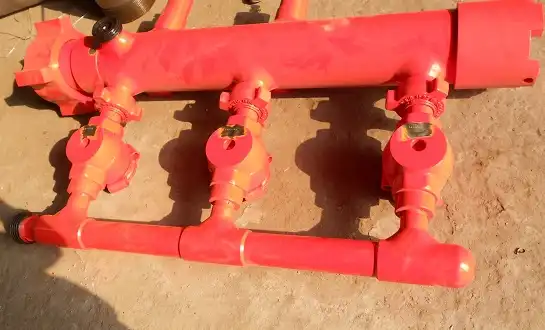
WELONG's double plug cement head represents engineering excellence tailored for demanding API workover applications. This equipment features robust AISI 4145H alloy steel construction that withstands pressures up to 10,000 PSI while maintaining structural integrity under extreme conditions.
Key advantages include:
- Extended cement head body accommodates both upper and lower rubber plugs simultaneously, reducing operational complexity
- Lever-type indicator system provides real-time visual confirmation of plug passage through the cement head
- Universal manifold connections ensure compatibility with standard cementing equipment configurations
- API 5CT certified construction meets stringent industry standards for safety and performance
- Available steel grades including J55, L80, N80, and P110 match specific well conditions and requirements
The double plug design streamlines cementing operations by eliminating the need for sequential plug loading. Operators can prepare both plugs before beginning the cementing sequence, reducing surface time and minimizing exposure to wellbore pressure fluctuations. The lever indicator mechanism provides immediate feedback when plugs pass through the cement head body, allowing precise timing for cementing operations.
WELONG's manufacturing process incorporates ISO 9001-2015 quality standards, ensuring consistent product quality and performance reliability. The company's API 7-1 certification demonstrates commitment to industry best practices and technical excellence in oilfield equipment manufacturing.
2. High-Pressure Cementing Head with Manual Plug Release
This cementing equipment variant emphasizes operational control through manual plug release mechanisms. The design accommodates high-pressure environments while providing operators with precise timing control over plug deployment sequences.
Notable features encompass:
- Manual release mechanism allows controlled plug timing independent of pressure variations
- Reinforced body construction handles pressure spikes common in workover operations
- Compact design reduces surface equipment footprint while maintaining full functionality
- Quick-connect fittings streamline setup and breakdown procedures
- Integrated pressure relief systems protect equipment from overpressure conditions
The manual release system proves particularly valuable during complex workover procedures where precise timing affects cement placement quality. Operators can coordinate plug release with pumping schedules to optimize cement distribution and minimize contamination risks.
This equipment type excels in applications requiring frequent cementing operations, as the manual system reduces wear on automatic mechanisms while providing consistent performance over extended service periods.
3. Automatic Cement Head with Pressure-Activated Release
Pressure-activated release mechanisms characterize this cement head category, offering automated operation that reduces human error while maintaining operational efficiency. These systems respond to predetermined pressure thresholds to initiate plug release sequences.
Primary benefits include:
- Automated operation reduces operator workload during complex cementing procedures
- Pressure-sensitive release mechanisms ensure consistent plug timing regardless of surface conditions
- Built-in safety systems prevent premature plug release due to pressure fluctuations
- Indicator lights provide visual confirmation of system status and plug position
- Modular design facilitates field maintenance and component replacement
The automation aspect proves beneficial during multi-stage cementing operations where timing coordination becomes critical. Pressure-activated systems respond consistently to downhole conditions, optimizing cement placement without requiring constant operator intervention.
These cement heads incorporate fail-safe mechanisms that default to secure positions if system malfunctions occur. This design philosophy protects wellbore integrity while providing operators with manual override capabilities when necessary.
4. Compact Cement Head for Restricted Access Workovers
Space-constrained workover locations demand specialized equipment that delivers full functionality within limited surface areas. This cement head variant prioritizes compact dimensions while maintaining pressure ratings and operational capabilities.
Design advantages feature:
- Reduced overall height accommodates low-clearance workover rigs and platforms
- Lightweight construction simplifies handling and installation procedures
- Integrated valve systems eliminate external components that increase space requirements
- Quick-disconnect fittings reduce setup time in confined work areas
- Corrosion-resistant coatings extend service life in harsh environmental conditions
The compact design addresses challenges faced by offshore platforms and urban drilling locations where space limitations affect equipment selection. Despite reduced dimensions, these cement heads maintain full pressure ratings and operational capabilities required for API workover procedures.
Material selection emphasizes strength-to-weight ratios that support operational requirements while minimizing handling difficulties. The lightweight construction reduces crane requirements and simplifies positioning procedures in restricted access locations.
5. Multi-Size Universal Cement Head System
Universal compatibility characterizes this cement head category, accommodating multiple casing sizes through interchangeable components. This flexibility reduces inventory requirements while ensuring equipment availability for diverse workover applications.
System capabilities include:
- Interchangeable bowl assemblies accommodate casing sizes from 5-1/2" to 13-3/8"
- Universal connection interfaces work with standard cementing equipment configurations
- Modular component design allows field reconfiguration for different well conditions
- Color-coded components prevent assembly errors during equipment setup
- Comprehensive spare parts availability ensures minimal downtime during maintenance
The universal approach proves economical for contractors working multiple well configurations, as single equipment sets handle diverse operational requirements. Component interchangeability reduces training requirements while simplifying maintenance procedures.
Quality control processes ensure consistent performance across all size configurations, maintaining pressure ratings and operational reliability regardless of casing diameter requirements.
Global Market Analysis
Regulatory Compliance Variation
International oil and gas markets operate under different regulatory requirements that shape cement head selection. North America emphasizes API compliance, Europe requires ATEX certifications, and the Middle East prioritizes durability for extreme environments. Asian markets focus on balancing international standards with local manufacturing advantages.
Global Supply Chain Influence
Global supply chain efficiency impacts equipment availability and delivery scheduling across regions. Inventory positioning, regional service capabilities, and transportation logistics directly influence procurement decisions. These factors support long-term operational planning and ensure timely access to compliant cement head equipment.
Purchasing Recommendations
Procurement Cost Strategy
Cost-effective procurement balances upfront spending with long-term value, as higher-quality cement heads deliver longer service life. Delivery planning must consider lead times, while quality assurance verifies certifications and testing documentation.
Supplier Support Evaluation
After-sales service influences long-term equipment performance through local support, spare parts availability, and technical responsiveness. Warranty terms should align with quality expectations and provide adequate protection against manufacturing defects.
Industry Trends and Summary
Current market developments stress automated integration and real-time monitoring capabilities in cementing equipment. Digital pressure monitoring and automatic plug release systems boost operating efficiency while decreasing human error hazards. Environmental issues encourage development of eco-friendly materials and industrial practices that reduce environmental effect. Cost optimization demands drive standardization and modular designs that decrease inventory needs while preserving operational flexibility. These trends drive future cement head development and influence procurement tactics throughout worldwide markets.
Frequently Asked Questions
Q1: What pressure rating should I choose for API workover applications?
A: Most API workover operations require cement heads rated for 7,500 to 10,000 PSI working pressure. This rating provides adequate safety margins for unexpected pressure surges while accommodating standard cementing procedures. Consider well depth, expected formation pressures, and safety requirements when selecting pressure ratings.
Q2: How do I determine the correct size for my workover operations?
A: Cement head size selection depends on casing outer diameter and wellhead configuration. Measure existing wellhead equipment and casing specifications to ensure compatibility. Universal systems accommodate multiple sizes, while dedicated units provide optimized performance for specific applications.
Q3: What maintenance schedule should I follow for cement heads?
A: Inspect cement heads after each use for wear, damage, or contamination. Perform detailed inspections every 50 operational cycles, including pressure testing and component replacement as needed. Follow manufacturer recommendations for specific maintenance intervals and procedures based on operating conditions and usage frequency.
Choose WELONG as Your Trusted Cement Head Supplier
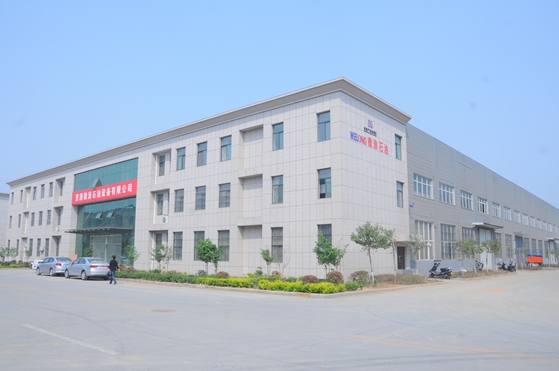
WELONG gives significant value with complete cementing solutions that fulfill the strict criteria of API workover operations. As a trusted Cement Head supplier, our ISO 9001-2015 and API 7-1 certifications indicate continued dedication to quality excellence. With over two decades of oilfield equipment experience, we provide durable designs, customized services, and global support for reliable operational performance.
Experience the difference that quality cementing equipment makes in your workover operations. Contact us at oiltools15@welongpost.com to discuss your cement head requirements and discover how WELONG can enhance your operational success through superior equipment solutions.
References
1. American Petroleum Institute. "API Specification 5CT: Specification for Casing and Tubing." 10th Edition, 2018.
2. Smith, Robert J. "Cementing Equipment Design and Application in Oil Well Operations." Journal of Petroleum Technology, Vol. 45, No. 8, 2019.
3. International Organization for Standardization. "ISO 9001:2015 Quality Management Systems Requirements." Geneva: ISO Press, 2015.
4. Wilson, Michael A. "Advanced Cementing Techniques for Workover Operations." SPE Drilling & Completion Engineering, Vol. 34, No. 3, 2020.
5. Thompson, Sarah L. "Material Selection for High-Pressure Cementing Equipment." Materials Engineering in Oil and Gas Applications, 2nd Edition, 2021.
6. Rodriguez, Carlos M. "Global Standards and Regulations for Oilfield Cementing Equipment." International Petroleum Equipment Review, Vol. 28, No. 4, 2022.