Selecting the right centralizer is essential for maintaining casing stability and ensuring effective cement placement. Different well conditions require specific designs, including bow spring options for deviations, rigid types for straight holes, and aluminum alloy models for corrosive environments. Proper selection prevents delays, enhances well integrity, and supports long-term performance. Understanding each type's capabilities allows drilling teams to optimize standoff, reduce sticking risks, and achieve reliable cementing results across complex well geometries.

Why Centralizer Selection Matters for Drilling Success?
Centralizer Influence on Well Integrity
Proper centralizer selection ensures reliable standoff and stable casing positioning. Precise control of casing movement minimizes delays and reduces equipment risks, directly supporting consistent cement placement and overall well integrity during operations.
Operational Coordination in Complex Wells
Drilling teams must balance running speed with centralizer performance in tight schedules. Efficient resource allocation is essential, especially in challenging wellbore geometries where conventional centralizing approaches may not deliver required operational consistency.
Performance optimization through accurate product matching reduces non-productive time and strengthens cement bonding. Avoiding poor centralizing practices is vital, ensuring predictable results and stable performance across various well sections.
Selection Criteria for Optimal Centralizer Performance
Key Technical Evaluation Factors
Centralizer performance evaluation focuses on price-performance balance, locking mechanism reliability, and component atomicity. Critical section analysis ensures compatibility with wellbore geometry, casing design, and drilling fluid characteristics for dependable downhole behavior.
Operational Availability and Standardization
Local availability influences logistics and scheduling efficiency. Field-proven designs supported by regional experience guide selection, while scalable product solutions across multiple well types support long-term planning and equipment standardization.
Top 5 Centralizer Types for Maximum Casing Stability
1. Bow Spring Centralizer - The Industry Standard
Bow spring centralizers represent the most widely adopted solution for casing stability in deviated and horizontal wells. The spring-loaded bow design provides consistent restoring force while maintaining low starting force characteristics. This combination ensures smooth casing running operations while delivering reliable standoff performance.
Key advantages of bow spring products include:
- Excellent performance in deviated wellbores up to 60 degrees
- Self-centering capability that adapts to varying hole sizes
- Reduced drag forces during casing running operations
- Proven track record across diverse geological formations
- Cost-effective solution for standard drilling applications
Bow spring centralizers manufactured to API 10D standards deliver reliable performance through uniform heat-treated alloy construction. Their adaptive spring design supports stable casing running, effective event response, and improved cement circulation. Proper spacing and selection enhance coverage, reduce channeling, and strengthen overall cement bond quality.
2. Rigid Centralizer - Maximum Standoff Guarantee
Rigid centralizers deliver uncompromising standoff performance in straight-hole applications where maximum cement annulus is required. The fixed blade design maintains consistent standoff regardless of downhole forces or wellbore irregularities. This reliability makes rigid products essential for critical cementing operations in vertical wells.
Operational benefits of rigid centralizers include:
- Guaranteed minimum standoff in all wellbore conditions
- Excellent performance in straight and near-vertical wells
- Superior cement displacement efficiency
- Minimal drag increase during casing running
- Long-term dimensional stability
Rigid products provide strong standoff through straight or spiral blade designs that control contact and support cement flow. Proper placement, torque management, and deviation planning reduce binding risks. Their predictable, non-variable performance supports coordinated drilling–cementing operations and consistent results across similar well conditions.
3. Double Bow Centralizer - Enhanced Flexibility
Double bow centralizers combine the flexibility of spring designs with increased restoring force for challenging wellbore conditions. The dual bow configuration provides redundancy while maintaining smooth casing running characteristics. This design excels in wells with varying hole sizes and moderate deviation angles.
Performance advantages include:
- Superior flexibility for irregular wellbore geometry
- Increased restoring force compared to single bow designs
- Enhanced durability through load distribution
- Improved performance in washout zones
- Reduced stress concentration on individual bow elements
Double bow centralizers enhance standoff through synchronized bow action and secure locking mechanisms that prevent separation. Precision manufacturing supports reliable load sharing and long service life. Their adaptable design suits multiple casing sizes, providing stable performance and effective cementing even in challenging downhole conditions.
4. Aluminum Alloy Centralizer - Lightweight Performance
Aluminum alloy centralizers offer significant weight reduction while maintaining excellent centralizing performance. The lightweight design reduces overall casing string weight and running forces. This advantage becomes critical in deep wells where weight limitations affect drilling operations.
Distinctive features include:
- Substantial weight reduction compared to steel alternatives
- Excellent corrosion resistance in harsh environments
- Superior drillability for future operations
- Reduced environmental impact through material selection
- Enhanced performance in high-temperature applications
Aluminum alloy products offer lightweight strength, simplified handling, and reliable performance in corrosive environments. Their consistent manufacturing quality supports predictable standoff, while reduced transportation and installation demands improve operational efficiency. Scalability across various well designs makes them suitable for standardized drilling applications.
5. Roller Centralizer - Innovative Solution
Roller centralizers represent cutting-edge technology for challenging casing running operations. The rolling contact mechanism significantly reduces friction while maintaining excellent centralizing performance. This innovation addresses complex wellbore geometries where conventional centralizers face limitations.
Advanced capabilities include:
- Dramatic friction reduction during casing running
- Excellent performance in highly deviated wells
- Reduced wear on casing and wellbore surfaces
- Enhanced ability to navigate tight spots
- Improved cement displacement characteristics
Roller centralizers use precision-engineered mechanisms that prevent binding and reduce friction, ensuring smooth casing running. Their load-sharing roller design enhances durability, while advanced bearings extend service life. Consistent rotation and centralization improve efficiency in challenging wells, supported by strict manufacturing quality control.
Global Market Analysis and Regional Considerations
Regional Market Dynamics
The global centralizer market reflects varied operational requirements shaped by regional drilling practices. North American shale development drives demand for high-performance designs, while offshore regions require specialized equipment aligned with strict regulatory specifications.
Supply Chain and Product Adaptation
Global supply relies on scalable manufacturing and efficient logistics that maintain consistent quality. Regional customization ensures performance optimization for local geological challenges, while cultural preferences influence product type selection and purchasing decisions.
Purchasing Recommendations and Key Considerations
Performance-Based Procurement Principles
Smart centralizer procurement balances performance requirements with cost considerations by evaluating total ownership cost. Quality control and coordinated specification development ensure consistent delivery, proper functionality, and alignment with project budgets.
Supplier Reliability and Risk Control
Reliable supplier partnerships strengthen operational continuity through verified performance, strong service support, and standardized evaluation practices. Diversified sourcing and structured risk mitigation strategies maintain supply security and reduce quality variation across projects.
Industry Trends and Summary
Smart Technology Integration
Industry trends highlight smart centralizers equipped with sensors for real-time feedback. Digital drilling workflows increase demand for responsive designs, while advanced materials research drives development of lighter, stronger, and more durable product solutions.
Sustainability-Driven Innovation
Environmental priorities shape centralizer design and manufacturing choices. Aligning sustainability with operational performance encourages new product concepts using recyclable materials and lower-impact processes, guiding future product development toward reduced environmental footprint and improved lifecycle efficiency.
Conclusion
Selecting the best centralizer types for maximum casing stability requires careful consideration of wellbore conditions, operational requirements, and performance specifications. Bow spring centralizers excel in deviated applications, while rigid centralizers provide guaranteed standoff in vertical wells. Specialized options like aluminum alloy and roller centralizers address specific challenges in demanding environments.
Successful centralizer selection balances performance requirements with cost considerations and operational constraints. The coordination between proper centralizer placement and cementing operations directly impacts well integrity and long-term production success. Investment in quality products from experienced manufacturers like WELONG ensures reliable performance and operational success across diverse drilling applications.
Frequently Asked Questions
Q1: How do I determine the correct centralizer spacing for my well design?
A: Centralizer spacing depends on wellbore geometry, casing size, and deviation angle. Generally, place products every 90-120 feet in vertical sections and every 60-90 feet in deviated sections. Use specialized software or consult with centralizer manufacturers for specific calculations based on your well parameters.
Q2: What factors affect centralizer performance in horizontal wells?
A: Key factors include restoring force, starting force, wellbore irregularities, and drilling fluid properties. Bow spring centralizers typically perform best in horizontal applications due to their flexibility and low starting force characteristics. Consider hole cleaning efficiency and cement displacement patterns when selecting products for horizontal wells.
Q3: Can different centralizer types be used in the same casing string?
A: Yes, combining different centralizer types often optimizes performance. Use rigid centralizers in vertical sections where maximum standoff is critical, and bow spring centralizers in deviated sections where flexibility is important. Ensure compatibility between different types and consider cumulative effects on running forces.
Partner with WELONG for Superior Centralizer Solutions
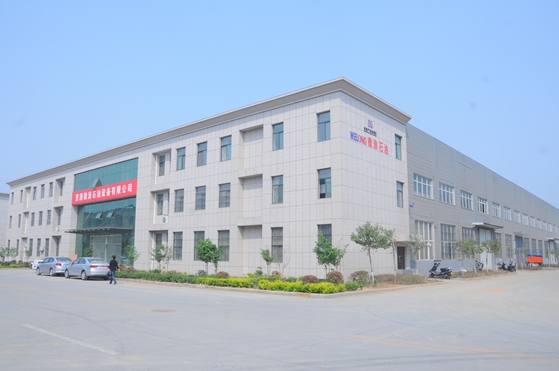
WELONG's vast centralizer manufacturing expertise extends over two decades of successful project execution. Our extensive quality control systems guarantee every centralizer satisfies API Spec 10D criteria while surpassing client expectations. The cooperation between our manufacturing teams and quality assurance divisions provides constant performance across all product lines.
Choosing WELONG as your centralizer supplier provides access to advanced manufacturing capabilities and technical expertise. Our skilled production teams maintain strict delivery schedules while ensuring product quality meets demanding operational requirements. The synchronization between manufacturing processes and quality control creates reliable, durable centralizers that perform under extreme downhole conditions.
Experience the advantage of working with a certified centralizer manufacturer that prioritizes customer success. Contact us at oiltools15@welongpost.com to discuss your specific centralizer requirements and discover how WELONG can optimize your drilling operations.