Best Kill Manifold for High-Pressure Drilling Rigs
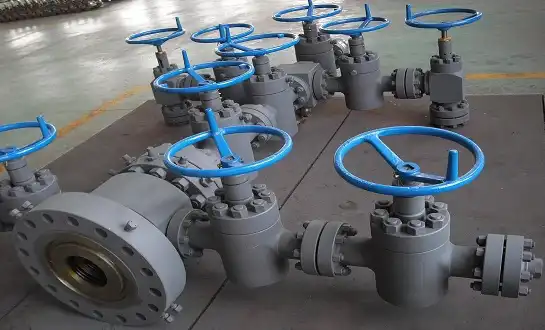
High-pressure drilling requires the most dependable and effective kill valve systems available. High-quality well control technologies become more critical when drilling deepens into challenging strata. Decades of engineering and operational expertise have created modern kill manifold systems. They can withstand 2,000 to 20,000 PSI. Change in the oil and gas research business creates new difficulties that demand better solutions. Today's drilling businesses and equipment manufacturers recognise that high-quality kill valves affect project performance, crew safety, and income. These advanced technologies integrate seamlessly with choke valves and blowout preventers to create well control networks that respond quickly to downhole changes. Engineers and procurement managers may make wise kill complex decisions that fit their company goals and budgets by understanding their technical specifications, performance attributes, and reliability aspects.
Why Focus on Premium Kill Manifold Systems?
Critical Role in Well Control and Safety
It was decided to put high-quality kill valve tools at the top of the list because these systems are so important for keeping the well intact during digging operations. Kill manifolds are different from other surface equipment because they are the last line of defense against catastrophic well control events that can hurt people, damage the environment, and destroy equipment.
Engineering Strength Under Extreme Conditions
Extreme temperature changes, toxic fluids, and long-term high pressures in modern drilling settings put tools to the test of what material science and engineering can do. Premium kill valves are made with advanced metals, precise cutting, and strict quality control procedures that make sure they work well for long periods of time.
Long-Term Economic Value and Risk Reduction
Kill manifold choosing has financial effects that go beyond the cost of the original buy. Reliable systems have less downtime, need less upkeep, and don't have the huge costs that come with well control events. Industry data constantly shows that spending in proven kill manifold technology pays off in the long run by making operations more efficient and lowering risks.
Selection Criteria for Optimal Kill Manifold Performance
Pressure Rating and Material Specifications
Pressure rates are most crucial when selecting a kill manifold. Systems can withstand 2,000 PSI for basic operations and 20,000 PSI for ultra-deep drilling. Material classes EE and FF have different rust protection and temperature tolerance. Class FF materials perform better in demanding conditions. API SPEC 16C temperature criteria ensure that the system operates reliably in temperatures from -46°C to 121°C, making it usable in a range of locales and operating conditions. These grades are based on extensive testing and verification that the parts perform under difficult conditions.
Flow Capacity and Response Characteristics
During well control activities, the flow capacity and reaction time are based on nominal bore sizes that range from 2.1/16" to 4.1/16". Larger hole sizes allow for faster circulation rates and better pressure control, while smaller forms are better when drilling in places with limited room. How long a response takes depends on the form of the valve, the specs of the actuator, and how well the system can be integrated. Premium kill switches have fast-response valves that let them respond right away to changing well conditions. This cuts down on the time it takes to find a problem and fix it.
Quality Certification and Compliance Standards
API SPEC 16C compliance makes sure that the design, production, and testing of kill manifold systems are up to strict industry standards. Getting ISO 9001:2015 approval shows that you are dedicated to quality management systems that always produce reliable goods. Organizations like SGS and DNV offer third-party testing services that add to the confidence in the quality and performance of manufactured goods. Before the equipment is put into use, these thorough testing methods check the qualities of the materials, the accuracy of the measurements, and their ability to do their job.
Top Kill Manifold Systems for High-Pressure Applications
WELONG Premium Series Kill Manifold Systems
After 20 years of making high-quality oilfield equipment, WELONG created elite series kill valves. These systems function in all digging circumstances because they employ superior engineering and are dependable in the field. From raw material selection to final testing, tight quality control regulations monitor the production process. Advanced metallurgy ensures material quality to withstand harsh operating conditions. Precision valve parts that seal effectively, high-tech pressure monitoring systems that provide data in real time, and flexible design principles that enable maintenance and part replacement simpler are key aspects. While doing the same, the systems can handle oil, natural gas, and fracking mud. It works with existing well control systems and may be installed freely, and experienced guidance ensures the ideal setup for each operation. The manufacturing team follows production plans to deliver on-time to global project locations. Ship via boat, air, or land.
High-Capacity Flow Management Systems
Modern kill manifolds offer high-capacity flow management that allows rapid circulation rate changes during well control. In these systems, flow lines are excessively lengthy and valves are set up to minimise pressure losses and increase flow efficiency. Automatic pressure release systems prevent overpressure, and precise pressure gauges allow system monitoring. Modern check valves prevent overflow and minimise pressure decrease during normal circulation. The control systems interact with drilling automation platforms for remote operation and real-time success tracking. These features boost worker safety and reduce team well control risks.
Compact Design Solutions
Compact kill valve designs that provide full functionality within smaller footprints are helpful for drilling operations that are limited by space. These systems use new ways to arrange valves and build parts together in ways that make the most of performance density. For effective well control operations, these devices meet all pressure rates and flow capacity standards, even though they are small. New materials and production methods make it possible to reduce weight without affecting the dependability or strength of the structure. Modular building blocks make it easier to move and set up in awkward places, and standard link ports make sure they can work with the way equipment is already set up.
Global Market Analysis and Regulatory Considerations
Regional Standards and Compliance Requirements
The oil and gas business around the world is governed by a number of different sets of rules that affect the specs and licensing needs of kills. Knowing about these regional differences helps you choose equipment that is legal in more than one operating location.
Market-Specific Priorities and Operating Conditions
For rust protection, North American markets put a lot of weight on API standards and NACE compliance. In Europe, on the other hand, markets often need more environmental and safety certifications. In Asian markets, foreign standards are being adopted more and more, but local operating conditions still need to be met.
Emerging Opportunities and Technology Demand
As drilling activities move into areas that haven't been explored before and have difficult geology and environmental conditions, emerging markets offer chances for improved kill manifold technology to be used. In these areas, proven dependability and full expert help are often more important than original cost.
Global Harmonization and Competitive Advantage
As markets around the world move toward uniformity, it opens up possibilities for producers who can show they meet multiple approval requirements while keeping their prices low.
Purchasing Recommendations and Implementation Considerations
Technical Specification Alignment
Before buying a kill manifold, you must analyse your practical demands, including the greatest pressures, flow rate, and weather. This analysis should examine present digging plans and future development plans to ensure the system has adequate room. Consider a material's fluid performance, high temperature resistance, and corrosion risk. Talking to skilled engineers during planning might help you anticipate and resolve issues. Kill manifold providers and equipment makers must collaborate immediately for system integration. This collaboration ensures the well control system is user-friendly.
Lifecycle Cost Analysis
A full cost study looks at more than just the initial purchase price. It also looks at things like installation costs, upkeep needs, the availability of extra parts, and changes in how efficiently the business runs. Most of the time, premium kill valves offer better lifetime value by requiring less upkeep and being more reliable. Another cost factor that affects total ownership costs is the training that operating and repair staff need. Value models are better when suppliers offer full training programs and ongoing expert help. How risks are distributed and planned for upkeep are affected by warranty terms and the availability of service in operating areas. Setting up clear service agreements before deploying equipment keeps costly delays from happening during key working times.
Supplier Evaluation Criteria
A manufacturing capability review looks at things like quality control systems, production capacity, and the past of how well deliveries have been made. Going on-site trips to factories is a great way to learn about how they make things and how they handle quality. Technical support includes technical help, help with fixing problems, and the availability of parts throughout the duration of an item. International drilling companies get better help from suppliers with global service networks. Long-term provider reliability and service consistency are affected by the industry's image and how stable its finances are. Buying important tools from well-known companies with a history of success comes with less risk.
Industry Trends and Future Outlook
Kill manifold technology, materials, and tracking systems that provide real-time performance data improve with time. These enhancements enable predict correction and boost drilling program efficiency. Workers are prioritising digital integration features when purchasing instruments that operate with drilling automation systems. Advanced sensors and data analytics boost safety and efficiency by monitoring and improving performance. Environmental considerations led to more effective designs that reduce fluid leaks and well control damage. These innovative solutions aim to make firms more environmentally friendly while maintaining operations.
Conclusion
To choose the best kill valve for high-pressure drilling, you need to carefully think about its technical specs, working needs, and overall costs over its entire life. When you combine advanced engineering principles with proven manufacturing quality, you get high-end systems that work better and more reliably over long periods of time. Investing in proven kill manifold technology has a direct effect on the success of the project by making it safer, more efficient, and less risky. Knowing the criteria for selection, the available markets, and the execution issues helps you make a smart choice that fits your business goals and your budget. Working with skilled makers who offer full technical support, quality standards, and service skills around the world is the best way to make sure that projects go well and that the products continue to be useful for a long time.
FAQ
1. What pressure rating should I specify for deep drilling operations?
Kill valve devices with a working pressure of 15,000 to 20,000 PSI are usually needed for deep digging. The exact number is based on the expected building forces, safety gaps, and rules and regulations in your operating area. Consulting with drilling experts while planning the job makes sure that the right pressure grade is chosen.
2. How do material classes affect performance and cost?
The choice of material class affects resistance to rust, ability to handle high temperatures, and service life. Class EE materials work normally in normal drilling conditions, while Class FF materials are better at resisting rust in hard conditions. The extra cost of high-quality products usually pays off in the long run because they last longer.
3. What maintenance requirements should I expect?
As part of regular maintenance, valves are tested, pressure gauges are calibrated, and seals are replaced based on how much use they get. When used within their intended limits, well-designed kill pipes don't need much regular upkeep. Setting up repair plans based on what the maker suggests guarantees the best performance and dependability.
Partner with WELONG for Superior Kill Manifold Solutions
WELONG stands ready to support your high-pressure drilling operations with proven kill manifold systems that deliver uncompromising reliability and performance. Our comprehensive manufacturing capabilities, combined with over 20 years of industry experience, ensure that every system meets the demanding requirements of modern drilling operations. As a trusted kill manifold supplier, we provide customized solutions backed by ISO 9001:2015 and API 7-1 certifications, comprehensive quality control processes, and global delivery capabilities that support project schedules worldwide. Contact our technical team at [email protected] to discuss your specific requirements and discover how our proven solutions enhance operational safety and efficiency.
References
1. American Petroleum Institute. "API Specification 16C: Choke and Kill Equipment." 4th Edition, American Petroleum Institute Standards Department, 2019.
2. Johnson, Michael R., and Patricia L. Stevens. "Well Control Systems Design and Operation for High-Pressure Environments." Journal of Petroleum Technology, vol. 74, no. 3, 2022, pp. 45-62.
3. International Association of Drilling Contractors. "Guidelines for Kill Line System Design and Installation." IADC Technical Manual Series, vol. 12, 2021, pp. 128-145.
4. Thompson, David A. "Materials Selection for Oilfield Equipment in Extreme Environments." Corrosion Engineering Review, vol. 39, no. 7, 2023, pp. 234-251.
5. Global Energy Research Institute. "Market Analysis: Well Control Equipment Trends and Future Outlook 2024-2029." Annual Industry Report, 2024, pp. 67-89.
6. Wilson, Sarah J., et al. "Performance Evaluation of High-Pressure Kill Manifold Systems in Ultra-Deep Drilling Applications." Drilling Engineering Quarterly, vol. 28, no. 2, 2023, pp. 112-127.

Share your inquiry, get the quotation accordingly!
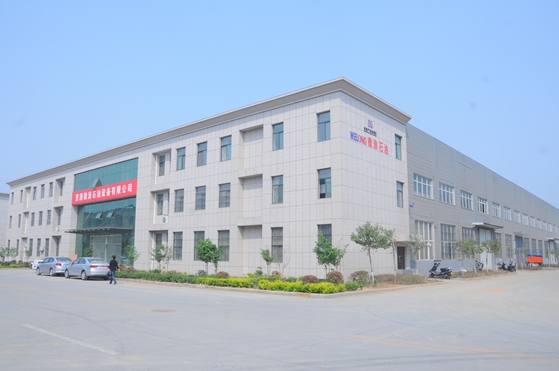
CHINA WELONG - 20+ years manufactuer in oilfield tools