When buying API 16C Kill & Choke Manifold Systems, the best way to do it is to understand the most important safety requirements and how to run the system efficiently. A Kill Manifold is your main defense against well control emergencies, so choosing the right one is very important for drilling operations. Smart procurement teams put working pressure ratings, material specifications, and API 16C standards compliance at the top of their list of priorities. Long-term operational success in tough oilfield environments depends on quality control, on-time deliveries, and full after-sales support.
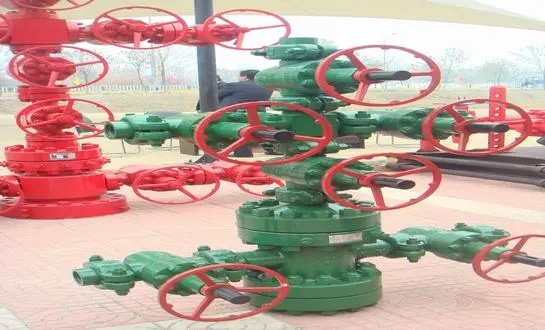
Why API 16C Kill & Choke Manifold Systems Are Important for Today's Drilling
Well control emergencies are very dangerous for drilling operations all over the world. Kill manifold systems are important safety barriers that keep people, equipment, and environmental resources safe. Check valves, gate valves, line pipes, and pressure gauges are all built into these complex assemblies. They work together as a single control system. When the pressure at the wellhead rises suddenly, operators use kill manifolds to pump heavy drilling fluid downhole. This keeps the pressure at the bottom of the hole stable.
Drilling companies today know that when equipment breaks down, it can lead to huge blowouts. Kill manifolds give you more than one way to help in an emergency. For managing the pressure in the bottom hole, blow down lines that are connected to manifold systems let the pressure go out directly. When well fires happen, water and chemicals that put out fires can be pumped in through manifold connections. Because of these features, kill manifolds are essential parts of complete well control plans.
Costs and safety records are directly affected by how reliable the equipment is. Purchasing managers judge manifold systems by how well they've worked in the past, the quality of the materials used, and the standards for manufacturing. The API 16C specifications make sure that equipment from different manufacturers can work together. Standardized connections and pressure ratings make it easier to connect to choke and blowout preventer stacks that are already in place.
Important Selection Criteria for Buying a Kill Manifold
When choosing kill manifold systems, the working pressure ratings are the most important thing to look at. Operating conditions range from shallow wells that need 2000 PSI systems to ultra-deep applications that need 20,000 PSI systems. Pressure ratings must be higher than the highest wellhead pressures that can be expected with enough room for error. Under-rated equipment creates liability risks that are much higher than the initial cost savings.
Flow rates and operational flexibility are affected by nominal bore sizes. Standard sizes range from 2.1/16" to 4.1/16", depending on the needs of the application. Larger bore sizes allow for higher flow rates during kill operations, but they also make the equipment heavier and cost more. When choosing the right bore size, drilling contractors weigh the need for flow against the limitations of transportation and installation.
In harsh environments, working temperature requirements become very important. Class LU equipment works reliably in temperatures ranging from -46°C to 121°C, which covers most drilling conditions around the world. For operations in the Arctic, you need special materials and sealing systems that can handle low temperatures. Geothermal applications that use high temperatures may go beyond normal temperature ranges, so they need special materials.
The material class number has a direct effect on how well it resists corrosion and how long it lasts. There are different levels of sulfide stress cracking resistance in the EE and FF material classes. Sour gas environments with hydrogen sulfide need FF material requirements. EE materials can be used in sweet gas applications because they are cheaper and still work well.
Looking at Different Kill Manifold System Setups
Standard kill manifold configurations work well with standard blowout preventer stacks. These systems have two sets of flow paths, each with its own valve controls. Primary and secondary kill lines provide backup power when valves need to be serviced or break down. During kill operations, pressure gauges keep an eye on system pressures, which allows for precise pressure management.
Modular manifold designs give you more options for using them in different situations. Different pressure ratings and bore sizes can be accommodated by valve blocks that can be switched out. Portable skid-mounted systems can be moved quickly from one drilling site to another. Modular designs are good for offshore drilling contractors who have to manage more than one rig because they are easier to move.
Integrated choke manifold systems have one unit that does both the kill and choke functions. These arrangements make it easier to connect pipes and reduce the size of the footprint that is needed. Offshore platforms that are limited in weight tend to have integrated designs that keep structural loading to a minimum. When related parts are close to each other, maintenance access is better.
Custom manifold configurations meet the specific needs of each operation. Wider temperature ranges allow for use in harsh environments. Certain types of materials are resistant to the corrosive fluids that are found in certain formations. For ultra-deep drilling applications, custom pressure ratings go above and beyond what is required by API.
Changes in the global market and regulatory issues to think about
Different countries' drilling markets have different rules and regulations for how they should be run. Third-party certification and API compliance are very important in North American markets. For dangerous environments, European operations often need extra CE marking and ATEX certifications. Middle Eastern markets may have specific local content requirements that affect where to get equipment.
Supply chain issues affect when equipment is available and when it will be delivered. The majority of the world's manufacturing capacity is located in well-established oilfield service regions. Costs of shipping and delivery times vary a lot from one supplier to the next. When emergency replacements are needed, it's best for suppliers to keep regional inventory stocks on hand.
Different manufacturing regions and suppliers have different quality assurance standards. Getting ISO 9001 certification sets basic standards for quality management. API monogram licenses show that certain equipment standards are being met. Third-party inspection services make sure that material and manufacturing quality certifications are correct.
Support options after the sale are very different between equipment suppliers. In an emergency, local service networks let people get help faster. Having access to technical support is very important during complicated well control operations. The availability of spare parts affects how much equipment is used and how much it costs to run.
Advice on What to Buy and Some Strategic Thoughts
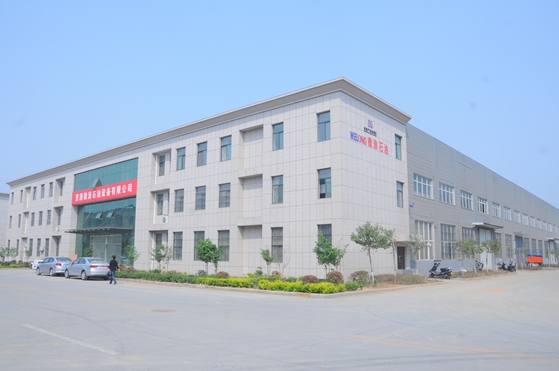
Comprehensive processes for evaluating vendors look at their technical skills, quality systems, and business terms. Ask for detailed technical specs, such as certifications for the materials and test records. Site visits or audits by a third party should be used to evaluate manufacturing facilities. Checking references with current customers gives you information about operational performance.
When you figure out the total cost of ownership, you have to add up the initial equipment costs, the costs of installation, and the ongoing maintenance needs. Lower initial prices may lead to higher lifecycle costs if the product breaks down too soon or needs too much maintenance. Quality equipment from well-known brands usually has better long-term value, even if it costs more at first.
Timelines for rig mobilization need to be carefully coordinated with delivery schedules. Equipment delays can lead to rig standby time that costs a lot of money. Set reasonable delivery dates and allow enough time in case something goes wrong. Keep an inventory of emergency equipment for parts that are on the critical path.
Protocols for inspection and testing make sure that equipment meets certain requirements before it is delivered. Performance is checked in a controlled environment during factory acceptance testing. Third-party inspection services make sure that rules are followed without bias. Write down the results of all tests and inspections to meet legal requirements and back up warranty claims.
Market Changes and Industry Trends
Smart sensor technology changes the way traditional mechanical manifold systems work by integrating them digitally. Predictive maintenance strategies are possible with real-time monitoring. Being able to operate something from a distance protects people during well control events. Over time, data analytics make equipment work better and be more reliable. As operators look for ways to improve safety and efficiency, these new technologies change the priorities of what they buy.
Conclusion
Successful kill manifold procurement requires balancing technical specifications, quality requirements, and commercial considerations. Working pressure ratings, material specifications, and API 16C compliance form the foundation of sound equipment selection. Comprehensive vendor evaluation processes examining manufacturing capabilities, quality systems, and after-sales support ensure long-term operational success. Total cost of ownership calculations provide better investment decisions than initial price comparisons alone. Strategic partnerships with established manufacturers like WELONG deliver reliable equipment backed by proven quality systems and comprehensive technical support.
Frequently Asked Questions
Q1: What working pressure rating should I specify for kill manifold systems?
A: Working pressure ratings must exceed maximum anticipated wellhead pressures with safety margins. Typical applications range from 2000 PSI for shallow wells to 20000 PSI for ultra-deep drilling. Consult with drilling engineers to determine appropriate pressure requirements based on well design and formation characteristics.
Q2: How do material class specifications affect equipment selection?
A: Material class EE provides standard corrosion resistance for sweet gas environments. Material class FF offers enhanced sulfide stress cracking resistance required for sour gas applications containing hydrogen sulfide. Select material specifications based on anticipated fluid compositions and environmental conditions.
Q3: What inspection requirements apply to kill manifold procurement?
A: API 16C requires factory testing including hydrostatic pressure testing and valve operational verification. Third-party inspection services provide independent compliance verification. Documentation requirements include material certifications, test results, and API monogram compliance certificates.
Partner with WELONG for Premium Kill Manifold Solutions
WELONG stands as your trusted kill manifold supplier, delivering two decades of manufacturing excellence in oilfield equipment. Our comprehensive quality control processes ensure every manifold system meets rigorous API 16C standards while exceeding operational expectations. Skilled production teams maintain precise delivery schedules that align with your project timelines, supporting critical drilling operations worldwide.
Our manufacturing capabilities span the complete range of kill manifold specifications from 2000 PSI to 20000 PSI working pressures. Multiple transportation options including sea, air, and rail freight accommodate diverse logistical requirements. Flexible commercial terms encompassing FOB, CIF, DDP, and DDU provide procurement flexibility that matches your operational preferences.
Quality assurance extends beyond standard in-process and final inspections through partnerships with SGS and DNV for third-party validation. ISO 9001:2015 and API 7-1 certifications demonstrate our commitment to quality management and industry standards. When your operations demand reliable well control equipment, contact us at oiltools15@welongpost.com for comprehensive manifold solutions that protect your investments.
References
- American Petroleum Institute. "API Specification 16C: Choke and Kill Equipment." 4th Edition, Washington, DC: API Publishing Services, 2019.
- Smith, Robert K., and Jennifer L. Martinez. "Well Control Equipment Design and Selection Criteria." Journal of Petroleum Technology, vol. 75, no. 8, 2023, pp. 45-52.
- International Association of Drilling Contractors. "Well Control Equipment Standards and Best Practices Manual." 2nd Edition, Houston: IADC Press, 2022.
- Thompson, Michael P. "Material Selection for Sour Gas Service in Kill and Choke Systems." SPE Drilling & Completion, vol. 38, no. 2, 2023, pp. 127-134.
- Wilson, Sarah J., et al. "Global Regulatory Compliance for Offshore Drilling Equipment." Offshore Technology Conference Proceedings, Houston, 2023, pp. 89-96.
- Chen, David L., and Patricia R. Anderson. "Total Cost of Ownership Analysis for Critical Well Control Equipment." World Oil Magazine, vol. 244, no. 5, 2023, pp. 67-73.