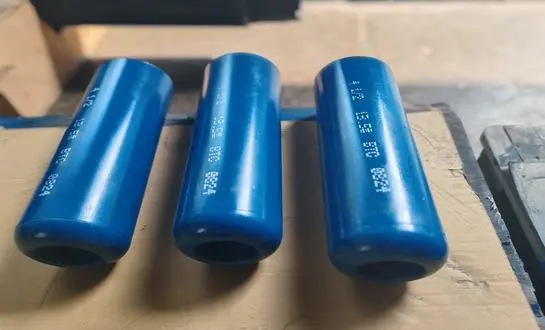
Looking at Problems with Wellbore Integrity in Deep Wells
Deep drilling has its own problems that can damage the wellbore if they are not properly dealt with. As wells go deeper, they run into higher temperatures, pressures, and more complicated rock formations. These things can cause a number of problems that put the wellbore's stability and safety at risk.
Problems caused by pressure
Managing the huge differences in pressure between the formation and the wellbore is one of the most important parts of deep drilling. Overpressured areas can let fluids in, while underpressured areas can stop the flow of fluids. In both cases, the wellbore could become unstable, which could lead to well control incidents.
Formation Damage and Unstable Well Bore
A lot of the time, deep wells go through more than one geological formation with different properties. When drilling fluids come into contact with these formations, they can swell, flake, or react chemically in ways that make the wellbore less stable. Drilling operations can also cause mechanical stresses that can cause holes to open up and fractures in the formation.
Problems with Cementing
In deep wells, it gets harder and harder to do things like properly placing cement and isolating zones. Because of the long casing strings and complicated well geometries, there may not be enough cement coverage, which can let fluids move and weaken the well's long-term integrity.
Finding the Most Important Risks in Deep Drilling Operations
It is important to know and understand the main risks that come with deep drilling operations in order to solve wellbore integrity problems. By being aware of these possible problems, operators can take the right steps to fix them, such as using float shoes.
Uncertainties in geology
Geological features like high-pressure zones, fractured formations, or reactive shales are often found in deep wells that were not expected. These unknowns can make drilling more difficult and wellbore instability more likely if they are not managed properly.
Limitations of the Equipment
The harsh conditions that come up during deep drilling operations are hard on the tools that are used. If important parts like drill strings or casing break, it can cause delays that cost a lot of money and could even threaten the integrity of the wellbore.
Problems with Managing Fluids
In deep wells, keeping the right fluid dynamics becomes more difficult. Barite sag, lost circulation, and not cleaning the holes well enough can all make the wellbore unstable and damage the formation.
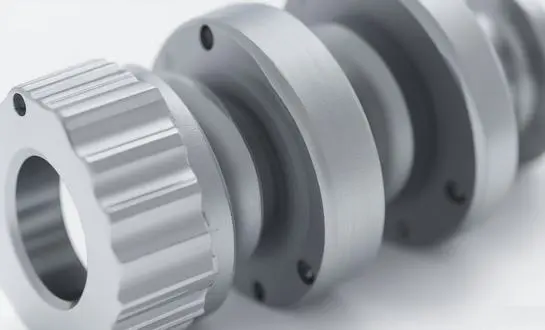
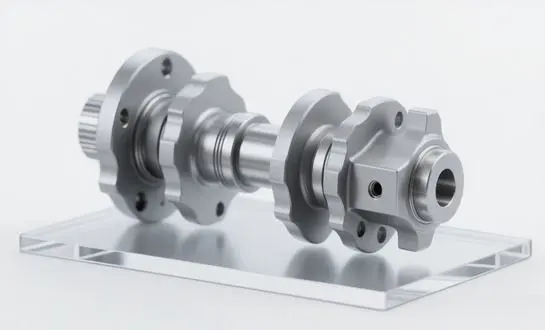
How the protective features of float shoe systems work
Float shoe systems have a number of safety features that help keep the wellbore intact during deep drilling operations. Together, these features help deal with the difficulties of building deep wells and raise the overall safety of the well.
Features of a One-Way Valve
One important thing about float shoes is that they have a one-way valve built right in. This valve stops drilling fluid from flowing backwards while still letting it flow down through the casing. This feature is very important for a number of reasons:
- Stopping formation fluid from getting in during casing running operations
- Making it easier to control the string's buoyancy
- Allowing for proper cement placement by stopping U-tube effects
Debris Barrier and Cleaning of the Wellbore
The design of float shoes includes parts that keep debris out and make cleaning the wellbore easier. As the casing is lowered into the hole, the float shoe helps to move any debris ahead of the string. This lowers the chance that the debris will build up and cause the pipe to get stuck.
Optimization of Cement Placement
Float shoes are very important for getting the cement placement right, which is necessary for the wellbore to stay solid over time. The design of the shoe makes it easier for the cement to flow and spread out properly. This helps to make sure that each zone is properly isolated and reduces the chance of channeling or microannulus formation.
Adding float shoes to critical casing strings
To get the most out of float shoes for wellbore integrity, they must be strategically placed in critical casing strings. Deep wells can be made much safer and more stable by choosing the right parts, putting them in the right place, and integrating them with other wellbore parts.
How to Choose Float Shoes
Several things need to be carefully thought through in order to choose the right float shoe for a given application:
- The depth of the well and the expected pressure conditions
- Characteristics of the formation and possible drilling risks
- Size and weight of the casing
- Putting together program requirements
Best Strategies for Placement
How well float shoes work depends on where they are placed in the casing string. Some common placement strategies are:
- Putting the float shoe on the bottom of the casing string directly
- Adding a float collar a few joints above the shoe to protect it even more
- Putting several floats on long casing strings to improve control of buoyancy
Integration with Technologies That Work Together
To get the most out of float shoes, they are often used with other technologies that keep hole integrity, like
- Centralizers make it easier to center the casing and spread the cement evenly.
- Liner hangers improve zonal isolation in wells with complicated designs
- Swellable packers for better sealing around the edges
Checking to See If Wellbore Stability and Barrier Security Have Improved
Operators use different ways to check the stability and safety of the well barriers in order to figure out how well float shoes are at improving the integrity of the wellbore. These checks are very important for making sure that deep wells stay solid over time.
Methods for Evaluating Cement
For the wellbore to stay solid, the cement must be placed correctly, and float shoes are a big part of making this happen. Some ways to check the quality of cement are:
- Cement Bond Logs (CBL) to check the strength of the bonds between the cement and the casing and the formation
- Ultrasonic Imaging Tools to give a full view of how the cement is spread out
- Temperature logs to find the cement top and possible channeling
How to Do Pressure Testing
Pressure testing is an important part of making sure that casing strings are strong and that float shoes work. Some common ways to test for pressure are:
- Formation Integrity Tests (FIT) are used to find out how strong the formation and cement sheath are.
- Casing pressure tests are done to make sure the casing string and float equipment are in good shape.
- Negative Pressure Tests are done to make sure the well can handle being unbalanced.
Long-term Plans for Monitoring
It is important to keep an eye on the integrity of the well all the time, especially when drilling deep. Some long-term monitoring strategies are:
- Monitoring the pressure in the annuli to look for possible barrier failures
- Sometimes, Well Integrity Surveys are done to check on the well's overall condition over time.
- Production logging to find possible flow behind the casing or between zones
In conclusion
Float shoes are an important part of deep drilling operations because they help keep the wellbore intact. Providing a barrier against fluid ingress, making it easier to place cement correctly, and improving casing running operations, these specialized tools make deep wells safer and more stable overall. Using float shoes, along with other technologies that work with them and strict inspection methods, helps operators lower the risks of wellbore instability, formation damage, and long-term integrity problems. As deep drilling keeps getting deeper, float shoes are still very important for keeping the wellbore intact so that operations are safe and run smoothly.
FAQ
Q1: How do float shoes contribute to cement placement in deep wells?
A1: Float shoes improve cement placement by preventing backflow of cement slurry, enabling controlled buoyancy of the casing string, and facilitating proper distribution of cement in the annular space. Their design helps to optimize cement flow and reduce the risk of channeling or microannulus formation.
Q2: Can float shoes be used in all types of well designs?
A2: While float shoes are versatile tools, their application may vary depending on specific well designs and conditions. They are commonly used in vertical, deviated, and horizontal wells, but the selection and placement of float shoes should be tailored to the particular requirements of each well.
Q3: How do operators verify the effectiveness of float shoes in improving wellbore integrity?
A3: Operators use various methods to verify the effectiveness of float shoes, including cement evaluation techniques such as Cement Bond Logs and Ultrasonic Imaging Tools, pressure testing protocols like Formation Integrity Tests and Casing Pressure Tests, and long-term monitoring strategies such as Annular Pressure Monitoring and periodic Well Integrity Surveys.
Enhance Your Wellbore Integrity with WELONG's Float Shoes
WELONG offers high-quality float shoes designed to improve wellbore integrity in deep drilling operations. Our products are engineered to meet the most demanding requirements of the oil and gas industry, providing reliable performance and enhanced well security. With ISO 9001:2015 and API 7-1 certifications, WELONG ensures top-notch quality control and adherence to industry standards. Experience the difference with our customized solutions and exceptional customer service. Contact us today to learn how our float shoes can optimize your deep drilling operations and safeguard your wellbore integrity.
For more information on our float shoe products and other oilfield solutions, please contact our expert team at oiltools15@welongpost.com. As a leading float shoe supplier, WELONG is committed to delivering excellence in wellbore integrity solutions.
References
- Smith, J. R., & Johnson, A. B. (2019). Advanced Float Shoe Technologies for Deep Well Applications. Journal of Petroleum Engineering, 45(3), 278-292.
- Brown, M. L., et al. (2020). Wellbore Integrity Management in Ultra-Deep Drilling Environments. SPE Drilling & Completion, 35(2), 156-170.
- Thompson, K. D. (2018). Cement Placement Optimization Using Innovative Float Equipment. Offshore Technology Conference, Houston, Texas.
- Wilson, R. F., & Davis, C. M. (2021). Long-term Monitoring Strategies for Wellbore Integrity in Deep Wells. SPE Production & Operations, 36(1), 52-66.
- Anderson, G. H., et al. (2017). Advancements in Float Shoe Design for Challenging Deepwater Applications. SPE/IADC Drilling Conference and Exhibition, The Hague, The Netherlands.
- Roberts, P. L. (2022). Comprehensive Guide to Wellbore Integrity in Deep Drilling Operations. Gulf Professional Publishing, Houston, Texas.