Best Ram Blowout Preventer for Oil and Gas Drilling
The selection of the Best ram blowout preventer for Oil and Gas Drilling is one of the most important choices for drilling safety and well control effectiveness. The ram blowout preventer must be a reliable, fast-acting, and robust seal under harsh circumstances to provide the major barrier against unanticipated formation pressure. This article will discuss what high-performance characteristics to look for, how to match ram types to your well needs, and why manufacturing quality from a recognised supplier like WELONG makes a direct impact on rig uptime and operational confidence.
What Features Should Buyers Look for in a High-Performance Ram Blowout Preventer?
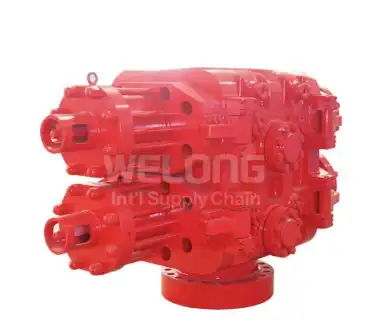
A high-performance ram blowout preventer is not judged by its weight or profile, but by its ability to seal reliably every time and allow quick maintenance on the rig floor.
Reliability and Quick Ram Change-Out as Core Design Priorities
BL ‘U’ type BOPs are designed and manufactured with dependability as the top priority, even before lightweight and smaller profile. A better ram blowout preventer is built so that the bonnets are opened and closed by hydraulic pressure thus fulfilll the simple & rapid ram change-out. This function decreases non-productive time during ram change-out and inspection. Buyers should look for a ram blowout preventer with a track record of field durability, ease of bonnet operation, and consistent sealing effectiveness after many cycles in harsh drilling settings.
Body Strength, Connection Types, and API 16A Compliance
Long-term safety has structural integrity as one factor. A quality ram blowout preventer body is similar in shape to a square with a vertical bore through which the pipes can be passed and ram cavities in which the rams move in the horizontal direction. Look for units with studded, flanged, and hubbed top and bottom connections, and where the diameters of flanges, bolts, clamps, and ring grooves are in accordance with API 16A. Doing so will guarantee that your ram blowout preventer will be compatible with the current BOP stack and wellhead equipment.
Sealing Integrity Across Different Ram Types
Sealing versatility is essential because drilling strings vary throughout the operation. The best ram blowout preventer provides options for pipe rams, shear rams, and variable rams to handle different well control scenarios. A high-performance ram blowout preventer should maintain a tight seal around drill pipe, seal an open hole when needed, and shear pipe in an emergency, all while maintaining pressure containment and minimizing wear on elastomer elements.
How to Select the Right Ram Blowout Preventer for Specific Drilling Requirements?
Selection should be driven by your well plan, BOP stack configuration, and anticipated pressure control challenges rather than by standard catalog size alone.
Matching Ram Type to Drilling String and Well Control Scenarios
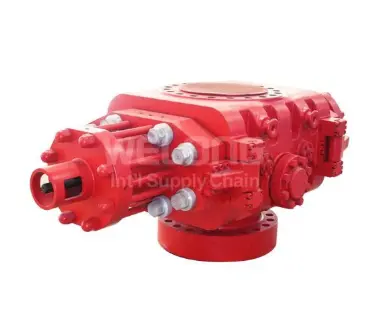
Different rams serve different purposes. For different sizes of drilling tools, a double-faced ram blowout preventer allows only the rubber seal semi-ring and ram briquetting to be replaced, while other parts can be used interchangeably, which saves inventory. A single-faced ram blowout preventer is not reversible and is dedicated to a specific pipe size. Understanding whether you need pipe sealing, shearing, or variable sealing will help you choose the right ram blowout preventer for your drilling program.
Single, Double, and Triple Ram Configurations
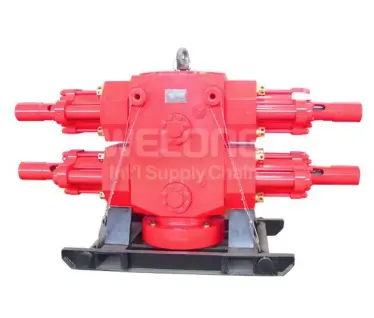
Rig space and well complexity dictate stack height. A single ram blowout preventer is compact for workover rigs, while a double or triple configuration offers redundancy and operational flexibility for deeper wells. A double ram blowout preventer can combine a pipe ram on top and a shear ram below, allowing you to handle normal drilling and emergency shearing without changing the stack. Choosing the correct configuration ensures your ram blowout preventer delivers both safety and efficiency.
Customization Options for Unique Rig Requirements
No two wells are identical. Founded in 2001, China Welong is a professional international integrated supply chain service provider concentrating on oilfield products and customized products, aiming to empower the world with the finest supply chain in China. We specialize in tailored ram blowout preventer solutions with customized services for pressure ratings, bore sizes, and connection types. A customized ram blowout preventer ensures optimal fit with your existing control system and drilling requirements.
Advanced Design Features That Enhance Ram Blowout Preventer Performance
Advanced design separates a standard BOP from a truly high-performance well control system that rig crews can trust.
Hydraulic Bonnet Operation for Faster Maintenance
Time on the rig floor is expensive. A modern ram blowout preventer uses hydraulic pressure to open and close bonnets, eliminating manual hammering and reducing crew exposure to hazardous areas. This hydraulic bonnet design on a ram blowout preventer enables quick ram change-out, faster inspection of sealing elements, and more reliable closing force compared to manual systems. Faster maintenance directly improves operational readiness of your ram blowout preventer.
Interchangeable Components and Double-Faced Ram Advantages
Inventory management and serviceability matter offshore and in remote locations. For double-faced ram designs, both faces of the ram are symmetrical, so for different sizes of drilling tools, only rthe ubber seal semi-ring and ram briquetting need to be replaced, and other parts can be used interchangeably. This design philosophy makes the ram blowout preventer more cost-effective to maintain and reduces spare parts stock while ensuring consistent sealing performance across pipe sizes.
Material Selection and Corrosion Resistance for Long Service Life
Long service life depends on metallurgy and manufacturing quality. A reliable ram blowout preventer is manufactured from high-strength alloy steel with strict heat treatment and hardfacing on critical sealing surfaces. To ensure durability in sour and high-pressure environments, materials are selected and tested according to recognized ASTM International standards for mechanical properties and corrosion resistance. This approach ensures your ram blowout preventer withstands abrasive mud, H2S exposure, and high cyclic loading without premature failure.
Ram Blowout Preventer Selection Based on Well Depth, Pressure, and Operating Conditions
Well depth, anticipated surface pressure, and operating environment must guide your final specification to avoid under-rated equipment.
Pressure Ratings and Deep Well Considerations
Deeper wells generate higher shut-in pressures, requiring higher pressure class BOPs. You must select a ram blowout preventer with a working pressure that exceeds maximum anticipated wellhead pressure, typically from 5,000 PSI to 15,000 PSI. A properly rated ram blowout preventer provides secure pressure containment and structural support for the BOP stack, maintaining well integrity even during well control events in deep and high-pressure formations.
Temperature, H2S, and Harsh Environment Adaptability
Harsh conditions degrade elastomers and steel quickly. For sour service or high-temperature wells, specify a ram blowout preventer with appropriate material class and temperature class elastomers that resist chemical attack and thermal aging. A ram blowout preventer built for harsh environments uses corrosion-resistant trim and special seal compounds to maintain sealing integrity where standard equipment would swell, crack, or lose elasticity.
Compatibility with BOP Stack and Wellhead System
The BOP stack works as a system. Your ram blowout preventer must be compatible with annular preventers, choke and kill manifolds, and wellhead connections in terms of bore size, flange type, and hydraulic control interfaces. Ensuring full compatibility allows your ram blowout preventer to function as one of the key elements of the well control system, providing coordinated operation during drilling, tripping, and well control procedures.
How Does a Quality Ram Blowout Preventer Support Efficient Oil and Gas Drilling?
Efficiency in drilling is not only about rate of penetration, but also about avoiding costly well control downtime and ensuring crew safety.
Minimizing Non-Productive Time Through Reliable Well Control
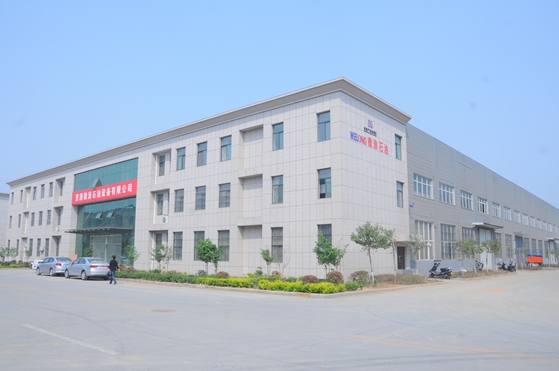
Every hour of BOP failure costs thousands. A quality ram blowout preventer with reliable hydraulic operation and durable seals minimizes non-productive time caused by leaks or ram change-out delays. CHINA WELONG has been a professional manufacturer in the oilfield for over 20 years, and we have our own strict quality control process to make sure our products are always of high quality so they can be reliable during usage. This reliability means your ram blowout preventer stays operational longer between services.
Enhancing Safety and Operational Confidence on the Rig Floor
Safety is the primary function of any BOP. A dependable ram blowout preventer gives the driller confidence to continue operations knowing that the shear ram can cut off wellhead drilling tools and fully seal the wellhead, while the variable ram is used within certain limits to seal different sizes of drilling tools and annular tubes. This versatile capability of a ram blowout preventer ensures rapid response to kicks and enhances overall rig floor safety culture.
Long-Term Cost Efficiency Through Durable Manufacturing
Initial price is less important than lifecycle cost. A durable ram blowout preventer reduces replacement frequency, spare parts consumption, and service interventions. WELONG provides comprehensive solutions, high-quality products, and reliable services with multiple transport options by sea, air, and railway, plus flexible terms like FOB, CIF, DDP, DDU. Our skilled production team ensures your ram blowout preventer is manufactured on time and arrives at your warehouse on time, with full inspection support from SGS and DNV.
Conclusion
Selecting the Best ram blowout preventer for Oil and Gas Drilling means focusing on reliability, API 16A compliant body design, quick hydraulic bonnet operation, versatile ram types, and certified manufacturing quality. By matching pressure rating and configuration to your well conditions and partnering with an experienced OEM like WELONG, you ensure safer, more efficient drilling with lower total cost of ownership.
FAQ
Q1: What is the difference between pipe ram, shear ram, and variable ram in a ram blowout preventer?
A pipe ram blowout preventer seals around a specific pipe size; a shear ram blowout preventer can cut off drill pipe and fully seal the wellbore in an emergency; and a variable ram blowout preventer can seal a range of pipe sizes within certain limits, providing flexibility when drilling string size changes.
Q2: Why is API 16A compliance important for ram blowout preventer?
API 16A compliance guarantees that the ram blowout preventer meets industry standards for dimensions, pressure testing, material requirements, and connection types, ensuring interchangeability, safety, and reliable pressure containment across your BOP stack and wellhead system.
Q3: Can WELONG provide a customized ram blowout preventer with third-party inspection?
Yes. WELONG specializes in customized ram blowout preventer solutions with various connections and pressure classes. Our normal inspection includes in-process and final inspections, and we can arrange third-party inspection with SGS or DNV, providing a comprehensive inspection plan for every ram blowout preventer.
Get Your Certified Ram Blowout Preventer Solution From WELONG Today
Ready to upgrade your well control system with a reliable, API-compliant ram blowout preventer designed for quick maintenance and long service life? WELONG offers ISO 9001:2015 & API 7-1 certified manufacturing, custom configurations, strict quality control, and global logistics support. Contact our oilfield experts today at [email protected] for a tailored quotation, technical consultation, and fast delivery to keep your drilling operations safe and efficient.
References
1. Goins, W. C., & Sheffield, R. Blowout Prevention: Theory and Practice. Gulf Publishing Company, 1983.
2. Grace, R. D. Blowout and Well Control Handbook. Gulf Professional Publishing, 2003.
3. American Petroleum Institute. API Standard 16A: Specification for Drill-through Equipment. 4th Edition, 2017.
4. Watson, D., Brittenham, T., & Moore, P. L. Advanced Well Control. Society of Petroleum Engineers, 2003.
5. Holand, P. Reliability of Subsea BOP Systems. SINTEF Report, Offshore Reliability Data, 1999.
6. Bourgoyne, A. T., Millheim, K. K., Chenevert, M. E., & Young, F. S. Applied Drilling Engineering. Society of Petroleum Engineers, 1991.
Share your inquiry, get the quotation accordingly!
CHINA WELONG - 20+ years manufactuer in oilfield tools