Casing Slip vs Power Slip: Key Differences
It is very important to know the difference between casing slip and power slip methods when choosing drilling tools. Power slip systems use hydraulic or gas machinery to better control torque, while casing slip assemblies grip tube parts by hand and use slip bowl mechanisms. There are main changes in how they are used, how much weight they can hold, and what kinds of things they can be used for in wellbore building methods.
Understanding Casing Slip Fundamentals
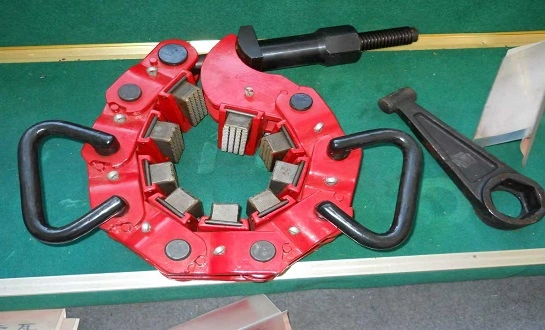
Mechanical grabbing devices are used in casing slip systems, which are an old way of handling pipes. These groups are made up of slip jaws, cone structures, and bowl parts that work together to keep tubulars in place while drilling. The working principle uses wedge-shaped slip elements that press against the pipe sides when pressure is applied from below. This mechanical motion causes enough friction to hold heavy loads while the case is moving. Modern cap slip designs can fit pipes with an outer diameter of 6 inches to 30 inches (168.3 to 762 mm). Because they are so flexible, they can be used for a wide range of digging tasks at varying well levels and rock types.
Three main benefits of slip systems for casings:
1. Simple mechanical systems don't need much upkeep
2. A cost-effective way to do normal drilling work
3. Performance that you can count on in tough downhole situations
For standard drilling jobs that need reliable pipe handling, casing slip systems have been shown to be reliable and work well.
Power Slip Technology Overview
To handle pipe-gripping tasks, power slip devices use either hydraulic or gas motion. These advanced systems give you exact control over the holding forces and get rid of the need to handle tubes by hand during movement. The technology uses servo-controlled systems that change the holding strength based on the pipe's size and how it is used. This computerized method cuts down on the chance of mistakes made by people while also making operations more consistent. With better torque control, power slip systems can usually handle sizes from 4½ to 9≞ inches. The hydraulic system always works well, even when the load or operating situation changes.
Power slip benefits are shown by key efficiency metrics:
1. Accuracy of the gripping force: ±2% difference from the goal pressure
2. Compared to human processes, cycle time is cut by 40 to 60%
3. Max. load: 2,000,000 pounds, based on setup
Power slip technology offers better working efficiency and safety margins when you need to automate pipe handling with precise control parameters.
Operational Mechanism Comparison
What makes these systems different is how they are activated and how they are controlled. To properly contact pipe surfaces, casing slip systems depend on gravity and being placed by hand. As part of the manual process, team members place slip elements around the tube and press down on the slip bowl assembly. Skilled workers who know the right way to act and follow safety rules are needed for this process. Automated placement and contact steps in power slip systems get rid of the need for human work. The hydraulic system reacts to inputs from the controller and keeps the pressing pressure constant throughout the process.
Sequence Comparison for Operations
Process of Manual Casing Slip:
1. Put slip parts around the pipe
2. Slide the slip part into the bowl
3. Use downward pressure to get people involved
4. Check how well the gripping is working clearly
5. As needed, change the position
Automation with Power Slips:
1. Put information about the pipes into the computer system
2. Automated placement of grip parts
3. Application of hydraulic pressure based on factors
4. Always keeping an eye on things with sensors
5. Automatic tweaking for peak performance
If you need easy-to-use methods that have been shown to work, casing slip solutions will do the job. In contrast, power slip technology is better at automating tasks that need precise control while requiring less work.
Load Capacity and Performance Analysis
When it comes to handling loads, case slip and power slip designs are very different. The load rates of traditional case slip systems are very high thanks to mechanical advantage principles and strong building materials. Data from field tests shows that casing slip systems can handle loads of more than 1.5 million pounds when they are set up correctly for the pipe's size. Because the mechanical holding action spreads forces across many touch points, stress is spread out more evenly. Power slip systems have similar load rates and better control over how power is distributed. The hydraulic system lets you precisely change the gripping pressure to meet practical needs without going over the pipe stress limits.
Comparative information on load performance:
1. Limit of the casing slip load: 1,800,000 lbs. (8 times the safety factor)
2. Power slip can hold up to 2,000,000 pounds (10 times the safety factor)
3. 85–90% of the expected best for casing slip grip efficiency
4. 92–96% of the possible highest power slip grip efficiency
Safety is still a very important issue for both methods. Casing slip units usually have safety limits of 6 to 8 times, while power slip systems keep 8 to 10 times safety through automatic tracking. If you need the most load capacity and the most reliable performance, heavy-duty case slip designs are the way to go. Instead, power slip systems are better if you need to improve load spread while also increasing safety gaps.
Application Scenarios and Selection Criteria
The drilling depth and the properties of the rock have a big impact on which tools to use between casing slip and power slip systems. For shallow to medium-depth wells, covering slip is often the easiest and least expensive way to go. Power slip accuracy is often needed for deep drilling operations to handle complicated tube lines and tough conditions downhole. Even when working factors change, the automatic control helps keep performance stable. When choosing tools, the stability of the formation is important because quickly moving pipes through unsteady formations is best done with power slip automation. When rocks are stable, they let workers slip the covering by hand without affecting the stability of the well.
Application matrix for equipment selection:
| Depth Range | Formation Type | Recommended System | Primary Advantage |
|---|---|---|---|
| <5,000 ft | Stable | Casing Slip | Cost efficiency |
| 5,000-15,000 ft | Mixed | Either system | Operational flexibility |
| >15,000 ft | Complex | Power Slip | Precision control |
| Horizontal | Challenging | Power Slip | Automated handling |
Economic considerations play vital roles in equipment selection decisions. Casing slip systems offer lower initial investment costs and simplified maintenance requirements that appeal to cost-conscious operations. The tube slip systems are a great deal if you need cheap options for common, boring tasks. However, if you need advanced features for complicated wells, then power slip technology is worth the extra money because it makes operations more efficient.
WELONG Casing Slip Advantages
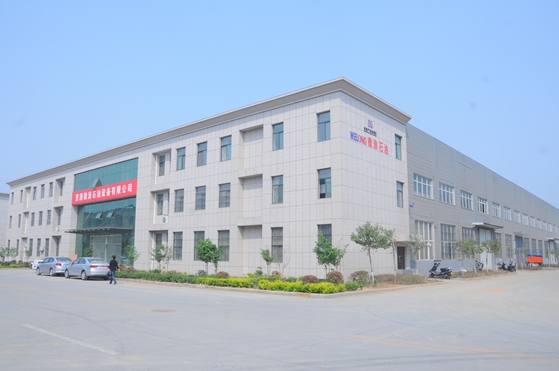
Through designed solutions and proven production quality, WELONG's full line of casing slip products meets a wide range of drilling needs. Our more than 20 years of experience in the ground means that the equipment we sell is safe and meets strict operating standards.
The Best Things about Manufacturing
1. Certification for Quality: Manufacturing methods that are ISO 9001-2015 and API 7-1 approved ensure stable product quality
2. Choice of Materials: High-grade steel metals last longer and are more durable
3. Precision Machining: Accurate measurements are guaranteed by cutting-edge CNC tools to within 0.001"
4. Heat treatment: Specialized methods improve strength and wear resistance to make things last longer
5. Surface Finishing: Unique covering technologies make things more resistant to rust and lower the need for upkeep
Range of Products that can be Made
1. Rotary Slip Systems: 2⅜" to 5½" diameter range with SDS, SDML, and SDXL configurations
2. Casing Slip Assemblies: 6⅝" to 30" diameter coverage for comprehensive well construction support
3. Pneumatic Slip Options: 4½" to 9⅞" range with automated actuation capabilities
4. Safety Clamp Systems: Specialized handling equipment for flush joint pipe and drill collar operations
5. Custom Configurations: Engineered solutions for unique operational requirements and specifications
Quality Control Advantages
1. In-Process Inspection: Continuous monitoring throughout manufacturing ensures consistent quality standards
2. Final Inspection: Comprehensive testing validates performance specifications before shipment
3. Third-Party Verification: SGS and DNV inspection partnerships provide independent quality confirmation
4. Traceability Systems: Complete documentation tracks materials and processes for quality assurance
5. Performance Testing: Load testing and stress analysis verify design specifications and safety margins
Supply Chain Excellence
1. Timely Delivery: Efficient production scheduling ensures on-time delivery to customer warehouses
2. Multiple Transport Options: Sea, air, and railway shipping flexibility accommodates urgent requirements
3. Flexible Terms: FOB, CIF, DDP, and DDU options provide procurement convenience
4. Global Reach: International shipping capabilities serve customers worldwide
5. Inventory Management: Strategic stock levels ensure rapid response to customer demands
Cost-Effectiveness and ROI Considerations
A study of the total cost of ownership shows that investments in housing and power are very different in important ways. Long-term operating costs include more than just the cost of buying the tools.
Most of the time, casing slip systems need 60–70% less money to get started than similar power slip setups. This lower cost makes them appealing to drilling companies on a budget and smaller contractor teams.
Maintenance costs are lower for casing slip systems because they have easier mechanical designs and fewer parts that need to be serviced regularly. Compared to power slip systems, which cost 4-6% of the initial cost, annual upkeep usually costs 2% to 3% of the starting cost.
Five-Year Cost Comparison Analysis
1. Initial equipment investment: Casing slip 30-40% lower
2. Annual maintenance costs: Casing slip 50% lower
3. Operational efficiency gains: Power slip 20-30% higher
4. Labor cost reduction: Power slip 40-50% savings
5. Total cost of ownership: Variable based on utilization rates
Productivity improvements through power slip automation can offset higher initial costs in high-utilization scenarios. Operations running multiple shifts often achieve payback periods within 18-24 months through efficiency gains. When it comes to moderate-use uses that need the best return on investment, covering slip systems are the best choice. If, on the other hand, you run drilling programs with a lot of holes, power slip automation will help you get more done.
Conclusion
Which method to use—casing slip or power slip—depends on the needs of the operation, the available funds, and the expected performance. For normal, boring tasks, casing slip systems have been shown to be reliable and cost-effective. Power slip systems automate complicated tasks and keep them under tight control. Both methods are important for current drilling, and the choice between them depends on the needs of the project and the cost. No matter what kind of tools you like, WELONG's wide range of products and high-quality production will help you find the best options.
Partner with WELONG for Premium Casing Slip Solutions
WELONG can help you with your drilling projects by providing the best casing slip systems and the most complete technical knowledge. Our skilled engineers work with customers to find the best ways to set up their equipment so that it works as efficiently as possible while keeping costs low. As a reputable provider of casing slips with excellent production skills and a global supply chain, we offer dependable options that meet the strict needs of the oilfield. Our technical experts can be reached at oiltools15@welongpost.com to talk about your specific pipe handling needs and find out how our advanced casing slip technology can help your drilling.
References
1. American Petroleum Institute. "Specification for Rotary Drill Stem Elements." API Specification 7-1, 2018.
2. Bourgoyne, A.T., Millheim, K.K., Chenevert, M.E., and Young, F.S. "Applied Drilling Engineering." Society of Petroleum Engineers Textbook Series, 2017.
3. Mitchell, R.F. and Miska, S.Z. "Fundamentals of Drilling Engineering." Society of Petroleum Engineers, 2019.
4. International Association of Drilling Contractors. "Health, Safety and Environmental Guidelines for Land Based Drilling Operations." IADC, 2020.
5. Rahman, K. and Smith, J.P. "Comparative Analysis of Manual and Automated Pipe Handling Systems in Modern Drilling Operations." Journal of Petroleum Technology, Vol. 75, No. 8, 2023.
6. Wilson, D.R., Thompson, M.A., and Lee, C.H. "Load Distribution and Safety Factors in Slip-Type Pipe Handling Equipment." SPE Drilling & Completion Engineering, Vol. 38, No. 12, 2022.

Share your inquiry, get the quotation accordingly!
CHINA WELONG - 20+ years manufactuer in oilfield tools