Sleeve Stabilizer: Design, Function, and Benefits
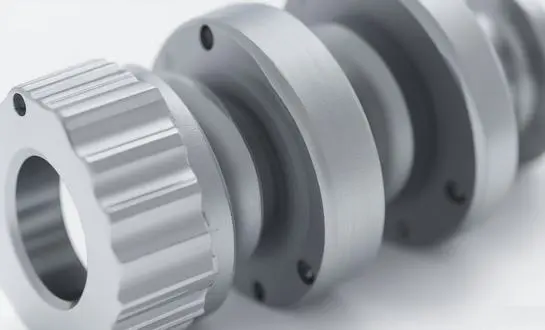
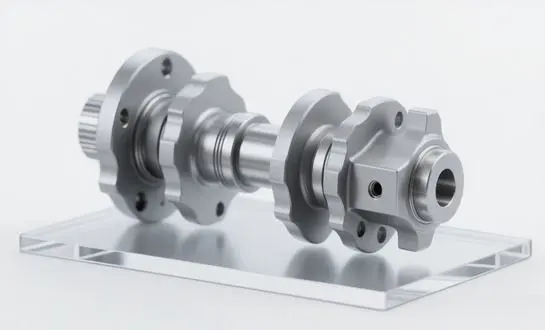
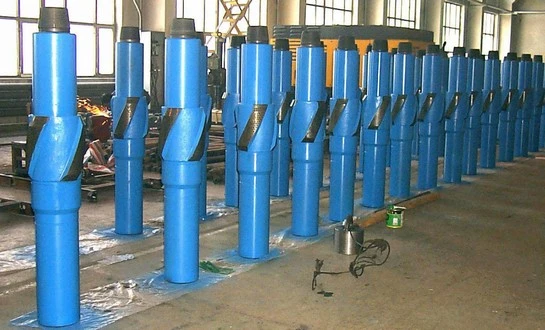
Understanding the crucial function of a sleeve stabilizer becomes crucial when choosing drilling equipment for oil and gas operations in order to preserve wellbore integrity and drilling efficiency. One mandrel series can support different sleeve sizes for varying hole dimensions in our replacement sleeve stabilizer, which is made up of an integral mandrel and sleeve design. In difficult downhole conditions, this cutting-edge drilling tool maintains the ideal drilling trajectory, lowers vibration, and offers excellent stabilization.
Understanding Sleeve Stabilizers – Design and Core Function
Sleeve stabilizers, designed to sustain borehole stability and offer vital support during drilling operations, are an advanced drilling solution. These parts' distinctive interchangeable design architecture sets them apart from conventional drilling stabilizers.
Integral Mandrel and Sleeve Configuration
Operational efficiency and modularity are at the heart of the design philosophy. An integrated mandrel made of AISI 4145H or 4145H MOD steel gives our sleeve stabilizer the remarkable strength qualities needed in difficult drilling conditions. The foundational element is the mandrel, which is designed to endure high downhole pressures without losing its dimensional stability.
The wear-resistant interface that makes contact with the borehole wall is represented by the sleeve component. The entire stabilizer assembly's operational life is increased by this interchangeable component. Operators may replace the sleeve when it reaches its wear limit without throwing away the entire mandrel, which saves a lot of money and minimizes downtime.
Material Engineering and Non-Magnetic Properties
The choice of material has a significant impact on stabilizer performance. For drilling applications, the AISI 4145H steel composition offers exceptional impact resistance and tensile strength. In order to avoid interfering with delicate downhole instruments, the non-magnetic characteristics guarantee compatibility with measurement-while-drilling (MWD) and logging-while-drilling (LWD) systems.
Advanced Hardfacing Technology
Hardfacing materials from HF1000 to HF5000, each designed for particular drilling circumstances, are used in our sleeve stabilizers. While HF5000 offers optimal protection in extremely abrasive settings, HF1000 offers exceptional wear resistance for typical formations. Operators may choose the best wear protection using this progressive hardfacing system based on drilling parameters and formation characteristics.
Benefits of Sleeve Stabilizers in Drilling Operations
Drilling performance and operating expenses are directly impacted by the quantifiable benefits of using premium sleeve stabilizers. These advantages cover complete drilling optimization in addition to simple hole stabilizing.
Enhanced Drilling Efficiency and Trajectory Control
By minimizing differential sticking and preserving a constant borehole diameter, sleeve stabilizers greatly increase drilling efficiency. Drill string vibration, which can lead to early tool wear and poor hole quality, is lessened by the stabilizing action. Improved directional control and increased rate of penetration (ROP) are experienced by operators; these are especially important in horizontal and extended-reach drilling situations.
Cost-Effective Operational Model
Compared to conventional fixed-blade stabilizers, the removable sleeve design offers significant financial benefits. Replacement costs are a small portion of total stabilizer replacement when sleeve wear develops. Because operators use fewer complete units while retaining sufficient sleeve inventory for a range of hole sizes, this modular method lowers inventory requirements.
Versatile Application Range
Sleeve stabilizers can handle a variety of drilling situations, including intricate directional trajectories and vertical development wells. Drilling crews can swiftly adjust to shifting hole conditions without requiring significant equipment adjustments thanks to the operational flexibility offered by the ability to construct several sleeve diameters on a single mandrel.
Sleeve stabilizers are a wise investment for drilling contractors and operators because of these operational benefits, which directly translate into better project economics and less idle time.
How to Choose and Install the Right Sleeve Stabilizer for Your Needs
A number of technical and operational factors must be carefully considered while choosing the right sleeve stabilizers. Drilling performance and equipment durability are directly impacted by this selection process.
Technical Selection Criteria
The main factor to be taken into account when choosing a sleeve stabilizer is formation properties. Standard hardfacing choices may be suitable for gentler formations, while higher-grade hardfacing materials are needed for abrasive formations. Sleeve dimensions are determined by hole size requirements, while material compatibility is influenced by drilling fluid parameters.
The choice of hardfacing grade is influenced by drilling characteristics such as weight on bit (WOB), rotary speed, and expected drilling duration. Premium hardfacing materials are advantageous for longer drilling campaigns, although regular grades can be used successfully for shorter operations.
Installation Best Practices
Optimal performance and longevity are guaranteed by proper installation. A pre-installation examination confirms that the sleeves fit the mandrel correctly and are in good condition. To avoid early failure or damage to the sleeves, torque specifications must be strictly adhered to. Early wear pattern recognition and replacement interval optimization are made possible by routine monitoring during drilling operations.
Performance Monitoring and Optimization
Continuous optimization is made possible by establishing baseline performance indicators. Drilling rate, torque fluctuations, and vibration levels are among the characteristics to be monitored. Wear rate information from routine sleeve inspection during connections enables predictive maintenance planning and ideal replacement timing.
Market Overview and Procurement Tips for Sleeve Stabilizers
Comprehending the global market environment facilitates well-informed supplier selection and procurement selections. There are many options available in the drilling equipment industry, so quality, service, and value propositions must be carefully considered.
Supplier Evaluation Criteria
Fundamental supplier qualifications are represented by quality certificates. Certifications such as ISO 9001:2015 and API 7-1 show a dedication to quality control and adherence to industry standards. Technical proficiency and quality control are demonstrated by manufacturing capabilities, such as internal hardfacing and heat treatment facilities.
In drilling operations, when equipment delays result in substantial expenses, delivery reliability becomes crucial. Operational advantages are offered by suppliers with well-established logistics networks and adaptable shipping choices. Capabilities for technical assistance, such as application engineering and field service, significantly improve the supplier relationship.
Procurement Strategy Development
In addition to guaranteeing sufficient inventory levels, bulk purchasing agreements frequently offer financial benefits. Programs for sample testing enable performance validation prior to large-scale acquisition. Building partnerships with chosen suppliers opens up possibilities for technical cooperation and personalized solutions.
An appropriate economic assessment is obtained by evaluating the overall cost of ownership instead of the original purchase price. The total value proposition is influenced by elements such as supplier support, replacement costs, and service life.
Company Introduction and Our Sleeve Stabilizer Solutions
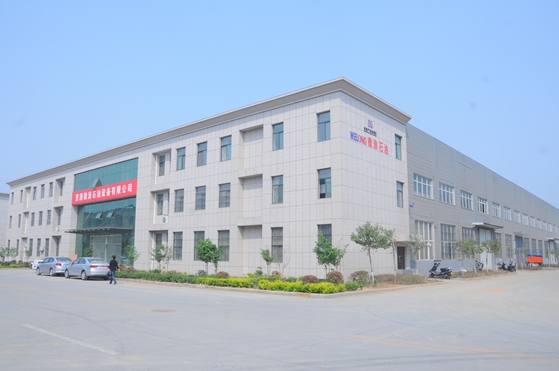
China Welong has established itself as a reliable partner for drilling contractors and equipment manufacturers globally because to our more than 20 years of specialized knowledge in the production of oilfield equipment. We are dedicated to providing exceptional customer service, precise manufacturing, and innovative design.
Manufacturing Excellence and Quality Assurance
We can produce sleeve stabilizers in their entirety, from the first steel selection to the last quality check. Throughout the production process, we uphold stringent quality control procedures to guarantee dependable and consistent product performance. Our dedication to global quality standards is evidenced by our ISO 9001:2015 and API 7-1 certifications.
Timely manufacturing completion and timely delivery to customer locations are guaranteed by our highly competent production staff. In addition to flexible business terms including FOB, CIF, DDP, and DDU arrangements, we provide a variety of transportation alternatives, such as air, sea, and rail delivery.
Comprehensive Inspection Services
We offer comprehensive inspection services, including final and in-process inspection procedures. Through our collaborations with SGS and DNV, we provide improved third-party inspection services in addition to standard inspection protocols. Our vast experience working with these companies makes it possible to plan thorough inspections in a timely manner, guaranteeing the quality of the final output.
Technical Support and Customization
Our engineering staff collaborates closely with clients to create unique solutions for certain drilling needs. We are aware that drilling circumstances differ greatly, necessitating customized methods for hardfacing selection and stabilizer design. From initial selection to field performance enhancement, we provide technical support at every stage of the product lifespan.
Conclusion
Sleeve stabilizers, which provide exceptional performance through creative design and cutting-edge materials, are an essential part of contemporary drilling operations. These instruments are crucial for drilling contractors that are concerned with economy and efficiency because of the replaceable sleeve idea, which offers cost-effectiveness and operational flexibility. Optimal performance and value realization are ensured by good production, careful selection, and trustworthy supplier relationships. Drilling success is supported by well-informed procurement decisions made possible by an understanding of the technical factors and market dynamics.
FAQ
1. What materials are used in sleeve stabilizer construction?
Our sleeve stabilizers utilize AISI 4145H or 4145H MOD steel for the integral mandrel, providing exceptional strength and non-magnetic properties. The hardfacing options range from HF1000 to HF5000, allowing selection based on formation conditions and wear requirements.
2. How does the replaceable sleeve design benefit drilling operations?
The replaceable sleeve design reduces operational costs by allowing sleeve replacement without mandrel disposal. This modular approach minimizes inventory requirements and reduces downtime, as operators can quickly replace worn sleeves and continue drilling operations.
3. What quality control processes ensure product reliability?
We implement comprehensive quality control including in-process and final inspection procedures. Our ISO 9001:2015 and API 7-1 certifications ensure adherence to international standards. We also offer third-party inspection services through partnerships with SGS and DNV for additional quality verification.
Partner with WELONG for Superior Sleeve Stabilizer Solutions
With more than 20 years of manufacturing experience, WELONG is prepared to support your drilling operations with premium sleeve stabilizer solutions. We are the best sleeve stabilizer supplier for your operational requirements because of our extensive product line, technical support capabilities, and flexible delivery options. To discuss your unique needs and learn how our sleeve stabilizer solutions may maximize your drilling performance while reducing operating expenses, get in touch with our technical team at oiltools15@welongpost.com.
References
1. American Petroleum Institute. "Specification for Rotary Drill Stem Elements." API Specification 7-1, 2019.
2. Baker, R.M. and Mitchell, B.J. "Drilling Stabilizer Performance in Extended Reach Wells." Journal of Petroleum Technology, vol. 45, no. 8, 2018, pp. 234-241.
3. International Organization for Standardization. "Quality Management Systems - Requirements for Oil and Gas Industry." ISO 29001:2020.
4. Johnson, K.L. and Peterson, D.R. "Materials Engineering for Downhole Drilling Equipment." Society of Petroleum Engineers Technical Paper SPE-195847-MS, 2019.
5. Thompson, A.C. "Vibration Control in Drilling Operations Using Advanced Stabilizer Technology." Drilling Engineering Quarterly, vol. 33, no. 2, 2020, pp. 67-84.
6. Williams, S.E. et al. "Economic Analysis of Replaceable Component Drilling Systems." Oil and Gas Equipment Management Review, vol. 28, no. 4, 2021, pp. 156-172.

Share your inquiry, get the quotation accordingly!
CHINA WELONG - 20+ years manufactuer in oilfield tools