In the oil and gas business, cementing tools are very important because they make sure that wellbores stay strong and don't break. The cement head, plug, and float shoe are just a few of the important parts that work together to make a strong barrier between the wellbore and the rocks around it. Cementing tools are made to help with the exact placement of cement slurry, keep the fluid clean, and improve total well stability. By learning about the details of these tools and how they work together, professionals in drilling can make their grouting processes more efficient. This can help the well perform better and lower risks to the environment. This all-inclusive guide goes into the details of bonding tools, talking about how they are used, how they work, and the newest changes in the field.

Using combined cementing tools becomes very important in different drilling situations, each of which has its own problems that need exact cement placement and zonal separation. In offshore drilling, which often takes place in high-pressure settings with unstable rocks, bonding tools are very important for keeping the wellbore in good shape. These tools are just as important for deep-water wells, where strong cement walls are needed to keep fluids from moving and the well stays stable over time in the face of high temperatures and pressure.
Advanced filling tools are also very important for horizontal and directional drilling projects. Because the wells in these activities have complicated shapes, special tools are needed to make sure that the cement spreads out evenly all the way through the wellbore. Enhanced oil recovery (EOR) projects need to keep zonal separation so that fluid injection works. This is why bonding tools are needed to make sure that different layers don't mix.
HTHP Wells: Wells that are High-Temperature, High-Pressure
Some of the hardest places for sealing activities are in HTHP wells. In these situations, bonding tools have to be able to handle very high and low temperatures and very high pressures while still doing their main job. For example, the cement head needs to be made with materials that can handle temperature growth and keep the seal intact under high pressure. In the same way, float shoes and plugs used in HTHP wells need to be made of certain metals and elastomers so they can keep working in the tough conditions downhole.
Cementing operations that fix issues
Remedial cementing is often needed to fix problems with the main cement job or the stability of the well. It also requires the use of advanced cementing tools. In these processes, more modern tools like flexible packers and through-tubing cementing equipment are used with traditional cementing tools to get the cement exactly where it needs to go and make sure that zonal isolation is effective. The success of these corrective actions depends on being able to correctly place the cement in certain spots of the wellbore. This shows how important precision-engineered grouting tools are.
Core Parts: What the Cement Head, Plugs, and Float Shoe Are
The core components of a grouting system work together to make sure that the cement is placed correctly and the wellbore stays intact. Each part of the bonding process has a different job, and they all work together to make the operation a success. Let's take a closer look at these very important binding tools:
Cement Head
At the top of the core string is the cement head. It is the main point of contact between the surface tools and the downhole filling parts. As a very important tool, it makes it easier for cement slurry to enter the wellbore and for grouting plugs to be put into place. Today's cement heads have many valves and holes that make it possible to control fluid flow and remove plugs very carefully. Some more complicated designs use swivel joints, which let the frame turn while sealing is going on to help the cement spread out better.
Cement Plugs
Cementing holes are very important for making sure that fluids don't mix and that the cement is placed correctly. People usually use two main kinds of plugs:
- Bottom Plug: The bottom plug is let out before the cement mix. It cleans the inside of the barrel and stops drilling fluids from getting into the cement.
- Top Plug: This is put in after the cement mix. It makes a barrier between the cement and the displacement fluid, which makes sure that the cement is completely displaced.
These plugs have wiper fins that keep the fluid separated by scraping the case wall. The plugs are made of materials that can handle the conditions downhole without making them impossible to drill for later operations.
Shoe to Float
The float shoe, which is placed at the bottom of the case string, is important for many reasons:
- Leading the shell down to the bottom of the hole
- Stopping the cement from flowing back into the shell
- Allowing the flow of fluids while running the tube and filling
Float shoes usually have a check valve that lets fluid flow out of the case but stops it from flowing back in. This trait is very important for keeping the hydraulic pressure on the formation and making sure the cement stays where it is while it sets. Some float shoes come with special tubes or sprays that help spread the cement more evenly around the case.
The way that different cementing tools work together is important for getting good zonal separation in oil and gas wells. Careful planning of the wellbore and then the smart placement of sealing components start this process. When the cement head starts the job, it lets the bottom plug go. The plug moves down the tube and splits the cement mix from the wellbore fluids. The top plug pushes the cement mix behind it, which makes sure that the cement completely fills the circular space.
In this process, the float shoe is very important because it stops overflow while letting the cement leave the frame and filling the gap. The hydraulic pressure needed to place the cement correctly is kept up by the check valve in the float shoe. When the plugs reach their resting places, they make a cover that protects the cement column and lets it set. As a result of this combined action of solidifying tools, a continuous cement sheath is formed that divides the wellbore into different zones, stops fluid movement, and improves the general stability of the well.
Using Cement Bond Logs to Make Sure the System is Working Well
Cement bond logs (CBLs) are very useful for figuring out how well bonding processes work and how good the quality is. These logs give very important information about the link between the cement, the wall, and the rock. This helps to show how well zonal separation attempts worked. The CBL process uses acoustic logging tools that are lowered into the wellbore to record how sound waves lose energy as they go through the casing, cement, and rock.
There are many things that can affect the outcome, so interpreting CBL data needs to be done by someone who knows what they are doing. A lot of sound passing through the cement sheath means that it is likely well bonded. On the other hand, low acoustic absorption values mean that the cement is not well bonded or that there are holes in the cement sheath. Engineers can find exact trouble spots, like microannuli or areas where the cement covering is incomplete, when advanced CBL tools show them close-up pictures of the cement sheath.
How to Use This Test with Other Tests
CBLs are very useful for figuring out what is wrong with something, but they are often used with other tests to get a full picture of how good the bonding is. For example, temperature logs can identify the heat of hydrating cement, which gives us more information about how and when the cement was placed and set. Pressure testing the casing string can show you where there might be leaks or other problems with the cement job. Using all of these different testing methods together gives workers a full picture of how well the sealing job worked. This helps them make smart choices about what kind of help should be done.
Because the industry wants to be more efficient, reliable, and environmentally friendly, the world of bonding tools is always changing. New technologies are making well sealing very different from how it used to be, creating new ways to make it work better and keep the well more intact. Some of the most exciting new ideas are:
Cementing Tools That Are Smart
Adding sensors and the ability to send data in real time to cementing tools is changing the way cementing activities are watched and managed. If you use a smart cement head with pressure and temperature monitors, you can get immediate information on the properties and flow rates of the slurry. This makes it possible to change things right away to get the best results for cement placement. In the same way, smart floating tools with built-in sensors can send important data about downhole conditions, which gives you more exact control over the grouting process.
Nanotechnology-Enhanced Materials for Cementing
Better discoveries in material science are making new bonding materials with better features possible. Nanoparticle-enhanced cement slurries are stronger, less permeable, and better able to withstand tough downhole conditions. These new ideas not only make cement jobs last longer, but they also make it possible to use smaller cement sheaths. This might lower the environmental impact of drilling.
Cementing Systems That Are Automated
As real-time data is used to change cementing settings automatically, the move toward automation is reaching cementing processes. These systems use sophisticated formulas and machine learning to make the best decisions about where to put the cement, lower mistakes made by people, and boost total efficiency. Automated cementing systems could greatly reduce rig time and make cementing processes more consistent in a range of well cases.
Conclusion
Cementing tools are very important for keeping the wellbore intact and making sure the well works well for a long time, but they don't get the credit they deserve. From the surface's cement head to the float shoe at the casing's bottom, every part plays a role in the difficult and planned cement placement and zonal separation. As the oil and gas business keeps breaking new ground in drilling technology, improved sealing tools are becoming more and more important. Using new designs, smart technologies, and better materials can help workers get better sealing results. This can make well operations safer, more productive, and better for the environment.
FAQ
Q1: What are the primary functions of cementing tools in oil and gas wells?
A1: Cementing tools serve several critical functions in oil and gas wells: - They facilitate the precise placement of cement slurry in the wellbore. - They help create a barrier between different zones in the well, preventing fluid migration. - They contribute to the overall structural integrity and stability of the well. - They assist in protecting the casing from corrosive fluids and external pressures.
Q2: How do cement bond logs (CBLs) help in evaluating cementing quality?
A2: Cement bond logs (CBLs) are diagnostic tools that use acoustic measurements to assess the quality of cement bonding in a well. They provide valuable information by: - Measuring the attenuation of sound waves through the casing, cement, and formation. - Identifying areas of good cement bonding, as well as potential channels or voids in the cement sheath. - Helping engineers determine if remedial cementing operations are necessary. - Providing a record of well integrity for regulatory compliance and future well interventions.
Q3: What are some emerging innovations in cementing tool technology?
A3: The field of cementing tools is experiencing several exciting innovations: - Smart cementing tools with integrated sensors for real-time monitoring and control. - Nanotechnology-enhanced cementing materials with improved strength and durability. - Automated cementing systems that optimize cement placement using advanced algorithms. - Environmentally friendly cement additives that reduce the carbon footprint of cementing operations. - Advanced float equipment designs that improve cement distribution and prevent gas migration.
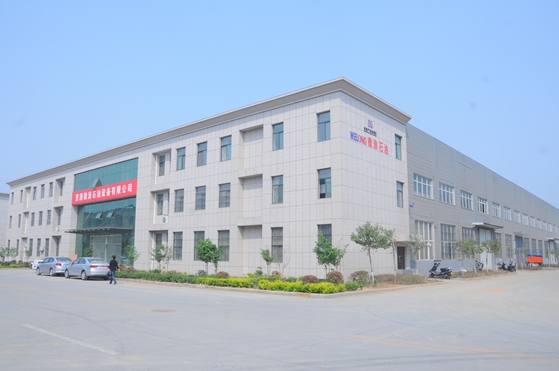
When it comes to ensuring the success of your cementing operations, choosing the right supplier is crucial. WELONG stands out as a leading provider of high-quality cementing tools, offering a comprehensive range of products designed to meet the most demanding well conditions. Our commitment to innovation, quality control, and customer satisfaction makes us the ideal partner for all your cementing tool needs. With ISO 9001:2015 and API 7-1 certifications, WELONG guarantees products that meet the highest industry standards. Experience the WELONG difference in your next cementing project and elevate your well integrity to new heights. Contact us today at oiltools15@welongpost.com to discuss how we can support your cementing tool requirements as your trusted Cementing Tools supplier.
References
- Smith, J. R. (2020). "Advanced Cementing Techniques for High-Pressure, High-Temperature Wells." Journal of Petroleum Technology, 72(5), 62-68.
- Nelson, E. B., & Guillot, D. (2019). "Well Cementing (2nd Edition)." Schlumberger, Houston, Texas.
- Johnson, A., & Williams, S. (2021). "Innovations in Cement Bond Logging: A Comprehensive Review." SPE Drilling & Completion, 36(2), 205-217.
- Brown, M. L., & Davis, T. R. (2018). "Nanotechnology Applications in Oilfield Cementing." Offshore Technology Conference, Houston, Texas, OTC-28954-MS.
- Tahmourpour, F., & Hashemi, R. (2022). "Smart Cementing Tools: The Future of Well Integrity Management." SPE Annual Technical Conference and Exhibition, Dubai, UAE, SPE-209163-MS.
- Zhang, Y., & Lee, J. (2023). "Automated Cementing Systems: Enhancing Efficiency and Reliability in Well Construction." Journal of Petroleum Science and Engineering, 220, 110811.