Centralizer Installation Guide & Common Mistakes
Centralizers are very important for making sure that cement is spread evenly around casing strings during well building. To have the best well integrity and long-term production, these devices must be installed correctly. This detailed instruction goes over the details of installing a centralizer, typical mistakes to avoid, and recommended practices to improve your cementing work. For effective well completions, you need to know how to position and space centralizers correctly, whether you're an experienced drilling engineer or just starting out. We'll look at the most common mistakes made during installation, how they affect cement works, and provide you useful tips on how to improve your centralization methods. By the conclusion of this essay, you'll know how to get the most out of your centralizers and avoid making errors that might hurt the performance of your well and cost you a lot of money.

Mistakes that happen a lot while installing centralizers
Even tiny errors while installing a centralizer might cause big problems later on. One of the most common mistakes is not leaving enough space between centralizers. This may cause the standoff to be too short, which can lead to poor cement distribution and possible channeling. Another typical mistake is utilizing the incorrect kind of centralizer for the well conditions. For example, using stiff centralizers in wells that are quite deviated when bow spring centralizers would work better would slow down operations and make centralization less effective.
Another common mistake is putting centralizers in the wrong place in relation to casing collars. Putting centralizers too near to collars may make it hard to connect them properly and might even break the devices during installation. Also, without taking into consideration the circumstances of the wellbore, including washouts or tight places, when deciding where to put the centralizer might cause it to work less well.
Things That People Don't Think About When Choosing a Centralizer
Many operators don't realize how important it is to choose the right centralizer material. When used in tough downhole conditions, equipments that don't withstand corrosion well might break down too soon and lose their centralization. Not taking into account the beginning and running forces of centralizers may also cause too much drag during casing installation, which might lead to stopped pipe situations.
Looking at how bad centralization affects cement jobs
The effects of poor centralization may be quite bad and expensive. The most evident and immediate effect is poor cement distribution. Cement slurry tends to follow the route of least resistance when the casing is not correctly centered. This may sometimes lead to channeling on the narrow side of the annulus. This may make the cement sheath weaker, which can damage zonal isolation and cause problems with casing pressure that last for a long time.
Poor centralization may also cause incomplete mud displacement during cementing operations if there isn't enough standoff. Residual mud pockets may make it easier for fluids to move around, which can make well integrity concerns more likely over time. Also, not centralizing enough might cause the casing to be placed in an odd way, which can generate unequal tension on the casing string and, in severe circumstances, wear or failure of the casing.
Consequences of Centralization Failures Over Time
The effects of bad centralization sometimes last long beyond the first cementing job. When zonal isolation is broken, it may cause cross-flow across formations, which might pollute production zones or aquifers. In rare circumstances, not centralizing enough might cause microannulus development, which can let gas move and make it harder to control the well. These problems not only make wells less productive, but they may also be quite dangerous for people and the environment. They might even lead to expensive repairs or the abandonment of the well.
Finding the main reasons for mistakes in placement and spacing
To fix problems with installing centralizers, it's important to know what causes placement and spacing mistakes. Poor preparation before the project is one of the main reasons. If you don't do a comprehensive study and modeling of the wellbore, you can choose the wrong centralizer or position it in the wrong spot. This is generally because the drilling, completion, and cementing teams don't talk to each other enough, which leads to choices that don't take into consideration all of the well conditions and operating needs.
Another reason is that people don't understand or oversimplify industry standards and best practices. API suggestions and other guidelines are useful frameworks, but they should be changed to fit the needs of each well instead of being used in all situations. If you rely too much on general rules without taking into account the specific features of each well, you may not get the best centralization.
The Role of Human Factors in Mistakes Made During Centralization
People also make a lot of blunders when they centralize things. Sometimes, time and money-saving tactics might lead to hasty installations or the usage of equipment that isn't good enough. Also, rig workers who don't have the right training or expertise could not know how to properly handle and install centralizers. To reduce installation mistakes, it is important to deal with these human factors by providing thorough training and encouraging a culture of quality and attention to detail.
Setting up the right procedures for the best placement
To make sure that centralization is always consistent and successful in different well conditions, it is important to have strong protocols for placing centralizers. A thorough examination of the well design should be the first step in the process. This should include things like the wellbore shape, the characteristics of the formation, and the expected qualities of the drilling fluid. Using powerful cementing software to simulate where to put centralizers and guess how far apart they should be will help you figure out the best placement options.
It is very important to choose a centralizer in a methodical way. This means looking at how the mechanical qualities of various kinds of centralizers compare to the circumstances in the well. When deciding between stiff, bow spring, or specialty centralizer designs, you should think about things like the size of the hole, the weight of the casing, and how bad the dogleg is likely to be.
Putting in place a quality control process
To make sure that the centralizer is installed correctly, it is important to set up a strict quality control procedure. This should include tests before and after installation to make sure that the equipments are in good shape and meet the requirements, as well as checks after installation to make sure they are in the right spot and facing the right way. A system of checks and balances, in which many team members review important parts of the installation process, may help find and fix possible mistakes before they turn into bigger problems.
Providing a Detailed Guide to Avoid Common Pitfalls
To mitigate the risk of common centralizer installation mistakes, consider the following comprehensive guide:
1. Conduct thorough pre-job planning:
- Perform detailed wellbore analysis and cementing simulations
- Collaborate closely with all relevant teams to ensure a holistic approach
2. Select the appropriate centralizer type:
- Consider well trajectory, formation characteristics, and operational requirements
- Evaluate the mechanical properties of different equipment designs
3. Optimize centralizer spacing:
- Use software modeling to determine optimal placement for maximum standoff
- Account for variations in wellbore geometry and potential washouts
4. Ensure proper installation techniques:
- Train rig personnel on correct handling and installation procedures
- Implement a system of checks to verify proper placement and orientation
5. Monitor and adjust during operations:
- Use real-time data to assess centralizer performance during running operations
- Be prepared to make adjustments based on unexpected wellbore conditions
Leveraging Technology for Improved Centralization
Advancements in technology offer new opportunities to enhance centralizer installation and performance. Explore the use of smart centralizers equipped with sensors that can provide real-time data on standoff and placement during installation. Additionally, consider implementing automated centralizer installation systems that can improve consistency and reduce human error in the placement process.
Conclusion
Mastering the art of centralizer installation is crucial for ensuring well integrity and optimizing cementing operations. By understanding common mistakes, analyzing their impact, and implementing robust procedures, operators can significantly enhance the effectiveness of their centralization strategies. Remember that successful centralization is not just about following guidelines, but about adapting best practices to the unique characteristics of each well. Continuous improvement through ongoing training, leveraging advanced technologies, and fostering a culture of quality will help minimize installation errors and contribute to more reliable and productive wells.
FAQ
Q1: How often should centralizers be placed along the casing string?
A1: The optimal spacing of centralizers depends on various factors, including wellbore geometry, casing size, and formation characteristics. Generally, a minimum of one centralizer per 30-40 feet is recommended for vertical sections, with closer spacing in deviated or horizontal sections. However, it's crucial to conduct specific simulations for each well to determine the most effective placement strategy.
Q2: Can I use the same type of centralizer for all sections of my well?
A2: While it's possible to use a single type of centralizer throughout a well, it's often not the most effective approach. Different sections of the well may have varying requirements for standoff and running characteristics. For example, rigid centralizers might be preferred in straight sections, while bow spring centralizers could be more suitable for deviated or horizontal sections. Always consider the specific needs of each well section when selecting equipments.
Q3: How can I verify if my centralizers are providing adequate standoff after installation?
A3: Several methods can be used to assess centralizer performance post-installation. Caliper logs can provide information on casing position within the wellbore. Cement bond logs (CBL) and ultrasonic imaging tools can help evaluate the quality of cement placement, which is indicative of centralizer effectiveness. Additionally, some advanced centralizers now come equipped with sensors that can provide real-time data on standoff during and after installation.
Choose WELONG for Superior Centralizer Solutions
When it comes to ensuring optimal well integrity and cementing quality, WELONG stands out as your trusted centralizer supplier. With over two decades of experience in oilfield equipment manufacturing, we offer a comprehensive range of high-quality centralizers designed to meet the diverse needs of modern well construction. Our products, including rigid, bow spring, and specialized centralizers, are engineered to provide superior standoff and reliable performance in even the most challenging wellbore conditions.
At WELONG, we understand that proper centralization is critical to the success of your cementing operations. That's why we not only provide top-tier centralizers but also offer expert guidance on selection and installation strategies tailored to your specific well requirements. Our team of experienced professionals is committed to helping you optimize your centralization approach, minimize common installation pitfalls, and achieve excellent cementing results.
Don't let equipment installation errors compromise your well integrity. Choose WELONG for unparalleled quality, expertise, and support in your centralization needs. Contact us today at oiltools15@welongpost.com to learn more about our centralizer solutions and how we can help enhance your well construction projects.
References
- Smith, J. (2021). "Advanced Centralizer Placement Strategies for Enhanced Well Integrity." Journal of Petroleum Technology, 73(5), 62-68.
- Brown, A., & Johnson, T. (2020). "Comparative Analysis of Centralizer Types in Deviated Wellbores." SPE Drilling & Completion, 35(3), 314-326.
- Wilson, R. (2022). "The Impact of Centralizer Selection on Cementing Quality: A Case Study." Offshore Technology Conference, Houston, Texas.
- Davis, M., & Thompson, L. (2019). "Optimizing Centralizer Placement: A Comprehensive Guide for Drilling Engineers." Gulf Professional Publishing, Houston.
- Lee, S., & Anderson, K. (2023). "Machine Learning Approaches for Predicting Centralizer Performance in Complex Well Geometries." SPE Journal, 28(2), 891-905.
- Rodriguez, E. (2021). "Best Practices in Centralizer Installation: Lessons Learned from Global Operations." International Association of Drilling Contractors Conference, Amsterdam, Netherlands.

Share your inquiry, get the quotation accordingly!
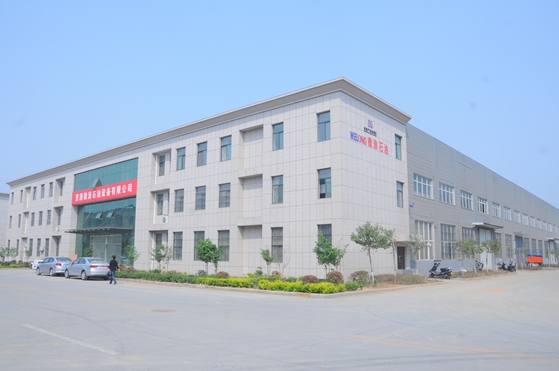
CHINA WELONG - 20+ years manufactuer in oilfield tools