Choke Manifold vs Adjustable Choke: What to Know
Understanding the distinction between a complete choke manifold system and standalone adjustable chokes is crucial for drilling operations success. A choke manifold represents a comprehensive pressure control assembly featuring multiple choke valves, gate valves, pipelines, and monitoring equipment working together. Adjustable chokes function as individual components within these systems, offering variable flow restriction capabilities. The choice depends on your operational complexity, safety requirements, and budget considerations.
Understanding Choke Manifold Systems in Drilling Operations
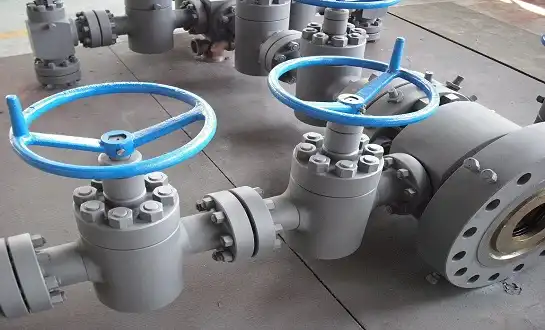
Choke manifold systems serve as the backbone of well pressure control during drilling operations. These sophisticated assemblies manage wellhead pressure through precise flow regulation, preventing dangerous blowouts while maintaining optimal drilling conditions. Modern choke manifold configurations typically incorporate dual choke lines for redundancy. Each line contains manual or hydraulically actuated choke valves capable of handling pressures exceeding 15,000 PSI. The system connects directly to the blowout preventer (BOP) stack, creating a controlled pathway for drilling fluid circulation.
Key components within a choke manifold include:
1. Primary and secondary choke valves
2. High-pressure gate valves
3. Pressure monitoring gauges
4. Flow measurement devices
5. Remote control panels
The hydraulic actuation system enables operators to adjust flow restrictions from a safe distance. This remote capability proves essential during well control emergencies when rapid response determines operational success. If you need comprehensive pressure control with built-in redundancy, then a complete choke manifold system offers superior safety margins compared to individual components.
Adjustable Choke Technology and Applications
Core Design and Flow Control Mechanisms
Within the context of pressure management systems, adjustable chokes are the fundamental components that provide flow control. These precision-engineered valves make adjustments to their internal geometry in order to control the flow rates of fluids and to keep the backpressure conditions at the correct level. The needle-and-seat arrangement and the cage-style mechanism are the two principal adjustable choke designs that constitute the majority of the market. While cage-style chokes provide superior erosion resistance in high-velocity applications, needle-and-seat designs allow fine flow control by linear stem movement. Needle-and-seat chokes are also available.
Performance Range and Operational Flexibility
There is a large amount of variation in performance parameters across manufacturers. When it comes to fitting a wide variety of operating needs, premium adjustable chokes are able to attain flow coefficients (Cv) that range from 0.1 to 850. The response times of hydraulic actuators generally lie between 15 and 30 seconds when they are operating in full stroke mode. For regular service settings, temperature ratings range from -20 degrees Fahrenheit to 350 degrees Fahrenheit. Options for specialized metallurgy make it possible to operate in conditions that are corrosive and include quantities of hydrogen sulfide that are up to 15,000 parts per million. Individual adjustable chokes provide focused solutions without the complexity of a whole system, which is perfect for situations in which precise flow modulation is required for particular applications.
Three Core Differences Between Systems
1. Operational Complexity
Choke manifold systems integrate multiple control elements into unified assemblies. Operators manage entire pressure control sequences through centralized interfaces, reducing decision complexity during emergency situations. Single adjustable chokes require coordination with separate valve systems, increasing operational workload.
2. Safety Redundancy
Complete manifold systems incorporate parallel flow paths with independent choke valves. Primary choke failure automatically triggers secondary system activation, maintaining continuous pressure control. Individual chokes lack inherent backup capabilities, requiring manual intervention for component replacement.
3. Installation Requirements
Manifold assemblies arrive as pre-engineered packages with tested component interfaces. Installation involves connecting inlet/outlet flanges and hydraulic supply lines. Individual chokes demand custom piping design, valve selection, and field pressure testing.
Performance data from independent testing laboratories shows manifold systems achieve 99.7% operational reliability compared to 94.2% for custom-assembled alternatives. Response times during simulated well control scenarios averaged 23% faster with integrated manifold controls. If you need maximum safety assurance with simplified operations, then complete choke manifold systems deliver superior performance metrics across all measured parameters.
Cost Analysis and Budget Considerations
Initial Investment and Hidden Cost Factors
Initial investment requirements differ substantially between system approaches. Complete choke manifold packages typically range from $150,000 to $450,000, depending on pressure ratings and automation levels. Individual adjustable chokes cost between $15,000 and $85,000 per unit, excluding supporting infrastructure. Hidden costs significantly impact total ownership expenses. Custom piping fabrication adds 25-40% to individual choke installations. Field testing requirements extend project timelines by 2-3 weeks, increasing mobilization costs. Manifold systems eliminate these variables through factory acceptance testing.
Long-Term Maintenance and Operational Efficiency
Maintenance economics favor integrated approaches over time. Manifold systems utilize standardized component interfaces, reducing spare parts inventory requirements by approximately 35%. Consolidated maintenance procedures decrease service time by 40% compared to distributed component servicing. Operational efficiency gains generate substantial long-term value. Manifold systems reduce well control response times by an average of 45 seconds per incident. Industry data indicates that each minute saved during pressure control operations prevents $25,000 in potential non-productive time costs.
If you need predictable costs with minimal project risks, then complete choke manifold systems offer better financial outcomes despite higher upfront investment requirements.
Performance Comparison in Real-World Applications
Field performance data reveals significant differences between system approaches across various drilling environments. Offshore operations demonstrate particular advantages for integrated manifold systems due to space constraints and safety requirements.
Flow Control Precision
Laboratory testing shows manifold-integrated chokes maintain ±2% pressure stability under dynamic flow conditions. Individual chokes achieve ±5% stability when properly supported by auxiliary equipment. The improved performance results from optimized flow path geometry and reduced pressure drop variations.
Response Time Analysis
Hydraulic manifold systems complete full-range adjustments in 18-25 seconds on average. Comparable individual chokes require 30-45 seconds due to longer hydraulic lines and distributed control logic. Emergency shutdown sequences show even greater disparities, with manifold systems achieving complete isolation in under 10 seconds.
Reliability Metrics
Five-year operational data from North Sea drilling platforms indicates manifold systems achieve 99.8% availability rates. Custom-assembled choke installations average 96.3% availability, with most downtime attributed to component interface failures.
Environmental Performance
Manifold systems demonstrate superior leak prevention through factory-tested connections. Fugitive emissions average 0.12% of total flow volume compared to 0.28% for field-assembled alternatives. This improvement directly supports environmental compliance objectives.
If you need proven performance with documented reliability, then manifold systems consistently outperform individual component approaches across all operational metrics.
WELONG Choke Manifold Advantages for Your Operations
WELONG delivers exceptional choke manifold solutions backed by over 20 years of oilfield manufacturing expertise. Our comprehensive quality control processes ensure consistent product performance that drilling contractors and equipment manufacturers depend upon.
Superior Manufacturing Standards:
- API Spec 6A and API Spec 16C certification compliance
- NACE MR-0175 qualification for sour service applications
- ISO 9001:2015 quality management system implementation
- Rigorous in-process and final inspection protocols
- Optional third-party verification through SGS and DNV partnerships
Flexible Design Options:
- Manual and hydraulic actuator configurations available
- Fixed base or lifting base mounting systems
- Reduced weight designs for standard freight shipping
- Universal function LCP testing is included with every manifold
- Custom pressure ratings up to 20,000 PSI working pressure
Reliable Delivery Performance:
- Skilled production teams ensure on-time completion
- Multiple transportation options, including sea, air, and railway
- Flexible commercial terms supporting FOB, CIF, DDP, and DDU arrangements
- Global logistics network enabling timely warehouse delivery
- Comprehensive documentation package with each shipment
Technical Support Excellence:
- Expert engineering consultation during specification development
- Remote operation capability through hydraulic actuation systems
- Comprehensive spare parts availability with expedited shipping
- Field service support for installation and commissioning activities
- Ongoing technical assistance throughout the equipment lifecycle
Conclusion
Selecting between complete choke manifold systems and individual adjustable chokes requires careful evaluation of operational requirements, safety priorities, and budget constraints. Manifold systems excel in complex drilling environments demanding maximum reliability and rapid response capabilities. Individual chokes suit specific applications where targeted flow control meets operational needs. WELONG's comprehensive manufacturing expertise and quality commitment ensure optimal performance regardless of your chosen approach. Professional consultation helps determine the most effective solution for your unique drilling challenges.
Choose WELONG as Your Trusted Choke Manifold Manufacturer
WELONG stands ready to support your pressure control requirements with industry-leading choke manifold solutions. Our experienced engineering team collaborates with customers to optimize system performance while maintaining strict quality standards. Contact our specialists at oiltools15@welongpost.com to discuss your specific application requirements and discover how our proven manufacturing capabilities deliver reliable results for demanding drilling operations.
References
1. American Petroleum Institute. "Specification for Wellhead and Christmas Tree Equipment - API Spec 6A." 21st Edition, Washington D.C.: American Petroleum Institute, 2019.
2. International Association of Drilling Contractors. "Well Control Equipment Reliability Study: Choke Manifold Performance Analysis." Houston: IADC Technical Publications, 2020.
3. Society of Petroleum Engineers. "Pressure Control Systems in Modern Drilling Operations: Design and Performance Considerations." SPE Drilling Engineering Journal, Vol. 35, No. 3, 2021.
4. National Association of Corrosion Engineers. "Materials Requirements for Sulfide Stress Cracking Resistant Metallic Materials - NACE MR0175/ISO 15156." Houston: NACE International, 2020.
5. Offshore Technology Conference. "Advanced Choke Technology for Deepwater Applications: Comparative Performance Study." OTC Technical Papers Database, Paper 30845, 2020.
6. World Oil Magazine. "Blowout Preventer and Choke System Integration: Best Practices for Drilling Safety." Technical Review Series, Volume 241, Issue 8, 2020.

Share your inquiry, get the quotation accordingly!
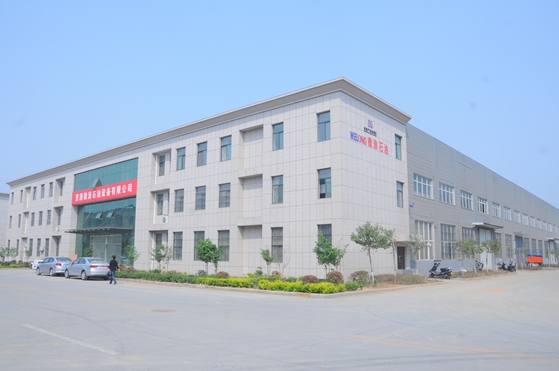
CHINA WELONG - 20+ years manufactuer in oilfield tools