Key Performance Indicators in PDC Bit Design
When comparing PDC drill bit providers, one of the first things you'll want to look at is the design capabilities of the manufacturer. Different formations and drilling circumstances may affect the cutter designs, hydraulics, stability, and overall bit configuration.
Don’t just look at any one specification in isolation, look at the manufacturer’s overall bit design philosophy and if that philosophy can be applied to the drilling environment you want to drill in.
Cutter Technology and Placement
PDC bit design is reliant on cutter selection and location. Cutter features affect the interaction between cutters and bit-formation. The location of the cutters impacts the distribution of load on the bit face.
When comparing manufacturers, check to see whether they have included the cutter arrangement into the overall design and don’t regard the cutters as separate components. The design should be tailored to such parameters as formation characteristics and projected drilling conditions.
A manufacturer with a disciplined design process should also be able to justify a specific cutter arrangement for the intended application. Such technical discussions are more valuable than just comparing product names or catalogue descriptions.
Hydraulic Optimization
The importance of the hydraulic design in the cuttings removal from the bit face and the proper drilling-fluid circulation is an essential issue. The placement of nozzles, flow dispersion and the interaction of the hydraulic system with the bit shape impact cleaning performance.
Computational fluid dynamics (CFD) may also be employed as part of the design process to assess the fluid flow behaviour and to assist in refining the nozzle location. However, when comparing manufacturers it is crucial examining how hydraulic analysis is integrated into real bit development rather than presuming that the use of CFD alone would lead to higher performance.
The most meaningful assessment is a combination of hydraulic design and formation conditions, qualities of the drilling fluid, and operational parameters.
Stability and Vibration Control
Another crucial factor is bit stability. Too much vibration may damage the uniformity of the drilling and put extra strain on the bit and the drilling equipment.
Manufacturers may address such elements as blade geometry, gauge design, cutter arrangement and other aspects designed to provide a smoother bit-rock interaction for stability. Ask the provider about their stability during bit design and whether their designs are flexible enough to be modified for varied drilling situations while assessing them.
Field data may also provide important evidence. Repeatable drilling behaviour and predictable wear patterns may assist in determining if a certain design is appropriate for the intended purpose.
Sample Inspection: Field-Tested Durability
Design information is helpful but another crucial technique to assess a PDC drill bit manufacturer is field performance. Available from looking at used bits, dull conditions and drilling outcomes is practical knowledge that a product brochure cannot convey.
If field samples or performance data are available, compare them to the formation and operating circumstances under which the bits were employed. This helps to avoid judgments based upon lab or general purpose statements alone.
Wear Pattern Analysis
The PDC bit wear pattern might provide you a little information as to how the cutters and other bit components fared while drilling.
Consistent wear patterns may show loads being distributed as designed, whereas concentrated or premature wear might highlight areas worth additional research. But wear should always be seen in context of drilling circumstances, formation features and operational settings.
Manufacturers are asked whether they assess uninteresting portions as part of their design and improvement process. As a manufacturer learns from field input to improve later designs, it may provide more helpful technical assistance over time.
Dull Grading Reports
Rating dullness is a systematic approach of describing how a piece looks after a run. Drilling teams may review these records to assess wear, damage and other changes across various bit designs.
A bland grade report is only as good as the information that backs it up. The report should ideally be regarded along with drilling conditions and run performance and not as a measure of one thing.
Consistent field data may assist in identifying which bit designs are operating reliably in similar applications when making procurement selections.
Case Studies and Field Trial Results
Field trials and case studies may give important information of how a manufacturer’s bits have performed in certain drilling settings.
When you read a case study, examine the factors that led to the outcome. The applicability of the findings to another project is dependent on the formation type, well conditions, drilling parameters, bit design and run information.
So a good case study must do more than just provide a favourable outcome. It should offer the reader with enough information to understand why the bit was chosen, and how its performance was determined.
Optimizing Drilling Efficiency: Choosing the Right Manufacturer
Choosing a PDC bit manufacturer is not just a matter of evaluating technical parameters. The manufacturer should also understand the application, react to changing drilling requirements and give adequate assistance throughout the bit’s service life.
Procurement teams must, therefore, think about the technical competency and the ability of the manufacturer to cooperate with project particular needs.
Customization Capabilities
Not all drilling applications need the same PDC bit setup. Formation features, well conditions and operational factors might affect design requirements.
A manufacturer capable of customisation may change the bit design somewhat to better suit a certain application. During supplier assessment, ask suppliers how they acquire application information, make design suggestions, and use feedback from past runs.
The purpose is not merely to acquire a bespoke bit, but to discover whether the manufacturer has a clear method for linking drilling requirements with bit design.
Technical Support and Training
Technical help may be especially valuable when a bit is operating in difficult or unknown drilling circumstances.
Support might be helpful with bit selection, operating advice, run analysis and inspection of bit condition after drilling. The level of assistance varies from manufacturer to manufacturer, so you should negotiate this before to making your purchase.
A good supplier that can communicate well with drilling and technical teams may also help to spot issues and change future bit designs based on real field findings.
Innovation and R&D Investment
PDC bit technology continues to improve as drilling applications grow more demanding. Manufacturers consequently require a procedure for testing novel materials, cutting technology, design approaches and field input.
When evaluating R&D capabilities, go beyond generic assertions about innovation. In the manufacturer's development process, what role do testing, design analysis, field feedback, and product improvement play?
This offers a more realistic approach to determine if a supplier is able to continue developing its PDC drill bit designs as project needs change.
Supply Chain Reliability
A bit, no matter how technically acceptable, is of use only if it is available when the drilling operation demands it. So, delivery capabilities has to be included to a manufacturer comparison.
Look at things like how production is organized, communication throughout the process of taking an order, capacity to manage recurring orders, uniformity across manufacturing batches.
Supply dependability might be particularly crucial for projects requiring several wells or periodic bit needs. Good communication between the manufacturer and the drilling crew may help cut down on unwanted delays and make future orders simpler to handle.
Environmental Considerations
Environmental concerns are becoming more important in drilling operations. Bit selection may help in this debate about drilling efficiency, service life, and quantity of material and operational resources needed during a drilling program.
However, the environmental performance has to be assessed on the basis of particular and verified evidence, not on general assertions of sustainability. Knowing if manufacturers will be able to describe how they make and offer relevant information about their goods and processes might be helpful when comparing them.
Conclusion
Choosing a PDC bit manufacturer demands a much wider approach than merely looking at product characteristics. The choice of a particular manufacturer may depend on factors such cutter technology, hydraulic design, stability, field performance, customisation, technical assistance, R&D capabilities and supply dependability for specific drilling applications.
The most appropriate comparison is one that is based on facts that can be connected to the real drilling environment. Field data, boring grading, discussion of design, and advice for particular applications may assist purchasers discern generic marketing promises from real technical capabilities.
Choose Quality PDC Bits for Optimal Drilling Performance
When evaluating PDC drill bit suppliers, look for a manufacturer that can connect bit design with actual drilling requirements and provide technical support throughout the selection and evaluation process.
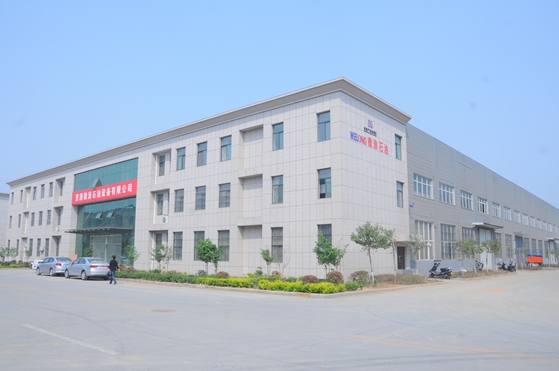
Welong provides PDC drill bit solutions for oil and gas drilling applications, with a focus on bit design, product quality, customization, and technical support. If you are comparing bit options for a specific drilling application, you can contact the Welong team to discuss your requirements and determine which information is needed for bit selection.
For inquiries, contact oiltools15@welongpost.com. Providing relevant drilling conditions and application requirements can help the technical team better understand your needs and discuss suitable PDC bit solutions.