Drill Pipe Grades Explained: Which One Should You Use
Successful drilling, operational safety, and cost efficiency depend on drill pipe grade. Standardised drill pipe grades determine strength, longevity, and performance under different drilling situations. Understanding these classes helps procurement experts balance project needs and budgets. E75, X95, G105, and S135 are the most popular grades, each with unique benefits. The appropriate grade affects drilling efficiency, equipment lifespan, and project results.

Understanding Drill Pipe Grades: An Overview
Grades of drill pipes depend on material qualities and manufacturing techniques, affecting their strength, durability, and adaptability for different drilling circumstances. These classifications are essential for procurement specialists that need performance metrics to choose drilling equipment.
Material Properties and Manufacturing Standards
Metallurgical composition and heat treatment determine drill pipe grades. Yield strength is measured in thousands of pounds per square inch for each grade. E75 grade pipes have 75 ksi minimum yield strength, X95 95, G105 105, and S135 135. The steel's microstructure is optimized for performance via carefully controlled alloying components and heat treatment processes.
Grade attributes depend equally on manufacturing techniques. Without welded joints to fail under stress, seamless tube manufacture provides structural integrity. Advanced quality control techniques throughout production ensure each pipe satisfies grade criteria through extensive testing.
International Standards and Compliance Framework
API Specification 5DP is the main North American drill pipe production and quality standard. Material composition, mechanical qualities, dimensions, and testing techniques are specified in this specification. International frameworks like ISO standards maintain API compatibility throughout worldwide supply networks.
These standards create quality and supplier norms for buying choices. Standards eliminate procurement risks and ensure equipment compliance with drilling systems. Standardisation provides a single technical language for makers and operators globally, facilitating international trade.
Metallurgical Differences and Performance Impact
Fatigue resistance and torque capability vary greatly per grade due to core material composition. Superior pipes have alloying materials that increase strength and ductility. Thermal treatments like quenching and tempering provide optimum microstructures with hardness and toughness.
Metalurgical variances affect operational capacity. Higher-grade pipes can bear more tensile strains, allowing deeper wells or difficult geological formations. Fatigue resistance increases service life and reduces replacement and downtime costs.
Comparison of Popular Drill Pipe Grades and Their Applications
Drill pipe grades vary on operational needs, environmental circumstances, and project costs. Each grade has unique performance characteristics for specific drilling circumstances.
High-Strength vs. Regular Grade Performance Analysis
Regular grades like E75 perform well in regular drilling at competitive prices. These pipes work well in shallow to medium-depth wells without extraordinary strength. For normal drilling, E75 grade pipes perform well and are cost-effective.
For tough applications, G105 and S135 are needed. These innovative materials allow drilling in harsh conditions where ordinary grades would fail. The increased strength permits longer drill strings, thinner walls, and better hydraulic flow.
Key performance discrepancies between grade categories:
- Standard Grades (E75, X95): Cost-effective, reliable solutions for shallow to medium-depth wells optimized for conventional drilling operations with mild stress.
- Premium Grades (G105, S135): Engineered for harsh situations like deep wells, high-pressure settings, and difficult geological formations, giving superior fatigue resistance and service life.
- Specialist Applications: Unique drilling circumstances, directional drilling projects, and specialist completion operations needing better performance may necessitate custom grade parameters.
These performance differences allow operators to tailor equipment specifications to project requirements, optimizing operational efficiency and cost management.
Application-Specific Grade Selection Guidelines
Shallow drilling uses E75 or X95 grades for strength and cost savings. Standard grades are reliable without the exorbitant cost of high-strength alternatives for these applications. Premium materials are rarely worth the cost in shallow wells due to moderate stress.
Deep drilling requires high-grade materials that can endure intense stresses and conditions. Hi-pressure deposits or drilling depths above typical limitations require G105 and S135 grades. These grades are stronger, preventing premature failures that could harm fishing operations or hurt wellbore stability.
Environmental Considerations and Grade Selection
Material choices and coatings must be tailored to corrosive situations. Standard drill pipe grades may include TK34 or TK34P corrosion-resistant coatings to enhance service life in hostile fluid conditions. These protective solutions protect steel from chemical assault while maintaining mechanical qualities.
High-temperature applications bring distinct grade selection issues. High temperatures weaken material strength and accelerate fatigue. For geothermal drilling or deep wells with high bottom-hole temperatures, higher-grade materials retain performance better under thermal stress.
In abrasive formations, hardbanding applications like Arnco 100XT or 300XT defend against wear. These coatings reduce tool joint wear and maintain dimensional stability throughout extended drilling operations.
How to Evaluate and Inspect Drill Pipe Grades for Procurement
Proper procurement needs thorough evaluation methods that check material specs and quality. Thorough inspections prevent inferior supplies and ensure operational conformity.
Critical Specifications and Verification Procedures
The weight per foot calculation is crucial for drill string design and load management. Accurate weight requirements help calculate tensile stress and set drilling application safe working limits. Procurement teams must check weights against specifications within acceptable tolerances.
Torque capacity ratings determine pipes' maximum rotating forces without failure. Specifications affect drilling efficiency and equipment safety. Verification should include torque testing findings and confirmation that they meet or exceed project requirements.
Thread parameters must be carefully considered for equipment compatibility. API connections must meet dimensions and performance specifications to avoid leaks and failure. Pitch, diameter, and surface finish should be checked during thread inspection per requirements.
Non-Destructive Testing and Quality Assurance
Internal structural faults are detected by ultrasonic testing. These sophisticated inspection methods find inclusions, laminations, and other problems that optical inspection cannot. Complete ultrasonic testing ensures only high-quality items enter service.
Magnetic particle examination finds fatigue-causing surface and near-surface defects. This testing approach detects stress concentrations near tool joints and high-cyclic loads well. Regular magnetic particle inspection prevents crucial operation faults.
Independent professional inspections verify material quality and conformity. SGS and DNV have extensive testing methods to verify product claims and assure compliance with international standards. These services lower procurement risks and document quality compliance.
Fatigue Life Assessment and Maintenance Planning
Fatigue life affects maintenance and equipment replacement timing. Understanding how operational circumstances affect material deterioration allows proactive maintenance to prevent unexpected breakdowns. Rotational speed, load cycles, and surroundings affect fatigue assessment.
Service interval optimization balances equipment use and reliability. Operators may maximize equipment use while preserving safety with accurate fatigue life forecasts. This innovation extends service intervals without compromising safety, lowering drilling costs.
Drill Pipe Grades and Procurement: Making the Right Choice
Strategic buying requires assessing supplier capabilities, material standards, and long-term value. Successful procurement balances current costs, operational reliability, and supplier partnerships.
Supplier Evaluation and Brand Assessment
Manufacturer evaluation should include production, quality, and technical support. Established manufacturers with wide grade portfolios can better address different project needs. Brand reputation shows quality consistency and reliability throughout time.
Quality certification schemes objectively assess manufacturing and process control. API certificates verify industry-specific requirements, whereas ISO 9001:2015 accreditation shows quality management commitment. Certifications lessen procurement risks by ensuring standards are followed.
Technical support is crucial for specialist applications and difficult operating conditions. Engineering-supportive manufacturers can advise on grade selection, application optimization, and troubleshooting.
Cost-Benefit Analysis and Value Optimization
Acquisition cost is simply one part of ownership costs. Long-term economics are affected by durability and service life, which reduce replacement frequency and downtime. Premium grades may justify higher starting prices with longer service intervals and better reliability.
Grade selection can offset increased material costs by improving drilling performance and reducing non-productive time. Higher strength allows faster drilling and longer bit life, improving project efficiency.
Inventory management affects procurement tactics, especially for multi-project operators. Grade standardization simplifies inventory and maintains operational flexibility. Strategic purchasing relationships with dependable suppliers can save money and ensure material availability.
Custom Grade Development and Specialized Applications
Custom material parameters may surpass normal grade for unique drilling situations. Working with skilled manufacturers allows for customized operational solutions. Custom grade creation involves precision performance specifications and testing confirmation.
Custom grades require advance planning. Specialized material production timetables usually exceed product availability. Early manufacturer contact helps plan projects and assures material delivery meets drilling timelines.
Company Introduction & Product Information
WELONG is a leading oilfield equipment manufacturer with over two decades of drill pipe manufacturing and supply chain solutions experience. We offer a wide range of drill pipe grades to fulfill global oil and gas drilling needs.
WELONG Product Portfolio and Technical Capabilities
We manufacture drill pipes from 2 3/8" to 6 5/8" for all industry needs. We manufacture all main grades, including E75, X95, G105, and S135, for shallow conventional wells to deep, high-stress settings. Quality and performance are guaranteed by API SPEC 5DP compliance for each product range.
Advanced coatings like TK34 and TK34P systems enhance service life in corrosive situations while saving money. Top-tier materials like Arnco 100XT and Arnco 300XT defend against wear in abrasive formations during hardbanding. These value-added services address operational issues that affect drilling efficiency and equipment longevity, distinguishing our offerings.
Quality Assurance and Manufacturing Excellence
Through rigorous testing and inspection, our quality control systems ensure product performance. Final inspection techniques ensure conformity with all standards, while in-process inspections monitor important parameters during manufacturing. SGS and DNV inspection services are part of our expertise, allowing us to validate quality for challenging applications.
Advanced metallurgical methods optimize material qualities for grade requirements. Even for urgent projects, our competent production teams meet delivery deadlines. This manufacturing reliability helps customers by matching material availability to drilling schedules.
Global Supply Chain and Logistics Capabilities
WELONG offers versatile logistics solutions covering sea, air, and train shipment. Our FOB, CIF, DDP, and DDU trade terms allow customers to choose the best shipping and payment terms for their needs.
Delivery to customer warehouses worldwide is easy with international supply chain management experience. Our logistics networks reduce transit times and costs. WELONG is a vital partner for worldwide drilling operations due to its global reach and local support.
Conclusion
When choosing the right drill pipe grade, you need to carefully think about the needs of the business, the environment, and the cost. Knowing the differences between grades E75, X95, G105, and S135 lets you make smart purchasing choices that improve performance and cut costs. Using the right evaluation methods, like strict inspection routines and supplier evaluation, can help keep quality problems at bay and make sure that industry standards are met. Competitive advantages last for a long time when strategic procurement methods combine initial costs with long-term value. In order to successfully buy drill pipes, you need to work with reputable manufacturers that can consistently provide high quality products, on-time delivery, and full expert support.
Frequently Asked Questions
1. How do drill pipe grades impact drilling safety and operational efficiency?
Drill pipe grades directly influence drilling safety through their ability to withstand operational stresses without failure. Higher grades like S135 provide greater safety margins in demanding applications, while appropriate grade selection prevents premature failures that could create hazardous conditions. Operational efficiency improves when grade selection matches application requirements, enabling optimal drilling parameters and reducing non-productive time.
2. What testing methods verify drill pipe grade authenticity and quality?
Comprehensive testing protocols include chemical analysis to verify material composition, mechanical testing to confirm strength properties, and non-destructive testing such as ultrasonic and magnetic particle inspection. Third-party inspection services provide independent verification, while documentation review ensures compliance with applicable standards. These multi-layered approaches protect against counterfeit materials and ensure authentic grade specifications.
3. Can drilling operations switch between different grades mid-project without performance issues?
Grade transitions during drilling operations require careful engineering evaluation to ensure compatibility and safety. While technically possible, switching grades may necessitate adjustments to drilling parameters and operational procedures. Planning such transitions in advance, with proper engineering support, minimizes risks and maintains operational continuity while accommodating changing downhole conditions.
Contact WELONG for Expert Drill Pipe Solutions
WELONG provides optimal drill pipe options for your operations by combining decades of manufacturing experience with thorough quality assurance. Our experienced engineering team will assist you in choosing the best grades for your drilling needs while keeping costs as low as possible. Our skills as a drill pipe supplier ensure reliable delivery and consistent performance, no matter if you need standard grades or custom specifications. At email [email protected] to talk about your project needs and use our technical resources to make smart purchasing choices.
References
1. American Petroleum Institute. API Specification 5DP: Specification for Drill Pipe. Washington, DC: API Publishing Services, 2020.
2. Chen, M., and Johnson, R. "Metallurgical Analysis of High-Strength Drill Pipe Grades in Extreme Drilling Environments." Journal of Petroleum Technology and Engineering, vol. 45, no. 3, 2023, pp. 78-92.
3. International Organization for Standardization. ISO 11961: Petroleum and Natural Gas Industries - Steel Pipes for Use as Casing or Tubing for Wells. Geneva: ISO Publications, 2019.
4. Rodriguez, A. K. "Fatigue Life Assessment and Optimization Strategies for Drill Pipe Selection in Deep Well Applications." Drilling Engineering Quarterly, vol. 28, no. 2, 2022, pp. 156-174.
5. Smith, J. P., and Williams, D. L. Advanced Materials for Oilfield Applications: A Comprehensive Guide to Drill String Components. Houston: Petroleum Engineering Publishers, 2021.
6. Thompson, K. R. "Economic Analysis of Drill Pipe Grade Selection: Balancing Performance and Cost in Modern Drilling Operations." Oil and Gas Procurement Review, vol. 15, no. 4, 2023, pp. 34-48.

Share your inquiry, get the quotation accordingly!
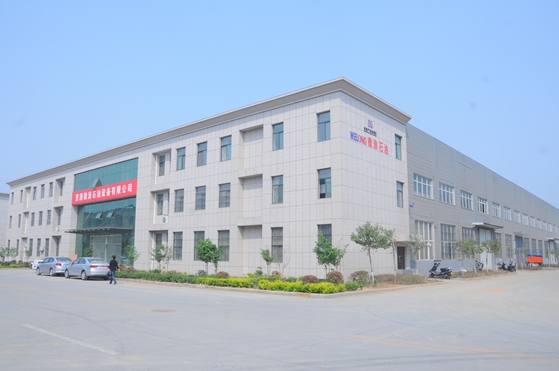
CHINA WELONG - 20+ years manufactuer in oilfield tools