What Is an Elevator Link in Oil Drilling?
Oil drilling requires elevator links to suspend elevators from top drive systems or hooks during drilling and casing. Lift bails, also known as drilling links, ensure safe and efficient handling of drill string components throughout drilling. Lift links, which work in pairs to balance load distribution, are one of the most important safety components in modern drilling operations, affecting operational efficiency and crew safety.
Understanding the Elevator Link in Oil Drilling
Primary Function and Design Purpose
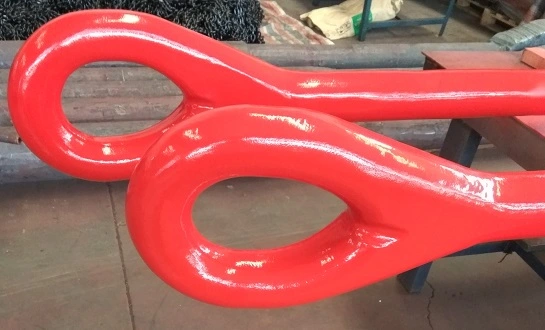
Elevator linkages connect the rig's hoisting system to the tubular goods elevator assembly. These components allow safe lifting, lowering, and positioning of drill pipes, casing strings, and other tubular equipment during drilling. The upper eye connects to the hook assembly and the lower eye to the elevator mechanism.
Single-point failure scenarios that could cause catastrophic equipment loss or crew harm are avoided by dispersing the weight of suspended tubular strings across two symmetrical connections. Each connection must endure static and dynamic loads from pipe handling, rotation, and placement.
Material Composition and Manufacturing Standards
Elevator link structure uses high-quality alloy steel for its strength-to-weight ratio and fatigue resistance under cyclic stress. Swaged forging aligns metal grain structure with stress patterns, improving load-bearing capacity and durability.
Single-arm elevator links are manufactured using swaged forging, precision mechanical processing, and surface treatments. Double-arm variations use additional welding to generate the dual-arm design while maintaining joint structural integrity. These manufacturing procedures guarantee each component's high-intensity, toughness, and mechanical qualities for difficult drilling settings.
Industry Classifications and Specifications
The drilling industry classifies elevator linkages as weldless or perfection. Continuous forged structure without welded joints maximizes strength and fatigue resistance. Perfection links use welded components in precise combinations to meet load ratings or dimensions.
Manufacturing standards for drilling and production hoisting equipment match 8A and 8C criteria, ensuring interoperability across rig types and operational needs. These specifications define important factors including eye size, load ratings, material attributes, and operational testing methodologies to verify component performance.
Challenges and Common Issues with Elevator Links
Material Fatigue and Stress-Related Failures
Elevator links experience intense cyclic loading that can cause material fatigue over time. Routine pipe handling concentrates stress at important places, including eye holes and load-bearing surfaces. Metal fatigue causes small cracks that grow under strain, affecting structural integrity.
Temperature differences between surface and downhole settings increase thermal loads and fatigue. Corrosive marine settings can cause stress corrosion cracking, reducing component lifespan and making offshore drilling difficult.
Operational Handling and Safety Concerns
Improper handling causes elevator link deterioration and premature failure. Side loading, improper rigging, and exceeding rated load capacity can cause stress patterns beyond design parameters. These challenges often result from personnel training deficiencies, especially when operators lack suitable lifting and load distribution skills.
When worn elevator links are used beyond their limits, safety risks arise. Visual inspection difficulties might lead to catastrophic failures during important lifting operations due to interior deterioration or crack development. These mishaps damage equipment and delay operations while endangering personnel.
Impact on Drilling Efficiency and Costs
Elevator link problems delay drilling and increase project expenses. Emergency component replacement necessitates mobilizing extra equipment and qualified staff, causing hours or days of rig downtime. Delays affect drilling schedules, contractual commitments, and project economics.
While required for safety, preventive replacement procedures increase operational costs through inventory management, component procurement, and scheduled maintenance windows. Usage patterns, inspection results, and remaining service life predictions must be analyzed to balance component replacement timing with operational demands.
Technical Specifications and Selection Criteria for Elevator Links
Load Capacity Requirements and Safety Factors
Calculating maximum projected loads, including the heaviest tubular string weight and dynamic variables, is the first step in elevator link selection. Industry requirements require safety factors of 4:1 to 6:1, meaning the component's ultimate breaking strength must exceed operating loads. WELONG elevator connections can handle 30 to 750 tons, suitable for shallow land-based wells and deep offshore projects.
Dynamic load calculations must consider pipe handling impact forces, acceleration and deceleration cycles, and shock loading. These factors generally raise effective loading beyond static weight calculations, making conservative capacity selection crucial for operational safety and component longevity.
Dimensional Compatibility and Interface Requirements
Lift links and equipment components are securely connected by dimensional matching. Hook pins, shackles, and elevator mounting points must fit in the eye while preserving material thickness around important stress regions. Equipment interchangeability and spare parts inventory management are simplified by standard dimensions.
Correct geometric alignment during lifting requires certain dimensions relationships for different drilling rig types. Land rigs use standard dimensional standards, while offshore rigs with compensated hoisting systems may need customized link configurations for motion correction equipment.
Material Quality and Certification Standards
API and ISO certifications objectively verify material qualities, production processes, and quality control. This certification ensures elevator links fulfill international chemical composition, mechanical characteristics, and dimensional tolerance criteria. WELONG's ISO 9001:2015 and API 7-1 certifications verify our quality management and technological skills.
Material traceability paperwork tracks raw materials from steel manufacturing to component supply, aiding quality investigations and warranty claims. Heat treatment records, chemical analysis reports, and mechanical testing data demonstrate component capabilities and conformance.
Best Practices for Maintenance and Optimization
Routine Inspection Protocols and Schedules
Routine Inspection Protocols and Schedules
Effective maintenance programs schedule inspections depending on operational intensity, environment, and manufacturer recommendations. Visually inspect all accessible surfaces daily for wear, deformation, and cracks. Weekly comprehensive inspections with proper lighting and magnification equipment uncover flaws before they jeopardize safety or operation.
Monthly thorough inspections should include important feature dimensional measurements, wear pattern documentation, and trend analysis photos. These comprehensive studies produce component-specific replacement schedules based on wear rates, not time intervals.
Advanced Surface Treatment Techniques
Surface treatment improves corrosion resistance and fatigue resistance, extending elevator link service life. Specialized surface hardening procedures boost mechanical wear resistance and protective coatings protect against environmental damage. WELONG manufactures components with sophisticated surface treatments to maximize longevity under harsh operating conditions.
Regular coating reapplication ensures corrosion resistance throughout component life. Surface preparation and coating selection provide compatibility with drilling fluid systems and operational conditions.
Performance Optimization Strategies
Systematic data collecting on component performance, failure modes, and service life optimizes selection and maintenance. Usage tracking correlates operational characteristics with component wear rates, improving replacement scheduling and inventory planning.
Lifting methods can be optimized and elevator linkages operated within design parameters with load distribution analysis. Proper rigging and equipment arrangement reduce stress concentrations and extend component life while preserving operating safety.
Company Profile and Solutions for Elevator Links
WELONG Manufacturing Capabilities and Quality Assurance
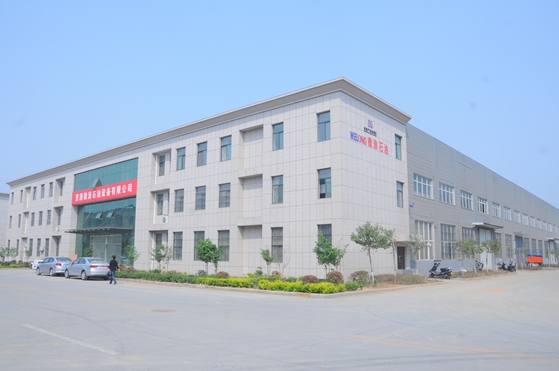
China Welong specializes in elevator linkages and other important drilling components for over two decades in oilfield equipment production. Modern forging equipment, precision machining centers, and extensive testing ensure product quality and reliability in our manufacturing facilities.
From raw material inspection to product certification, we oversee quality throughout production. Final inspections check dimensional correctness, material characteristics, and surface quality, while in-process inspections monitor important manufacturing parameters. This rigorous process guarantees every elevator connection meets our high requirements before shipping to customers.
Product Range and Customization Options
WELONG elevator linkages are made of high-quality alloy steel and reliable forging methods in single- and double-arm designs. We use swaged forging, mechanical processing, and surface treatment to make our single-arm designs strong and durable. Double-arm variations use swaged forging and welding to retain structural integrity and provide the dual-arm configuration needed for specific applications.
Customization allows for specific operational, environmental, and equipment interactions. Our technical team works with customers to create customized solutions that meet industry standards and safety regulations.
Global Support and Service Infrastructure
WELONG provides lifecycle support for elevator link applications because it understands their importance. We assist customers maximize equipment value with professional product selection, application engineering, and operational optimization advice from our technical support staff.
Using sea, air, and rail freight, flexible delivery choices meet urgent needs and global project sites. Customers can choose from FOB, CIF, DDP, and DDU terms to meet their procurement preferences and logistical needs.
Conclusion
Oil drilling safety depends on elevator link selection, maintenance, and supply chain alliances. Modern drilling operations are complicated and require equipment with great strength, reliability, and availability to meet schedules.
WELONG is a trusted drilling equipment partner due to our manufacturing expertise, quality control, and global customer service. Our two decades of industry knowledge, innovative manufacturing capabilities, and flexible service choices allow us to satisfy the increasing needs of the global drilling industry while maintaining the greatest safety and operational reliability.
Frequently Asked Questions
1. What factors determine elevator link service life?
Service life depends on several critical factors including load cycles, environmental conditions, material quality, and maintenance practices. Proper handling techniques and regular inspection schedules significantly extend operational life, while exposure to corrosive environments or exceeding rated capacities can dramatically reduce service intervals.
2. How do I ensure compatibility with existing rig equipment?
Compatibility requires matching dimensional specifications, load ratings, and interface requirements with your existing equipment configuration. Consulting with equipment manufacturers and reviewing technical specifications ensures proper fit and function while maintaining safety standards and operational efficiency.
3. What safety standards apply to elevator links in international markets?
International safety standards include API specifications, ISO requirements, and regional regulatory frameworks that govern design, manufacturing, and testing protocols. WELONG products comply with these international standards, ensuring global acceptability and operational safety across diverse regulatory environments.
Partner with WELONG for Premium Elevator Link Solutions
WELONG is ready to help you with your drilling projects by providing you with high-quality elevator links that are designed to withstand tough conditions and are backed by decades of manufacturing excellence. Our wide range of products, with capacities ranging from 30 to 750 tons, along with our ability to customize them and our global delivery options, means that we can meet your unique operational needs while keeping our prices low and our delivery times reliable.
Get in touch with our technical team at [email protected] to talk about your elevator link needs and find out how our manufacturing knowledge and focus on customer satisfaction can help you get the best deals on drilling equipment. As a reliable elevator link supplier, we offer complete solutions that raise workplace safety, cut down on downtime, and give you the best return on your equipment investments.
References
1. American Petroleum Institute. "Specification for Rotary Drill Stem Elements." API Specification 7-1, 2018.
2. International Organization for Standardization. "Petroleum and Natural Gas Industries - Drilling and Production Equipment." ISO 13533, 2017.
3. Smith, J.R. "Materials Engineering in Oil and Gas Drilling Equipment." Journal of Petroleum Technology, Vol. 72, No. 8, 2020.
4. Thompson, M.L. "Safety Analysis of Hoisting Equipment in Offshore Drilling Operations." SPE Drilling & Completion, Vol. 35, No. 3, 2019.
5. Wilson, P.K. "Fatigue Analysis and Life Prediction of Drilling Equipment Components." International Journal of Fatigue, Vol. 118, 2019.
6. Brown, R.S. "Quality Assurance in Oilfield Equipment Manufacturing." Petroleum Equipment Institute Technical Publication, 2021.

Share your inquiry, get the quotation accordingly!
CHINA WELONG - 20+ years manufactuer in oilfield tools