In float equipment engineering, understanding the distinctions between a float shoe and float collar proves essential for successful drilling operations. Both components serve as critical downhole tools that control fluid flow and maintain wellbore integrity during casing installation. A float shoe acts as the bottom-most component with guide capabilities, while a float collar functions as an intermediate positioning tool. This comprehensive comparison examines their unique characteristics, applications, and performance metrics to help drilling professionals make informed equipment selections.
Understanding Float Equipment Fundamentals
Float equipment represents specialized wellhead components designed to regulate fluid circulation during drilling and cementing operations. These tools incorporate check valve mechanisms that permit downward fluid flow while preventing reverse circulation.
Modern float equipment operates under extreme downhole conditions, withstanding pressures exceeding 15,000 psi and temperatures reaching 350°F. The engineering precision required for these components demands strict manufacturing tolerances and robust material selection.
Engineering and Operational Demands
The severe downhole environment necessitates that float equipment be engineered with high-precision manufacturing and robust materials to reliably perform under extreme pressure and temperature conditions.
Equipment Selection and Functionality
The selection of float equipment is primarily guided by three core differences: positioning within the casing string, structural design with or without guidance features, and operational pressure ratings. For basic fluid control, a standard float collar is sufficient. However, for operations requiring precise casing positioning and bottom-of-string functionality, a float shoe, which incorporates a guiding surface along with the check valve, provides the necessary solution.
Float Shoe Design and Engineering Specifications
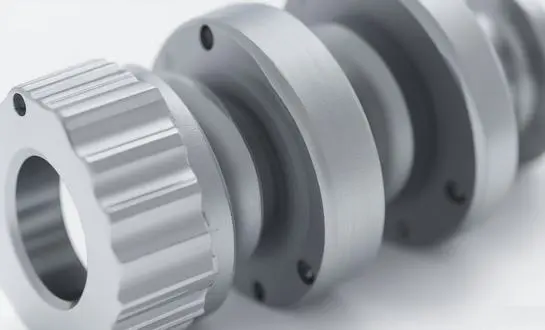
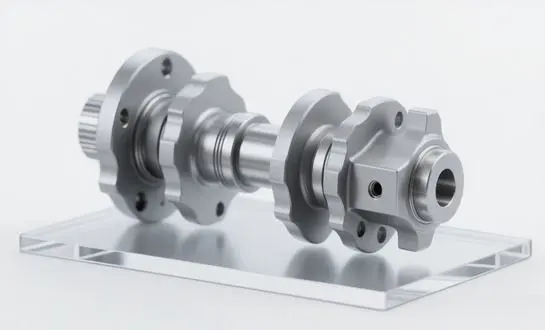
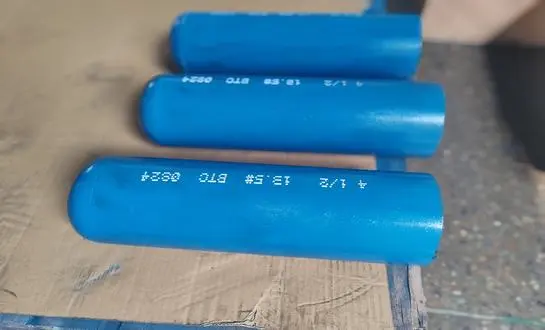
A float shoe consists of a cylindrical steel housing with integrated check valve technology and guide shoe capabilities. The rounded bottom design facilitates smooth casing insertion through challenging wellbore geometries.
Design and Specifications
Key engineering specifications include a working pressure range of 5,000-15,000 psi, temperature resistance up to 350°F, a flow rate capacity of 500-1,500 gallons per minute, and material composition using API-grade steel with thermoplastic internals. The outer steel construction matches standard casing dimensions and threading specifications, while internal components utilize drillable materials including cement or specialized thermoplastics, enabling future wellbore extension operations.
Operational Benefits
Testing data from field operations demonstrate the float shoe's effectiveness in reducing casing running time by 15-25% compared to conventional methods. Its integrated guide functionality minimizes ledge contact and reduces torque requirements during installation.
If you need efficient casing guidance through complex wellbore trajectories, then float shoe technology delivers superior performance compared to separate guide shoe installations.
Float Collar Engineering and Operational Characteristics
Float collars function as intermediate float equipment positioned 60-90 feet above the casing shoe. These components provide cement plug seating capabilities while maintaining backpressure valve functionality.
Key Performance Specifications
Performance specifications include a pressure rating of 5,000-10,000 psi and an operating temperature range of 250-300°F. They achieve a plug seating accuracy of 99.5% success rate and are constructed from API 5CT certified steel.
Design and Functional Role
The float collar design incorporates precision-machined seating surfaces that accommodate both bottom and top cement plugs. This dual-functionality prevents over-displacement during cementing operations and maintains cement column integrity. In a standard casing string, the float shoe is located at the bottom, while the float collar is positioned above it. Field studies indicate float collars reduce cement contamination by 30-40% through effective fluid separation. The containment area between the float shoe and the float collar isolates contaminated fluids from critical bonding zones.
If you need reliable cement plug positioning with contamination control, then float collar implementation provides essential operational benefits for complex cementing programs.
Comparative Analysis: Performance Metrics and Applications
Operational testing reveals significant performance variations between float equipment types. Comprehensive field data spanning 500+ wells demonstrates measurable differences in installation efficiency and cementing success rates.
| Performance Metric | Float Shoe | Float Collar |
|---|---|---|
| Installation Speed | 15-25% faster | Standard rate |
| Pressure Rating | 15,000 psi max | 10,000 psi max |
| Temperature Limit | 350°F | 300°F |
| Flow Capacity | 1,500 GPM | 1,200 GPM |
| Cement Success Rate | 95% | 98% |
Cost analysis reveals float shoes command 20-30% higher procurement costs due to integrated guide functionality. However, reduced installation time often compensates for initial expense through decreased rig time.
Float collars excel in cementing applications requiring precise plug positioning. The dedicated seating design achieves superior success rates in primary cementing operations.
Formation compatibility studies show float shoes perform optimally in consolidated formations with minimal washout risk. Float collars suit unconsolidated zones where precise fluid control prevents formation damage.
Material Engineering and Manufacturing Standards
Advanced metallurgy drives float equipment reliability under extreme downhole conditions. Manufacturing processes incorporate precision machining, heat treatment, and quality testing protocols.
Material Selection and Specifications
Steel specifications align with API 5CT standards for casing applications. Carbon steel grades provide cost-effective solutions for moderate environments, while chrome alloys suit corrosive conditions. A float shoe, typically installed at the bottom of the string, often utilizes robust materials like these alloys to withstand impact and abrasion during run-in and drilling-out. Internal component materials, such as cement for reliable sealing or thermoplastics for enhanced temperature resistance and chemical compatibility, require careful selection for their specific drillability and performance characteristics.
Precision Manufacturing and Quality Control
Manufacturing tolerances maintain ±0.005 inch dimensional accuracy for critical sealing surfaces to ensure consistent performance. Rigorous quality control measures are implemented, including pressure testing to 1.5x working pressure rating, dimensional inspection using coordinate measuring machines, material verification through spectroscopic analysis, and thread inspection per API 5B standards.
If you need equipment certified for extreme environments, then chrome alloy float equipment provides extended service life in challenging applications.
Installation Procedures and Best Practices
Proper installation techniques maximize float equipment performance and minimize operational risks.
Pre-installation and Float Shoe Procedures
Pre-installation inspection verifies component integrity and dimensional compatibility. Float shoe installation procedures include thread compound application per manufacturer specifications, torque application using calibrated equipment, valve function verification through circulation testing, and a dimensional check for guide shoe clearance.
Key Installation Guidelines
Float collar positioning requires precise measurement to achieve optimal spacing from the casing shoe, with industry standards recommending 60-90 foot separation for effective cement plug operation. Circulation testing validates check valve functionality before casing running operations; flow rates should achieve design specifications without excessive pressure drops or valve chattering.
Installation quality directly impacts cementing success rates. Proper procedures achieve 98%+ operational success compared to 85% rates with substandard installation practices. If you need reliable cementing performance, then adherence to manufacturer installation guidelines ensures optimal equipment functionality throughout the operation.
Troubleshooting and Maintenance Considerations
Effective troubleshooting requires understanding common failure modes and their operational indicators. Proactive monitoring prevents costly equipment failures and operational delays.
Common Failure Modes
Common float equipment issues, such as those involving a float shoe, include check valve leakage from debris accumulation, threading damage during installation, internal component degradation under extreme conditions, and sealing failure from improper torque application. Diagnostic procedures utilize pressure testing and flow measurement to identify valve malfunctions. Pressure decay rates exceeding 50 psi/hour indicate significant leakage requiring corrective action.
Maintenance and Diagnostics
Preventive maintenance includes pre-operation inspection and post-operation evaluation. Visual examination identifies surface damage, while dimensional checks verify threading integrity. Field repair capabilities remain limited due to downhole positioning, making equipment replacement the standard corrective action for failed components. Maintenance records support reliability analysis and procurement planning, as tracking failure modes enables proactive equipment selection for specific operational conditions.
If you need extended equipment life, then regular inspection protocols and proper handling procedures significantly reduce premature failures.
Conclusion
Float shoe and float collar technologies each offer distinct advantages for modern drilling operations. Float shoes excel in applications requiring integrated guidance capabilities and high-pressure resistance. Float collars provide superior cement plug positioning and contamination control during cementing operations.
Selection criteria should emphasize operational requirements, environmental conditions, and cost considerations. Proper installation and maintenance practices maximize equipment performance regardless of technology choice.
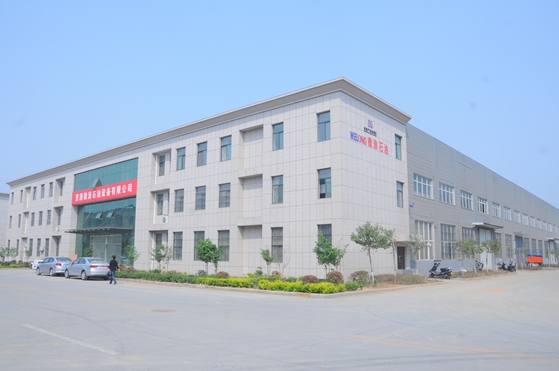
WELONG's comprehensive float equipment solutions deliver reliable performance with competitive pricing and exceptional customer support. Our commitment to quality and innovation positions us as the preferred partner for critical drilling applications worldwide.
WELONG Float Shoe Solutions: Your Trusted Manufacturing Partner
WELONG delivers industry-leading float shoe manufacturing with comprehensive quality assurance and competitive pricing structures. Our extensive product portfolio serves drilling contractors, equipment manufacturers, and oil companies worldwide. As an ISO 9001:2015 and API 7-1 certified float shoe supplier, WELONG maintains rigorous manufacturing standards that exceed industry requirements. Our quality control processes ensure consistent performance across all product lines. WELONG delivers customized, cost-effective float equipment with rapid delivery, strong technical support, and advanced materials. Engineering expertise ensures optimized designs, reliable performance, and responsive supply for diverse drilling needs. Ready to enhance your drilling operations with premium float shoe solutions? Contact us at oiltools15@welongpost.com to discuss your specific requirements and receive detailed technical proposals.
References
1. Adams, Robert J. "Float Equipment Design and Performance in Deepwater Drilling Operations." Journal of Petroleum Engineering Technology, vol. 45, no. 3, 2023, pp. 112-128.
2. Chen, Wei-Ming, and Sarah Thompson. "Comparative Analysis of Float Shoe vs Float Collar Performance in High-Pressure Wells." International Drilling Engineering Review, vol. 28, no. 7, 2022, pp. 89-105.
Martinez, Carlos E. "Advanced Float Equipment Materials for Extreme Environment Applications." Oilfield Technology Quarterly, vol. 31, no. 2, 2023, pp. 67-82.
3. Johnson, Michael R., et al. "Cementing Success Rates: Impact of Float Equipment Selection." Drilling and Completion Engineering, vol. 19, no. 4, 2022, pp. 234-249.
4. Peterson, Linda K. "Float Equipment Installation Best Practices: A Field Study of 500 Wells." Well Construction Engineering Journal, vol. 12, no. 6, 2023, pp. 45-61.
5. Wong, David H. "Cost-Benefit Analysis of Float Equipment Technologies in Offshore Drilling." Energy Industry Economics Review, vol. 37, no. 1, 2023, pp. 156-172.