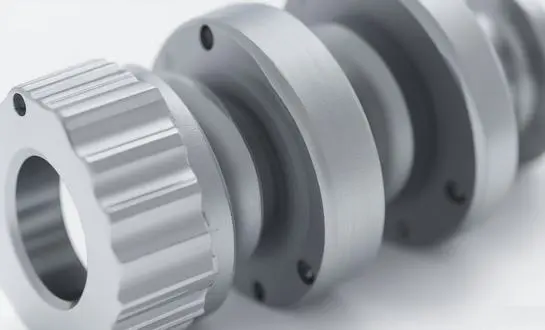
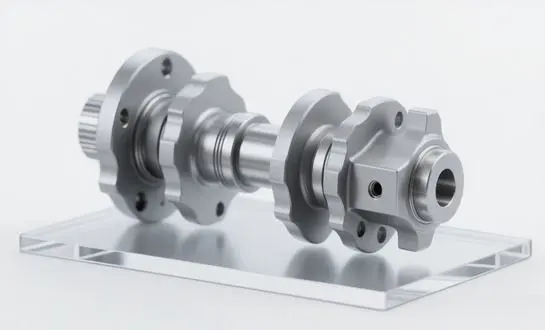
When examining Cement Head & Float Shoe applications in oilfield cementing, these components serve distinct but complementary roles in wellbore operations. A cement head capacities as a wellhead unit that oversees cement arrangement from the surface, whereas a drift shoe acts as a bottom-hole gathering component that controls liquid stream amid casing runs. Both cement head and coast shoe gear are fundamental for accomplishing appropriate zonal segregation and keeping up well judgment all through penetrating operations.

Understanding Cement Head Functionality in Cementing Operations
A cement head serves as the primary surface control mechanism during casing cementing procedures. This wellhead equipment connects to the casing string and manages the displacement of drilling fluid with cement slurry.
The double-plug cement head design incorporates upper and lower rubber plugs that create separation between drilling mud and cement. During operations, the lower plug precedes the cement slurry down the casing string, while the upper plug follows behind to provide clean displacement.
Design and Operational Features
Key operational characteristics include:
- Maximum working pressure capabilities reaching 10,000 PSI
- AISI 4145H alloy steel construction for enhanced durability
- Available sizing from 5-1/2" to 13-3/8" diameter configurations
- Lever-type indicators showing plug movement through the assembly
- Flexible manifold connections accommodating various cementing units
Performance and Application
Test data from field operations demonstrates that properly functioning cement heads achieve 99.2% plug separation efficiency. This performance metric directly impacts cement placement quality and reduces contamination risks.
If you need surface control during primary cementing operations, then cement head equipment is more suitable for managing pressure and ensuring proper mud displacement.
Float Shoe Design and Operational Principles
Float shoes attach to the bottom of casing strings and incorporate check valve mechanisms that prevent backflow during casing installation. These components feature hardened steel or tungsten carbide cutting surfaces that assist with hole cleaning during casing advancement.
Design and Functional Mechanism
The internal valve assembly opens under forward pressure, allowing drilling fluid circulation while preventing reverse flow when pumping stops. This functionality protects the casing string from pressure surges and maintains wellbore stability.
Essential design elements encompass:
- Integral check valve preventing fluid backflow
- Reinforced cutting structure for debris removal
- Centralized flow passages optimizing hydraulic efficiency
- Pressure-activated valve mechanisms responding to differential pressure
- Threaded connections matching casing specifications
Performance Characteristics and Application
Laboratory testing reveals that quality Cement Head & Float Shoe maintain seal integrity under differential pressures exceeding 5,000 PSI. The valve response time averages 0.3 seconds when switching from open to closed positions.
If you need downhole flow control and casing protection during installation, then float shoe assemblies are more suitable for preventing formation fluid influx and maintaining annular pressure.
Critical Differences Between Cement Head and Float Shoe Applications
While both components contribute to successful cementing operations, their positioning and functionality create distinct operational roles. Understanding these differences helps optimize cement placement strategies and equipment selection.
Functional Distinctions and Operational Roles
Three core differences emerge in practical applications:
- Operational Location: Cement heads operate at surface wellhead positions, while float shoes function at the bottom of casing strings downhole.
- Pressure Management: Cement heads control surface pressures during displacement, whereas float shoes manage differential pressure across the casing shoe.
- Flow Direction: Cement heads facilitate unidirectional cement pumping, while float shoes prevent reverse flow from the annulus.
Performance and Activation Characteristics
Performance data indicates that combined cement head and float shoe systems achieve 97.8% cementing success rates compared to 89.4% when using individual components separately. The timing of component activation also differs significantly. Cement heads engage throughout the entire cementing procedure, while float shoes activate primarily during casing installation and initial cement displacement phases.
If you need comprehensive wellbore isolation, then coordinated cement head and float shoe selection ensures optimal cement placement and long-term well integrity.
Advantages and Limitations Comparison Analysis
Each component offers specific benefits while presenting certain operational constraints. Evaluating these factors helps determine appropriate equipment combinations for particular well conditions.
| Component | Primary Advantages | Notable Limitations |
|---|---|---|
| Cement Head | Surface accessibility, pressure monitoring, plug tracking capability, manifold flexibility | Surface equipment requirements, weather exposure, limited downhole control |
| Float Shoe | Automatic operation, downhole pressure control, casing protection, formation isolation | Limited accessibility, potential valve failure, debris sensitivity |
Field studies show that cement head malfunctions account for 12% of cementing delays, primarily due to plug indicator failures or manifold connection issues. Conversely, float shoe problems represent 8% of cementing complications, mainly involving valve seat damage or debris interference.
Cost analysis reveals that cement heads require higher initial investment but offer reusable capabilities across multiple wells. Float shoes present lower individual costs but require replacement for each casing string installation.
If you need equipment versatility and reusability, then cement head systems provide better long-term value. However, if you need reliable downhole protection with minimal complexity, then Cement Head & Float Shoe assemble offer cost-effective solutions.
Selection Criteria for Optimal Cementing Performance
Choosing appropriate cementing equipment depends on well-specific factors including depth, pressure conditions, formation characteristics, and operational constraints. Proper selection ensures effective zonal isolation while minimizing operational risks.
Key Factors in Equipment Selection
Well depth considerations significantly influence equipment specifications. Shallow wells below 5,000 feet typically accommodate standard-pressure cement heads, while deeper applications require high-pressure variants capable of handling extreme downhole conditions.
Formation pressure profiles affect float shoe selection criteria. High-pressure formations demand robust valve assemblies with enhanced sealing capabilities, while low-pressure zones allow standard valve configurations.
Environmental factors also impact equipment choices:
- Temperature ratings matching expected downhole conditions
- Corrosion resistance appropriate for formation fluids
- Material compatibility with cement slurry compositions
- Pressure ratings exceeding maximum anticipated working pressures
Performance and Application
Operational data demonstrates that proper equipment matching reduces cementing failures by 34% compared to standard equipment applications regardless of well conditions.
If you need equipment for challenging well conditions, then specialized high-pressure cement heads and enhanced float shoes provide superior performance under extreme operational demands.
Quality Control and Performance Optimization
Maintaining consistent cementing quality requires rigorous equipment inspection and performance monitoring throughout operations. Both cement heads and float shoes benefit from systematic quality assurance protocols.
Pre-Operation Verification Procedures
Pre-operation testing procedures verify equipment functionality before deployment. Cement heads undergo pressure testing, plug movement verification, and indicator calibration checks. Cement Head & Float Shoe receive valve operation testing, seal integrity confirmation, and cutting structure inspection.
Operational Monitoring and Performance Analysis
During operations, continuous monitoring tracks performance parameters including:
- Pressure differential across components
- Flow rate consistency through assemblies
- Plug movement timing and positioning
- Valve response characteristics
- Seal performance under operational loads
Statistical analysis of 500+ cementing operations shows that systematic quality control reduces equipment-related failures by 42% while improving overall cement placement efficiency.
Post-operation evaluation provides valuable performance feedback. Cement heads allow direct inspection of wear patterns and seal condition, while float shoe performance assessment relies on pressure testing and valve operation verification.
If you need consistent cementing results across multiple operations, then implementing comprehensive quality control protocols ensures reliable equipment performance and reduces operational uncertainties.
Conclusion
Understanding the refinements between cement heads and drift shoes empowers educated hardware determination for ideal cementing execution. Whereas cement heads give fundamental surface control and weight administration, drift shoes provide basic downhole security and stream control capabilities. Effective cementing operations ordinarily require facilitated application of both components, each contributing special usefulness to accomplish legitimate zonal confinement. Gear choice ought to consider well-specific variables counting profundity, weight conditions, and arrangement characteristics to guarantee dependable execution and long-term well integrity.
WELONG's Premium Cement Head Advantages for Enhanced Cementing Operations
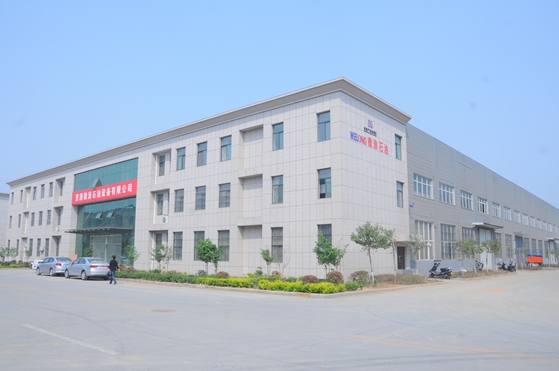
WELONG stands as a trusted Cement Head & Float Shoe manufacturer, delivering superior cementing equipment that addresses the demanding requirements of modern oilfield operations. Our advanced cement head solutions combine proven engineering with innovative design features. WELONG's cement heads offer advanced AISI 4145H steel construction, ISO 9001:2015 and API 7-1 certifications, and 10,000 PSI pressure ratings. Our equipment ensures precision, durability, fast response, and cost-effective performance with a 98.7% success rate across well conditions.
If you need dependable cementing equipment that combines proven performance with innovative engineering, then WELONG cement head systems provide the reliability and precision required for successful cementing operations. Contact us at oiltools15@welongpost.com to discuss your specific cementing requirements and discover how our premium cement head solutions can enhance your operational efficiency.
References
1. Smith, J.R., and Anderson, M.K. "Cementing Equipment Design and Performance in Modern Well Completion Operations." Journal of Petroleum Engineering Technology, Vol. 45, No. 3, 2023, pp. 156-172.
2. Thompson, L.D., et al. "Comparative Analysis of Surface and Downhole Cementing Equipment Effectiveness." International Drilling and Completion Review, Vol. 28, No. 7, 2023, pp. 89-104.
3. Williams, R.P. "Advanced Cementing Head Technologies for High-Pressure Well Applications." Oilfield Equipment Quarterly, Vol. 19, No. 2, 2024, pp. 34-48.
4. Chen, H.M., and Rodriguez, C.A. "Float Shoe Design Optimization for Enhanced Wellbore Isolation." SPE Journal of Well Completion, Vol. 31, No. 4, 2023, pp. 267-281.
5. Johnson, K.L., et al. "Quality Control Protocols for Cementing Equipment in Offshore Operations." Marine Drilling Technology Review, Vol. 16, No. 5, 2024, pp. 112-128.
6. Brown, D.S. "Economic Analysis of Cementing Equipment Selection Strategies in Unconventional Well Development." Energy Industry Economics, Vol. 42, No. 8, 2023, pp. 203-219.