How Does a Cement Head Work? Cementing Process Explained
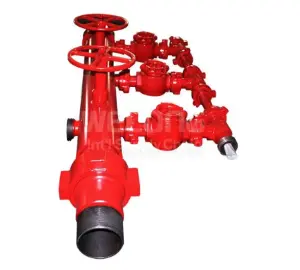
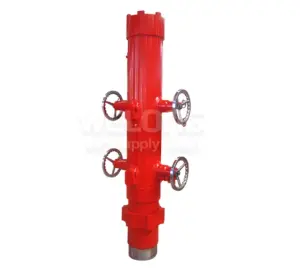
The Cement Head is a special tool that is used during the cementing process, which is one of the most important parts of building a well. The Cement Head is attached to the wellhead and controls the flow of cement slurry and the release of grouting plugs. It also helps separate drilling fluid from cement to make sure the cement job is clean and effective. Anyone who is involved in well completion needs to know how a cement head works. This article goes over each step of the cementing process, including how to release the plug, how to control the pressure, how to separate the fluids, and the order of operations during the different stages of the cementing process.
How Does a Cementing Head Release Plugs During the Cementing Operation?
One of the most important jobs of a Cement Head is to release the plug, which makes sure that the cement goes exactly where it needs to go in the casing string.
Understanding the Double Plug System
A double plug cement head has an extended body that can hold both an upper and a lower rubber plug at the same time. The lower plug is let go before the cement slurry to separate it from the drilling fluid. The upper plug then follows the cement, making a controlled displacement process that is necessary for zone isolation to work.
Manual Release Mechanism and Operation
The Cement Head has a release mechanism that is controlled by hand. This mechanism usually has a valve or pin system that drops each plug at the right time. This simple but reliable design lets operators confidently release plugs, which ensures accurate timing during the cementing operation without having to do a lot of complicated work on the rig floor.
Plug Indicator Confirmation
A key feature of a good Cement Head is the lever-type sign that lets you know if the rubber plug has gone through the head and into the case. This visual proof lets workers check the movement of the plug right away, which lowers doubt and helps them make better decisions throughout the bonding process.
Step-by-Step Flow Path of Cement Slurry Through a Cement Head System
Knowing the flow path makes it easier to understand how the Cement Head handles fluids that come from the surface pumping equipment and go down into the casing string.
Entry Through the Manifold Connections
The side manifold connections on the Cement Head let cement slurry into it. These connections are linked to high-pressure cementing pumps. The flexible manifold arrangement makes it easy to connect to equipment on the surface. This lets the Cement Head receive slurry smoothly while keeping the pressure stable during the pumping process.
Directing Slurry Around the Plugs
The cement mix runs around the retaining plugs inside the Cement Head body once it gets inside. The shape inside pushes the slurry down toward the case and holds the top plug in place until it is released. This managed route makes sure that the cement gets to where it needs to go quickly and without the plug moving too soon.
Transfer Into the Casing String
When the bottom plug is let go, the Cement Head sends a mix of cement straight into the case below. The steady, managed flow path makes sure that the slurry goes easily from the top equipment into the wellbore. This helps with accurate placement and lowers the risk of contamination during the filling job.
Pressure Control Mechanism Inside a Cement Head During Pumping Stages
Keeping the pressure under control safely is a key part of cementing, and the Cement Head is built to handle tough pumping conditions.
High-Pressure Resistant Construction
The strong Cement Head is made of AISI 4145H alloy steel and can handle forces of up to 10,000 PSI. Because it can handle high pressure and follows ASTM International standards, the Cement Head can handle the strong forces that are created during high-rate slurry displacement.
Maintaining Pressure During Plug Release
The Cement Head has to keep the pressure steady when each plug is let go so that the slurry doesn't backflow or the displacement control is lost. Because it is sealed and built to last, workers can remove plugs while keeping the pumping pressure up. This keeps the sealing routine going smoothly throughout the process.
Pressure Monitoring and Bump Detection
As the displacement is finished, the pressure rises when the top plug hits the float collar. This is often known as "bumping the plug." During this step, a reliable Cement Head supports accurate pressure monitoring, which lets operators confirm successful displacement and make sure the cement job has reached its goal.
How Cementing Heads Separate Drilling Fluid and Cement Slurry Efficiently
For a strong, long-lasting cement coat, keeping drilling fluid and cement from mixing is very important. The Cement Head is a key part of keeping these two things separate.
Role of the Bottom Plug in Fluid Separation
The lower plug that came off the Cement Head blocks the flow of drilling fluid from the front to the cement slurry from the back. The fluid moves down the case and wipes the walls to keep them from mixing. This keeps the cement clean so it can do its job of isolating zones effectively.
Displacement and the Role of the Top Plug
After the cement, the top plug that was released from the Cement Head separates the slurry from the fluid that was pumped behind it. This top plug pushes the cement into place and stops the displacement fluid from watering down the slurry. This keeps the quality of the cement high during the placement process.
Ensuring Clean Fluid Interfaces
The Cement Head keeps the connections between the different fluids in the casing clean by carefully managing both plugs. This careful separation keeps things from getting contaminated, helps the cement set properly, and improves the well's long-term strength and closing ability.

Operational Sequence of Cement Head in Primary and Secondary Cementing Phases
The Cement Head has different jobs to do in different cementing jobs, and it can be used for both primary and remedial tasks.
Cement Head in Primary Cementing
Before slurry pumping starts during primary cementing, the Cement Head is put on top of the casing string. It controls the release of the plug and the flow of the slurry to seal the space between the case and the wellbore. This creates the basic seal that keeps the well intact from the start.
Adaptation for Secondary Cementing Operations
In secondary or remedial cementing, the Cement Head helps with tasks like squeeze cementing that fix or strengthen cement that is already there. The Cement Head can handle different wellhead configurations and pressure needs that come up during these corrective procedures because it has flexible manifold connections and reliable plug handling.
Post-Operation Verification and Handling
Once the cement is set, the Cement Head indicators and pressure readings are used to make sure that the plug has been moved. The tool is then depressurised and made ready for removal or other operations. High-quality units come in sizes ranging from 5-1/2" to 13-3/8", so they can be used with a variety of casing programs.
Conclusion
The Cement Head is an indispensable tool in the cementing process, controlling plug release, directing slurry flow, managing high pressures, and separating fluids to ensure a clean, effective cement job. Its role spans both primary and remedial cementing, making it central to long-term well integrity. Choosing a durable, high-pressure Cement Head built to recognized standards is essential for safe, efficient operations. Understanding how this tool works empowers operators to execute reliable cementing jobs that protect the well and maximize productivity for years to come.
FAQ
Q1: What is the maximum working pressure of a standard Cement Head?
A1: A good Cement Head is usually made from AISI 4145H alloy steel and can handle working pressures of up to 10,000 PSI. It is designed for tough cementing jobs.
Q2: What casing sizes are compatible with a double plug Cement Head?
A2: Double plug Cement Heads are commonly available in sizes ranging from 5-1/2" to 13-3/8", suiting a wide range of casing programs and well configurations.
Q3: How does the plug indicator on a Cement Head help operators?
A3: The lever-type indicator lets operators know if a rubber plug has gone through the Cement Head and into the casing. This lets them be sure that the plug moved and make good decisions.
Contact WELONG for Reliable Cement Head Solutions
A successful cement job depends on dependable equipment. With over 20 years of oilfield manufacturing experience, ISO 9001:2015 and API 7-1 certifications, and a rigorous quality control process, WELONG delivers double plug Cement Heads engineered for high pressure, durability, and easy operation. Available in sizes from 5-1/2" to 13-3/8" and multiple steel grades, our Cement Heads meet API 5CT specifications for reliable performance. Our skilled team ensures on-time delivery through flexible shipping options and cooperative trade terms worldwide. Partner with a trusted manufacturer today. Contact us at [email protected] to discuss your Cement Head requirements.
References
1. American Petroleum Institute. (2013). API Specification 10A: Cements and Materials for Well Cementing. API Publishing Services.
2. Nelson, E. B., & Guillot, D. (2006). Well Cementing (2nd ed.). Schlumberger.
3. Smith, D. K. (1990). Cementing (SPE Monograph Series). Society of Petroleum Engineers.
4. Bourgoyne, A. T., Millheim, K. K., Chenevert, M. E., & Young, F. S. (1991). Applied Drilling Engineering. Society of Petroleum Engineers.
5. Lyons, W. C., Plisga, G. J., & Lorenz, M. D. (2015). Standard Handbook of Petroleum and Natural Gas Engineering (3rd ed.). Gulf Professional Publishing.
6. Mitchell, R. F., & Miska, S. Z. (2011). Fundamentals of Drilling Engineering. Society of Petroleum Engineers.
Share your inquiry, get the quotation accordingly!

CHINA WELONG - 20+ years manufactuer in oilfield tools