What is a Choke and Kill Hose in Oil Drilling?
The Choke Hose is one of the most important safety parts in oil and gas drilling because of the high pressure and high risk. This special bendable tube is at the center of the well control system. It lets drillers control the pressure inside the wellbore, move out unwanted formation fluids, and stop disastrous blowouts. Any operator, engineer, or procurement professional who works in modern drilling needs to know what a Choke and Kill Hose is, how it is made, why it is different from regular high-pressure hoses, and how it works with blowout preventers. This piece breaks down what it is, how it's made, what it does, and how it works in oilfield systems.
Definition and Core Purpose of Choke Hose in Drilling Well Control Systems
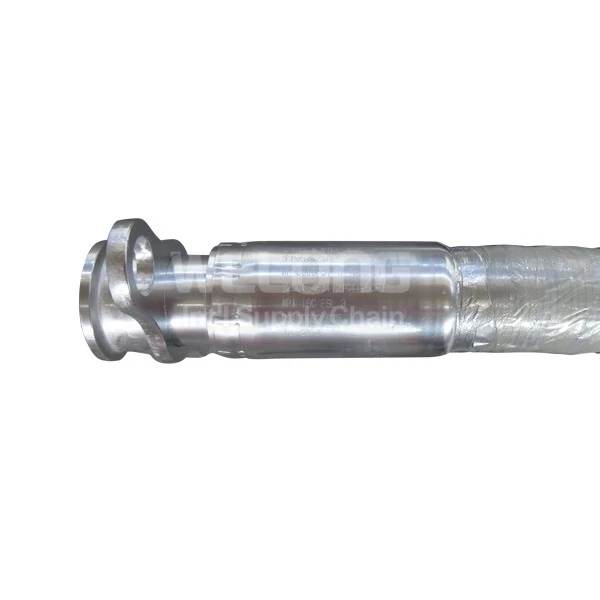
The choke hose is one of the most specialised parts in oilfield well control. It is made to withstand high pressures while still allowing rig parts to move freely. It does a lot more than just move fluids around.
What Exactly Is a Choke and Kill Hose?
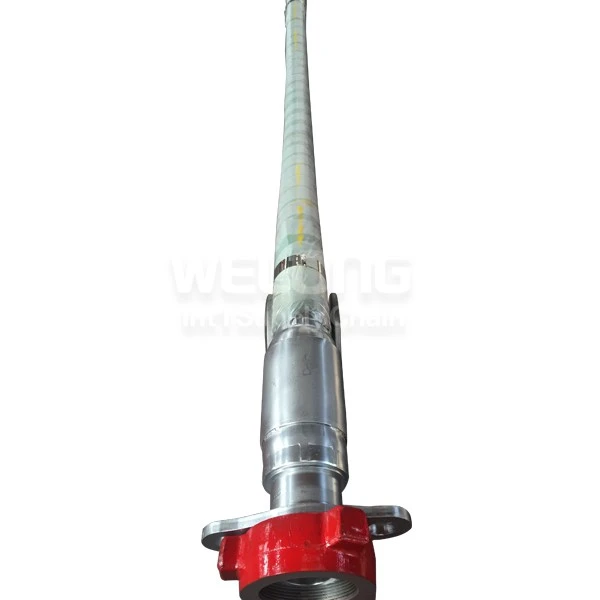
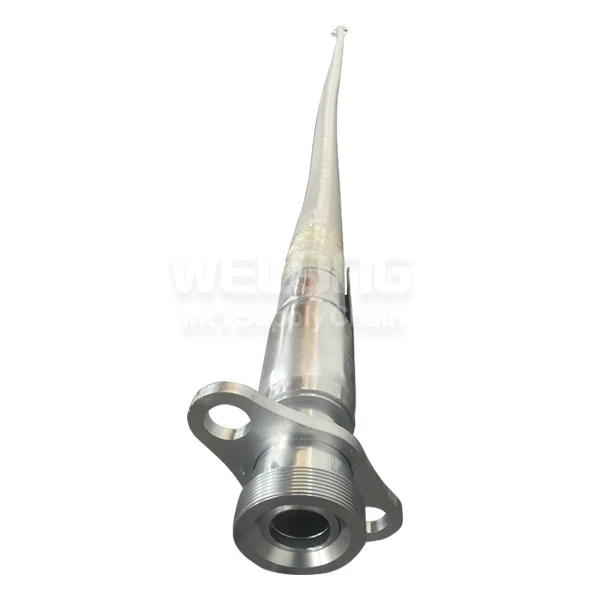
It is used to connect the blowout preventer (BOP) stack to the choke and kill pipe. The choke hose is bendable and under a lot of pressure. In harsh conditions, it moves drilling mud, kill fluids, or formation influx, and it's an important safety path during well control emergencies when rigid pipes can't allow movement.
Primary Purpose in the Well Control System
During pressure events, the Choke Hose's main job is to move wellbore fluids away from the BOP and toward controlled circulation equipment. It lets operators safely release pressure, move kill mud around, and restore hydrostatic balance in the well, which keeps people, equipment, and the environment safe.
Where It Is Typically Deployed
Choke Hoses are used on drillships, land rigs, and semisubmersible drilling platforms. The Choke Hose is a flexible link between moving structures that can be used for both surface and offshore BOP designs. It can adjust to platform movement while keeping the pressure stability needed for important well operations.
How Choke Hose Fits Into the Blowout Prevention and Emergency Circulation Loop
To appreciate why the Choke Hose matters, it must be viewed as part of a larger emergency response ecosystem rather than a standalone piece of equipment.
Integration with the Blowout Preventer Stack
You can connect the choke hose straight to the BOP stack's ports. This lets pressurised wellbore fluids exit in a controlled way. When the rams close around the drill string, the Choke Hose is the main way that pressure is released safely and gradually, instead of building up and becoming uncontrollable.
Role in the Emergency Circulation Loop
Normal mud flow through the drill string may not work during a kick event. The Choke Hose creates an extra way for fluids to flow, so kill-weight mud can be pumped down while formation fluids are safely sent to the choke connection. To get back in control of the well, this closed-loop process is very important.
Coordination with Choke and Kill Manifolds
Fluids leave the BOP through the Choke Hose and enter the choke manifold. There, flow and pressure are controlled by chokes that can be moved. The kill line does the opposite and pumps fluids into the well. Both lines depend on the dependability of Choke Hose to do pressure control tasks in a safe and accurate way.
Key Design Features That Differentiate Choke and Kill Hoses from Standard High-Pressure Hoses
A Choke tube is not always a high-pressure tube. The engineering demands on these parts are very high, and they need to be built in a very specific way.
Superior Pressure and Temperature Ratings
It is designed so that a choke hose can work in temperatures ranging from -25°C to +121°C and working pressures of up to 20,000 psi. It also has a fire resistance of 30 minutes at 704°C, which means it will stay intact during a fire. These are performance levels that are much higher than those of regular industrial hoses used in oilfield settings.
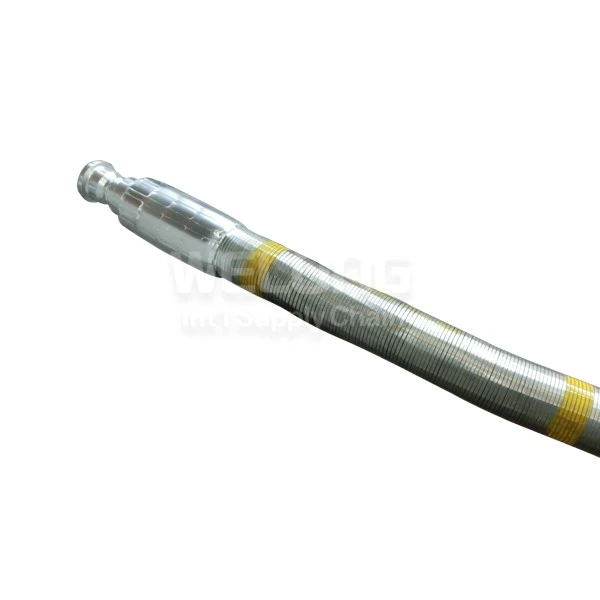
Most choke hoses are made of either strong, wear-resistant covers or armour made of stainless steel. They come in sizes from 2" to 4". Importantly, they are made to work with H2S and don't corrode easily like regular hoses would when exposed to sour gas. Strict industry standards are used to choose materials that will last for a long time in harsh downhole circumstances.
Compliance with International Quality Standards
Manufacturers producing reliable Choke Hoses operate under rigorous certifications such as ISO 9001:2015 and API 7-1. These frameworks, including guidance available through the ISO 9001:2015 certification, ensure consistent quality management and traceable production processes, giving operators confidence that each Choke Hose meets stringent oilfield performance requirements.
Managing wellbore pressure is the most important part of safe drilling, and the choke hose is the most important tool for doing that.
Controlling Pressure Kicks and Influxes
It is very important to keep the pressure down quickly when formation fluids suddenly enter the wellbore. This is called a "kick." With the Choke Hose, workers can carefully direct the flow to the surface, providing the right amount of back pressure to stop the kick from turning into a full blowout with disastrous results.
Enabling Safe Kill Operations
For well killing to work, heavy mud must be carefully moved around to overcome the pressure of the formation. The Choke Hose makes this operation easier by providing the flexible, pressure-rated path needed to keep the flow going even when the drill string route is blocked. This lets engineers carefully restore hydrostatic balance.
Protecting Personnel, Equipment, and the Environment
A Choke Hose that is properly sized is the first line of defence for rig workers, equipment investments, and the ecosystems around the rig. It keeps extreme pressures and dangerous fluids contained, which stops the damage to the environment and the deaths that can happen when wells go off without being controlled. This makes it an essential part of safe drilling operations.
Basic Operational Workflow Showing How Choke Hose Functions in Oil Drilling Systems
By understanding the steps a choke hose goes through to work, you can better understand why its performance is so important in the field.
Normal Drilling Conditions
In normal drilling conditions, mud moves down the drill string and comes back up through the annulus. The choke hose stays ready, under pressure and being watched, but it's not actively moving fluid. Its readiness is constantly checked by performing regular BOP tests and pressure checks as required by the drilling program.
Response During a Kick Event
The BOP is closed and the choke hose starts working when a kick is detected. Formation fluids are sent through the hose and into the choke pipe. There, pressure is gradually lowered by movable chokes. This managed bleed-off stops dangerous surface leaks while experts figure out what's going on.
Well Kill and Post-Event Verification
Once the kick is under control, the kill line moves kill-weight mud through the well, and the choke hose handles the returns. Once the well is stable, the Choke Hose is checked for damage, put back into service, and its readiness for future operations is confirmed.
Conclusion
The Choke Hose is far more than a flexible pipe—it is a mission-critical safety component that stands between controlled drilling and catastrophic well failure. Engineered for extreme pressures, aggressive fluids, and demanding environments, it plays an indispensable role in blowout prevention, kick management, and well kill operations. Selecting a high-quality Choke Hose from a trusted, certified manufacturer is one of the most important procurement decisions any drilling operator can make. Investing in reliable well control equipment today protects lives, assets, and reputations tomorrow.
FAQ
Q1: What is the maximum working pressure of a standard Choke Hose?
A1: A good Choke Hose can be made to withstand working pressures of up to 20,000 psi, and it can be changed to fit the needs of the operator and the conditions of the well.
Q2: Can a Choke Hose be used in H2S sour service environments?
A2: Yes, choke hoses are made to work with sour gas. They are made of materials that don't rust and stay together even when they're exposed to it in harsh drilling environments.
Q3: What sizes are Choke Hoses typically available in?
A3: Standard Choke Hoses come in sizes from 2 inches to 4 inches and can have either a stainless steel armour or a wear-resistant cover to fit different drilling needs.
Contact WELONG for Reliable Choke Hose Solutions
When it comes to well control safety, compromise is not an option. With over 20 years of manufacturing experience, ISO 9001:2015 and API 7-1 certifications, and a proven quality control process, WELONG delivers Choke Hoses engineered for the most demanding drilling environments worldwide. Whether you need standard configurations or fully customized solutions, our skilled production team ensures on-time delivery through flexible shipping options including sea, air, and railway. Partner with a manufacturer trusted by global oilfield operators. Contact us today at [email protected] to discuss your Choke Hose requirements and receive expert technical support.
References
1. American Petroleum Institute. (2020). API Specification 16C: Choke and Kill Equipment. API Publishing Services.
2. Grace, R. D. (2017). Blowout and Well Control Handbook (2nd ed.). Gulf Professional Publishing.
3. International Association of Drilling Contractors. (2019). IADC Deepwater Well Control Guidelines.
4. Watson, D., Brittenham, T., & Moore, P. L. (2003). Advanced Well Control. Society of Petroleum Engineers.
5. Aadnoy, B. S., & Looyeh, R. (2019). Petroleum Rock Mechanics: Drilling Operations and Well Design (2nd ed.). Gulf Professional Publishing.
6. Rehm, B., Schubert, J., Haghshenas, A., Paknejad, A. S., & Hughes, J. (2013). Managed Pressure Drilling. Gulf Publishing Company.
Share your inquiry, get the quotation accordingly!
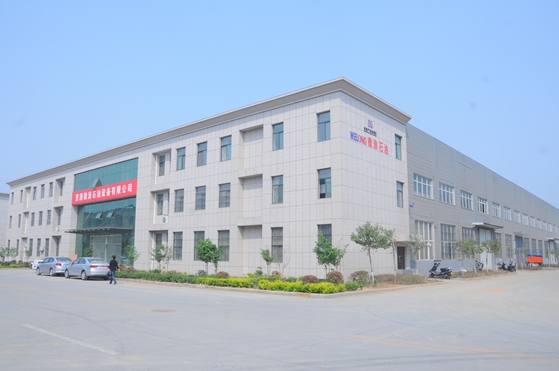
CHINA WELONG - 20+ years manufactuer in oilfield tools