How Long Does Drill Pipe Last in Oil Drilling Operations?
Depending on operational conditions, material quality, and maintenance, drill pipe lasts 500–2,000 hours. Formation hardness, drilling depth, ambient conditions, and steel grade affect longevity. In harsh drilling conditions, premium drill pipe like S135 grade steel can last longer than common grades. Operators can optimize procurement and replacement schedules by understanding these aspects.

Understanding Drill Pipe Lifespan in Oil Drilling Operations
Operating expenses and project success in the oil and gas industry depend on drilling equipment lifetime. Multiple factors impact how long these important components last in harsh drilling settings.
Key Factors Affecting Service Life
Material quality is the main factor in drilling equipment lifespan. Tensile strength and fatigue resistance vary in high-strength steel grades like E75, X95, G105, and S135. Manufacturing is also important, with seamless construction offering better structural stability than welded alternatives.
Equipment longevity is greatly affected by operational stressors. Pipes are loaded with tension, compression, torsion, and bending during drilling. The intensity of these stresses varies on well depth, directional drilling needs, bit weight, and rotational speed.
Environment makes equipment durability harder. Carbon dioxide and hydrogen sulfide corrosive forms increase material deterioration. Extreme temperatures in deepwater or geothermal applications effect material and fatigue attributes. Mechanical wear from abrasive formations lowers wall thickness and weakens structures.
Typical Lifespan Ranges and Measurement Methods
Equipment service life varies widely by application, according to industry data. In benign formations, onshore drilling can last 1,500 to 2,000 hours, but offshore settings can limit service life to 500 to 800 hours. Many deepwater applications with high pressures and temperatures fall below this range.
Operators estimate service life by drilling hours, footage drilled, and travels. Multi-metric analysis of equipment consumption helps determine appropriate replacement schedule. Using cumulative fatigue damage monitoring, advanced tracking systems enable predictive maintenance plans that enhance asset usage and safety margins.
Drill Pipe Materials and Their Impact on Durability
Drilling equipment performance and longevity, particularly with regard to drill pipe, depend on material selection. Knowledge of steel grades and manufacturing processes aids procurement decisions.
Steel Grades and Performance Characteristics
Carbon steel grades meet drilling strength requirements. E75 grade is suitable for shallow to intermediate depth wells in non-corrosive situations with 75,000 psi minimum yield strength. This grade is cost-effective for operators who value initial procurement over service life.
For demanding applications, alloy steel grades perform better. X95 grade has 95,000 psi minimum yield strength and better fatigue resistance than carbon steel. G105 grade exceeds this with 105,000 psi yield strength for deeper wells and difficult formations.
S135 is the pinnacle of drilling equipment metallurgy. These materials perform well in deepwater, high-pressure, and corrosive conditions due to their 135,000 psi minimum yield strength and fatigue resistance. Extended service life and lower replacement frequency justify increased procurement costs due to improved performance.
Manufacturing Process Impact on Durability
Seamless production generates uniform pipes without longitudinal seams that could cause fatigue. High-cycle drilling requires outstanding mechanical qualities and fatigue resistance, which this method provides. In severe applications, seamless pipes last 20-30% longer than welded ones.
Material characteristics are optimized for specific purposes by heat treatment. Microstructure strength and hardness are balanced by quenching and tempering. Heat treatment promotes constant mechanical qualities throughout the pipe body, reducing weak points that could fail.
Maintenance and Inspection Practices to Maximize Drill Pipe Life
Systematic maintenance and inspection procedures enhance equipment life and ensure safety. These procedures detect wear and damage early, allowing for intervention before catastrophic failure.
Inspection Protocols and Technologies
Visual examination underpins equipment monitoring procedures. Trained professionals check pipe bodies, tool joints, and connections for wear, corrosion, and mechanical damage. This basic inspection method finds evident faults and guides further investigation of questionable areas.
Non-destructive testing technologies evaluate interior pipe condition. Electromagnetic inspection finds pipe body wall thickness loss, pitting, and cracks. Ultrasonic testing checks material integrity and finds subsurface faults. Magnetic particle inspection finds tool joint and connector surface and near-surface cracks.
Thread measuring guarantees makeup torque and connection integrity. Joint strength and sealing are compromised by worn threads, which can cause washouts or mechanical failure. Regular thread inspection and refurbishing prolong string life and reliability.
Corrosion Prevention Strategies
Protective coatings greatly minimize corrosion in harsh conditions. Advanced coating technologies like TK34 and TK34P defend against corrosive fluids while retaining drilling flexibility. The coatings can improve service life by 40-60% in slightly corrosive situations.
Through fluid treatment, chemical inhibition programs control corrosion. Corrosion inhibitors neutralize aggressive species in drilling fluids, slowing metal surface assault. Choose and monitor inhibitors to protect drilling without interfering.
Cathodic protection systems manage subsea corrosion electrochemically. These methods prevent corrosion by maintaining metal surface electrical potential. With adequate coatings, cathodic protection can greatly lengthen seawater equipment life.
Comparison of Drill Pipe Types and Their Lifespan Implications
Equipment choice, particularly the selection of drill pipe, affects operational performance and total cost of ownership (TCO). Pipe type features and service life consequences help improve purchase decisions.
Premium vs. Standard Grade Performance
Advanced materials, production techniques, and quality assurance programs are typical of premium drilling equipment. These pipes last 50-100% longer than ordinary grades, justifying higher initial costs by reduced replacement frequency and enhanced operational reliability.
For applications that prioritize cost over service life, standard grade equipment is used. These pipes may need to be replaced more often, but their cheaper procurement cost can assist short-term projects or operations in benign conditions where premium performance is unnecessary.
The total cost of ownership study should include pipe prices, handling, transportation, and downtime from periodic replacements. Despite increased initial expenditure, premium equipment often outperforms in challenging situations.
Connection Technology and Wear Resistance
Upset connections spread stress better than straight ones, lowering crucial fatigue. Utility joints with upset geometry can enhance pipe life by 30-50% over straight versions. The extra material in disturbed areas allows for repeated handling and rotation.
Hardbanding solutions like Arnco 100XT and 300XT protect drilling tool joints. These wear-resistant coverings can increase tool joint life by several hundred percent in abrasive conditions. Wear prevention and casing preservation are balanced in hardbanding selection to maximize drilling economics.
Premium threads, metal-to-metal sealing, and stress dispersion are used in advanced connection designs. These solutions improve connection reliability and service life, which is crucial for difficult applications where connection failure could harm fishing operations.
Procurement Considerations for Choosing Long-Lasting Drill Pipe
Strategic procurement balances short-term expense with long-term return. For optimal drilling operations, purchase decisions incorporate supplier capabilities, product quality, and lifetime costs.
Supplier Evaluation and Quality Assurance
Quality management and supplier certification provide product reliability and uniformity. API certification assures materials, production, and testing criteria are met. ISO certification shows systematic quality management and ongoing development.
Manufacturing capability evaluation assesses supplier delivery and quality performance. Experienced vendors reduce procurement risks and provide reliable supply chain support. Engineering support and technical experience provide bespoke solutions for difficult applications.
Product quality is maintained by manufacturing quality control. Final inspection ensures specification conformity, while in-process inspection monitors crucial production parameters. Third-party inspections verify and document important applications.
Total Cost of Ownership Analysis
Lifecycle cost modeling includes all equipment ownership and operation costs. Initial acquisition, transportation, handling, maintenance, and replacement costs are considered in this research. High-end equipment generally outperforms cheaper models in total ownership expenses.
Service life prediction algorithms optimize inventory management and replacement time. To estimate equipment lifecycle, these models use operating factors, ambient conditions, and previous performance data. Accurate projections cut emergency replacement costs and enable proactive buying.
Bulk purchase can reduce costs and maintain inventory levels. Large-scale businesses benefit from volume discounts, freight optimization, and lower transaction costs. Inventory carrying costs and obsolescence must be weighed against procurement savings.
WELONG's 20 years of manufacturing experience helps operators optimize procurement. Our API SPEC 5DP-compliant equipment comes in grades E75, X95, G105, and S135, and ranges from 2 3/8" to 6 5/8". Advanced coatings like TK34 and TK34P and premium hardbanding like Arnco 100XT and 300XT extend service life in demanding situations. Our strict quality control ensures equipment performance and reliability throughout its lifecycle.
Conclusion
Oil drill pipe service life depends on material quality, operational conditions, and maintenance. Premium materials and manufacturing procedures prolong equipment life, while rigorous inspection and maintenance maximize asset use. Strategic buying decisions based on total cost of ownership rather than initial price maximize long-term value. By understanding these aspects, operators may optimize equipment selection and replacement for efficiency and cost control.
FAQ
1. How can I determine when drill pipe needs replacement?
Monitor key wear indicators including wall thickness measurements, visual inspection for cracks or corrosion, and thread condition assessment. Non-destructive testing reveals internal defects, while cumulative fatigue tracking helps predict remaining service life. Replace equipment when wear limits are approached or when inspection reveals significant defects that could compromise operational safety.
2. What warranty coverage is typical for drilling equipment?
Warranty periods typically range from 12 to 24 months, depending on supplier and equipment specifications. Coverage generally includes manufacturing defects and material quality issues, while operational wear falls outside warranty scope. Premium suppliers often provide extended warranty options and comprehensive technical support throughout the equipment lifecycle.
3. How do advanced coatings extend equipment service life?
Advanced coating systems like TK34 and TK34P create barrier protection against corrosive fluids and mechanical wear. These coatings can extend service life by 40-60% in corrosive environments by preventing direct contact between aggressive fluids and base metal. Proper coating selection and application are critical for achieving maximum protection benefits.
Partner with WELONG for Premium Drill Pipe Solutions
With our extensive drill pipe manufacturing capabilities and persistent dedication to quality, WELONG, as a reliable drill pipe manufacturer, provides outstanding value. Our talented production team supports variable terms from FOB to DDP and guarantees on-time delivery with a variety of transportation choices, including sea, air, and railway. We ensure dependable performance with strict inspection services that include in-process and final quality verification, as well as third-party inspection capabilities through SGS and DNV partnerships. To discuss your unique needs and learn how our tried-and-true drill pipe solutions can maximize your drilling operations while reducing expenses, get in touch with our knowledgeable staff at oiltools15@welongpost.com.
References
1. American Petroleum Institute. "Specification for Drill Pipe - API SPEC 5DP." 2020 Edition.
2. Bradley, H.B., et al. "Petroleum Engineering Handbook: Drilling Engineering." Society of Petroleum Engineers, 2017.
3. Mitchell, R.F. "Advanced Drilling Engineering: Principles and Designs." Gulf Professional Publishing, 2019.
4. Payne, M.L. "Advanced Casing Design and Installation Techniques." Journal of Petroleum Technology, Vol. 72, 2020.
5. Rahman, K. "Drill String Mechanics and Fatigue Analysis." International Association of Drilling Contractors Technical Report, 2021.
6. Zhang, L. "Materials Science and Engineering Applications in Oil and Gas Drilling." Energy Engineering Journal, Vol. 118, 2021.

Share your inquiry, get the quotation accordingly!
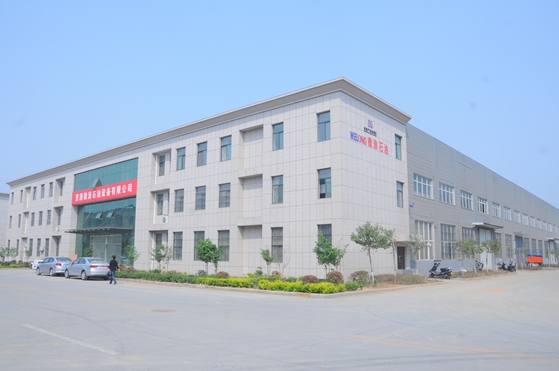
CHINA WELONG - 20+ years manufactuer in oilfield tools