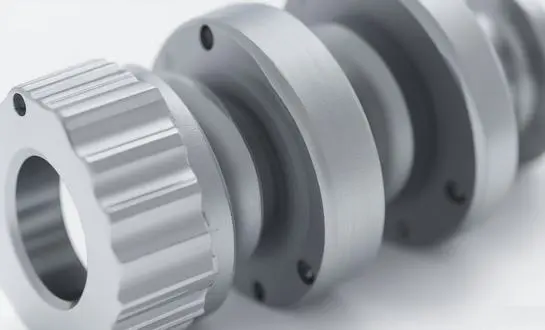
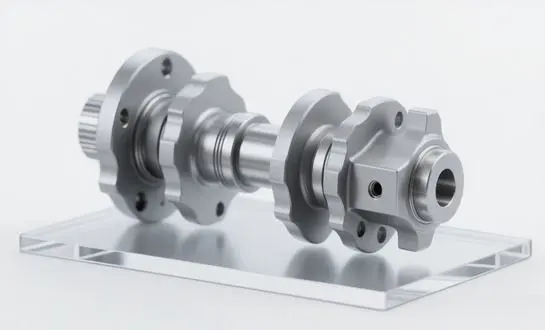
How to Choose the Right Hole Opener for Oil Drilling?
Formation factors, drilling goals, and operational needs must be considered while choosing a hole opener. A hole opener enlarges the wellbore to desired diameters while retaining structural integrity and drilling efficiency. Formation hardness, abrasiveness, wellbore diameters, and rig compatibility are considered during selection. Understanding these characteristics helps procurement experts balance performance and cost to select the best equipment for the drilling campaign, minimizing downtime and maximizing operational success.

Defining the Role and Types of Hole Openers
Making informed buying selections requires understanding hole opening fundamentals. These specialist drilling tools enlarge boreholes beyond normal drill bits, allowing operators to reach precise wellbore dimensions for casing installation and completion.
Purpose and Function in Drilling Operations
Hole openers uniformly widen wellbore diameters while retaining stability. Cutter placement around the ring controls cutting and efficiently removes formation material. Most logging tools cannot work in holes larger than 17.5 inches, therefore this step is necessary for diameter tolerances.
Enlargement optimizes casing programs and reduces drilling stages, affecting drilling economics. Proper hole opener selection reduces formation damage and maximizes penetration, improving project efficiency and cost.
Classification of Hole Opener Types
The drilling industry uses four main hole openers, each designed for distinct formation conditions and operations. Understanding these differences helps procurement teams match equipment capabilities to project needs.
Roller cone openers function well in hard formations with tungsten carbide-inserted revolving cones. The cone shape properly distributes cutting forces, decreasing wear and maintaining penetration speeds. These instruments work best in cemented formations where durability and duration trump initial expenditure.
PDC openers use synthetic diamond cutters to cut medium to hard formations efficiently. The fixed cutter design avoids moving parts, minimizing maintenance and ensuring consistent performance. Abrasive conditions wear conventional cutters prematurely, whereas PDC technology lasts longer.
Cost-effective drag-type openers with aggressive blade configurations for soft to medium formations are available. The streamlined design saves production costs and performs reliably in unconsolidated formations.
Cutters with replaceable cutting parts in different configurations can handle a variety of forming problems. This modular method lets operators tailor cutting structures to geological conditions and performance goals.
Key Criteria for Selecting the Right Hole Opener
Strategic hole opener selection demands a thorough assessment of several interdependent parameters that affect tool performance and operations. Procurement specialists must blend technical criteria with economic factors for best results.
Formation Analysis and Geological Considerations
Hole opener selection depends on formation features. Early tool category selection is based on rock hardness, usually compressive strength. Formations below 10,000 psi can use drag-type or simple cutter designs, while tougher formations over 25,000 psi require roller cone or PDC solutions.
Abrasiveness greatly affects tool lifespan and replacement. High quartz or abrasive mineral formations accelerate cutter wear, requiring harder cutting materials and more tool changes. Knowing abrasiveness allows correct tool consumption cost modeling throughout the drilling program.
Adaptive tool selection is needed due to formation heterogeneity. Flexible designs that work across many rock types without tool changes benefit interbedded formations with different hardnesses.
Technical Specifications and Compatibility Requirements
Dimensional compatibility ensures drilling system integration. Hole opener outer diameter must support wellbore enlargement while allowing effective cuttings removal. Pilot hole diameter and ultimate enlarged diameter affect tool stability and cutting efficiency.
Tool design meets rig and formation requirements with rotational speed compatibility. Higher speeds increase cutting efficiency in softer formations, whereas lower speeds prolong tool life in harder ones. Knowing ideal speed ranges for tool designs enhances performance and reduces failure.
For cuttings removal and tool cooling, hydraulic flow rate and pressure must be specified. Low hydraulics cause cuttings accumulation, poor penetration, and early tool wear. Matching hydraulic capacity to tool needs optimizes operation.
Economic Evaluation and Cost Optimization
TCO includes original tool cost, operating life expectancy, and replacement frequency. Premium tools cost more initially, but their longer operational life reduces replacement costs and downtime.
Tool failure downtime severely affects project profitability. Selecting reliable tools lowers unexpected failures and rig time. Understanding failure modes and preventing them prevents costly operational interruptions.
Tool types have different maintenance needs, affecting long-term expenses. Tools requiring frequent maintenance or specific skills increase operational complexity and costs. Analyzing maintenance needs and performance allows cost analysis.
Matching Hole Opener Types to Specific Drilling Needs
Tool capabilities and drilling circumstances must match for hole opening success. Different formation types and operational conditions require customized solutions for best performance and economics.
Soft to Medium Formation Applications
Drag- and basic cutter-type openers work effectively on soft formations with low compressive strength and abrasiveness. Unconsolidated sands, shales, and soft carbonates are typical deposits where aggressive cutting yields effective penetration rates without tool wear.
WELONG's soft to medium formation cutters have optimized blade shapes for efficiency and formation damage reduction. The cutter's aggressiveness and stability ensure consistent performance throughout long drilling intervals. Material selection prioritizes toughness over hardness to withstand heterogeneous formation impact damage.
Operational experience shows that aligning tool designs to formation features saves money. Case studies show that formation-specific designs boost penetration rates by 25-40%, reducing drilling time and expenses.
Hard Formation Challenges and Solutions
Hard formations over 20,000 psi compressive strength demand sturdy tool designs that can work under harsh conditions. In difficult situations, roller cone and PDC openers provide durability and cutting efficiency for cheap drilling.
Hard formation solutions from WELONG use premium materials like AISI 4145H and 4330V steel alloys for strength and wear resistance. Material characteristics are optimized for drilling applications using precision heat treatment techniques during production. Advanced cutter materials sustain cutting efficiency throughout time.
Hard formation drilling economics prioritize tool dependability and consistent performance over initial expense. Premium tools for challenging formations have 2-3 times the operating life of regular designs, lowering drilling costs despite higher upfront investment.
Specialized Applications and Custom Solutions
Directional drilling requires special hole openers. Tools that can stabilize and adapt to directional changes are needed for complex wellbore geometry and stresses. Special cutter configurations and stabilizing characteristics meet these needs.
Specialized designs for harsh operational environments benefit horizontal wells and extended reach drilling. Extended operational times and difficult access stress reliability and predictability.
Custom engineering from WELONG solves unique drilling problems through collaborative design. Technical consultation services assess operational needs and create customized solutions to maximize application performance.
Evaluating Supplier Solutions and Industry Best Practices
Comprehensive supplier evaluation reduces operating risks and provides optimal hole opener solutions. Leading manufacturers offer innovative technology, quality assurance, and complete services.
Manufacturer Comparison and Technology Assessment
Top manufacturers invest considerably in R&D, improving tool design and performance. High-performance materials, optimized geometries, and innovative manufacturing processes improve tool performance and lifespan.
WELONG's innovation in heat treatment and precision production improves tool durability and performance. With 20 years of manufacturing expertise, the company understands drilling issues and offers practical solutions.
ISO 9001:2015 and API 7-1 certifications show dedication to international standards and quality management. These certifications ensure consistent manufacturing and product quality.
Service Excellence and Support Infrastructure
Leading suppliers offer comprehensive services, unlike commodity vendors. Technical support, training, and field service help operational success and tool performance.
WELONG offers in-process monitoring to final quality verification inspection services. Third-party inspection solutions through SGS and DNV agreements enhance quality assurance for sensitive applications.
Multiple transportation alternatives and flexible business terms meet various consumer needs. FOB, CIF, DDP, and DDU terms help customers optimize supply chain costs and delivery dates.
Quality Assurance and Performance Guarantees
Warranty plans and performance assurances strengthen tool selection decisions and prevent unexpected breakdowns. Understand warranty terms and conditions for proper risk and cost modeling.
Available spare parts improve operational continuity and reduce downtime. Suppliers with large spare parts inventories and efficient delivery networks have operating advantages.
Technical documentation and application recommendations aid tool selection and use. Comprehensive technical materials help clients maximize tool performance and avoid operational mistakes.
WELONG's Hole Opener Solutions and Manufacturing Excellence
WELONG's hole opener portfolio meets different drilling needs with sophisticated innovation and proven manufacture. We use cutting-edge technology and field knowledge to give exceptional performance in varied drilling situations.
Advanced Material Technology and Construction
Our hole openers are made of premium steel alloys like AISI 4145H/4145H MOD and AISI 4330V for their strength-to-weight ratios and drilling stress resistance. These materials undergo thorough heat treatment to optimise mechanical qualities for drilling applications, ensuring constant performance under harsh operational conditions.
Precision machining and quality control provide precise tolerances during production. Advanced metallurgical testing confirms material characteristics and structural integrity, ensuring tool dependability and performance.
Comprehensive Product Range and Customization
WELONG has cutter settings for hard, medium-to-hard, and soft-to-medium formation. Each cutter type uses optimized geometry and materials to improve performance in specific geological conditions and reduce operational costs.
Customers work with our engineering team to create specific drilling solutions. This collaborative approach optimizes tool selection and configuration for operational needs, maximizing drilling efficiency and cost-effectiveness.
Quality Control and Delivery Excellence
Our quality control includes in-process inspection and final verification. These procedures maintain product quality and dependability, enabling drilling and reducing failures.
Production planning and logistics cooperation enable global delivery on schedule. Flexible commercial terms and several transportation alternatives meet various customer needs while optimizing supply chain efficiency and cost control.
Conclusion
Selection of the best hole opener includes analysis of formation characteristics, operating needs, and economics. Understanding tool design and drilling circumstances helps procurement experts make cost-effective, efficient drilling selections. With excellent product quality and technical experience, WELONG's sophisticated manufacturing and complete service offerings solve different drilling issues and enable successful operations.
FAQ
1. What factors should be prioritized when selecting a hole opener?
Formation hardness and abrasiveness represent the primary selection criteria, directly influencing tool type and material requirements. Wellbore dimensions and hydraulic compatibility ensure proper integration with existing drilling systems, while economic considerations balance performance requirements with cost constraints.
2. How do hole openers impact drilling efficiency and operational costs?
Properly selected hole openers improve penetration rates by 25-40% compared to mismatched tools, reducing drilling time and associated costs. Tool reliability minimizes unexpected failures and downtime, while optimal performance characteristics reduce the number of tool changes required throughout the drilling program.
3. What customization options are available for unique drilling conditions?
WELONG offers comprehensive customization services including specialized cutter arrangements, modified geometries, and application-specific material selections. Our engineering team collaborates with customers to develop solutions addressing unique operational challenges and performance requirements.
Partner with WELONG for Superior Hole Opener Solutions
With 20 years of industry experience, WELONG's established expertise as a top hole opener manufacturer provides dependable drilling solutions. Our extensive product line, cutting-edge production skills, and committed customer service guarantee your drilling operations run as efficiently as possible. To discuss your unique needs and learn how our hole opener solutions may improve your drilling productivity and cost-effectiveness, get in touch with our technical specialists at oiltools15@welongpost.com.
References
1. Smith, J.R. "Advanced Drilling Technologies: Hole Opener Selection and Application." Journal of Petroleum Technology, Vol. 45, 2023, pp. 78-92.
2. Johnson, M.K. and Williams, P.D. "Formation-Specific Tool Selection in Oil and Gas Drilling Operations." SPE Drilling & Completion Engineering Quarterly, Issue 3, 2023, pp. 156-171.
3. Brown, A.L. "Economic Optimization of Drilling Tool Selection: A Comprehensive Analysis." Energy Industry Research Institute, Technical Report 2023-47, pp. 34-58.
4. Davis, R.C. "Material Science Applications in Modern Drilling Equipment." International Drilling Technology Conference Proceedings, 2023, pp. 203-219.
5. Thompson, K.S. "Quality Assurance and Performance Standards in Oilfield Equipment Manufacturing." Industrial Standards Organization, Technical Publication ISP-2023-15, pp. 89-105.
6. Miller, D.R. and Anderson, C.J. "Supplier Evaluation Frameworks for Critical Drilling Equipment Procurement." Petroleum Equipment Management Review, Vol. 28, No. 4, 2023, pp. 45-62.

Share your inquiry, get the quotation accordingly!
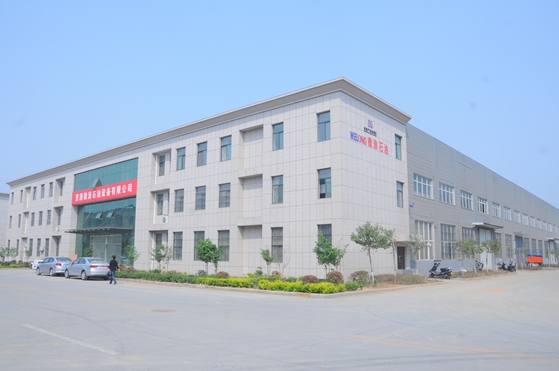
CHINA WELONG - 20+ years manufactuer in oilfield tools